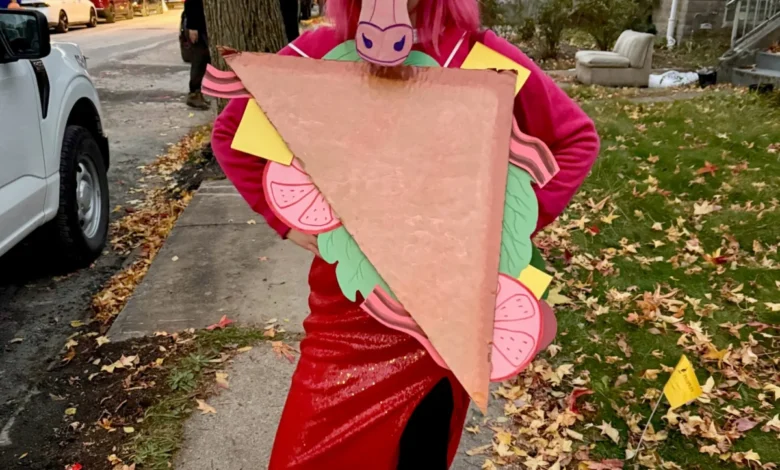
The annual cultural phenomenon of Halloween in the United States continues to evolve, shifting from traditional store-bought masks toward a surge in elaborate, DIY, and conceptual costuming. As October 31 approaches, the intersection of pop culture, culinary trends, and community participation has redefined the holiday’s aesthetic. Recent data from the National Retail Federation suggests that consumer spending on Halloween costumes is projected to reach record highs, with a growing emphasis on handmade, creative, and "meta" dressing that reflects personal interests rather than mass-market characters.
The Evolution of Contemporary Halloween Trends
Historically, Halloween costumes were largely influenced by television and cinematic characters. However, social media platforms have facilitated a shift toward niche humor and hyper-specific cultural references. A recent survey of reader submissions reveals a distinct preference for "intellectual" or "pun-based" costumes, where the wearer prioritizes the conceptual ingenuity of their outfit over commercial accessibility.
Industry analysts note that this shift is part of a broader "maker culture" movement. Costumes are no longer just clothes; they are projects that often require weeks of planning, coordination with creative professionals, or the sourcing of authentic props to satisfy the creator’s vision.
Chronology of Creative Expression
The timeline of these costumes often begins months in advance. Many of the most successful submissions reported in the current cycle were conceptualized as early as mid-summer, with fabrication occurring throughout September.
- Conceptualization (August): Enthusiasts identify a theme, often drawing from internet subcultures, nostalgic media, or food-based puns.
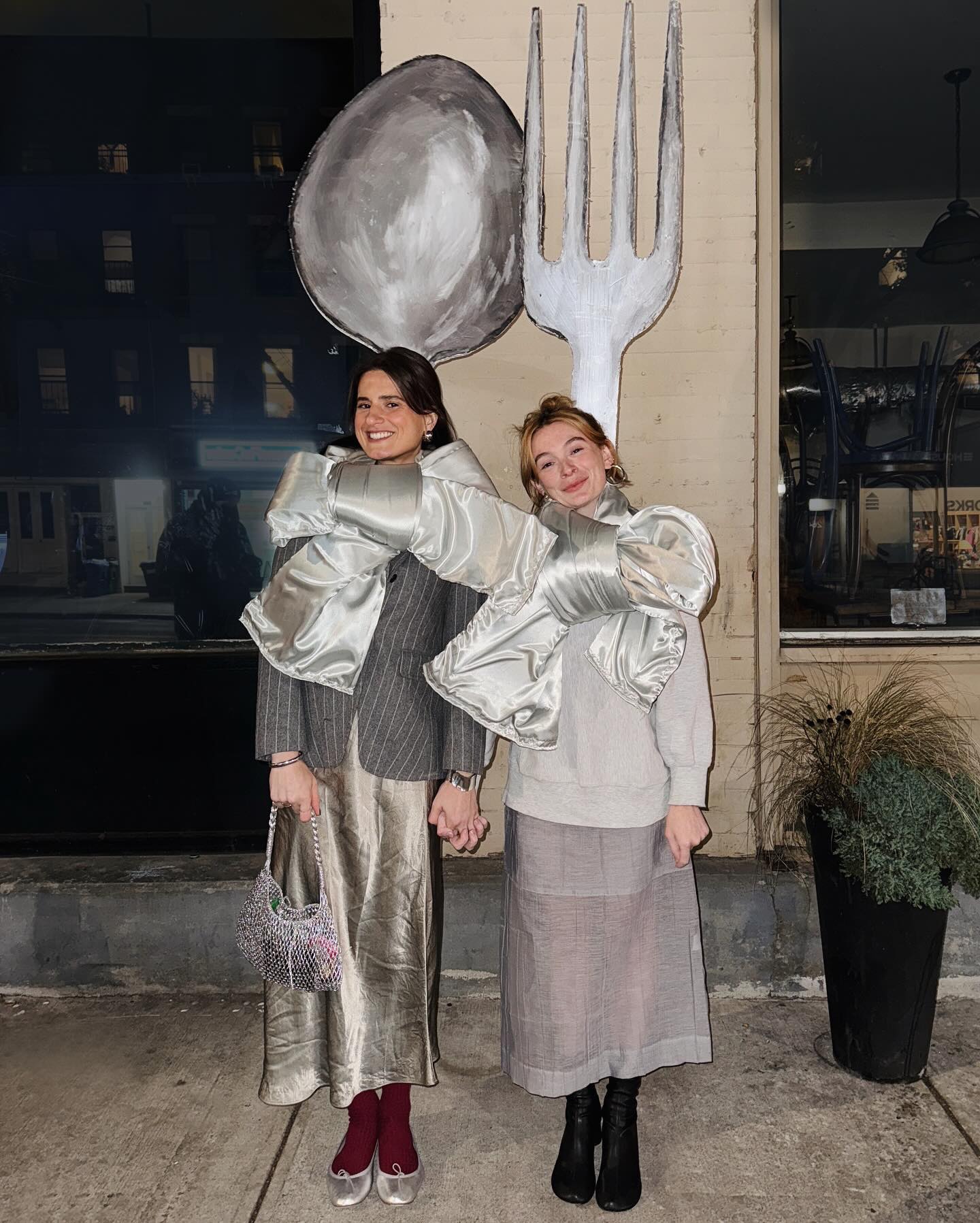
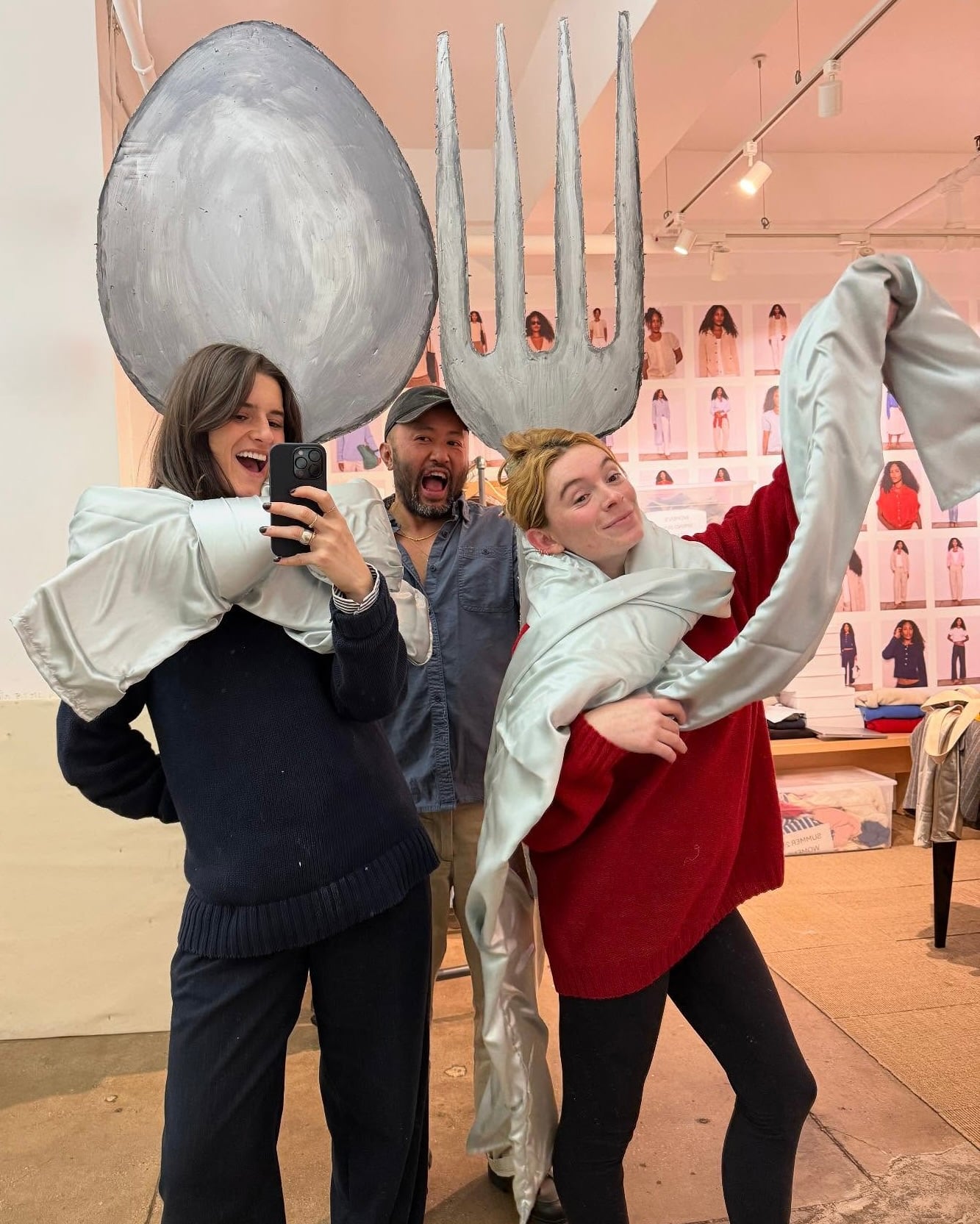
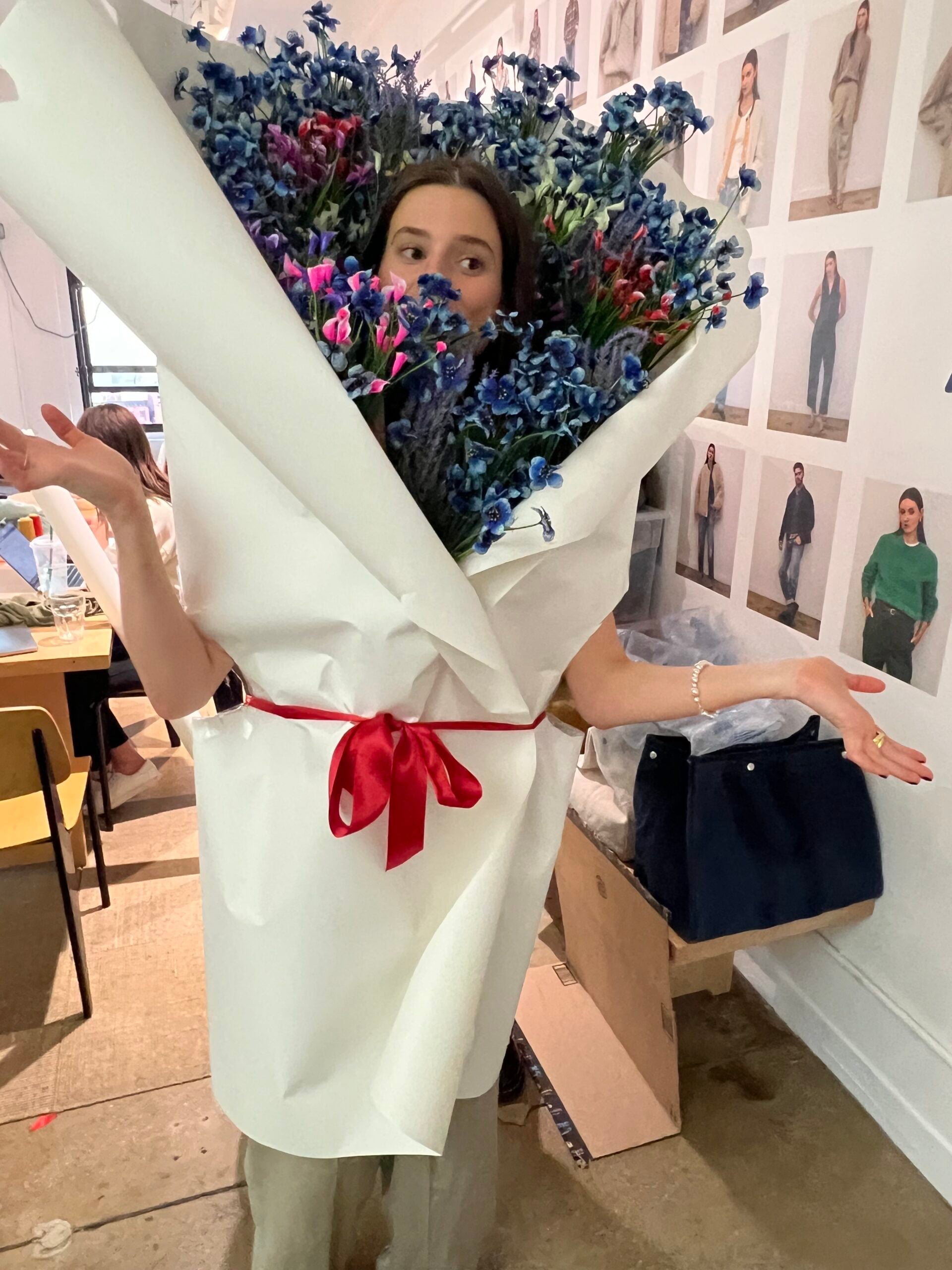
- Fabrication (September): This phase frequently involves collaboration. For instance, high-profile DIY costumes, such as the "Fork and Spoon" ensemble, involved professional creative direction to ensure structural integrity and visual accuracy.
- Refinement (October): Final adjustments are made, often incorporating props that enhance the narrative of the costume.
- Execution (October 31): The final display at community events, local competitions, or social gatherings serves as the culmination of the process, often resulting in local recognition or prizes.
Case Studies in Conceptual Costuming
The following examples represent a cross-section of current trends, demonstrating how personal identity and shared humor drive the modern costume market.
Culinary-Inspired Design
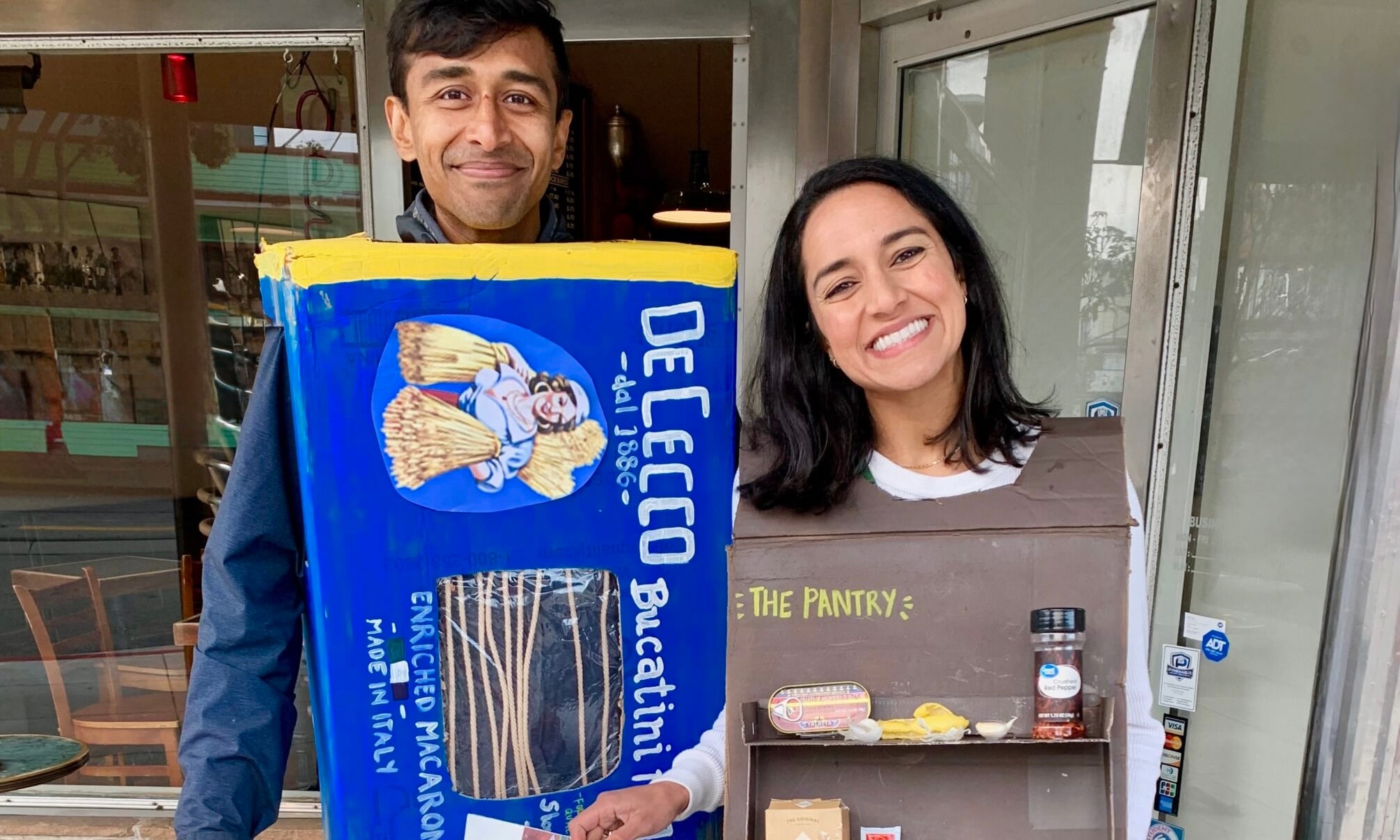
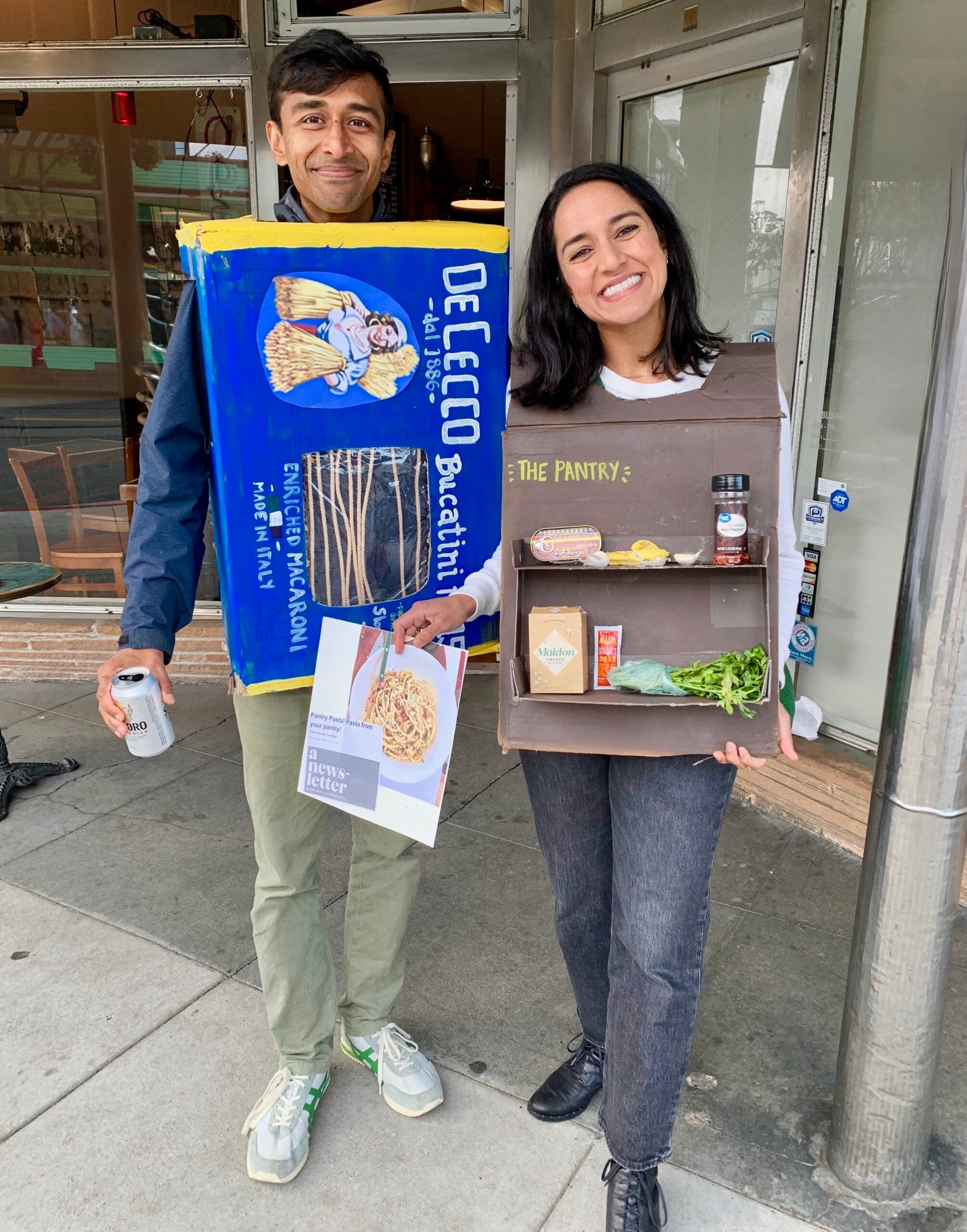
Food-based costumes have long been a staple of the holiday, but recent iterations have become increasingly sophisticated. The "Bucatini" costume, inspired by viral culinary trends, illustrates the blending of food media with costume design. By turning a specific, niche ingredient into a wearable item, creators tap into a shared social consciousness regarding comfort food and internet-famous recipes. Similarly, the "Nerd Gummy Cluster" costume demonstrates how brand loyalty and recognizable iconography can create an immediate, humorous connection with an audience.
Pop Culture and Meta-References
Costumes that rely on "meta" humor—such as the "Pink Pony Club" or the "Kevin McCallister" look from the film Home Alone—require a high degree of audience literacy. In the case of the McCallister costume, the creator went to significant lengths to replicate specific props from the film’s narrative, including exact cash amounts and iconic dialogue. This level of dedication serves as a marker of the wearer’s commitment to the character’s specific, recognizable moment in time.
Collaborative and Group Efforts
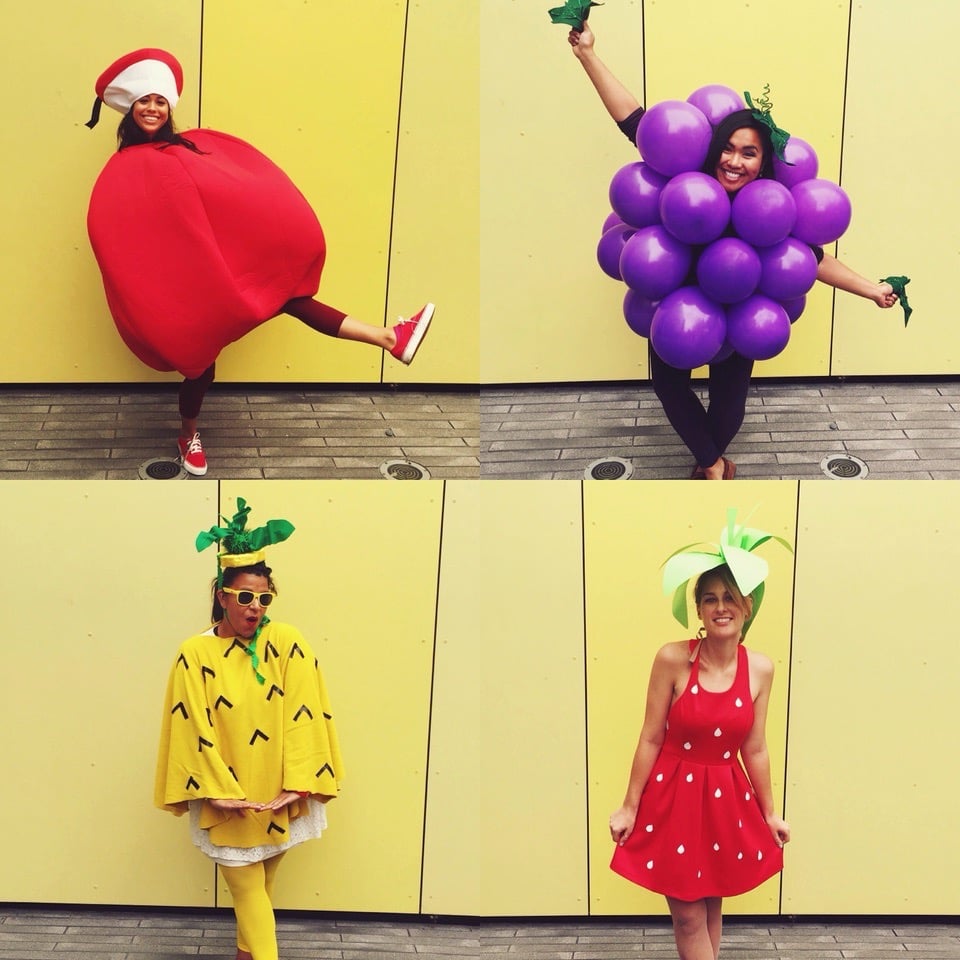
Group costumes remain a dominant trend in corporate and social environments. The "Fruit of the Loom" collective costume exemplifies the logistical challenges of group dressing, where individuals must balance the aesthetic requirements of the costume with the physical constraints of their environment. While effective in driving team morale and recognition, these costumes often highlight the tension between creative ambition and practical utility—such as the difficulty of working at a desk while wearing large, balloon-based structures.
Economic and Social Implications
The rise of high-effort, DIY costumes carries significant implications for the retail sector. As consumers invest in craft materials, specialized clothing, and vintage goods rather than pre-packaged costumes, the retail landscape has had to adapt. Small businesses, fabric stores, and thrift shops have seen a resurgence in seasonal interest, as individuals seek unique components for their designs.
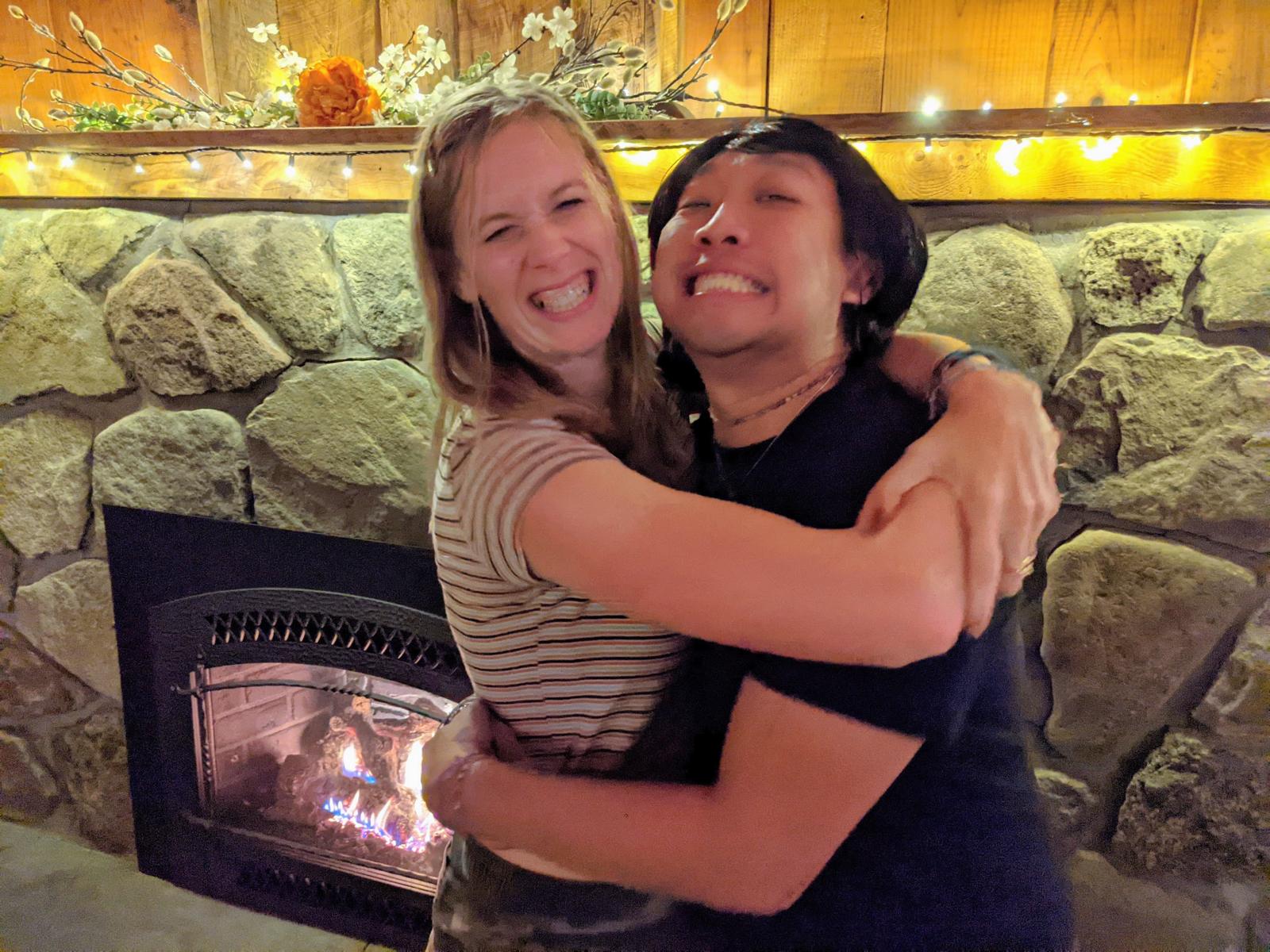
Furthermore, the social impact of these costumes is profound. When a costume resonates—such as the "Nerd Cluster" being recognized by a child in a school setting—it creates a lasting narrative of "celebrity" or shared joy. This form of social currency is increasingly valued in a digital age, where the "success" of a costume is measured not just by the reaction of one’s immediate peers, but by the potential for digital virality.
Expert Perspectives on Costume Psychology
Sociologists studying the holiday note that the move toward "funny" or "obscure" costumes serves a psychological purpose. By choosing a costume that requires an explanation or a specific cultural reference, the wearer initiates an interaction. The costume becomes a conversational bridge. When someone fails to understand the reference, it often reinforces the wearer’s identity as part of a specific subculture, thereby strengthening social bonds within that group.
Strategic Advice for Future Participants
For those looking to engage in future Halloween festivities, the current trend toward high-concept, low-cost (in terms of mass-produced items) costumes suggests three primary strategies:
- Prioritize Authenticity: Choose a subject matter that is genuinely reflective of your interests. The most successful costumes are those that appear effortless because the wearer is deeply familiar with the source material.
- Focus on Props: A costume is often elevated from "average" to "great" by the inclusion of one or two essential props. As seen in the Home Alone example, the use of accurate props can define the entire experience.
- Consider Practicality: While visual impact is important, long-term wearability is a factor frequently overlooked. Ensure that the design allows for movement, social interaction, and, where applicable, the ability to function in a standard setting.
Broader Context and Conclusion
Halloween has transcended its origins as a day of superstitious tradition to become a major venue for creative expression and community building. Whether through the lens of pop culture nostalgia or the humor found in everyday objects, the costumes featured here highlight a broader societal trend: the desire to use the holiday as an outlet for personal narrative.
As of October 2026, the shift toward these highly personalized, often labor-intensive costumes shows no signs of waning. As participants continue to share their experiences and techniques, the standard for what constitutes a "great" costume will continue to rise, encouraging further innovation and community engagement in the years to come. The success of these costumes serves as a testament to the ingenuity of the average consumer and their ongoing commitment to celebrating the holiday with both humor and intentionality.