Department of Justice Launches Investigation into MLB Over Religious Freedom Concerns, Bolstering Federal Protections

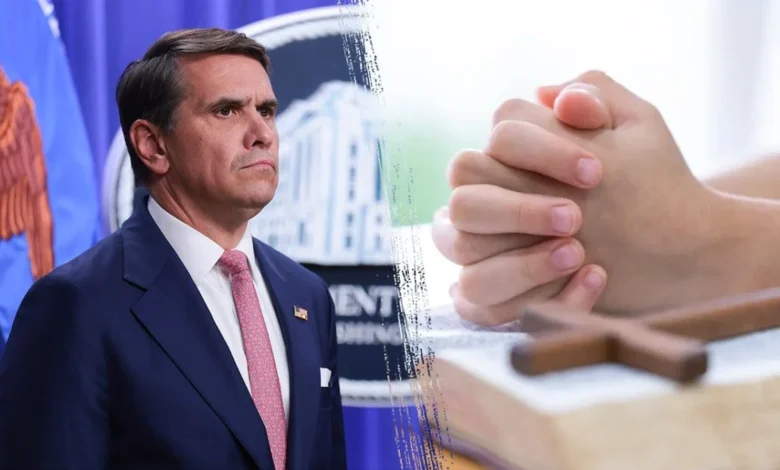
The Department of Justice (DOJ) has initiated an investigation into Major League Baseball (MLB) following reports that players received warnings for displaying Bible verses on their hats, raising significant concerns about religious freedom. This probe comes as the federal government, under a directive originating from the Trump administration and subsequently reinforced, has intensified its commitment to safeguarding religious liberties across various sectors, including employment, federal contracting, and organizational policies. The updated guidance from the DOJ, marking the first substantial revision since 2017, mandates federal agencies to prioritize religious considerations in their regulations and enforcement actions, reflecting a decade of evolving Supreme Court precedents.
The MLB Investigation: A Scrutiny of Religious Expression in Professional Sports
At the heart of the immediate controversy is the DOJ’s decision to investigate MLB. Reports, prominently highlighted by Fox News’ Kayleigh McEnany, indicate that professional baseball players were cautioned or penalized for expressing their faith by wearing Bible verses on their headwear. This action by MLB has drawn sharp criticism, with advocates for religious freedom questioning the league’s policies and their consistency. McEnany specifically pointed to Title VII of the Civil Rights Act, a federal law that requires employers to reasonably accommodate employees’ religious beliefs unless doing so would impose an undue hardship on the business.
Critics, including McEnany, have also accused MLB of applying a double standard. They cite instances where the league permitted players to display messages related to social and political campaigns, such as "SOS Cuba" or "BLM" (Black Lives Matter) slogans, on their uniforms or equipment without similar warnings or repercussions. The perceived discrepancy in how MLB treats secular political expression versus religious expression has fueled the DOJ’s inquiry, aiming to determine if the league’s actions constitute discriminatory practices in violation of federal law.
The investigation into MLB will likely delve into several key areas:
- League Policy: Examining MLB’s official rules and guidelines regarding player attire and acceptable forms of expression, both religious and secular.
- Enforcement Practices: Assessing how these rules are applied in practice, looking for patterns of inconsistency or bias against religious displays.
- Player Experiences: Gathering testimony or evidence from players who received warnings or faced disciplinary action for religious expression.
- Accommodation Efforts: Determining if MLB made reasonable efforts to accommodate players’ religious beliefs, as required by Title VII.
This investigation places a major professional sports league directly under the microscope of federal religious freedom laws, potentially setting a precedent for how religious expression is managed in high-profile public and private workplaces.
DOJ’s Broad Mandate: Reinforcing Religious Liberty Across Federal Agencies
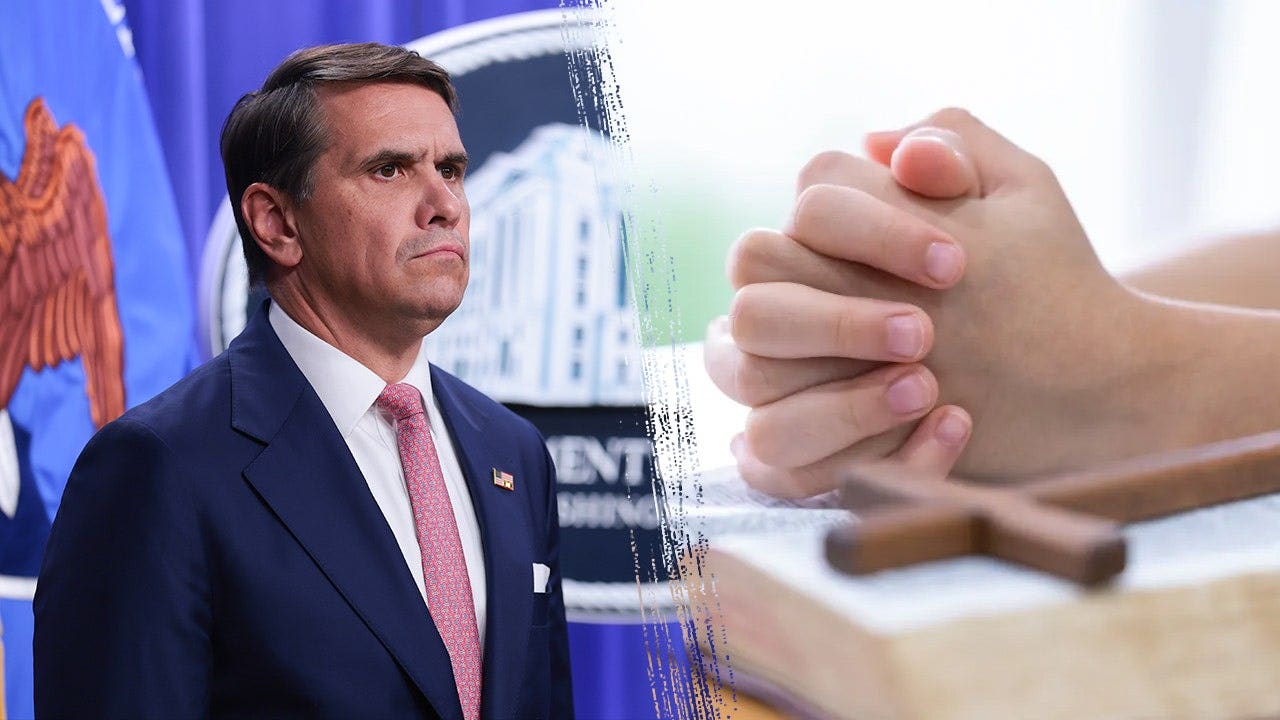
Parallel to the MLB investigation, the broader context of the DOJ’s updated guidance underscores a significant federal push to enhance religious freedom protections. The directive, initially issued during the Trump administration and subsequently updated, instructs all executive agencies to elevate religious liberty considerations in their operations. This initiative, framed as the first major update to DOJ guidance on this issue since 2017, is designed to ensure that federal policies align with foundational American legal principles.
The updated guidance explicitly requires federal agencies to ensure their policies comply with:
- The First Amendment: Specifically, its Free Exercise Clause, which protects individuals’ rights to practice their religion freely.
- The Religious Freedom Restoration Act (RFRA): A federal law passed in 1993 that prohibits the government from substantially burdening a person’s exercise of religion unless it demonstrates a compelling governmental interest and uses the least restrictive means.
- Title VII of the Civil Rights Act: Which prohibits employment discrimination based on religion and mandates reasonable accommodation of religious practices.
- Recent Supreme Court Decisions: Incorporating landmark rulings that have expanded the scope of religious protections.
The DOJ, referencing the leadership under which this initiative originated and the ongoing commitment to these principles, stated that the guidance reflects nearly a decade of new Supreme Court precedent. The primary goal is to ensure federal agencies protect religious Americans across a spectrum of interactions with the government, including employment within federal agencies, federal contracting, grant allocations, the rulemaking process, and enforcement actions.
Pillars of Protection: Legal Frameworks and Supreme Court Precedents
To understand the full scope of the DOJ’s renewed emphasis, it is crucial to examine the legal frameworks and recent Supreme Court decisions that underpin this directive.
The First Amendment and its Dual Clauses:
The First Amendment to the U.S. Constitution sets the foundation for religious liberty with two key clauses:
- The Establishment Clause: "Congress shall make no law respecting an establishment of religion," which prevents the government from establishing an official religion or favoring one religion over others.
- The Free Exercise Clause: "…or prohibiting the free exercise thereof," which protects individuals’ rights to practice their religion without government interference.
While these clauses can sometimes appear to be in tension, the DOJ’s guidance emphasizes ensuring that the government respects the individual’s right to free exercise, even while maintaining neutrality regarding religious establishment.
The Religious Freedom Restoration Act (RFRA):
Enacted in response to a Supreme Court decision that narrowed the scope of the Free Exercise Clause, RFRA provides robust protection for religious exercise. It stipulates that the government cannot substantially burden a person’s exercise of religion unless it is in furtherance of a compelling governmental interest and is the least restrictive means of furthering that interest. This "strict scrutiny" standard makes it difficult for the government to impose policies that infringe on religious practice.
Title VII of the Civil Rights Act of 1964:
Title VII is particularly relevant to the MLB investigation. It prohibits employment discrimination based on religion, race, color, sex, and national origin. Crucially, it requires employers to reasonably accommodate an employee’s religious beliefs or practices, unless doing so would cause an "undue hardship" on the employer’s business. The definition of "undue hardship" has been a subject of legal interpretation, often requiring more than a de minimis (minimal) cost or burden.
Key Supreme Court Rulings Shaping the Guidance:
The updated DOJ guidance specifically references recent Supreme Court victories that have significantly strengthened religious freedom protections. Two cases, both involving the First Liberty Institute, are particularly illustrative:
-
Kennedy v. Bremerton School District (2022): This landmark case involved Joseph Kennedy, a public high school football coach who was disciplined for engaging in a brief, silent prayer at the 50-yard line after games. The Supreme Court ruled 6-3 that the school district violated Kennedy’s First Amendment rights. The Court clarified that the Free Exercise and Free Speech Clauses protect an individual engaging in a personal religious observance, even if visible to students, as long as it does not coerce others. This decision marked a shift, emphasizing the individual’s right to religious exercise over concerns about government endorsement of religion in certain public school contexts.
-
Groff v. DeJoy (2023): This case centered on Gerald Groff, a former U.S. Postal Service worker who resigned after being disciplined for refusing to work on Sundays, his Sabbath. The Supreme Court unanimously ruled that employers must grant religious accommodations unless doing so would impose "substantial hardship" on the business, clarifying the "undue hardship" standard from Title VII. The Court rejected the previous interpretation that "undue hardship" meant anything more than a de minimis cost, requiring employers to demonstrate that an accommodation would result in "substantial increased costs in relation to the conduct of the employer’s particular business." This ruling significantly raised the bar for employers seeking to deny religious accommodations.
These two cases exemplify the expanded protections for religious exercise that the DOJ’s updated guidance now incorporates, influencing how federal agencies and, by extension, private employers (through Title VII enforcement) must approach religious accommodations.
Operational Directives for Federal Agencies: A Practical Framework
The updated guidance provides specific, actionable directives for executive agencies, ensuring religious liberty is woven into the fabric of federal governance:
- Early Consideration in Rulemaking: Agencies are instructed to consider religious-liberty concerns much earlier in the process of developing regulations. This proactive approach aims to identify and mitigate potential burdens on religious exercise before policies are finalized, fostering regulations that are more inclusive and compliant with federal law.
- Accommodation in the Federal Workplace: Federal agencies, as employers, must accommodate religious expression in the workplace when required by law. This includes allowing employees to wear religious attire, observe religious holidays, and engage in private religious practices, provided these do not impose an undue hardship on agency operations.
- Equal Footing for Religious Organizations: The guidance ensures that religious organizations can compete for federal grants and contracts on equal footing with secular organizations. This prohibits discrimination against faith-based entities in funding decisions, promoting fair access to federal resources for a diverse range of service providers.
- Protection for Internal Affairs of Churches: The directive reaffirms constitutional protections for churches to govern their own internal affairs, free from unwarranted government interference. This respects the autonomy of religious institutions in matters of doctrine, governance, and ministry.
- Parents’ Rights in Religious Upbringing: The guidance highlights recent Supreme Court rulings recognizing parents’ rights to direct the religious upbringing of their children, reinforcing the principle of parental authority in faith formation.
Reactions and Broader Implications
The new guidance and the MLB investigation have elicited varied reactions and carry significant implications.
Kelly Shackelford, president, CEO, and chief counsel of First Liberty Institute, a legal organization dedicated to defending religious freedom, lauded the directive. He stated, "The updated guidance will ensure that the federal government will respect the religious liberty rights of all Americans when implementing the President’s policies," and extended gratitude for the efforts to protect "America’s first freedom—religious freedom." This sentiment reflects the perspective of religious freedom advocates who view the guidance as a necessary bulwark against perceived infringements on faith.
Conversely, groups advocating for a strict separation of church and state might express concerns that such broad directives could lead to government endorsement of religion or compel individuals to accommodate religious practices they do not share. They might argue for a more careful balance to prevent religious freedom from impinging on other civil liberties or creating an environment where non-religious individuals feel marginalized.
For MLB, the DOJ investigation could lead to significant changes in its player appearance policies. If the DOJ finds evidence of discriminatory practices, MLB might be compelled to revise its rules to be more accommodating of religious expression, or face legal repercussions. This could set a precedent for other professional sports leagues and private organizations regarding how they manage employee expression, especially when balancing commercial interests with individual rights. The league would likely need to articulate clearer, more consistent policies that respect religious freedom while maintaining organizational standards.
The broader impact of the DOJ’s updated guidance extends to all federal agencies, which must now meticulously review and adapt their internal policies and external engagements to align with these enhanced protections. The Office of Legal Policy within the DOJ will continue to work with federal agencies, reviewing proposed regulations and other government actions for compliance with federal religious-liberty protections. This ongoing oversight suggests a sustained commitment to embedding religious freedom principles across the federal bureaucracy.
This development also underscores the dynamic and often contentious nature of religious liberty in American society, particularly in public life and the workplace. As the legal landscape evolves with new Supreme Court decisions, the federal government is clearly signaling a robust commitment to protecting the rights of individuals to practice their faith freely, with significant ramifications for both public and private institutions. The MLB investigation serves as a high-profile illustration of this commitment in action, drawing national attention to the ongoing discourse surrounding faith, expression, and the law.
Related posts: