Rare Anaphylactic Reaction During Blood Transfusion in Young Leukemia Patient Highlights Critical Medical Vigilance

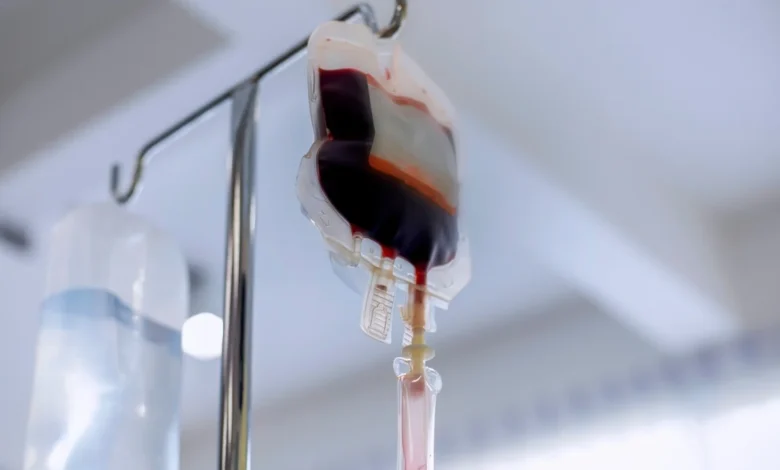
A six-year-old boy in the Netherlands experienced a life-threatening anaphylactic reaction during a routine blood transfusion, a rare but severe complication that underscores the critical importance of continuous monitoring during medical procedures. The child was undergoing treatment for lymphoblastic leukemia, a form of blood cancer, when his body mounted a sudden and intense allergic response. His blood pressure plummeted, a widespread rash erupted, and swelling appeared around his lips, tongue, and eyelids, severely impairing his ability to breathe. This alarming event, while infrequent, serves as a stark reminder of the potential risks associated with medical interventions, even those considered standard practice.
The Case: A Young Patient’s Critical Reaction
The incident occurred as the young patient, whose identity has been withheld to protect his privacy, was receiving a blood transfusion. This procedure is a vital supportive therapy for individuals battling leukemia, as the disease often impairs the body’s ability to produce healthy blood cells. Cancer treatments, such as chemotherapy, can also further compromise blood counts, making transfusions essential for maintaining oxygen transport, preventing excessive bleeding, and supporting the immune system.
However, during this specific transfusion, the boy’s immune system appears to have mistakenly identified components of the donated blood as foreign invaders. The rapid onset of symptoms – a dramatic drop in blood pressure, the development of a rash, swelling of facial features, and respiratory distress – are hallmark signs of anaphylaxis. Anaphylaxis is a severe, potentially fatal allergic reaction that can occur within minutes of exposure to an allergen. In this case, the allergen was the transfused blood.
The severity of the reaction necessitated immediate medical intervention. Medical professionals would have likely administered epinephrine, also known as adrenaline, which is the first-line treatment for anaphylaxis. Epinephrine works rapidly to constrict blood vessels, increase blood pressure, and open airways, counteracting the life-threatening effects of the allergic cascade. Other supportive measures, such as oxygen therapy and antihistamines, may also have been employed. The swift and expert management of the situation by the medical team was undoubtedly crucial in stabilizing the child and preventing a more tragic outcome.
Understanding Blood Transfusion Reactions
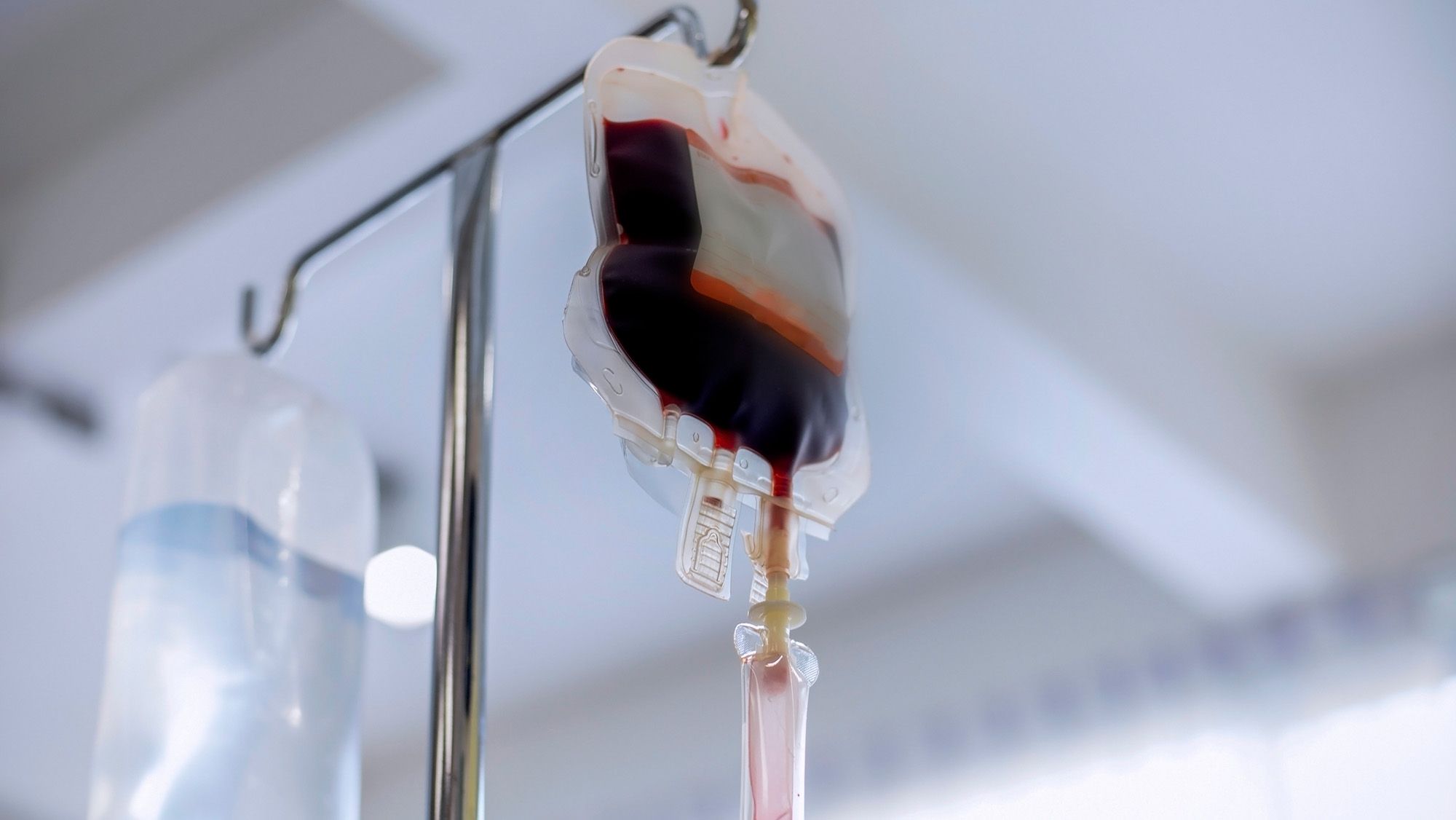
While blood transfusions are a cornerstone of modern medicine, saving countless lives annually, they are not entirely without risk. The most common reactions are generally mild and manageable, such as fever or a mild allergic rash. However, more severe reactions, though rare, can occur. These can include:
- Hemolytic Transfusion Reactions: These occur when the recipient’s immune system attacks and destroys transfused red blood cells. This can be caused by incompatible blood types (e.g., giving Type A blood to a Type B recipient) or less commonly, by antibodies present in the donor’s plasma. Symptoms can range from fever and chills to jaundice, kidney failure, and disseminated intravascular coagulation (DIC).
- Febrile Non-Hemolytic Transfusion Reactions (FNHTR): These are the most common type of transfusion reaction, characterized by fever, chills, and sometimes headaches, occurring during or shortly after a transfusion. They are usually caused by the recipient’s antibodies reacting to white blood cells or cytokines in the donated blood.
- Allergic Reactions: These can range from mild urticaria (hives) to severe anaphylaxis. They are typically caused by the recipient’s antibodies reacting to proteins in the donor’s plasma.
- Transfusion-Related Acute Lung Injury (TRALI): A serious, potentially fatal complication characterized by acute respiratory distress occurring within six hours of a blood transfusion. It is thought to be caused by antibodies in the donor’s plasma that activate neutrophils in the recipient’s lungs, leading to inflammation and fluid accumulation.
- Transfusion-Associated Circulatory Overload (TACO): Occurs when blood is infused too rapidly or in too large a volume, overwhelming the circulatory system. This is more common in patients with underlying cardiac or renal conditions. Symptoms include shortness of breath, hypertension, and edema.
- Infectious Disease Transmission: While rigorously screened, there remains a theoretical risk of transmitting infectious agents through blood transfusions. However, advancements in testing have dramatically reduced this risk.
The case of the young boy in the Netherlands falls into the category of a severe allergic reaction, specifically anaphylaxis. The rarity of such severe reactions is a testament to the sophisticated blood typing and cross-matching procedures in place. Blood banks meticulously test donor blood for ABO and Rh compatibility, as well as screen for a wide range of infectious diseases. However, the complexity of human immune responses means that even with the most stringent protocols, idiosyncratic reactions can still occur.
Contextualizing the Patient’s Underlying Condition
The fact that the boy was being treated for lymphoblastic leukemia is a crucial piece of context. Leukemia, particularly acute lymphoblastic leukemia (ALL), is the most common type of cancer diagnosed in children. It originates in the bone marrow, the spongy tissue inside bones where blood cells are produced. In ALL, immature white blood cells (lymphoblasts) are produced in excessive numbers and do not mature properly, crowding out healthy blood cells. This deficiency leads to a range of problems, including:
- Anemia: A low red blood cell count, causing fatigue, weakness, and shortness of breath.
- Thrombocytopenia: A low platelet count, increasing the risk of bleeding and bruising.
- Neutropenia: A low white blood cell count, making the patient highly susceptible to infections.
Therefore, blood transfusions are often a critical component of supportive care for children with leukemia. Red blood cell transfusions are given to combat anemia, and platelet transfusions are administered to prevent or treat bleeding. In this specific case, the boy was receiving a transfusion, likely to address anemia or other blood cell deficiencies exacerbated by his leukemia or its treatment.
The immune system of a child undergoing treatment for leukemia can be compromised by the disease itself and by the effects of chemotherapy, which targets rapidly dividing cells, including healthy bone marrow cells. While this might intuitively suggest a higher risk of transfusion reactions, the reality is more nuanced. The body’s immune system is complex, and the precise mechanisms leading to anaphylaxis in this scenario are not fully elucidated without further specific data. It’s possible that specific antibodies or other immune factors were involved, interacting unexpectedly with donor plasma or cellular components.
Timeline and Chronology of a Critical Event
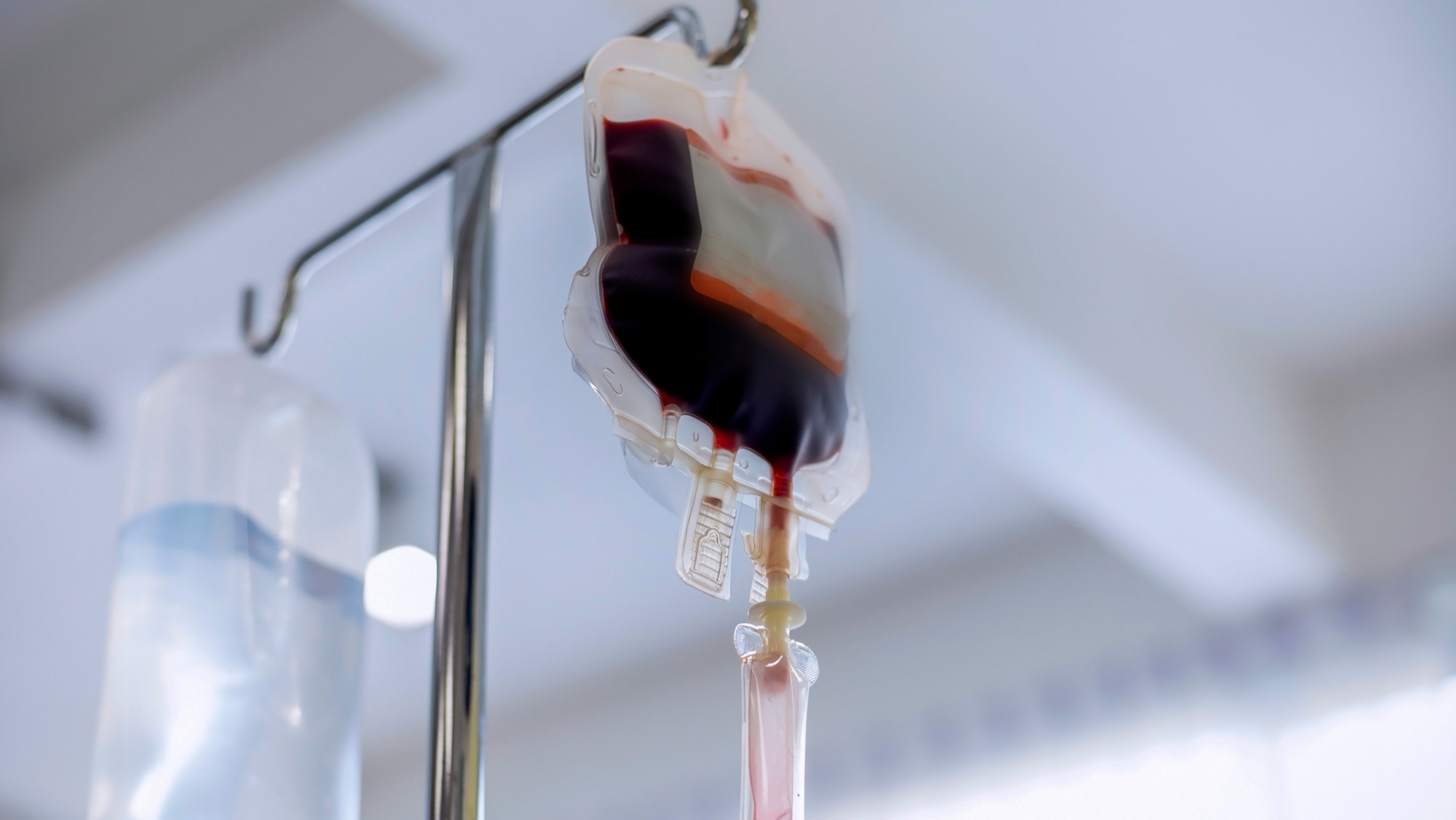
While a precise timeline is not provided in the initial report, a typical scenario for such a reaction would unfold as follows:
- Initiation of Transfusion: The blood bag is connected to the patient’s intravenous line, and the transfusion begins.
- Early Signs: Within minutes to a few hours of starting the transfusion, the patient begins to exhibit symptoms. This could start with itching, a mild rash, or a feeling of warmth.
- Rapid Deterioration: The symptoms escalate quickly. Blood pressure begins to drop significantly. The rash may spread. Swelling of the face, particularly the lips, tongue, and eyelids, becomes apparent.
- Respiratory Compromise: The patient experiences difficulty breathing, possibly due to airway swelling or bronchospasm.
- Medical Team Intervention: Alerted by the change in the patient’s condition, the medical staff immediately stops the transfusion.
- Emergency Treatment: Epinephrine is administered, along with other supportive measures like oxygen.
- Stabilization: The patient’s vital signs are closely monitored, and efforts are made to stabilize his condition.
- Post-Reaction Management: The patient is monitored in an intensive care setting, and further investigations may be initiated to understand the specific cause of the reaction.
The speed at which anaphylaxis can develop underscores the need for constant vigilance by healthcare providers during blood transfusions. Nurses and physicians are trained to recognize the subtle and overt signs of transfusion reactions and to respond promptly.
Broader Implications and Medical Vigilance
This case, though rare, has significant implications for the practice of transfusion medicine and patient safety:
- Reinforcement of Monitoring Protocols: It serves as a potent reminder that even established medical procedures require continuous oversight. Healthcare institutions must ensure that their protocols for monitoring patients during transfusions are robust and that staff are regularly trained on recognizing and managing transfusion reactions.
- Investigating Rare Reactions: Understanding the specific immunological mechanisms behind such a severe allergic reaction is crucial for potentially preventing future occurrences. This would likely involve detailed serological testing of both the patient and the donor blood, as well as analysis of the patient’s immune profile.
- Patient and Family Education: While the risk is low, it is important for patients and their families to be aware of the potential for transfusion reactions. Clear communication from healthcare providers about the benefits and risks of transfusions can empower patients and ensure informed consent.
- Advancements in Transfusion Safety: The ongoing research and development in transfusion medicine aim to further enhance safety. This includes exploring alternative treatments, developing more sensitive screening methods, and improving understanding of immune responses to transfused products. For instance, techniques like apheresis can sometimes be used to provide specific blood components, potentially reducing exposure to certain plasma proteins.
While blood transfusions remain an indispensable medical tool, this incident highlights the delicate balance between life-saving interventions and the inherent complexities of the human body. The successful management of this young boy’s severe reaction is a testament to the skill and dedication of medical professionals and reinforces the ongoing commitment to patient safety in healthcare. The medical community will undoubtedly learn from this rare event, further refining protocols and deepening its understanding of transfusion immunology to ensure the continued safety and efficacy of this vital medical procedure.