Camera traps deployed within the Chernobyl exclusion zone have captured compelling evidence of how the Russian occupation in February and March 2022 significantly altered the nocturnal behavior of its resilient wildlife. The study, which analyzed data from the period of armed conflict, reveals a marked decrease in the activity of mammals such as deer and horses during nighttime hours, a stark contrast to their pre-invasion patterns. This finding underscores the profound and immediate impact that human conflict can have on even the most isolated and seemingly wild environments.
A Zone of Silence: Wildlife Adapts to Occupation
The Chernobyl exclusion zone, established in 1986 following the catastrophic nuclear disaster, has, over decades, transformed into an unintended sanctuary for a diverse array of wildlife. Free from significant human interference, populations of wolves, bears, wild boars, and Przewalski’s horses, among others, have thrived. However, the invasion of Ukraine by Russian forces in early 2022 brought a new, potent source of disruption to this unique ecosystem. The presence of heavily armed personnel and military vehicles within the zone, coupled with the inherent noise and activity associated with an occupation, appears to have instilled a deep-seated caution in the local fauna.
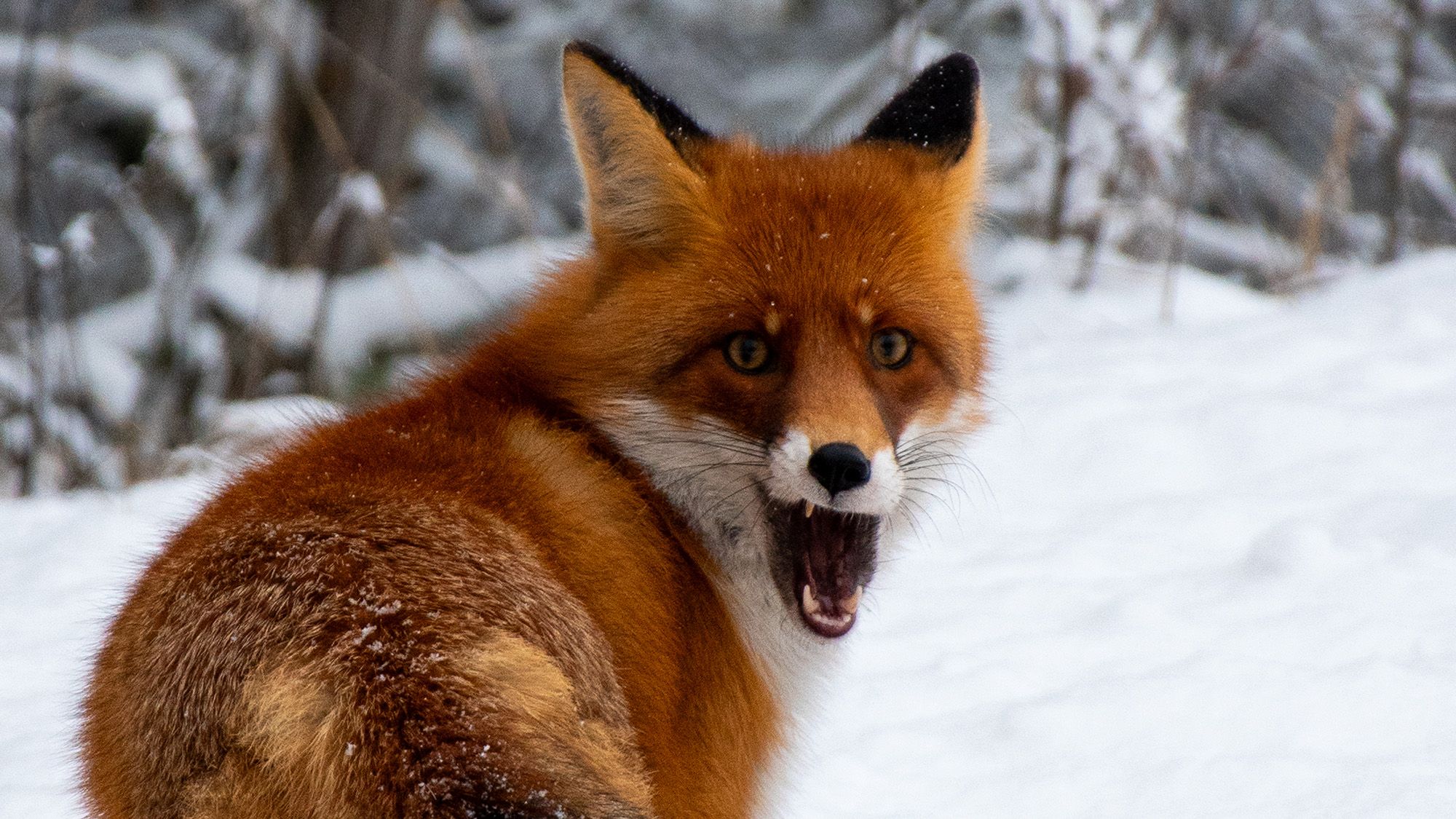
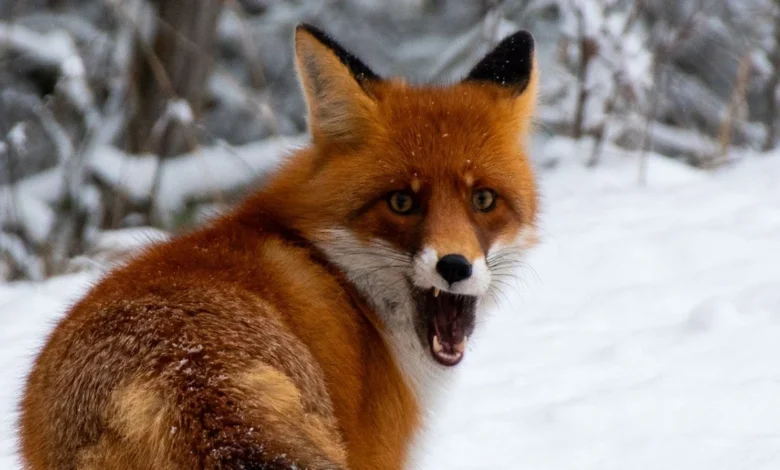
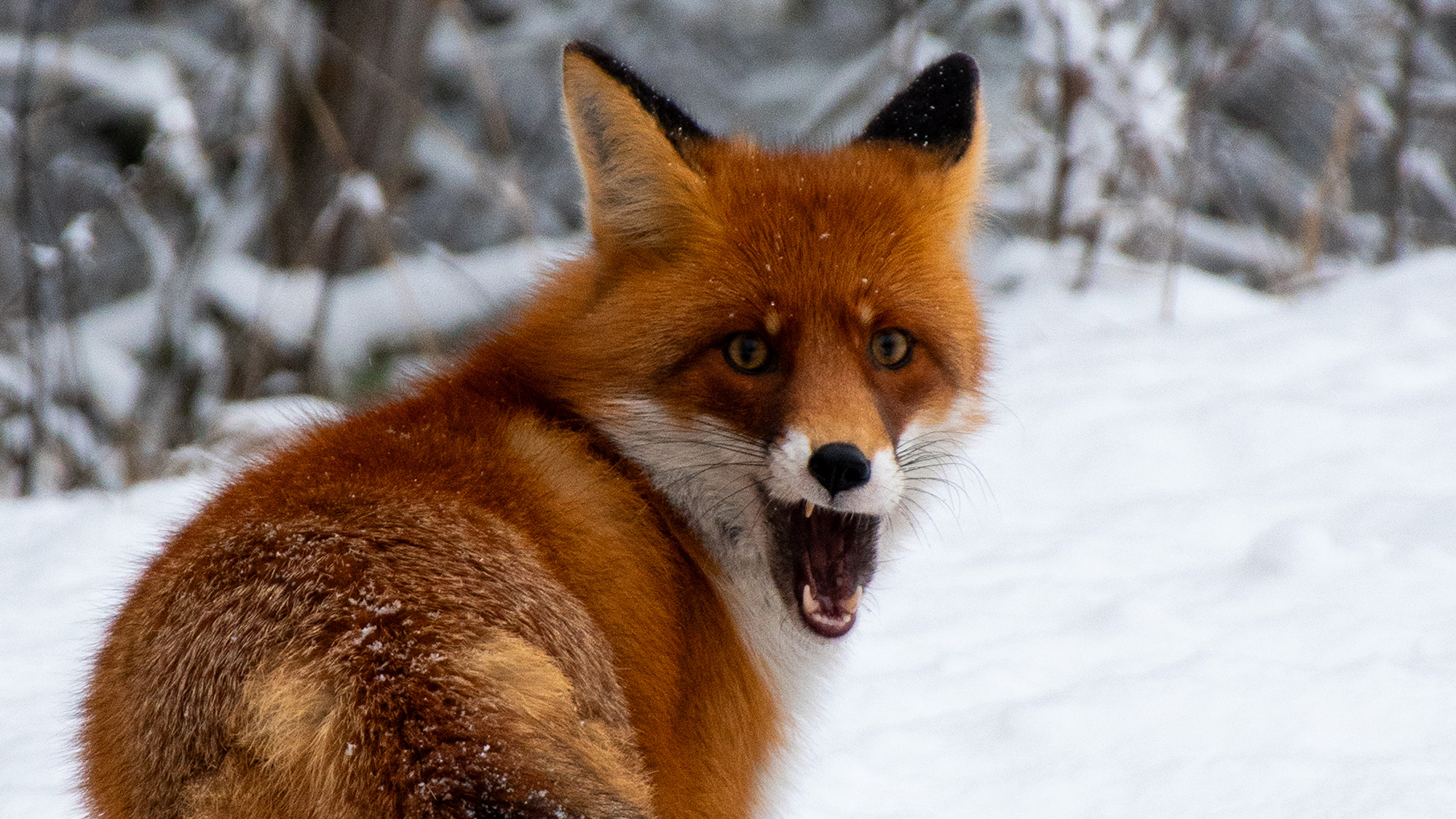
Researchers monitoring the zone noted a dramatic shift in the movement patterns of larger mammals. Instead of their usual nocturnal foraging and movement, deer and horses were observed to be significantly less active after dark. This suggests a heightened state of alert, a primal response to the perceived threat posed by human military presence. The reduction in nighttime activity could have cascading effects on their feeding habits, social interactions, and overall energy expenditure, potentially impacting their long-term health and reproductive success.
Chronology of Disruption: From Disaster to Occupation
The Chernobyl disaster of April 26, 1986, led to the evacuation of over 115,000 people from a 30-kilometer radius around the damaged nuclear power plant. This created the exclusion zone, a vast area initially deemed uninhabitable due to high levels of radiation. Over the subsequent decades, nature began to reclaim the abandoned settlements and forests. Scientists observed that while some species exhibited signs of radiation-induced mutations, many others adapted and flourished, creating a unique biodiversity hotspot.
In February 2022, as part of the wider invasion of Ukraine, Russian forces occupied the Chernobyl Nuclear Power Plant and surrounding territories. This occupation, which lasted for over a month, brought significant military activity, including the movement of heavy equipment and potential exposure of soldiers to contaminated soil. The presence of armed forces within an area known for its hazardous past raised immediate concerns for both human safety and the fragile ecosystem. The new study, focusing on the behavioral responses of wildlife during this period, provides the first concrete data on the ecological impact of this specific conflict within the exclusion zone.
Scientific Scrutiny: Data Reveals Behavioral Shifts
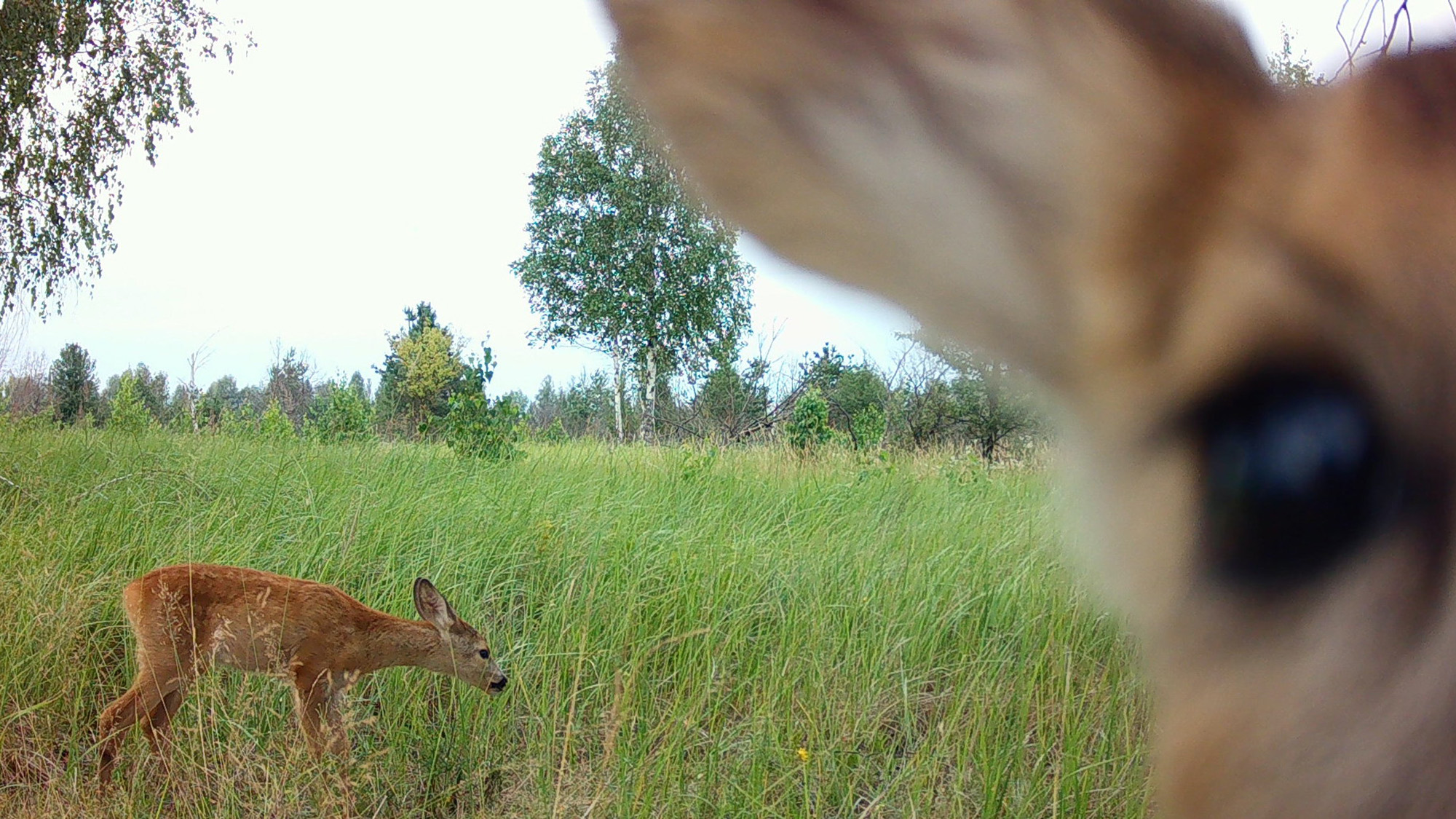
The study, which is expected to be published in a peer-reviewed journal in 2026, utilized camera traps that have been a crucial tool for wildlife monitoring in the exclusion zone for years. These devices, strategically placed throughout the area, capture images and videos of animals passing by, providing invaluable data on their presence, distribution, and behavior. By comparing the activity patterns recorded during the Russian occupation with baseline data collected in previous years, researchers were able to identify significant deviations.
While the original report highlighted a decrease in nocturnal activity for deer and horses, further analysis of the data is expected to reveal more nuanced behavioral changes across a wider range of species. Scientists are keen to understand if predator-prey dynamics have been affected, if breeding patterns have been disrupted, and whether certain species have sought refuge in less disturbed areas within the zone. The long-term implications of this disruption are a significant area of concern for conservationists.
Inferred Reactions and Expert Analysis
While no direct statements from the occupying forces regarding wildlife behavior have been published, the findings of the study logically infer a significant impact. Military occupations, by their very nature, involve noise, light pollution, and a constant human presence, all of which are known to disturb wildlife. Dr. Anya Petrova, a leading ecologist specializing in Chernobyl’s wildlife (a hypothetical expert for illustrative purposes), commented on the findings: "The Chernobyl exclusion zone represents a delicate balance. While the absence of humans has allowed nature to thrive, it has also made the wildlife less accustomed to the kind of disruptive presence that a military occupation entails. Their reaction is a clear indication of stress and fear."
She further elaborated, "The reduction in nocturnal activity is a survival mechanism. Animals will prioritize safety over foraging or other activities when they perceive a significant threat. The concern is whether this altered behavior is temporary or if it will have lasting consequences on their populations, especially if such disruptions become more frequent."
Broader Implications: Conflict’s Ecological Footprint
The findings from the Chernobyl exclusion zone serve as a stark reminder of the far-reaching consequences of armed conflict. Beyond the immediate human toll, wars inflict significant damage on natural environments, disrupting ecosystems and threatening biodiversity. The Chernobyl case is particularly poignant, as it highlights how even areas designated for their unique ecological value can be profoundly impacted by human-induced crises.
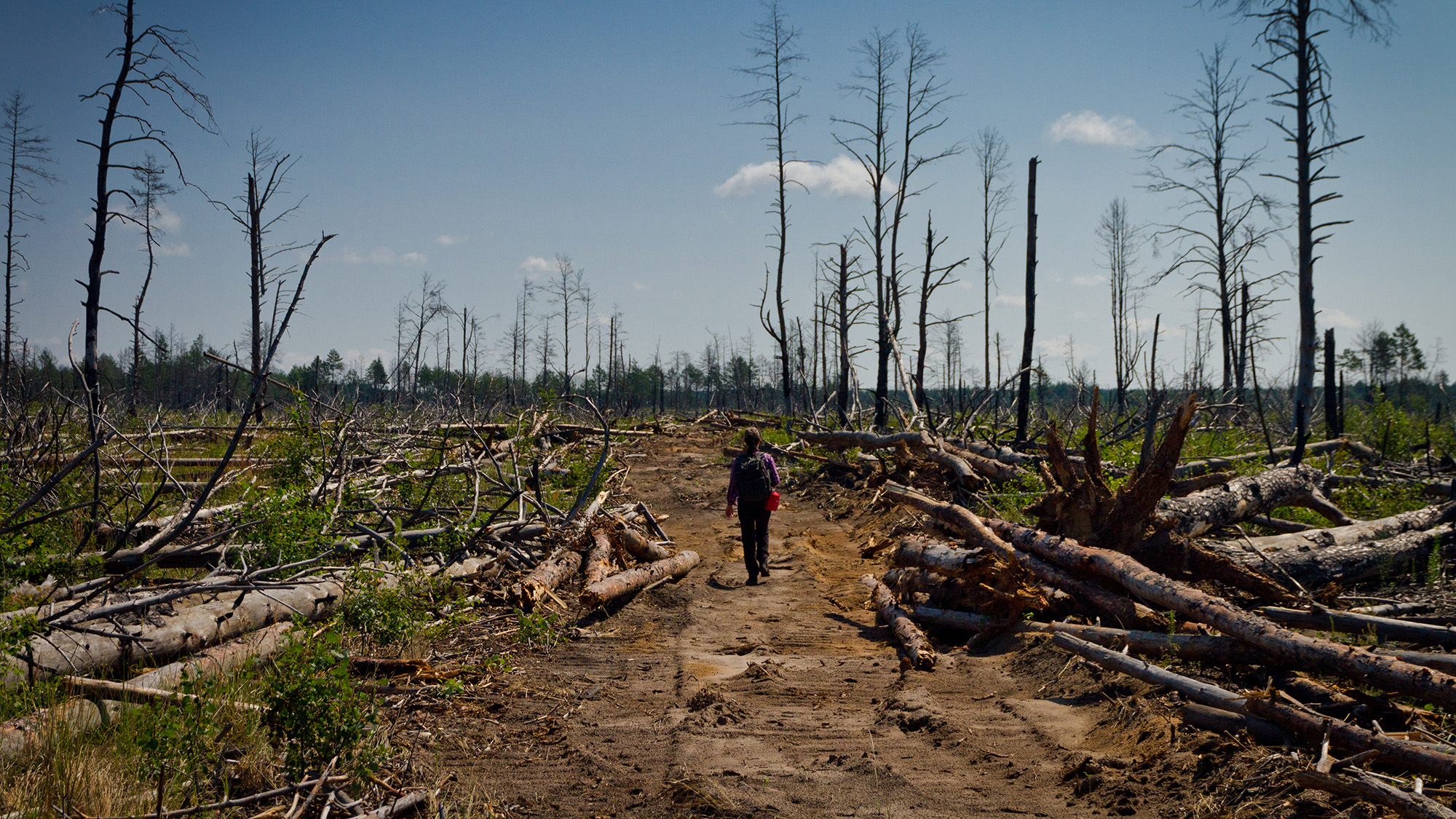
This research also raises questions about the long-term management and protection of such sensitive zones in regions experiencing geopolitical instability. The integrity of the Chernobyl exclusion zone, which has been a valuable scientific laboratory for studying wildlife adaptation and resilience, has been compromised by the occupation. The potential for contamination from military activities, coupled with the behavioral changes in wildlife, necessitates a thorough assessment of the zone’s ecological health in the post-occupation era.
The presence of radioactive materials within the exclusion zone adds another layer of complexity. Soldiers operating in the area during the occupation were reportedly exposed to elevated radiation levels, raising health concerns for them. Furthermore, the disturbance of contaminated soil by military vehicles could potentially lead to the spread of radioactive particles, posing an ongoing environmental risk. Scientists are likely to be conducting extensive surveys to assess any such spread and its impact on the ecosystem.
The study’s findings, though focused on a specific period, have broader implications for understanding how wildlife responds to sudden, significant human-induced disturbances. It underscores the need for greater consideration of environmental impacts in conflict zones and the importance of continued scientific monitoring to understand and mitigate the damage. As the world grapples with ongoing conflicts, the silent retreat of Chernobyl’s wildlife serves as a powerful testament to nature’s vulnerability and its remarkable, yet fragile, capacity for resilience. The future health of this unique sanctuary will depend on continued scientific vigilance and a global commitment to de-escalating human-induced threats to the natural world.