Thriving Tomato Plants Come Easy With This Natural Fertilizer Made From Kitchen Scraps

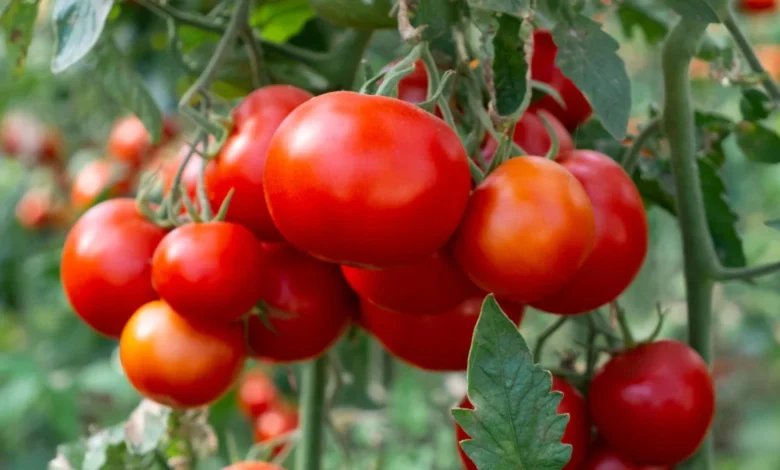
The shift toward natural fertilizers comes at a time when the cost of synthetic soil amendments is rising and concerns over chemical runoff into local watersheds are mounting. For the home gardener, the challenge of growing tomatoes—a crop notoriously finicky about its nutrient intake—often leads to a reliance on store-bought solutions. Yet, the chemical profile of an onion peel contains many of the exact micronutrients required to transition a tomato plant from a leafy green shrub into a heavy producer of succulent fruit.
The Nutritional Science of Onion Peels
To understand why onion peels are effective, one must look at the specific physiological needs of the Solanum lycopersicum, or the common tomato. Throughout its life cycle, the tomato plant demands a shifting balance of nutrients. While nitrogen is essential during the early stages to promote lush, green foliage, an overabundance of nitrogen later in the season can lead to "all bush and no fruit." As the plant matures, its requirements shift toward phosphorus, potassium, calcium, and magnesium.
Onion peels are a concentrated source of several key minerals. They are particularly rich in potassium, which is vital for the regulation of water within the plant and the activation of enzymes that facilitate fruit ripening. Furthermore, they contain significant levels of calcium. A deficiency in calcium is the primary cause of blossom end rot, a devastating condition where the bottom of the tomato turns black and leathery, rendering the harvest inedible. By introducing onion-based fertilizers, gardeners provide a slow-release source of these minerals, along with traces of iron, copper, and magnesium, which support the plant’s overall structural integrity and photosynthetic efficiency.
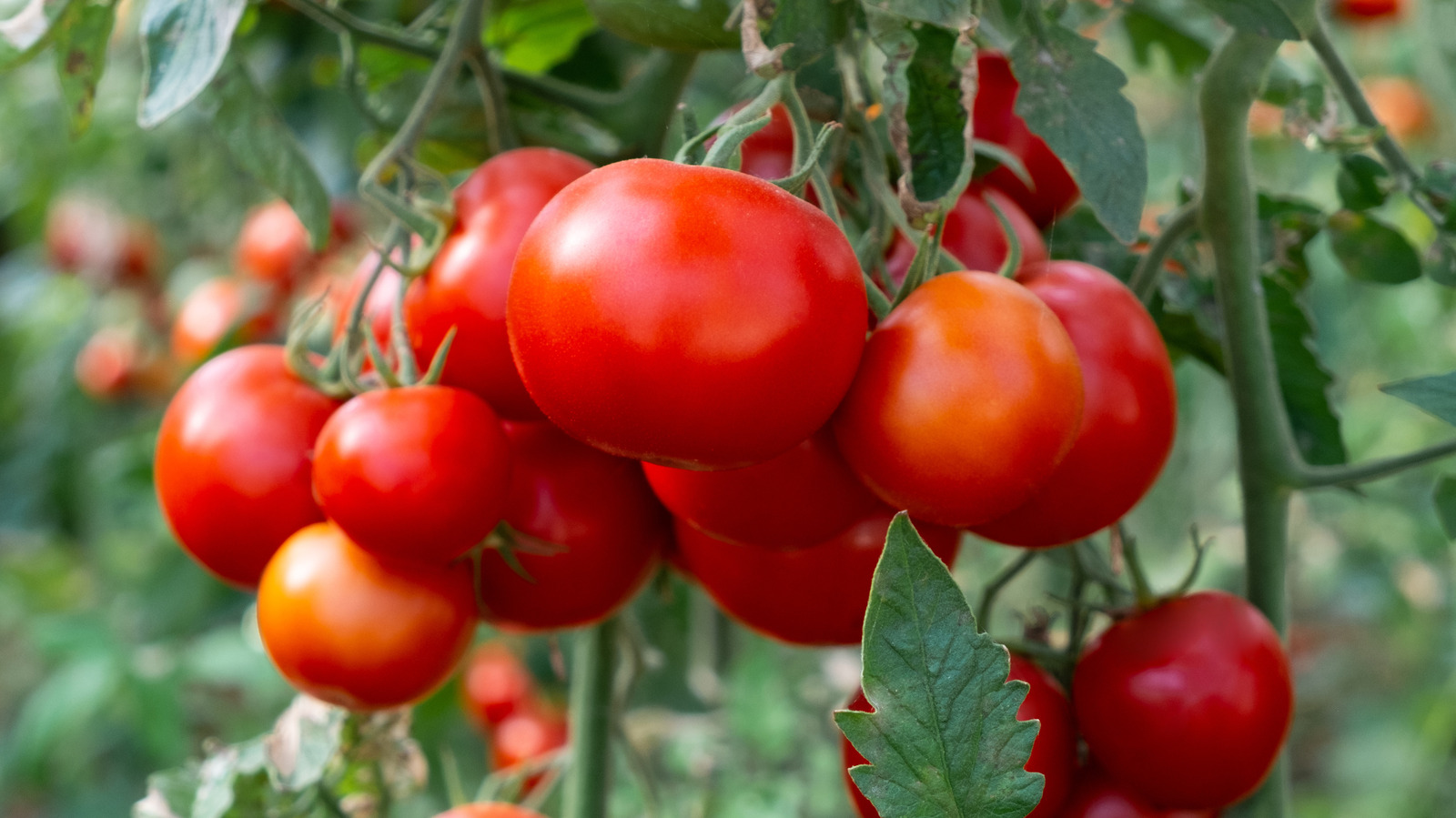
Beyond minerals, onion skins contain quercetin, a powerful antioxidant and flavonoid. In a botanical context, these compounds can help plants manage oxidative stress caused by intense sunlight or fluctuating temperatures, effectively boosting the plant’s natural immune system against common pathogens.
A Chronology of the Tomato Growing Season
The application of onion-peel fertilizer is most effective when aligned with the natural growth stages of the tomato plant. Understanding this timeline allows gardeners to maximize the impact of their kitchen-derived amendments.
- The Seedling Stage (Weeks 1–4): During this period, the focus is on root development and the emergence of the first "true leaves." While onion peels can be used here, the plant’s needs are minimal.
- The Vegetative Growth Phase (Weeks 5–8): This is the period of rapid vertical growth. Gardeners often incorporate powdered onion peels into the topsoil at this stage to build a reservoir of nutrients that will be available as the plant begins to transition.
- The Flowering and Fruit Set Phase (Weeks 9–12): This is the critical window for onion-peel application. As the first yellow blossoms appear, the plant’s demand for potassium and calcium spikes. Introducing "onion tea"—a liquid infusion of the peels—provides an immediate boost that supports the delicate process of fruit setting.
- The Ripening Phase (Weeks 13+): As the fruit expands and changes color, the minerals provided by the onion skins help ensure the fruit is firm and the sugar content is well-balanced.
Methods of Application: Powder vs. Infusion
There are two primary methods for converting onion scraps into plant food, each offering different benefits to the soil’s microbial community.
The Soil Amendment Method
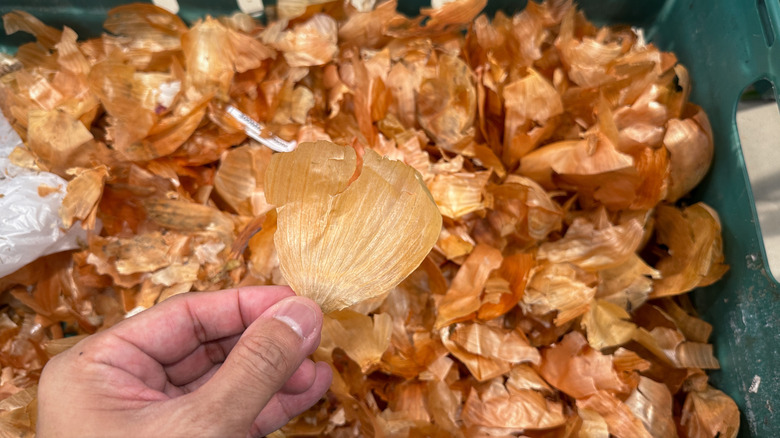
For a long-term, slow-release approach, onion peels should be completely dried until they are brittle. These can then be pulverized in a blender or coffee grinder into a fine powder. This powder is worked into the top two inches of the soil around the base of the tomato plant. This method relies on soil-dwelling microbes—the "intermediaries" of the garden—to break down the organic matter. As these microorganisms consume the powder, they gradually release minerals into the soil in a form that the plant’s roots can easily absorb. This process mimics the natural decomposition of leaf litter in a forest, building soil health over time without the risk of "burning" the roots with high concentrations of chemicals.
The Liquid Infusion (Onion Tea)
For gardeners seeking more immediate results, the liquid infusion method is preferred. By soaking a handful of onion peels in a quart of water for 24 to 48 hours, the water-soluble nutrients leach out of the skins. The resulting liquid, often a deep amber color, can be poured directly onto the soil. This "liquid diet" bypasses the need for immediate microbial breakdown, as the minerals are already dissolved and ready for the plant’s xylem system to transport them to the leaves and developing fruit. Some advanced practitioners allow the mixture to ferment for up to a week, which introduces beneficial bacteria into the soil, further enhancing the plant’s resilience.
Data-Driven Benefits: Waste Reduction and Economic Impact
The use of onion peels is not merely a gardening "hack"; it is a strategy with broader environmental and economic implications. According to data from the Food and Agriculture Organization (FAO), roughly one-third of all food produced for human consumption is lost or wasted globally. In the United States, food waste is the single largest component taking up space in landfills.
Onions are one of the most widely consumed vegetables globally, with the average person consuming approximately 20 pounds per year. The papery skins account for roughly 1% to 2% of the onion’s total weight. While this seems negligible, on a national scale, it represents thousands of tons of organic material that could be diverted from landfills to gardens. By repurposing these peels, households reduce their contribution to methane emissions—a byproduct of organic waste decomposing in anaerobic landfill conditions—while simultaneously reducing their expenditure on commercial fertilizers, which can cost between $15 and $50 per season for a standard home garden.
Expert Perspectives and Horticultural Analysis
Agricultural experts note that while onion peels are an excellent supplement, they function best as part of an integrated pest and nutrient management system. Dr. Elena Rossi, a specialist in sustainable agriculture, suggests that the success of kitchen-scrap gardening lies in the diversity of the inputs. "Onion peels provide a fantastic mineral boost, particularly in terms of potassium and calcium," Rossi explains. "When combined with other scraps, such as eggshells for additional calcium or coffee grounds for a slight nitrogen and acidity boost, the gardener creates a holistic environment that synthetic pellets simply cannot replicate."
One point of analysis often raised by soil scientists is the impact on soil pH. Tomatoes thrive in slightly acidic soil, typically between a pH of 6.0 and 6.8. Onion peels are generally pH-neutral to slightly acidic, making them a safe addition that will not dramatically tip the balance of the soil chemistry, unlike some wood-ash-based fertilizers that can make the soil too alkaline.
Broader Implications for Home Food Security
The trend of utilizing kitchen scraps like onion peels reflects a growing desire for food sovereignty. As global supply chains remain vulnerable to climate change and economic fluctuations, the ability to produce high-quality food in a backyard or on a balcony using internal resources is becoming a vital skill.
The "onion peel method" serves as an entry point for many into the world of permaculture—the philosophy of working with, rather than against, nature. It encourages a shift in perspective: seeing a kitchen not just as a place of consumption, but as the beginning of a production cycle. When a cook peels an onion for a soup, they are simultaneously preparing the fertilizer for next year’s tomato crop. This closed-loop system fosters a deeper connection between the consumer and their food source, emphasizing the value of every component of the plant.
In conclusion, thriving tomato plants do not require expensive chemical interventions. The path to a bountiful harvest is often found in the very items we are conditioned to throw away. By understanding the nutritional profile of onion peels and the specific needs of the tomato plant, gardeners can cultivate a productive, sustainable, and cost-effective garden that benefits both the dinner table and the planet. Through simple practices like powdering or steeping these kitchen scraps, the humble onion skin is transformed from a discarded wrapper into the secret ingredient for gardening success.