Apollo Nida Approves of Ex-Wife Phaedra Parks Dating CT Tamburello After The Traitors

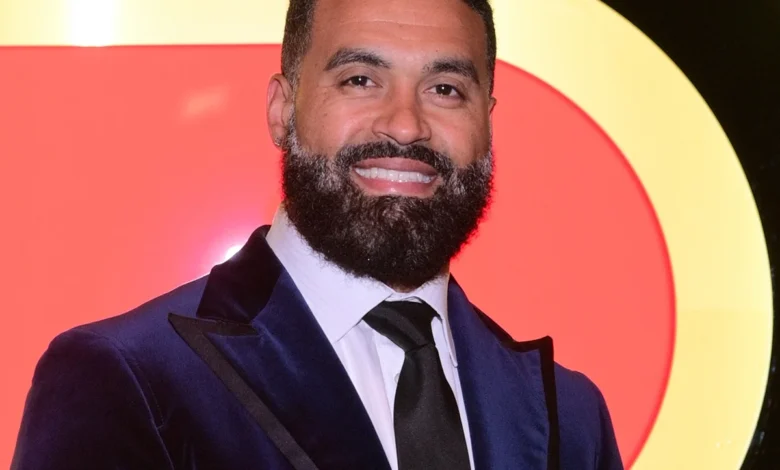
The intricate web of reality television romances continues to expand, capturing public fascination as former couples navigate new chapters in the glaring spotlight of celebrity culture. Recently, the landscape of unscripted television relationships shifted once again when Real Housewives of Atlanta star Phaedra Parks and The Challenge veteran CT Tamburello officially confirmed their romantic involvement. Following months of circulating rumors and undeniable chemistry observed on screen, the couple made their debut as an item, drawing reactions from fans, media outlets, and, notably, Parks’ ex-husband, Apollo Nida. Demonstrating a surprising degree of amicable maturity, Nida has publicly offered his endorsement of the pairing, highlighting a shared commitment to co-parenting and mutual respect that has characterized the former couple’s dynamic in recent years.
The Genesis of a Reality TV Romance
The romantic connection between Phaedra Parks and CT Tamburello traces back to the production of Peacock’s critically acclaimed competition series, The Traitors, which filmed its second season in early 2024. As contestants navigating a psychological game of deception and strategy, Parks and Tamburello quickly established a noticeable rapport. Viewers and fellow contestants alike picked up on the palpable chemistry between the two seasoned reality television personalities.
Speculation surrounding the nature of their relationship intensified following the completion of the show’s broadcast cycle. However, the confirmation arrived much later, culminating in a dazzling public appearance at the Creative Arts Emmy Awards. Walking the red carpet side by side, Parks and Tamburello openly displayed their affection, effectively ending months of speculation and hard-launching their romance to the public. The pairing has since become one of the most talked-about crossovers in modern reality television history, uniting two heavyweights from distinct corners of the genre—the Bravo universe and MTV’s competitive franchise ecosystem.
Apollo Nida’s Perspective and Co-Parenting Dynamics
In the wake of the relationship confirmation, media inquiries naturally turned toward Apollo Nida, Parks’ former husband with whom she shares two teenage sons, Ayden, 16, and Dylan, 13. Nida and Parks experienced a highly publicized marriage, legal troubles, and subsequent divorce, which was officially finalized in 2017. Despite the tumultuous nature of their past separation, the former couple has successfully transitioned into a functional co-parenting arrangement focused entirely on the well-being of their children.
Addressing the news regarding Parks and Tamburello, Nida expressed a supportive and pragmatic viewpoint. Speaking to media outlets, the 47-year-old fitness expert stated that he harbors no concerns regarding his ex-wife’s new relationship, primarily because he trusts her judgment as a mother. Nida emphasized that as long as Tamburello treats Parks and their children with respect, he is entirely supportive of her finding happiness. Furthermore, Nida noted that he was not particularly shocked by the pairing, having witnessed the initial rapport between Parks and Tamburello during their time filming The Traitors.
While Nida maintains a strict boundary—avoiding active engagement with the specifics of Parks’ love life in favor of keeping their communications centered exclusively on their teenage sons—his public endorsement reflects a significant evolution in their post-divorce relationship. Nida himself has moved forward, marrying real estate developer Sherien Almufti in 2022. The blended nature of their extended reality television lives was further highlighted when Nida and Almufti made a joint onscreen appearance alongside Parks on Bravo’s Married to Medicine in 2025, demonstrating an ability to coexist within the network’s broader ecosystem.
Complications on the Other Side: Catalina White’s Reaction
While Nida’s response was characterized by ease and approval, the reaction from Tamburello’s side of the equation proved somewhat more complex. Tamburello’s estranged wife, Catalina White, who officially filed for divorce from the reality star in January, publicly acknowledged the new relationship with a mixture of exasperation and pragmatism.
Responding directly to media coverage of Parks and Tamburello’s red carpet debut, White left a pointed public comment on social media consisting of clapping emojis alongside the directive, "Sign the papers." The remark underscored the lingering legal formalities of Tamburello and White’s separation, reminding observers that while public figures readily transition into new romances, the underlying legal dissolutions of past marriages often require time to reach formal closure.
A Broader Trend of Summer 2026 Celebrity Romances
The official debut of Parks and Tamburello is part of a wider seasonal wave of high-profile celebrity relationship announcements and developments that have dominated entertainment headlines throughout 2025 and 2026. The unscripted and scripted entertainment worlds alike have seen numerous public figures redefine their personal lives amidst intense media scrutiny.
Among the prominent pairings making headlines is the high-profile romance between Jacob Elordi and Kendall Jenner. After initial reports linked the Frankenstein actor and the Kardashians star in the spring of 2026, the duo elevated their relationship status in May. Their public outings included high-profile double dates with Jenner’s sister, Kylie Jenner, and her longtime partner, Timothée Chalamet, alongside romantic getaways to destinations such as Hawaii and Japan.
Similarly, the romantic landscape has seen significant shifts for other major figures. Jessica Alba, following her high-profile separation from husband Cash Warren, sparked widespread speculation in July 2025 when she was spotted with Top Gun: Maverick actor Danny Ramirez. What initially appeared to be a brief summer connection proved enduring, as the couple was observed enjoying a steamy beach getaway in Miami in May 2026, signaling a stable and long-term commitment.
In another corner of Hollywood, Jennifer Aniston captured public attention with her relationship with hypnotist Jim Curtis. Initially sparking rumors following a Mallorca vacation in July 2025, Aniston transitioned the relationship to the public sphere by sharing an Instagram-official post in November 2025. The romance notably intersected with Aniston’s personal endeavors, as she publicly credited hypnosis techniques learned through Curtis with helping her manage a lifelong fear of flying.
Conversely, not all recent celebrity pairings weathered the pressures of public life. Megan Thee Stallion and Klay Thompson, who had appeared inseparable for several months, parted ways in the spring of 2026. Megan confirmed the breakup via an official statement emphasizing that trust, fidelity, and non-negotiable core values are paramount in her personal life, illustrating the fragile nature of high-profile courtships.
Other notable relationships continuing to capture public interest include Anna Kendrick and comedian Alex Edelman, whose localized outings in Southern California have sustained steady media attention; Elliot Page and Julia Shiplett, who used Pride Month in June 2025 to debut their romance; and JoJo Siwa and Chris Hughes, whose relationship blossomed following mutual appearances in the international television circuit, leading to open discussions regarding potential marriage and future family planning. Within the reality television sphere specifically, alumni networks have continued to intermingle, evidenced by Survivor veterans Katurah Topps and Sabiyah Broderick making history as the franchise’s first Black queer woman couple, alongside Love Island USA participants Connor Newsum and Carmen Kocourek confirming their partnership.
Implications and Future Outlook
The public approval voiced by Apollo Nida regarding Phaedra Parks’ relationship with CT Tamburello underscores a broader cultural shift in how modern blended families and former spouses navigate public scrutiny. By prioritizing cooperative co-parenting and mutual respect, public figures can mitigate the potential friction inherent in high-profile separations.
As Parks and Tamburello continue to navigate their newfound relationship in the public eye, the media landscape will undoubtedly monitor developments regarding Tamburello’s ongoing legal proceedings with Catalina White, as well as the continued integration of their respective personal and professional lives. Ultimately, the maturity displayed by Nida sets a constructive tone for both families, ensuring that the primary focus remains centered on the stability and well-being of the children involved while allowing all parties involved to pursue new chapters of personal happiness.