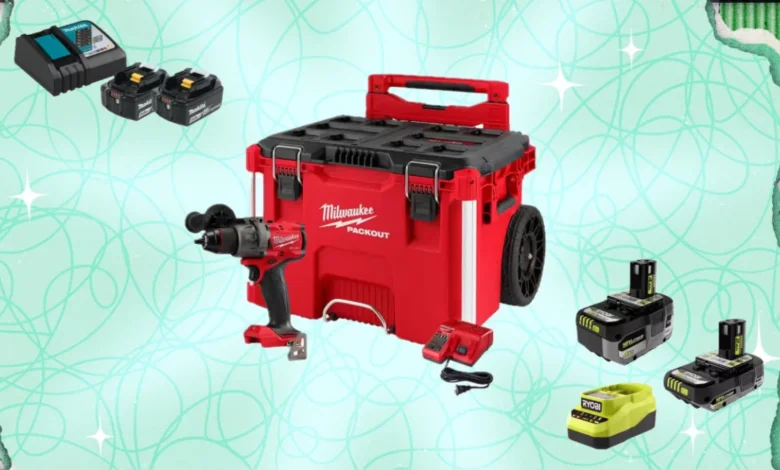
As the 2026 holiday shopping season shifts into high gear, The Home Depot has officially launched its highly anticipated Black Friday promotional cycle, headlined by an extensive "Buy One, Get One" (BOGO) event targeting professional contractors and serious DIY enthusiasts alike. For those looking to upgrade their power tool inventory, this period represents the most aggressive pricing window of the calendar year. By pairing essential battery starter kits from industry-leading brands—including Ryobi, DeWalt, Makita, and Milwaukee—with a selection of complimentary professional-grade tools, the retailer is attempting to capture a significant share of the home improvement market before the close of the fiscal year.
Understanding the Mechanics of the 2026 BOGO Promotion
The structure of this year’s promotion is designed to maximize the value proposition for users already invested in specific battery ecosystems. The process is straightforward: customers select a qualifying battery starter kit—which includes the batteries and a charger—and are then prompted to choose a secondary, "free" tool from a curated list.
At checkout, the retail price of the additional tool is automatically deducted from the total, marked as "SAVINGS" on the receipt. This model serves two strategic purposes for The Home Depot: it incentivizes customers to commit to a specific brand’s battery platform while simultaneously clearing inventory to make space for the next generation of power tools scheduled for release in the spring of 2027.
While the promotion is standardized, the value varies by brand. Ryobi, often positioned as the entry-level or DIY-friendly option, provides the lowest barrier to entry in terms of upfront cost. However, the included batteries are generally lower in capacity. Conversely, premium brands like DeWalt and Makita offer higher-voltage, more robust battery technology, which justifies a higher entry price. For instance, the DeWalt Starter Kit, priced at $199, allows customers to select premium items like the Atomic 20V Max impact wrench—a tool valued at $239—effectively providing the consumer with a high-performance tool for less than the cost of the batteries alone.
Chronology and Timing of Holiday Tool Sales
The timing of these promotions is not coincidental. Retailers in the home improvement sector follow a well-established seasonal cadence. The "Golden Quarter" (October through December) is characterized by a surge in consumer spending, and hardware retailers utilize this period to move high-volume units.
Historically, the timeline for these sales begins in early November with "Early Black Friday" previews. By mid-November, the full scope of the BOGO offers is typically revealed. The week leading up to Black Friday—this year falling on November 27—marks the peak intensity of these sales, often accompanied by "Flash Deals" that fluctuate in availability.
Following the Black Friday window, retailers often transition into "Cyber Week" deals, followed by final inventory liquidations in late December. The second-most significant window for tool purchasing occurs in May and June, coinciding with Father’s Day promotions. Understanding this cycle is critical for consumers; waiting for the holiday season remains the most reliable strategy for achieving the lowest price point on major power tool brands.

Comparative Brand Analysis and Market Positioning
Market analysts note that the competition between major retailers, particularly The Home Depot and Lowe’s, remains the primary driver of these aggressive discounts. A brief analysis of current market trends shows that while both retailers offer seasonal sales, their inventories are segmented to appeal to different segments of the trade.
- Milwaukee and DeWalt: These brands remain the heavyweights for professional-grade, cordless equipment. Home Depot’s current strategy highlights deep discounts, in some cases reaching 65% off, specifically on Milwaukee cordless sets.
- Ryobi: Generally considered the most accessible brand for casual DIYers, Ryobi’s BOGO offers are designed to encourage a transition from corded tools to a unified cordless ecosystem.
- Makita: Often favored for ergonomic design and high-precision engineering, Makita’s inclusion in the BOGO event—though with a smaller selection of free tools—remains a significant draw for professionals who prioritize long-term tool longevity.
When comparing Home Depot’s offerings to competitors like Lowe’s, consumers should note that while Home Depot currently leads in deep-discount cordless sets, Lowe’s continues to maintain a strong position in hand tools, particularly through its proprietary Craftsman line. The divergence in these specializations means that shoppers are encouraged to perform a cross-comparison before finalizing high-ticket purchases.
Strategic Implications for the Consumer
For the average consumer, the primary implication of the 2026 Black Friday cycle is the necessity of "ecosystem thinking." Because modern power tools are built around proprietary battery platforms, the initial purchase of a starter kit is effectively a long-term contract with that brand.
Before committing to a purchase, experts advise evaluating the following factors:
- Current Inventory: Do you already possess batteries for a specific brand? If so, the BOGO deals are most effective when they allow you to expand your collection within that existing system.
- Usage Intensity: Are you a professional who requires high-torque, long-lasting batteries, or a hobbyist who benefits from the lower weight and cost of entry-level systems?
- Future Compatibility: Check if the starter kit batteries are compatible with the future tools you anticipate needing. Most manufacturers, such as Milwaukee and DeWalt, maintain backward compatibility within their 18V or 20V lines, but cross-brand compatibility is non-existent.
The Broader Economic Context
The retail environment for 2026 reflects a broader trend of "value-oriented consumption." As inflation and supply chain logistics have stabilized compared to the volatility of the early 2020s, retailers have regained the ability to forecast demand more accurately. This has allowed for the return of more traditional, predictable holiday sales cycles.
Furthermore, the focus on "Starter Kits" as the vehicle for these discounts suggests a strategy focused on customer retention. By providing a "free" tool, the retailer is effectively ensuring that the customer will return to their store for future peripheral purchases—such as additional batteries, replacement blades, or tool accessories—that are brand-specific.
Final Recommendations for Shoppers
To maximize savings during this period, consumers should treat the event as a tactical mission rather than a browsing exercise. The chaotic nature of Black Friday retail environments, both online and in-store, rewards preparation.
- Price Tracking: Utilize online price-tracking tools to verify that a "discounted" price is indeed lower than the rolling average of the preceding months.
- Inventory Verification: Because BOGO deals are often limited to specific, pre-selected inventory, ensure that the "free" tool you desire is part of the specific starter kit bundle you intend to purchase.
- Platform Loyalty: If you are unsure which brand to choose, consider renting or borrowing tools from different brands to test the ergonomics before committing to the ecosystem during a major sale.
As the retail sector moves toward the close of 2026, the battle for the home improvement dollar is as fierce as ever. By leveraging these BOGO opportunities, consumers can build a comprehensive workshop at a fraction of the cost, provided they navigate the promotional landscape with a clear understanding of their own project needs and the long-term commitment each battery ecosystem entails.