The Ninth Malaysia International Film Festival Kicks Off, Garnering ASEAN Records Recognition

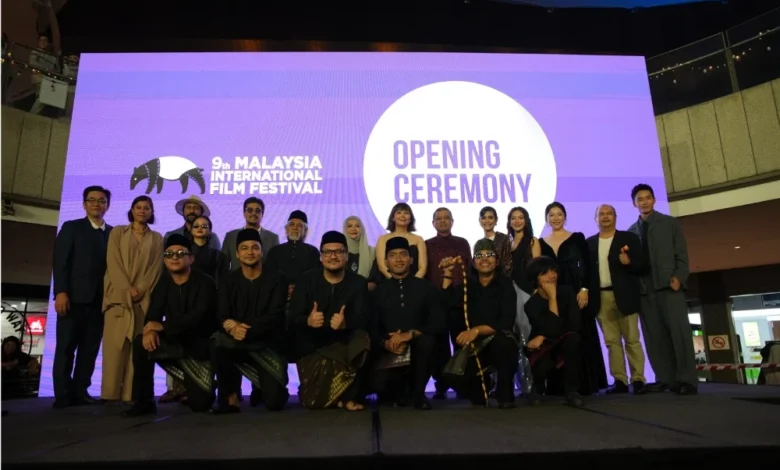
The ninth Malaysia International Film Festival (MIFFest) officially commenced on July 18th at the MyTown Shopping Centre, heralding an eight-day celebration of global cinematic achievements. This year’s edition is particularly significant, marked by its official recognition from ASEAN Records, a testament to the festival’s growing influence and commitment to fostering Southeast Asian cinema. The opening ceremony itself was a star-studded affair, drawing a distinguished assembly of filmmakers, influential industry figures, and celebrated actors who graced the red carpet before the evening’s program unfolded.
"Resonance": The Guiding Theme of MIFFest 2024
At the heart of the opening ceremony was the articulation of MIFFest’s 2024 theme, "Resonance," by festival founder and president, Joanne Goh. In her welcome address, delivered alongside the festival’s esteemed ambassadors – actor Bront Palarae, singer-actress Daiyan Trisha, and actor Jack Tan – Goh elaborated on the profound meaning behind this central concept. "This year, our theme is Resonance," Goh stated. "Resonance is the lasting echo of a story. It is the emotion that remains long after the credits roll, the conversations that continue beyond the cinema, and the connections that film creates across cultures, generations, and borders." This theme underscores MIFFest’s ambition to transcend mere entertainment, aiming to cultivate enduring impact and foster meaningful dialogue through the powerful medium of film.
Official Endorsement and Support for the Creative Industry
The event was further graced by the presence of prominent figures from Malaysia’s tourism and cultural sectors, underscoring the government’s endorsement of MIFFest’s role in national development. Datuk Manoharan Periasamy, chair of Tourism Malaysia, addressed the audience, reaffirming the organization’s unwavering support for MIFFest’s contributions to strengthening the country’s creative industry and advancing cultural diplomacy. Also in attendance were Datuk Bahria Mohd Tamil, deputy secretary general (strategic communications and creative industry) at the Ministry of Communications, and Datuk Azmir Saifuddin Mutalib, CEO of the National Film Development Corporation Malaysia (FINAS). Their presence highlighted the collaborative efforts being made to elevate Malaysia’s standing on the global film stage. During the ceremony, Goh presented tokens of appreciation to the festival ambassadors, acknowledging their crucial role in promoting the event and its cinematic vision.
ASEAN Records Recognition: A Milestone for Southeast Asian Cinema
A pivotal moment of the evening was the official presentation of the ASEAN Records title to MIFFest. This prestigious recognition was bestowed upon the festival for its innovative ASEAN On Screen platform and its Malaysia Golden Global Awards (MGGA) program, acknowledging them as enduring pillars for Southeast Asian cinema. Joanne Goh accepted the award on behalf of the festival, expressing her gratitude and reiterating the vision behind these initiatives. "When we introduced ASEAN On Screen, our vision was to create a lasting platform where the stories of Southeast Asia could be celebrated, discovered, and shared with the world," Goh remarked. "Through cinema, we hope to continue connecting our diverse voices with international audiences and inspiring future generations of storytellers."
The ASEAN On Screen initiative, launched in 2025 during Malaysia’s chairmanship of ASEAN, has rapidly evolved into a permanent and integral part of MIFFest’s annual programming. This program serves as a crucial conduit for showcasing the rich tapestry of cinematic narratives from across the ASEAN region, fostering cross-cultural understanding and collaboration. The ceremony also took the opportunity to acknowledge the diligent work of the festival’s preliminary selection committee and the esteemed jury panels responsible for the semi-final and final stages of the competition, recognizing their commitment to curating a high-caliber cinematic experience.
"Baga: Tomorrow Belongs To No One" Opens the Festival with a Powerful Narrative
Following the impactful opening ceremony, attendees transitioned to GSC MyTown for the highly anticipated world premiere of the festival’s opening film, "Baga: Tomorrow Belongs To No One." Directed by Ariff Zulkarnain, the film offers a poignant and unflinching portrayal of life in a devout fishing community on Malaysia’s East Coast. The narrative centers on Jani and Melur, two young lovers whose dreams for the future are dramatically derailed by an unplanned pregnancy, the crushing weight of poverty, and the pervasive grip of addiction. These circumstances force Jani down a perilous path into the drug trade, exploring themes of desperation, societal pressures, and the struggle for survival. Director Zulkarnain drew deeply from his personal upbringing to imbue the story with authenticity and emotional resonance.
The delegation for the opening film was led by its executive producer, Shafiq Yusof, alongside director Zulkarnain and prominent Malaysian actor Syafiq Kyle, who stars in the film. They were joined by Cambodian actress Sarita Reth, adding an international dimension to the premiere. The esteemed guests also included actor-director Nam Ron, actress June Lojong, and a host of other luminaries from the Malaysian and international film fraternity, underscoring the significance of "Baga: Tomorrow Belongs To No One" as a compelling cinematic statement.
A Diverse Cinematic Landscape: Beyond the Opening Night
MIFFest 2024 promises a richly diverse cinematic journey, extending far beyond its opening night selection. The festival is set to feature a robust program that caters to a wide spectrum of film enthusiasts and industry professionals. A notable highlight is the inclusion of Russian Film Week, a collaborative effort presented in partnership with the Ministry of Culture of the Russian Federation, Roskino, and Mosfilm. This strand will offer free screenings of four select Russian films, providing a unique opportunity for audiences to engage with the cinematic heritage and contemporary output of Russia.
In addition to the widely celebrated ASEAN On Screen program, which continues to champion regional voices, MIFFest will also present "Hong Kong Cinema in Flux," an exploration of the evolving landscape of Hong Kong filmmaking. The festival will also delve into the vibrant and dynamic world of Indian cinema with "New Rhythms of Indian Cinema," showcasing contemporary trends and artistic innovations. Furthermore, the "Open Air Cinema" series will offer a more relaxed and accessible viewing experience, while a series of insightful masterclasses and engaging industry forums will provide invaluable platforms for learning, networking, and professional development. These diverse strands collectively highlight MIFFest’s commitment to presenting a comprehensive and globally-aware cinematic panorama.
MIFFest’s Role in Cultural Diplomacy and Economic Impact
The official recognition from ASEAN Records is not merely a symbolic gesture; it signifies MIFFest’s tangible impact on regional cultural exchange and its growing importance as a platform for soft diplomacy. By bringing together filmmakers, industry professionals, and audiences from across Southeast Asia and beyond, MIFFest fosters a deeper understanding and appreciation of diverse cultural perspectives. This cross-cultural dialogue is essential in building bridges and promoting harmony in an increasingly interconnected world.
From an economic standpoint, festivals like MIFFest play a crucial role in boosting the creative industry. They attract investment, create employment opportunities for artists, technicians, and support staff, and stimulate local economies through tourism and hospitality. The success of MIFFest contributes to Malaysia’s reputation as a vibrant hub for film production and exhibition, potentially drawing international film projects and further bolstering the nation’s creative output. The ongoing support from government bodies like Tourism Malaysia and FINAS underscores the strategic importance placed on the film sector as a driver of cultural and economic growth.
Looking Ahead: The Enduring Echo of "Resonance"
As the festival progresses through July 25th, the theme of "Resonance" is expected to find its echo in the diverse stories presented, the discussions held, and the connections forged. MIFFest’s commitment to showcasing both established and emerging talents, from Malaysia and across the globe, ensures that it will continue to be a vital platform for cinematic discovery and cultural dialogue. The ASEAN Records recognition serves as a powerful endorsement of the festival’s journey thus far and a promising indicator of its future trajectory in shaping the narrative landscape of Southeast Asian cinema. The lasting impact of the films, the conversations sparked, and the collaborations initiated will undoubtedly resonate long after the closing credits of the ninth MIFFest.