The Best Tech Deals of July 2026 Feature Significant Discounts on Samsung Flagships Apple Ecosystem Products and Advanced Smart Home Robotics

The final week of July 2026 has emerged as a pivotal moment for the consumer electronics market, characterized by a rare convergence of major product launches, aggressive back-to-school promotions, and significant inventory clearances. Following the high-profile Samsung Galaxy Unpacked event earlier this month, retailers have initiated a series of competitive pricing strategies designed to capture consumer interest during the mid-summer shopping lull. Industry analysts note that this period is increasingly becoming a "second Black Friday," as brands like Apple, Samsung, and Microsoft leverage deep discounts and high-value bundles to secure market share ahead of the fourth-quarter holiday rush.
The Samsung Galaxy Ecosystem: A Strategic Launch Strategy
Samsung’s 2026 product rollout has been defined by a heavy emphasis on artificial intelligence integration and hardware durability. The recent announcement of the Galaxy Z Fold 8, Z Fold 8 Ultra, and Z Flip 8 has shifted the mobile landscape, prompting retailers to offer unprecedented pre-order incentives. Amazon and other major vendors are currently providing gift cards valued at up to $350 for customers who commit to the eighth-generation foldables before their official retail release.
The Galaxy Z Fold 8 and its Ultra counterpart represent Samsung’s most refined attempt at the foldable form factor to date. These devices feature the latest iteration of Galaxy AI, designed to enhance productivity through real-time translation and advanced photo editing. Simultaneously, the Samsung Galaxy S25+ has seen a substantial price correction. Following the Unpacked event, the S25+ is currently retailing at $699.99, a $300 reduction from its original $999.99 price point. This pricing maneuver places the "Plus" model at a lower cost than the standard base model S25, effectively incentivizing consumers to opt for the larger display and superior battery capacity of the mid-tier flagship.
In the wearable sector, the Samsung Galaxy Watch 9 and the Galaxy Watch Ultra 2 have introduced significant hardware upgrades. The Watch Ultra 2, designed to compete directly with high-end rugged fitness trackers, features a 47mm face with a 5,000-nit AMOLED display—a significant jump from the previous 3,000-nit standard. Powered by Qualcomm’s Snapdragon Wear Elite chip, the device is optimized for AI-driven health metrics. Pre-order bundles for these wearables currently include Amazon gift cards ranging from $50 to $100, providing a net-cost reduction for early adopters.
Apple’s Back-to-School Dominance and Audio Upgrades
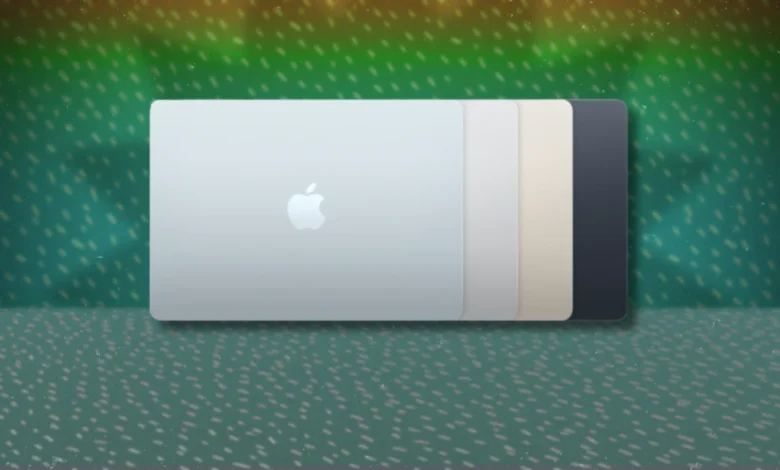
Apple has traditionally utilized the July-August window to solidify its presence in the education sector. The 2026 back-to-school promotion offers a multi-layered discount structure for students, faculty, and staff. Eligible purchasers can receive up to a $150 Apple Gift Card when buying a MacBook Pro, or $100 for a MacBook Air, iPad Air, or iPad Pro. When combined with the standard 10% educational discount, the total savings represent some of the most significant price drops for current-generation Apple silicon devices.
The audio category has also seen notable movement with the first major discount on the AirPods Max 2. Currently priced at $449.99—a $100 decrease from the MSRP—the second-generation over-ear headphones feature the H2 chip and a new dynamic range amplifier. This price point is particularly significant as Apple seeks to maintain its lead in the premium personal audio market against stiff competition from Sony and Bose. Market data suggests that the AirPods Max 2’s performance in spatial audio and noise cancellation continues to be a primary driver for iOS ecosystem loyalty.
Computing and the Productivity Bundle War
Microsoft has responded to Apple’s educational push with a high-value hardware bundle targeting professional and academic users. The current promotion offers the Sony WH-1000XM6 headphones—valued at approximately $450—free of charge with the purchase of specific Surface Pro tablets or Surface Laptops (13.8-inch and 15-inch models).
The Sony WH-1000XM6, widely regarded as the premier noise-canceling headphones of 2026, adds a substantial value proposition to the Surface line. Analysts suggest this bundle is a direct attempt to bridge the "ecosystem gap" for users who may be considering a switch from macOS to Windows. The Surface Pro’s versatility as a tablet-laptop hybrid, combined with top-tier audio hardware, positions Microsoft strongly for the 2026-2027 academic year.

The Evolution of Outdoor and Smart Home Automation
The smart home sector has moved beyond simple indoor vacuums into the complex arena of autonomous lawn maintenance. A standout deal this week involves the Neomow X SE Robot Lawn Mower, which is currently available for $1,499 following a $700 discount. This device highlights a significant shift in outdoor robotics: the move away from physical perimeter wires toward 3D LiDAR and AI-based vision systems.
The Neomow X SE utilizes mapping technology similar to that found in autonomous vehicles, allowing it to navigate complex landscaping and avoid obstacles in real-time. With an IPX5 waterproof rating and the ability to climb 1.6-inch obstacles, the mower represents the maturation of the "robot-as-a-service" model for home maintenance. The inclusion of GPS anti-theft tracking and 4G connectivity reflects a broader trend in 2026 where outdoor appliances are becoming as connected and secure as indoor computing devices.
E-Reader Stability and the Fitness Tracker Market
Despite the ubiquity of multi-functional tablets, the dedicated e-reader market remains robust. The 2024 Kindle Paperwhite has reached its lowest historical price point, with the 16GB model retailing for $124.99 and the 32GB version for $144.99. The 2024 iteration features a larger seven-inch display and improved page-turn speeds, maintaining its IPX8 waterproof rating. The longevity of the Kindle brand is attributed to its E-ink technology, which continues to be the preferred choice for long-form reading due to reduced eye strain compared to LCD or OLED screens.
In the fitness category, Garmin continues to challenge the smartwatch hegemony of Apple and Samsung by focusing on specialized athletic metrics and battery endurance. The Garmin Forerunner 55, often cited as the gold standard for entry-level runners, has dropped to $129. This 35% discount targets the "value-conscious athlete" segment. Unlike general-purpose smartwatches, the Forerunner series emphasizes physiological data, recovery time, and GPS accuracy, catering to a demographic that prioritizes performance tracking over app ecosystems.
Chronology of 2026 Summer Tech Trends
The current pricing landscape is the result of a specific sequence of events that began in early Q2:
- May 2026: Initial rumors of the Sony WH-1000XM6 release caused a temporary price drop in previous models, setting the stage for the current Microsoft bundle.
- June 2026: Apple launched its early Back-to-School initiatives, forcing competitors to adjust their July promotional calendars.
- July 10, 2026: Samsung Galaxy Unpacked introduced the Z8 series and Watch Ultra 2, triggering immediate pre-order incentives across major retailers like Amazon and Best Buy.
- July 20, 2026: Major retailers initiated "Black Friday in July" sales to clear out 2025 inventory, specifically affecting the Kindle and Garmin product lines.
- July 24, 2026: Current price floors were reached for the AirPods Max 2 and the Samsung Galaxy S25+, marking the peak of the summer discount cycle.
Market Implications and Economic Analysis
The aggressive discounting seen this week reflects broader economic trends in the tech industry. With consumer upgrade cycles for smartphones extending to three or four years, manufacturers are forced to use high-value incentives—such as gift cards and premium bundles—to trigger purchases.
Furthermore, the integration of AI into almost every hardware category has created a "technological fork" in the market. Older devices that lack the NPU (Neural Processing Unit) capacity for local AI workloads are being discounted more heavily to make room for "AI-ready" hardware. This is evident in the $300 drop for the S25+ and the incentives surrounding the Snapdragon Wear Elite-powered Galaxy watches.
For the consumer, the current market offers a unique opportunity to acquire high-end technology at mid-range prices. However, industry experts caution that these deals are often transient. As the August back-to-school peak approaches, inventory for popular models like the MacBook Air and Kindle Paperwhite is expected to tighten, likely leading to a stabilization or slight increase in prices before the traditional November sales.
In conclusion, the final week of July 2026 stands as a high-water mark for consumer value. Whether in the form of autonomous lawn care, foldable mobile computing, or high-fidelity audio, the convergence of technological innovation and competitive retail strategy has created a prime environment for strategic tech acquisitions. Consumers are advised to utilize price-tracking tools to verify the historical significance of these discounts, as the market prepares for the next major shift in the autumn release cycle.
Related posts: