Mara Brock Akil’s Writer’s Colony Selects Four Emerging Talents for Spring Cohort

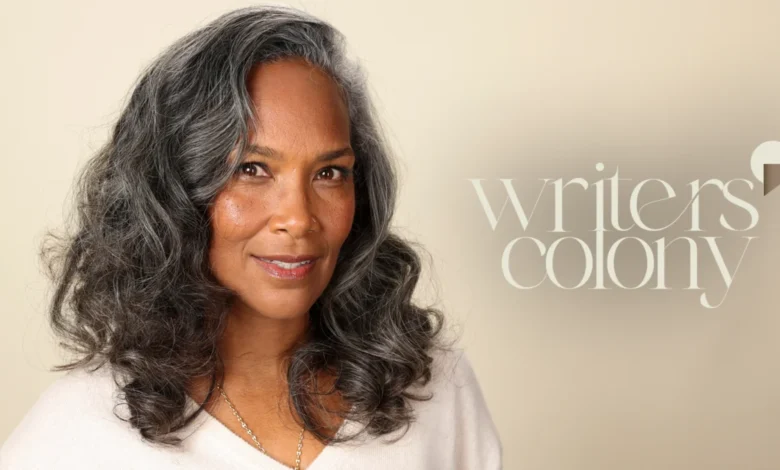
Mara Brock Akil’s Writer’s Colony has announced the selection of its Spring 2026 cohort, welcoming four promising emerging writers who will participate in the intensive three-month screenwriting residency. The program, scheduled to run from March 18 to June 6, is dedicated to nurturing new voices and providing them with the essential tools and industry exposure needed to thrive in the competitive world of scripted television. This initiative underscores Brock Akil’s commitment to fostering diversity and inclusion within the entertainment landscape, offering a crucial stepping stone for writers who are poised to break into writers’ rooms but may lack the established pathways.
The distinguished Spring cohort comprises a diverse group of talents, each bringing a unique background and perspective to the program. LA-based comedian, actor, and writer Jordan Rock, known for his sharp wit and observational humor, is set to contribute his comedic voice to the residency. He is joined by Domonic Diaz-Smith, a USC graduate whose comedic writing has already earned him accolades, including the Warner Bros./truTV Comedy Writer’s Award, signaling a strong potential for impactful storytelling. Porscha Williams, an optioned screenwriter, brings a keen insight into social dynamics, utilizing her sharp wit to craft narratives that resonate with contemporary audiences. Rounding out the cohort is Corinthian Maldonado, whose journey to screenwriting is particularly compelling. A former U.S. Air Force public health specialist, Maldonado discovered his passion for storytelling while serving overseas, an experience that promises to infuse his work with a distinct and valuable perspective.
A Program Rooted in Cultivating New Talent
The Writers’ Colony, founded by acclaimed showrunner Mara Brock Akil in 2021, operates as a vital incubator for aspiring screenwriters. Situated in West Adams, Los Angeles, adjacent to Brock Akil’s own story27 Productions company, the residency provides a dedicated and supportive environment for writers to develop original scripts that reflect their unique experiences and visions. Over the course of the three-month program, participants engage in hands-on workshops, receive mentorship, and benefit from invaluable networking opportunities with seasoned industry professionals. The program’s core mission is to bridge the gap for writers who have yet to secure a place in professional scripted television writers’ rooms, thereby democratizing access and empowering the next generation of storytellers.
This year’s cohort benefits from a significant partnership with Netflix, which provides crucial support for the residency. This collaboration amplifies the program’s reach and resources, enabling it to offer an even more impactful experience for the selected writers. The support from Netflix signifies a broader industry recognition of the importance of cultivating emerging talent and investing in diverse storytelling. The residency’s structure is designed to be both intensive and collaborative, fostering an environment where writers can refine their craft, receive constructive feedback, and build a robust professional network.
Leadership and Vision: Welcoming Karen Horne
Adding significant expertise to the program’s leadership, Karen Horne has been appointed as Executive Director of The Writers’ Colony. Horne’s extensive career in championing diversity and inclusion within the entertainment industry makes her an ideal fit for this role. As the former Senior Vice President of Diversity, Equity & Inclusion, North America at Warner Bros., she has a proven track record of elevating underrepresented voices and creating pathways for talent. Her prior experience at prominent media companies such as NBCUniversal, Nickelodeon, and The Walt Disney Company further solidifies her deep understanding of the industry and her commitment to fostering a more inclusive future.
Horne expressed her enthusiasm for her new role and the incoming cohort, stating, “I am honored and excited to welcome a new class of cohorts this spring. Through our search and submission process, we’ve identified a group of writers whose strong voices and creative talents align with The Writers’ Colony’s mission of providing a dedicated space for their stories to be told. Through mentorship and increased exposure, we aim to provide an interactive and creative environment for this group of emerging writers.” Her appointment signifies a strategic expansion of the program’s capacity to mentor and guide aspiring writers, leveraging her decades of experience in DEI initiatives and talent development.
Mara Brock Akil, the visionary behind The Writers’ Colony, also shared her pride in the program’s continued impact. “I’m incredibly proud of the impact the Writer’s Colony has made, and I’m excited to continue its commitment to supporting underrepresented emerging writers by providing the exposure, access and tools they need to grow and succeed in this industry,” she remarked. This sentiment highlights the personal investment and dedication Brock Akil brings to nurturing talent, drawing from her own successful career to guide others.

A Legacy of Cultivating Talent
The Writers’ Colony has a growing legacy of supporting writers who go on to make significant contributions to the industry. Previous cohorts have included notable talents such as Duran Jones, Dorado Quick, Shahari Moore, and Sunny Dae. The most recent Winter 2024 cohort featured James Ward III, Emma Michalak, Amber Jay, and Luis Santos, demonstrating a consistent track record of identifying and developing promising individuals. These alumni serve as testaments to the program’s effectiveness in providing a crucial launchpad for aspiring screenwriters.
The program’s three-month duration is strategically designed to allow writers ample time to immerse themselves in their projects, receive in-depth feedback, and engage in meaningful dialogue with industry professionals. The focus on developing an original script ensures that each writer’s unique voice and perspective are at the forefront, encouraging authenticity and innovation in their storytelling. This immersive experience is crucial for writers looking to transition from emerging talent to established professionals.
The Broader Implications for Hollywood
The establishment and continued success of initiatives like Mara Brock Akil’s Writer’s Colony carry significant implications for the broader entertainment industry. In an era where diversity and authentic representation are increasingly demanded by audiences and recognized as crucial for creative vitality, programs that actively seek out and support underrepresented voices are more vital than ever. The presence of individuals like Jordan Rock, Domonic Diaz-Smith, Porscha Williams, and Corinthian Maldonado, each with distinct backgrounds and artistic sensibilities, suggests a deliberate effort to broaden the spectrum of stories being told and the perspectives from which they are told.
The partnership with Netflix further underscores a growing trend among major studios and streamers to invest in pipeline programs. This investment is not merely philanthropic; it is a strategic move to ensure a steady stream of fresh, innovative, and diverse creative talent that can meet the evolving demands of a global audience. By providing a structured environment for development, these programs help mitigate the risks associated with identifying and nurturing unproven talent, ultimately enriching the content landscape.
The inclusion of former military personnel like Corinthian Maldonado highlights the program’s commitment to looking beyond traditional creative pathways. This expansion of the talent pool can introduce novel narrative perspectives and experiences that might otherwise remain untapped. Similarly, the focus on comedians and writers with established accolades, such as Jordan Rock and Domonic Diaz-Smith, acknowledges the fluid boundaries between different forms of performance and writing, recognizing the transferable skills and unique insights they bring to screenwriting.
The strategic appointment of Karen Horne as Executive Director reinforces the program’s dedication to systemic change. Her extensive background in diversity and inclusion initiatives means that the mentorship and guidance provided within The Writers’ Colony are likely to be informed by a deep understanding of the challenges faced by marginalized writers and the best practices for overcoming them. This leadership ensures that the program’s mission is not only aspirational but also grounded in actionable strategies for success.
As The Writers’ Colony continues to grow and evolve, its impact extends beyond the individual writers it supports. It contributes to a larger conversation about who gets to tell stories and how those stories are told, pushing the industry towards a more equitable and representative future. The success of this program, and others like it, will be measured not only by the careers launched but also by the diversity of voices that ultimately shape the narratives we see on screen. The Spring 2026 cohort represents another important chapter in this ongoing evolution, promising to bring fresh perspectives and compelling stories to the forefront of the entertainment industry.