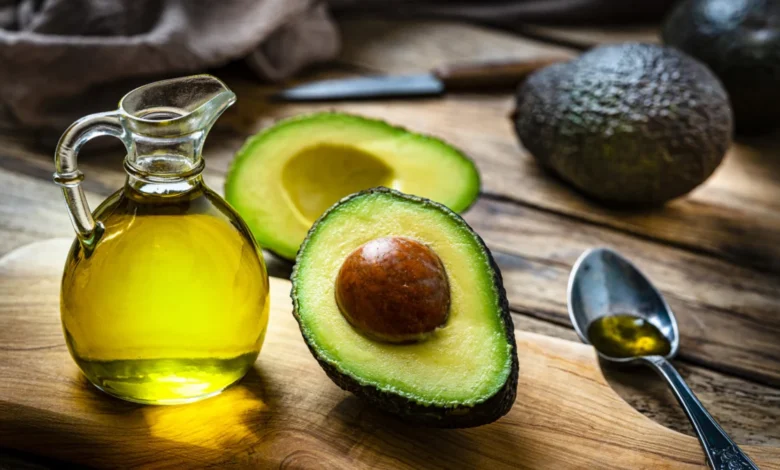
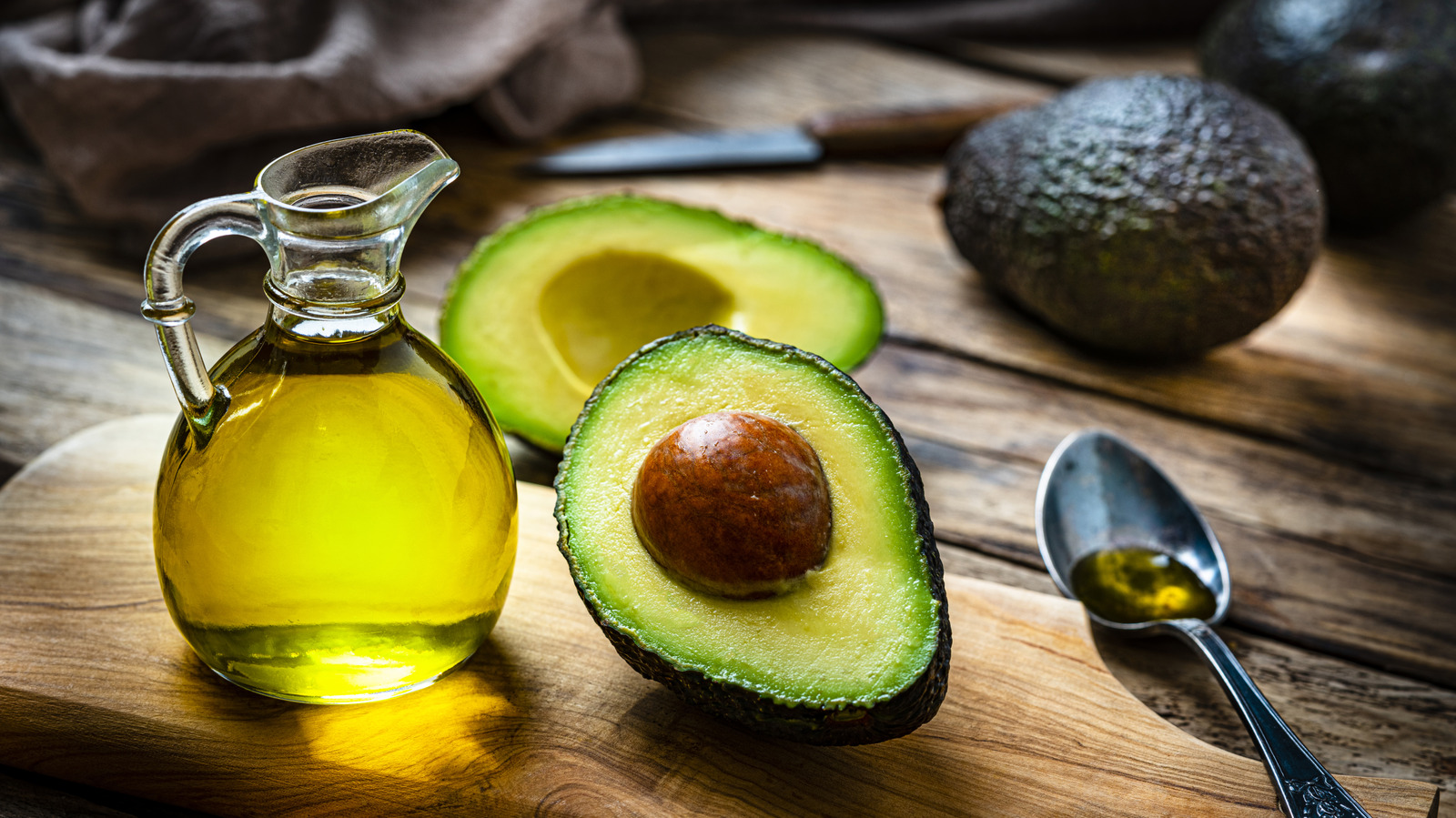
As avocado oil has surged in popularity due to its high smoke point and heart-healthy monounsaturated fat profile, it has become a lucrative target for food fraud. A landmark 2026 study published in the peer-reviewed journal Applied Food Research has sent shockwaves through the health food industry, revealing that the vast majority of products labeled as being "made with avocado oil" do not actually contain the pure ingredient promised on the packaging.
The Scope of the 2026 U.C. Davis Study
The study, led by Selina Wang, a professor of food science at the University of California, Davis, meticulously analyzed 54 different food products that prominently featured avocado oil as a primary ingredient or as the sole oil used in processing. The results were stark: 48 of the 54 products tested—nearly 89%—were found to be chemically inconsistent with pure avocado oil.
Professor Wang, who has become a leading voice in food purity research, noted that the level of inconsistency suggests a systemic issue within the supply chain. The research team utilized advanced chemical profiling to identify the presence of fatty acids and plant sterols. Every oil has a unique "fingerprint" defined by these compounds. Authentic avocado oil is characterized by high levels of oleic acid and specific sterols like beta-sitosterol. However, the samples tested frequently showed elevated levels of linoleic acid and other markers typically associated with much cheaper vegetable oils, such as soybean, corn, or sunflower oil.
The implications are clear: consumers paying a premium for the perceived health benefits of avocado oil are, in many cases, receiving a product diluted with or entirely replaced by the very "seed oils" they are often trying to avoid.
Chemical Disparities and the Role of Adulteration
The primary motivation for this type of food fraud is economic. Avocado oil is expensive to produce, requiring the mechanical extraction of oil from the pulp of the fruit. In contrast, soybean and canola oils are mass-produced through high-heat chemical extraction and cost a fraction of the price. By labeling a product as "Made with 100% Avocado Oil" while actually using a blend, manufacturers can significantly increase profit margins while capitalizing on the "halo effect" of the avocado’s superfood status.
In the U.C. Davis study, researchers tested various items, including mayonnaise, salad dressings, and potato chips. The testing process involved two separate samples of each product to ensure accuracy. Interestingly, the results were not always consistent even within the same brand. One specific brand saw one sample pass as authentic while a second sample failed, suggesting either poor quality control at the manufacturing level or a supply chain where the source of the oil varies from batch to batch.
The Case of Boulder Canyon and RBD Processing
One of the most notable failures in the authenticity testing involved Boulder Canyon kettle chips, a popular brand often marketed to health-conscious snackers. This finding sparked significant discussion online, particularly on platforms like Reddit, where users have long tracked the purity of "clean" snack foods.
In response to inquiries regarding the purity of their oil, a representative for the company previously stated that the chips are cooked in RBD avocado oil. "RBD" stands for Refined, Bleached, and Deodorized. This is a standard industrial process used to increase the smoke point and neutralize the flavor and color of oils. While RBD processing is common, the U.C. Davis researchers clarified that this process should not fundamentally alter the "key fatty acid and sterol authenticity markers."
The study noted that even after laboratory-simulated frying and emulsification, the chemical markers of real avocado oil remain detectable. Therefore, the presence of markers inconsistent with avocado oil in Boulder Canyon products suggests that the issue is not the refinement process itself, but rather the original composition of the oil being used.
A Comparative Look at Olive Oil Purity
While the news regarding avocado oil is discouraging, the 2026 study provided a glimmer of hope for fans of olive oil. In a side-by-side comparison, the researchers also tested several products claiming to be made with olive oil. In this category, the results were significantly better. Only one product showed signs of inconsistency.
Among the success stories were Graza homestyle potato chips. Graza, a brand that has gained a cult following for its "squeezable" olive oil bottles, passed the authenticity test with flying colors. This suggests that the "fake olive oil" crackdowns of the previous decade may have successfully pushed the industry toward greater transparency and stricter quality controls—a transition that the avocado oil industry has yet to complete.
The Regulatory Gap: Why Food Fraud Persists
The prevalence of mislabeled avocado oil can be attributed, in part, to a lack of rigorous federal standards. In the United States, the Food and Drug Administration (FDA) has "Standards of Identity" for many foods, which dictate exactly what a product must contain to be labeled as such (for example, what constitutes "milk" or "cacao"). However, there is currently no formal Standard of Identity for avocado oil.
Without these legal definitions, it is difficult for regulators to crack down on companies that use "avocado oil" as a marketing term rather than a literal ingredient list. Organizations like the Avocado Oil Association have been lobbying for the establishment of these standards to protect both consumers and honest producers who are being undercut by cheaper, fraudulent competitors.
Timeline of the Avocado Oil Controversy
To understand the current state of the market, it is helpful to look at the chronology of recent findings:
- 2020: A preliminary study by U.C. Davis found that 82% of bottled avocado oils tested were either rancid or adulterated with other oils. This was the first major red flag for the industry.
- 2021-2023: As demand for avocado oil grew, several class-action lawsuits were filed against major retailers and brands, alleging that their "100% Pure" claims were false.
- 2024: The Avocado Oil Association began working with researchers to develop a global standard for purity, though adoption remained voluntary.
- 2026: The Applied Food Research study expanded the scope from bottled oils to processed "made with" products, revealing that the problem had permeated the broader snack and condiment market.
Health Implications for the Consumer
For many, the "Made with Avocado Oil" label is more than just a culinary preference; it is a dietary necessity. Consumers following Paleo, Keto, or Whole30 diets often strictly avoid seed oils (like soybean or corn oil) due to their high omega-6 fatty acid content, which some health experts link to systemic inflammation.
When a consumer buys a bag of chips believing they are avoiding inflammatory oils, only to consume a product that is mostly soybean oil, the marketing deception becomes a health concern. Furthermore, the high smoke point of avocado oil (approximately 520°F) makes it safe for high-heat frying. If that oil is actually a blend containing oils with lower smoke points, the oil can break down during the frying process, creating harmful polar compounds and acrylamides.
Identifying Authentic Products
Despite the high failure rate found in the study, some brands are getting it right. The brand Grove, specifically their "AvoYeah!" line of sauces, was highlighted as being consistent across all authenticity tests.
For consumers looking to protect themselves, experts suggest several strategies:
- Price Point: If the price of an avocado oil product seems too good to be true, it likely is. Pure avocado oil is expensive to harvest and process.
- Color and Taste: Pure, unrefined avocado oil should be green and have a slightly nutty, grassy flavor. If it is clear and tasteless, it is either highly refined or potentially adulterated.
- Certifications: Look for third-party purity seals or brands that provide transparency regarding their sourcing and batch testing.
- Simplicity: When possible, buy the oil itself from trusted sources and use it for home cooking rather than relying on processed "made with" snacks.
The Path Forward for the Food Industry
The findings of the 2026 U.C. Davis study serve as a wake-up call for the food industry. As consumer awareness grows, the pressure on manufacturers to provide transparent labeling will likely increase. The path forward involves a combination of stricter FDA oversight, the adoption of universal Standards of Identity, and more rigorous third-party testing at every stage of the supply chain.
For now, the "slippery world" of avocado oil remains a "buyer beware" market. While the "superfood" benefits of avocados are real, the integrity of the products on the shelf is not always guaranteed. As Professor Selina Wang’s research continues to illuminate these discrepancies, the hope is that the avocado oil industry will follow in the footsteps of the olive oil industry, eventually cleaning up its act to ensure that what is on the label is exactly what is in the bottle.