The peak of the summer harvest represents a critical intersection for the agricultural economy and the domestic culinary sector. As temperatures rise and daylight hours extend, the availability of fresh produce—specifically corn, tomatoes, zucchini, strawberries, and stone fruits—reaches its zenith, prompting a shift in consumer behavior toward local farmer’s markets. This seasonal transition is not merely a matter of culinary preference but a significant economic and nutritional phenomenon that supports regional agriculture and promotes sustainable consumption patterns.
Agricultural data indicates that the mid-to-late summer months are the most productive for North American farms. This period, often referred to as "peak season," sees the simultaneous ripening of various crops that form the backbone of the summer diet. For home cooks and professional chefs alike, the challenge lies in utilizing this influx of perishable goods before their nutritional value and flavor profiles begin to degrade.
The Chronology of the Summer Harvest
The availability of summer produce follows a specific chronological progression, beginning with the late spring arrival of berries and greens, and culminating in the heavy harvests of late August.
In the early summer, typically June through early July, strawberries dominate the market. These are often accompanied by early-season greens and herbs like basil and cilantro. As the season progresses into mid-July, the harvest expands to include stone fruits such as peaches and nectarines, alongside the first yields of summer squash and zucchini.
By August, the market reaches what agronomists call the "high harvest." This period is characterized by the peak availability of sweet corn and tomatoes. Unlike many other crops, tomatoes and corn are highly sensitive to temperature and transport; therefore, their quality is significantly higher when sourced from local markets rather than international supply chains. This period also sees the maturation of bell peppers and green beans, providing a diverse palette for seasonal meal preparation.

Economic and Nutritional Impact of Local Sourcing
The resurgence of the farmer’s market as a primary source of nutrition has profound implications for the local economy. According to the United States Department of Agriculture (USDA), there are now over 8,600 farmer’s markets registered in the National Farmers Market Directory, a significant increase from the roughly 1,700 markets recorded in 1994. This growth reflects a consumer trend toward transparency and quality.
From a nutritional perspective, seasonal eating offers distinct advantages. Research suggests that produce harvested at peak ripeness contains higher concentrations of vitamins and antioxidants compared to items picked prematurely for long-distance shipping. For instance, the vitamin C content in broccoli and berries begins to deplete almost immediately after harvest. By purchasing from a local market, consumers reduce the "food miles" associated with their diet, ensuring that the time between the field and the table is minimized.
Furthermore, the environmental impact of this localized system cannot be overstated. The average piece of produce in a conventional supermarket travels approximately 1,500 miles. Reducing this distance lowers the carbon footprint associated with refrigeration and transportation, making the recipes derived from farmer’s market produce a more sustainable choice for the environmentally conscious consumer.
Culinary Applications: Maximizing Peak Produce
To address the abundance of the harvest, culinary experts have developed a range of strategies to incorporate diverse produce into daily meals. These recipes are designed to highlight the natural flavors of the ingredients with minimal intervention.

Salads and Cold Preparations
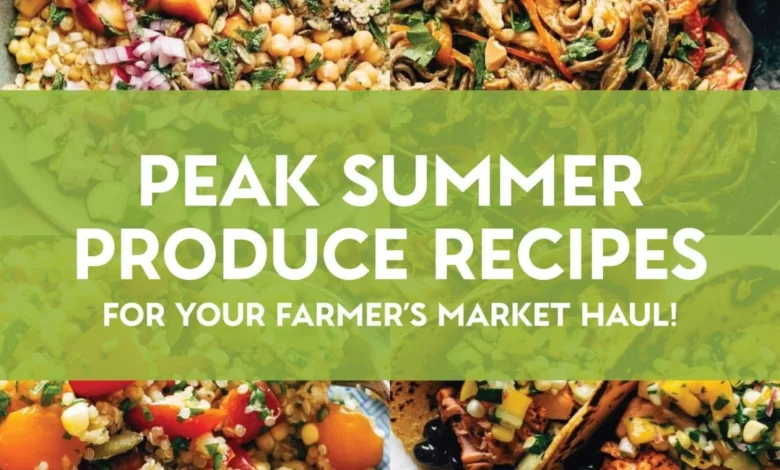
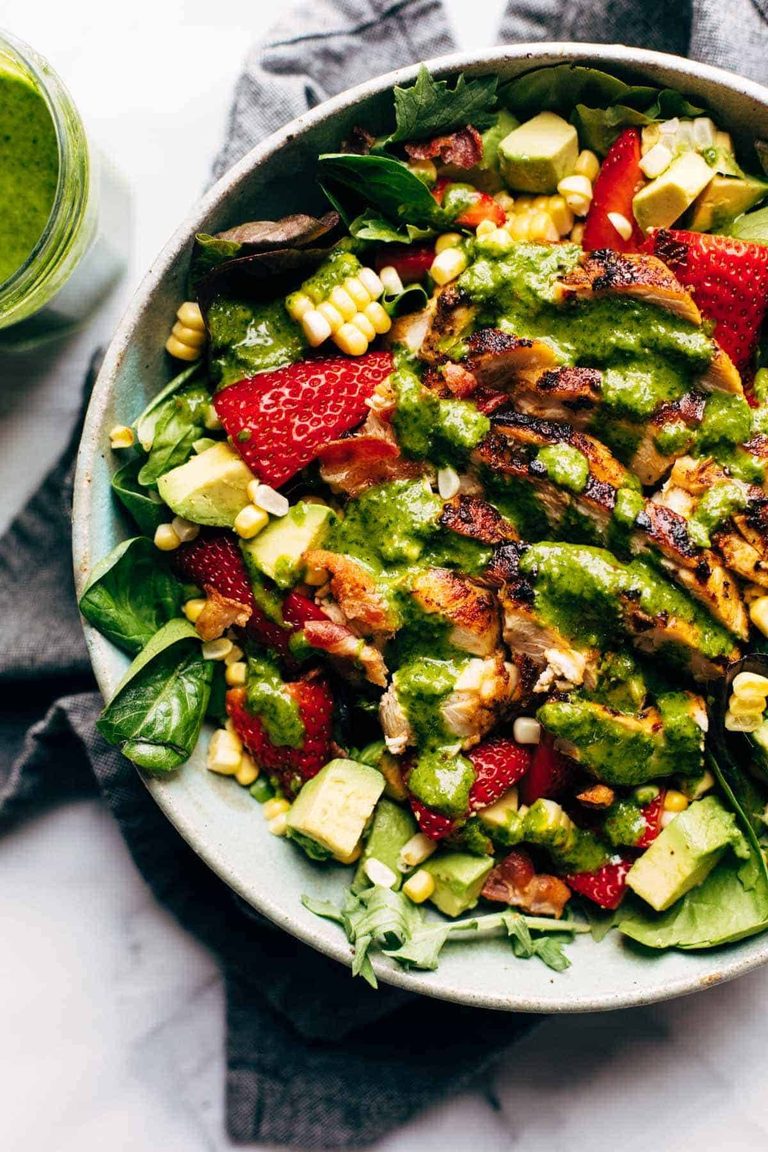
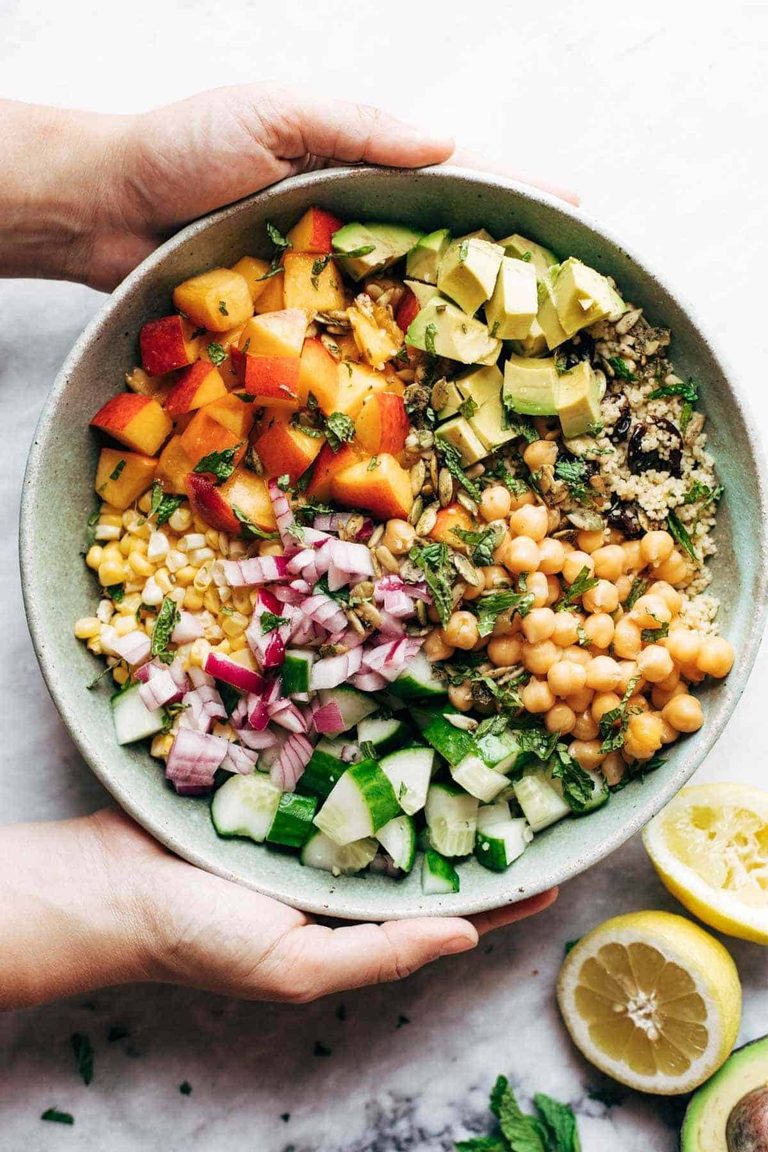
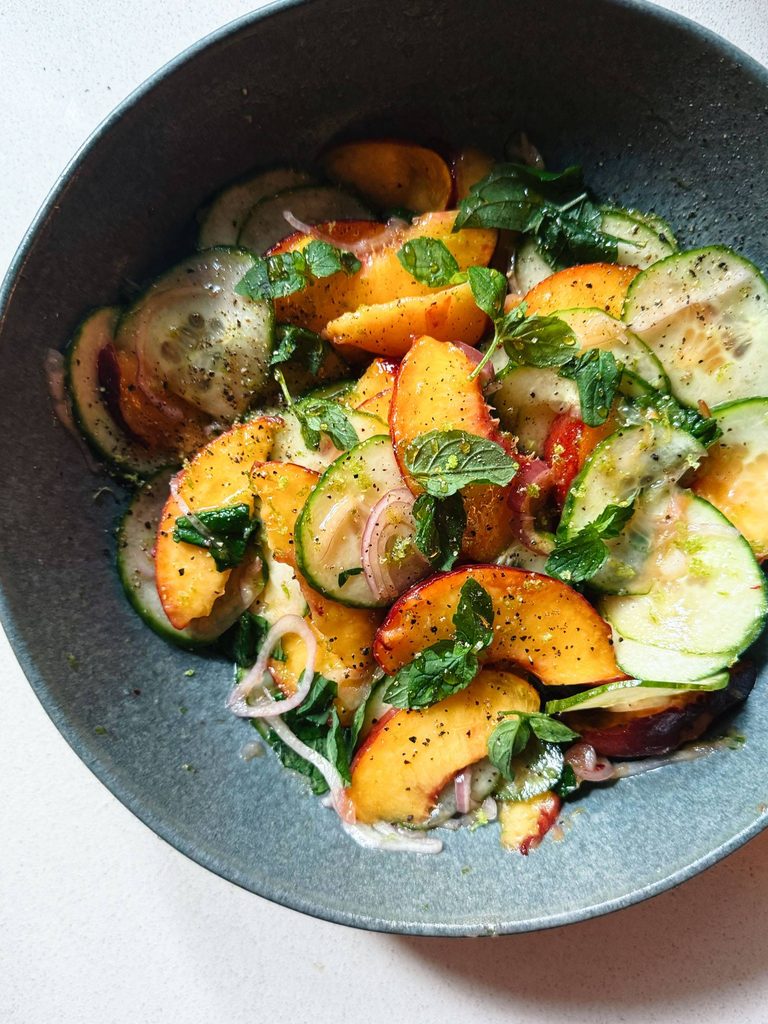
Salads serve as the primary vehicle for high-moisture vegetables like cucumbers and tomatoes. The "Summer Chipotle Chicken Cobb Salad" and the "Couscous Summer Salad" are prime examples of how to integrate sweet corn, strawberries, and nectarines into savory dishes. The inclusion of fruits in salads provides a necessary acidity and sweetness that balances the bitterness of certain greens.
Innovative preparations such as "Pickled Strawberries" on sourdough with goat cheese demonstrate the versatility of berries beyond traditional desserts. Similarly, the "Crispy Rice Salad with Cucumbers and Herbs" utilizes the crunch of fresh cucumbers to provide textural contrast to grains.
Main Courses and Grain Bowls
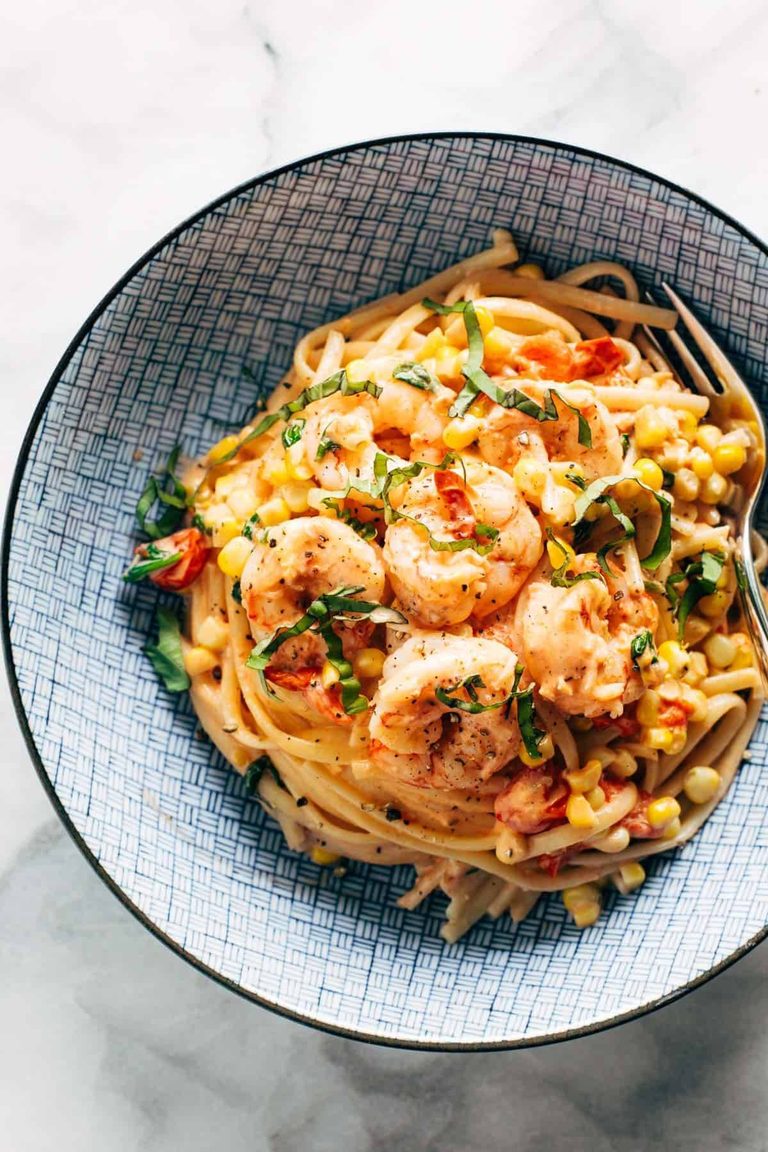
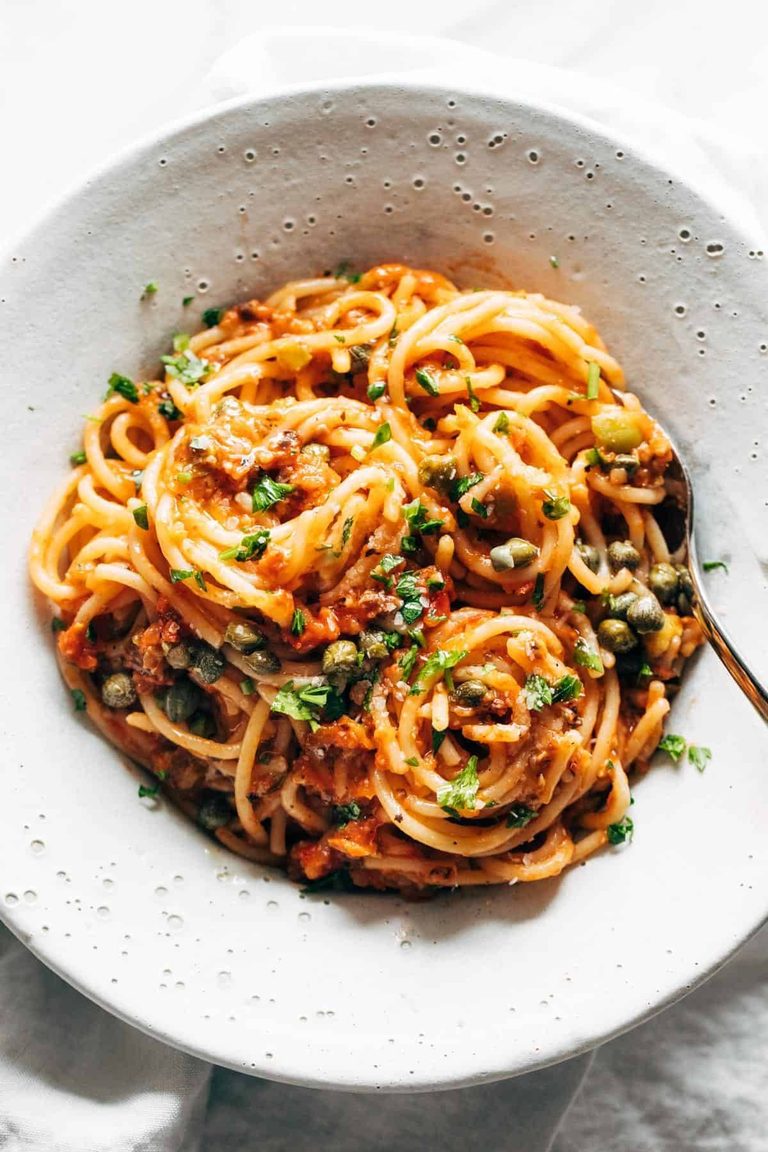
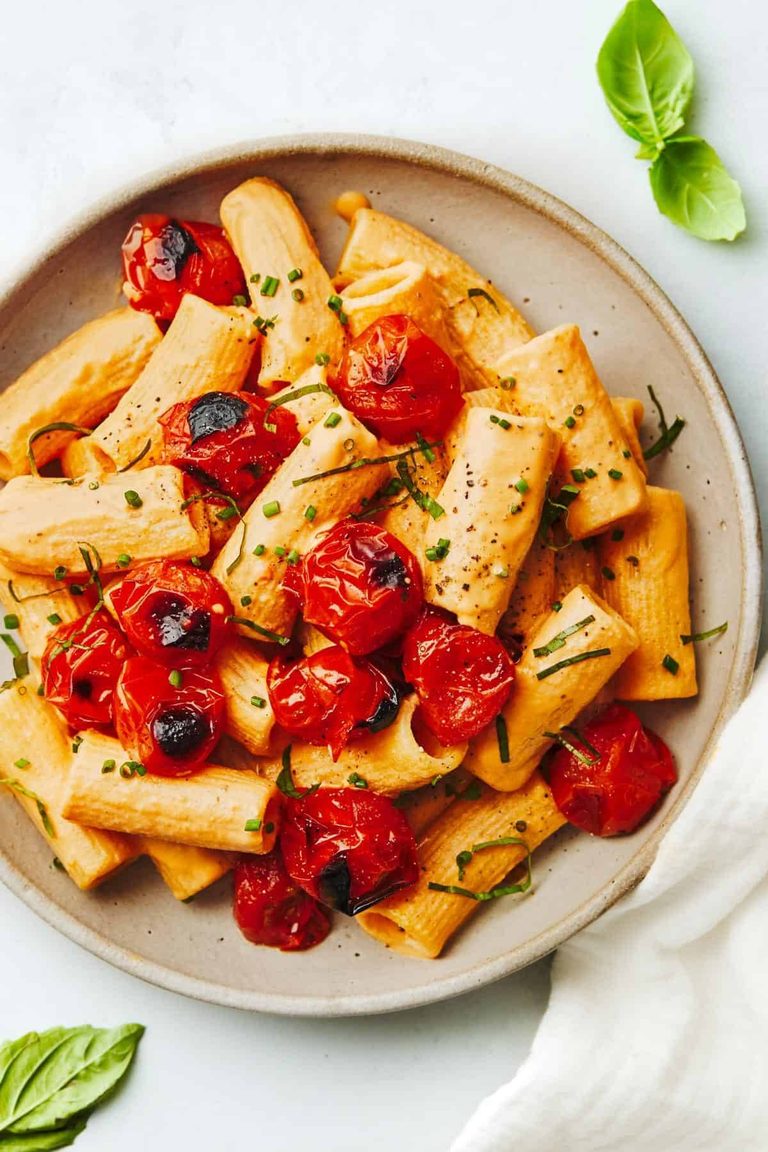
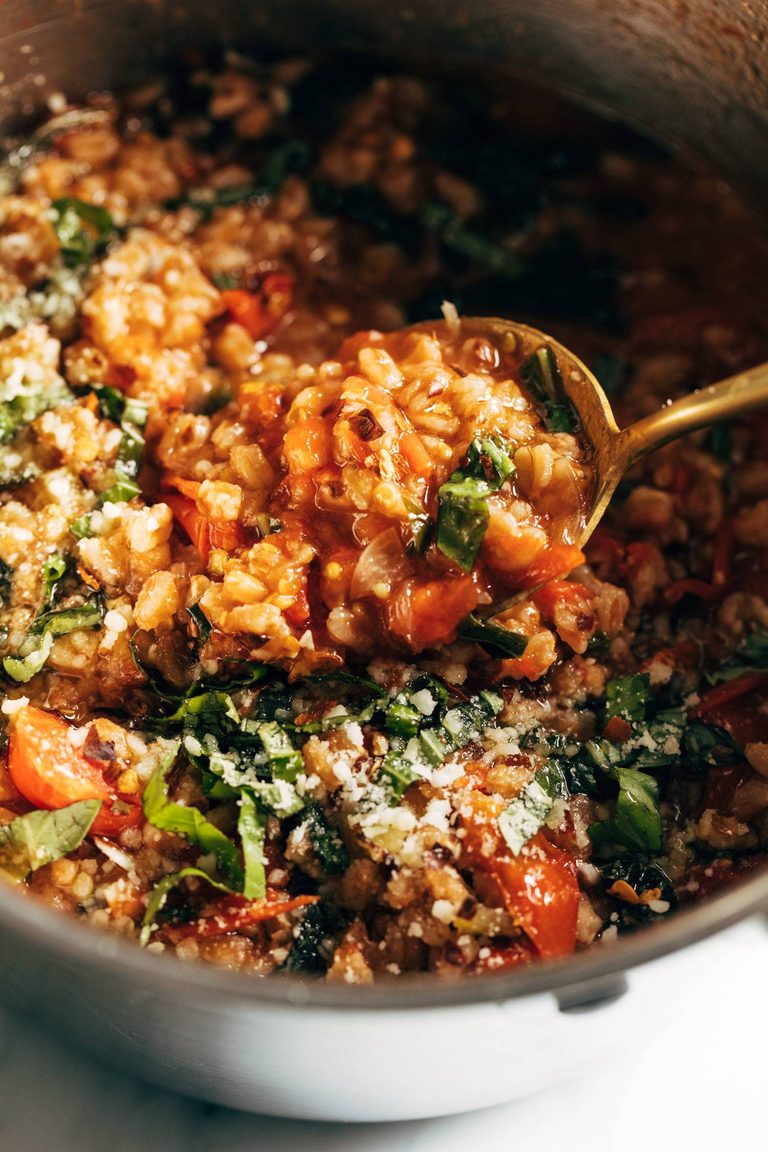
As consumers look for 30-minute meal solutions, the integration of summer produce into pasta and grain bowls has become increasingly popular. The "Creamy Shrimp Pasta with Corn and Tomatoes" and the "Burst Tomato and Zucchini Spaghetti" utilize the natural juices of ripening tomatoes to create sauces that require little added fat.
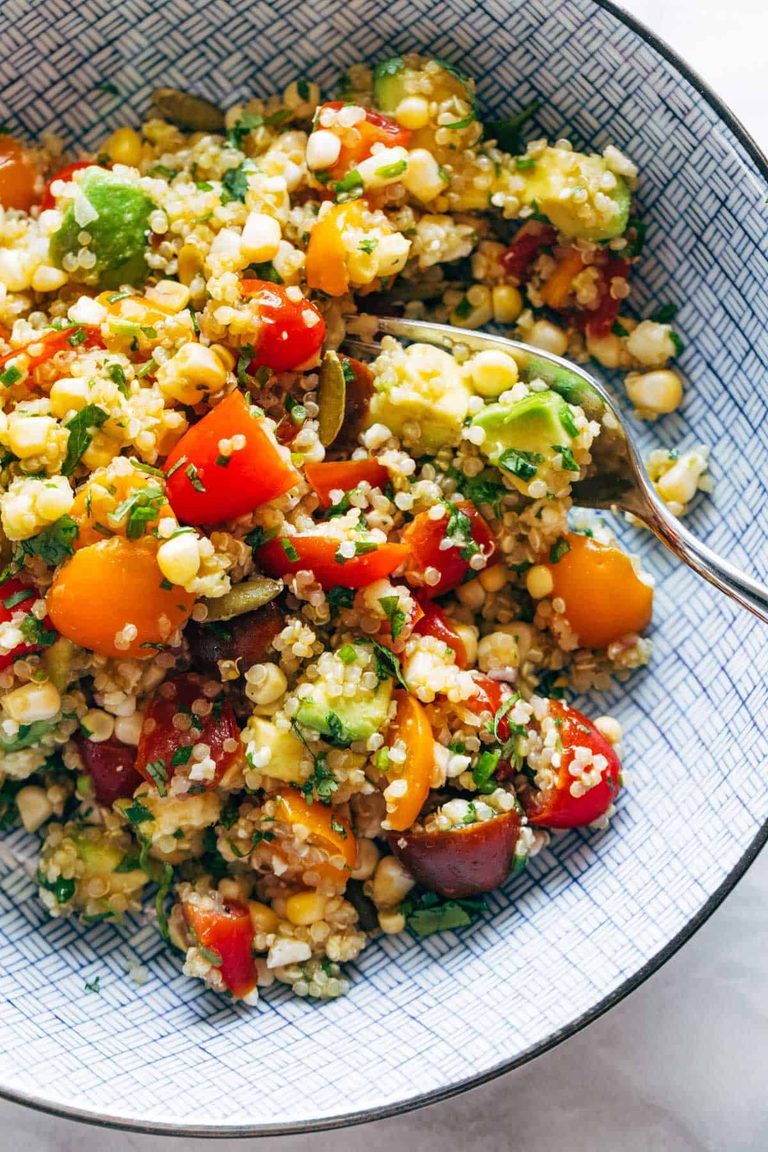
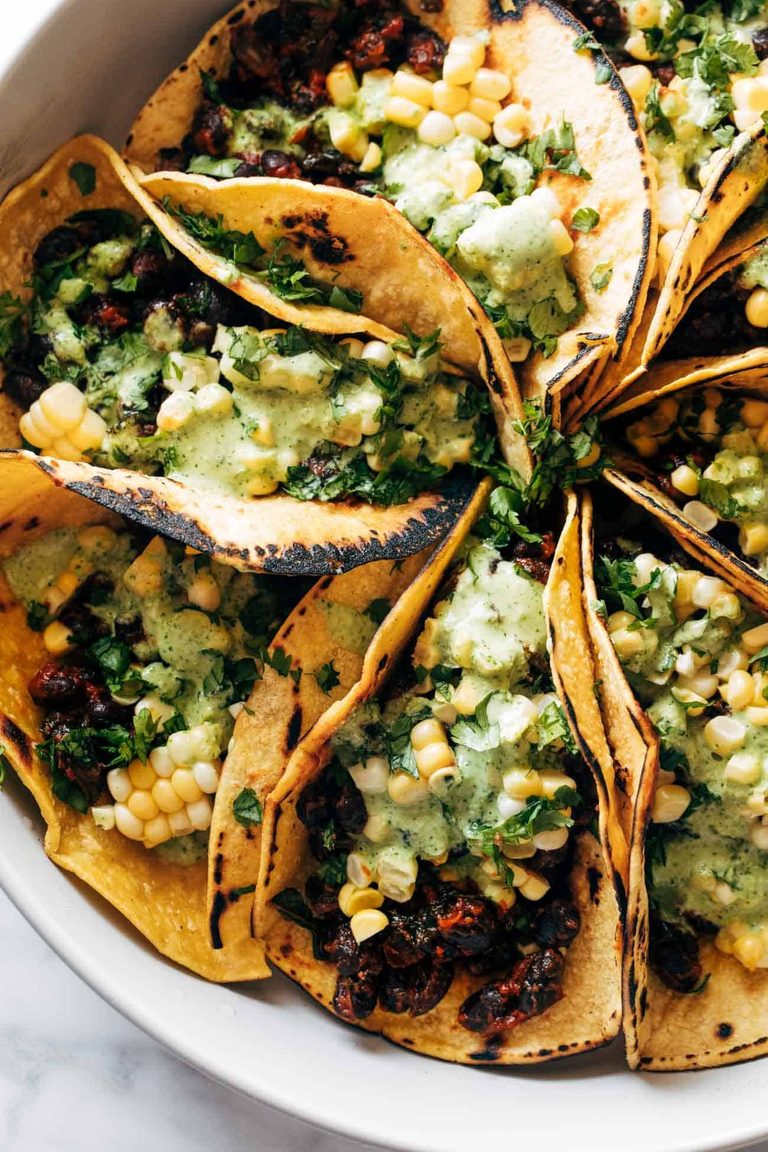
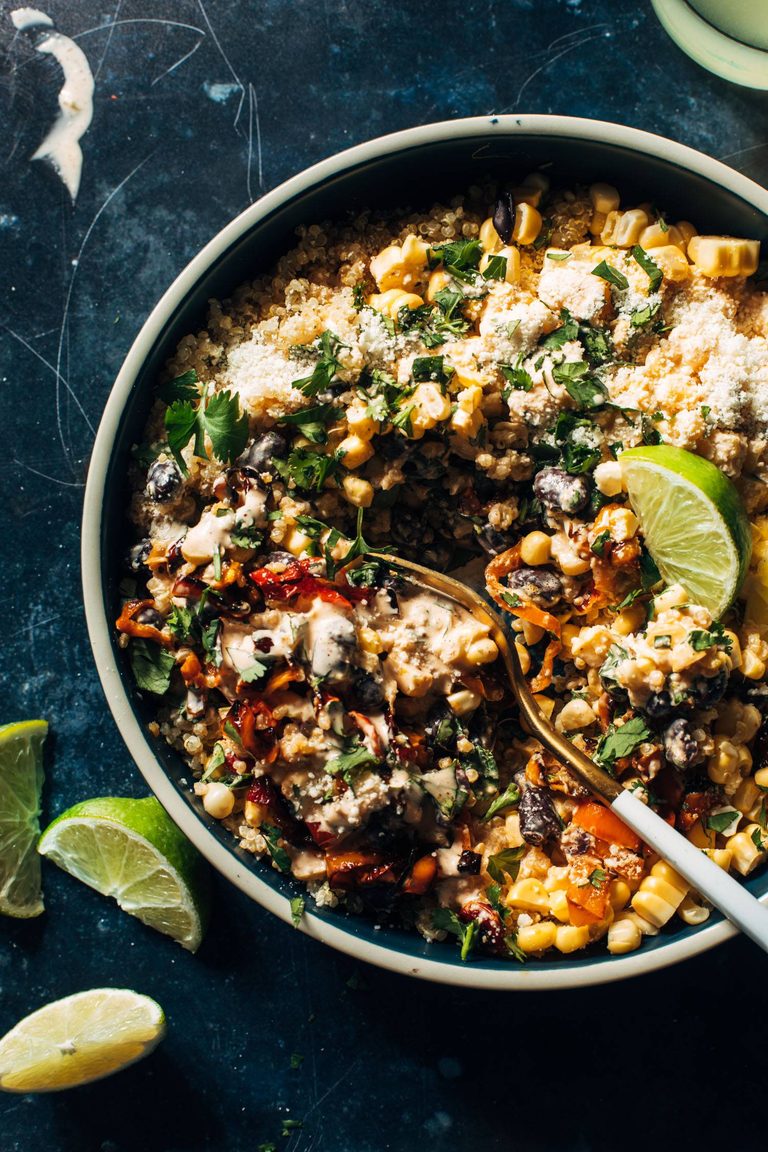
For those seeking plant-based options, the "Elote Style Quinoa Salad" and "Smoky Beans & Greens Tacos" leverage the heartiness of corn and kale. These dishes reflect a broader trend toward "SOS" (Simplified, Optimal, Seasonal) cooking, which emphasizes ease of preparation without sacrificing nutritional density.
Preserving and Enhancing Flavor
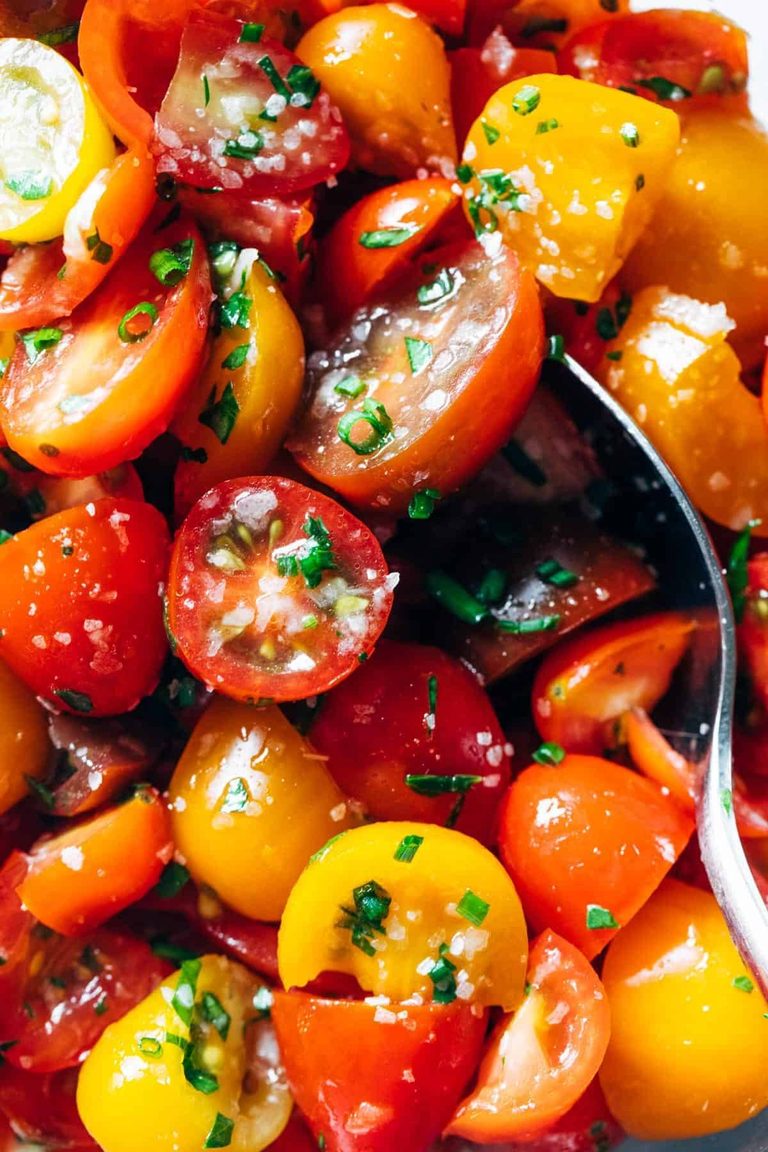
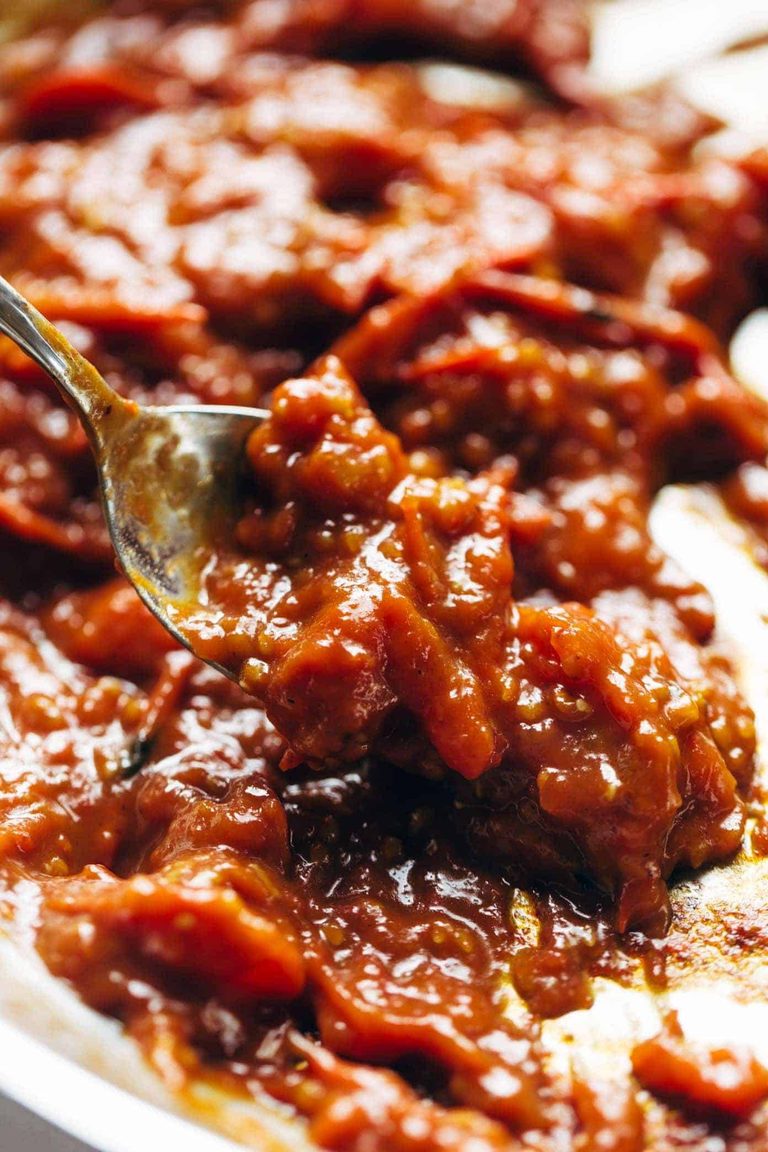
One of the most effective ways to manage a large volume of produce is through the creation of sauces and marinades. The "5 Minute Magic Green Sauce" and the "Very Incredible Basil Sauce" allow for the large-scale use of fresh herbs, which can be stored and used throughout the week. Marinating vegetables, as seen in the "5-Ingredient Marinated Tomatoes," not only enhances flavor but also slightly extends the shelf life of the produce.
The Role of Zucchini and Corn in Summer Baking
Zucchini is perhaps the most prolific of the summer crops, often leading to a surplus for home gardeners. This has led to the development of "feel-good" baking recipes, such as "Zucchini Muffins" and "Almond Butter Chocolate Chip Zucchini Bars." These recipes use the high water content of the zucchini to provide moisture in baked goods, often allowing for the reduction of processed oils or fats.
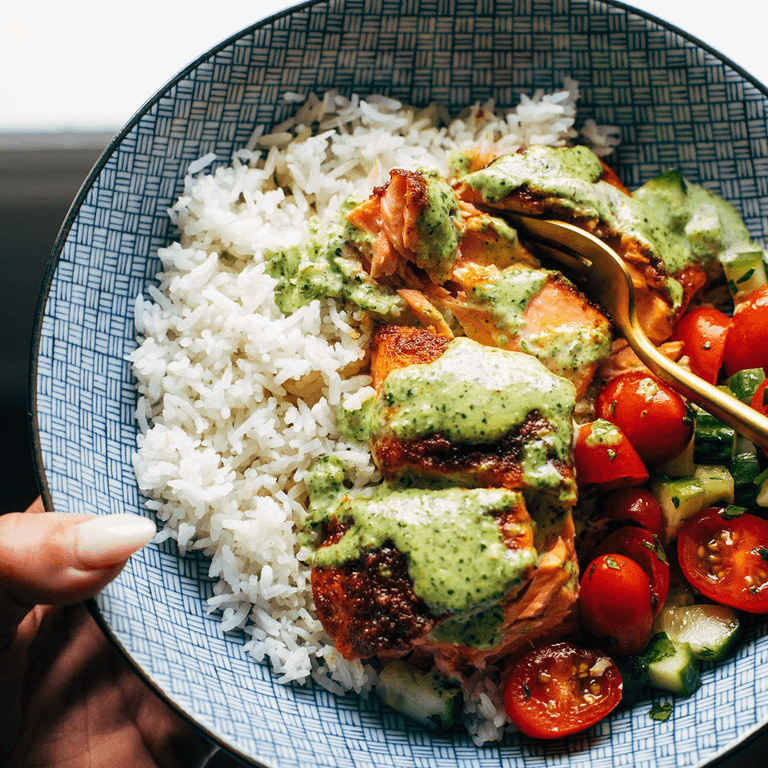
Corn, while traditionally served on the cob, is increasingly being integrated into complex salads and salsas. The "Salmon Tacos with Mango Corn Salsa" illustrates how the sweetness of corn can complement the richness of fatty fish, creating a balanced macronutrient profile.
Professional and Community Reactions
The shift toward seasonal recipe development has been met with approval from both health professionals and community leaders. Nutritionists point to the "Mediterranean-style" influence of these recipes—heavy on vegetables, healthy fats like avocado, and lean proteins like salmon and chicken—as a positive step toward reducing chronic lifestyle diseases.
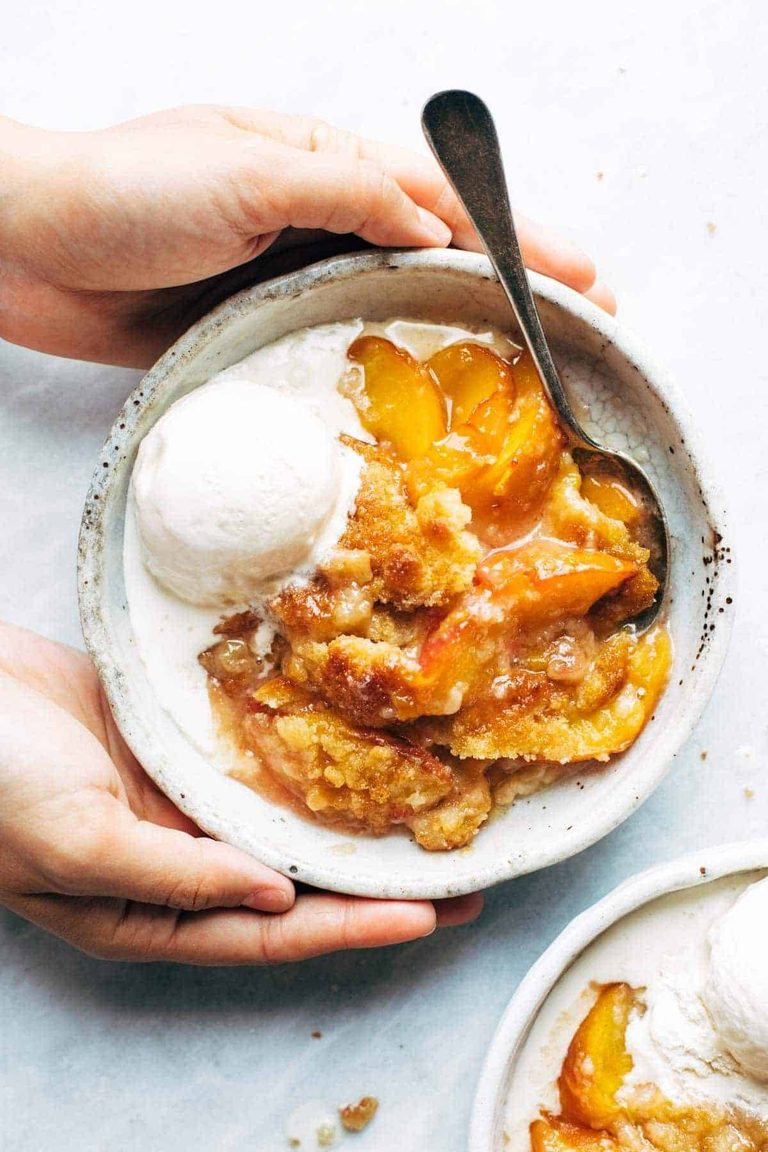
Agricultural advocates also emphasize that the popularity of these recipes provides a predictable demand for small-scale farmers. When a specific recipe, such as "Peach Cobbler" or "Strawberry Pie," becomes a seasonal staple, it ensures that farmers can sell their highly perishable stone fruits and berries at a fair market price, sustaining the viability of family-owned farms.
Broader Implications for the Future of Food
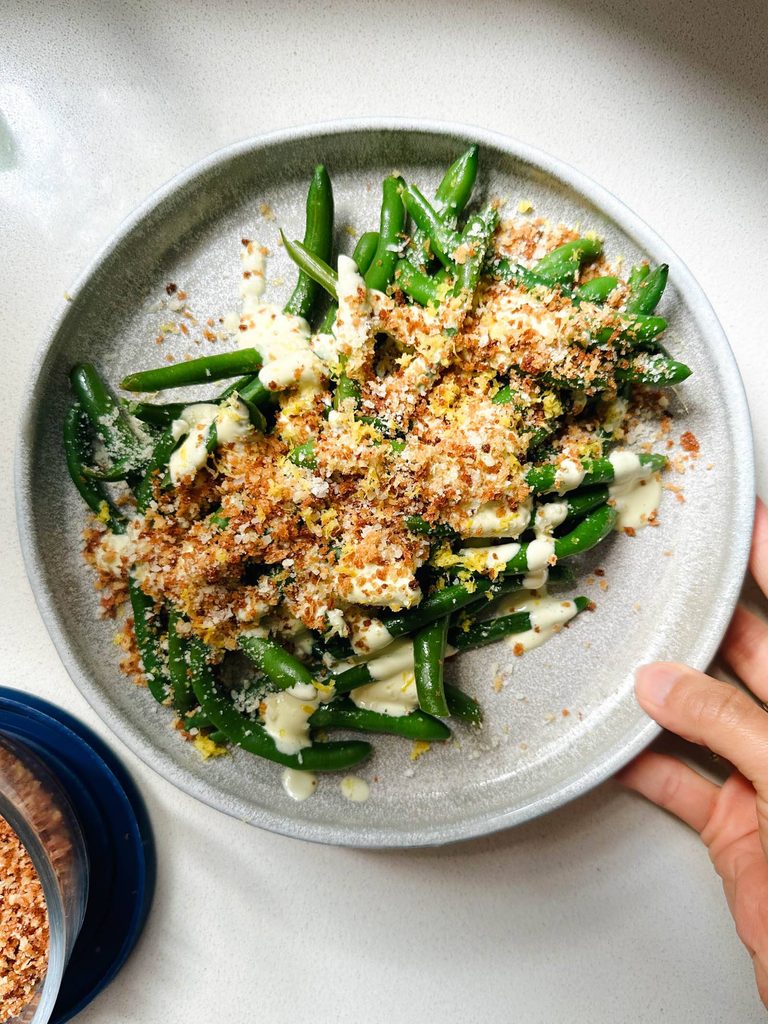
The movement toward utilizing "every last bit" of summer produce is part of a larger global effort to reduce food waste. Currently, it is estimated that one-third of all food produced for human consumption is lost or wasted. By providing consumers with a "go-to guide" for varied produce—from the "Avocado Caesar Green Beans" to "Roasted Tomatoes with Goat Cheese Polenta"—the culinary community is empowering individuals to utilize their purchases fully.
In conclusion, the transition to summer eating is more than a change in the menu; it is a reflection of a sophisticated understanding of agricultural cycles, economic support for local producers, and a commitment to personal health. As the farmer’s market season continues, the adoption of these diverse, produce-forward recipes will likely remain a cornerstone of the modern culinary landscape, bridging the gap between the field and the dinner plate. The recipes outlined—ranging from simple salads to complex sheet-pan dinners—provide a framework for sustainable, healthy, and economically responsible living in the 21st century.