Tommy Hilfiger Returns to The Plaza Hotel for New York Fashion Week Spring 2027

Tommy Hilfiger made a triumphant return to one of New York City’s most storied landmarks on September 10, hosting its highly anticipated Spring 2027 fashion show at The Plaza Hotel. The event marked a major milestone for the iconic American sportswear brand, drawing an A-list crowd of fashion insiders, cultural icons, and celebrities. Against the backdrop of the hotel’s timeless architecture, the runway presentation showcased a fresh vision for the upcoming season, blending classic preppy aesthetics with contemporary streetwear sensibilities.
The choice of venue was more than just a picturesque setting for the brand; it carried deep personal significance for the designer himself. Tommy Hilfiger and his wife, Dee Ocleppo Hilfiger, resided in a penthouse inside the Manhattan landmark for over a decade before relocating in 2019. By bringing the Spring 2027 collection back to The Plaza, the designer effectively bridged his personal history with the enduring legacy of the New York staple, creating a narrative of homecoming and generational style.
A Star-Studded Catwalk and Front Row
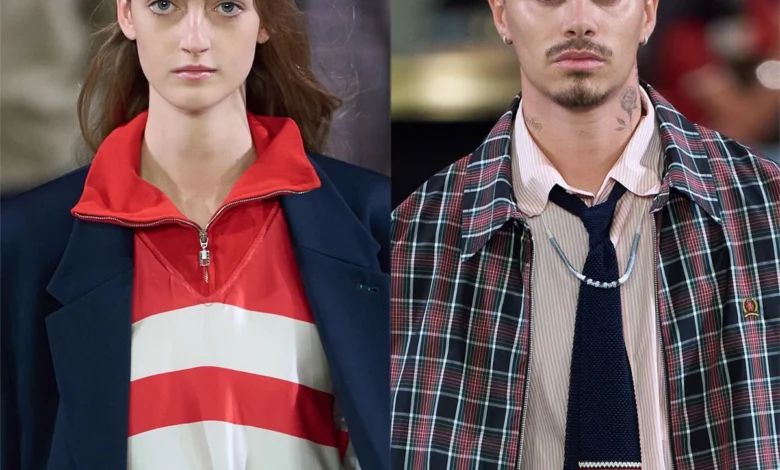
The runway itself featured some of the most recognizable faces in the modeling industry. Supermodel Gigi Hadid commanded attention with a chic entrance, setting the tone for a collection defined by sophisticated tailoring, bold stripes, and modern outerwear. She was joined by prominent industry figures including Romeo Beckham and Abby Champion, who brought youthful energy and effortless poise to the presentation.
The guest list and partnership roster extended far beyond the traditional modeling circuit, highlighting Hilfiger’s knack for cultural cross-pollination. Among the most notable collaborations announced around the show was an upcoming partnership with Kansas City Chiefs tight end Travis Kelce, whose involvement signals a strategic intersection of professional sports, pop culture, and high fashion.
A Full-Circle Moment for Travis Kelce
The collaboration between Tommy Hilfiger and Travis Kelce represents a convergence of athletic excellence and sartorial history. Kelce, widely celebrated for his dynamic presence both on and off the football field, has increasingly become a prominent figure in the fashion world, known for his bold red-carpet choices and penchant for statement pieces.
Reflecting on the partnership, Kelce shared memories of growing up admiring the brand’s signature aesthetic. In an interview leading up to the event, the star athlete recalled asking his mother for one of Hilfiger’s iconic sailing gear jackets during his high school years. He expressed disbelief at working directly with the designer, praising the brand’s oversized rugby shirts, classic tees, and distinctive sportswear heritage.
For his part, Hilfiger expressed immense enthusiasm for the collaboration, which is slated to debut its official collection in spring 2027. Speaking to industry publications, the designer commended Kelce not only for his athletic achievements but also for his infectious positivity, charisma, and genuine appreciation for fashion history. According to Hilfiger, a recent tour of the brand’s extensive archives left the football star as enthusiastic as a child in a candy store, underscoring an authentic passion for design that transcends celebrity endorsement.
Chronology of the New York Fashion Week Presentation
The road to the Spring 2027 showcase involved months of meticulous planning, archival research, and strategic positioning within the broader New York Fashion Week (NYFW) calendar.
Preparation and Teasers: Months ahead of the September 10 show, the brand began dropping hints regarding major surprises for the upcoming season. These teasers generated considerable industry buzz, particularly regarding potential collaborations and the selection of the historic venue.
The Announcement of The Plaza Hotel Venue: In early September, Hilfiger officially confirmed that The Plaza would serve as the backdrop for the Spring 2027 presentation. In promotional statements, the designer reflected on the hotel’s storied history, noting its legacy of hosting cultural greats from Marilyn Monroe and Frank Sinatra to The Beatles and The Rolling Stones.
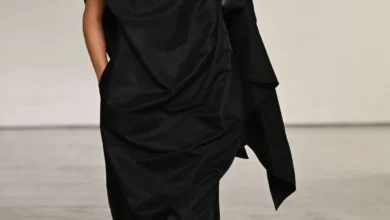
The Runway Show (September 10): The presentation commenced on the evening of September 10, featuring a robust lineup of looks that successfully married heritage prep with modern wardrobe staples. Models showcased a diverse array of apparel, including sophisticated trench coats, structured vests, tailored separates, and accessories that emphasized versatility and movement.
Post-Show Revelations: Immediately following the runway presentation, details surrounding the upcoming Travis Kelce collaboration gained widespread traction, amplifying the cultural impact of the event and setting the stage for the spring retail rollout.
The Historical Significance of The Plaza in American Culture
To fully understand the weight of Tommy Hilfiger’s choice of venue, one must examine the cultural mythology surrounding The Plaza Hotel. Situated at Fifth Avenue and Central Park South, the French Renaissance-style château-style hotel has stood as a symbol of New York opulence since its opening in 1907.
Throughout the decades, the property has served as a frequent backdrop for literature, film, and high-society milestones. By selecting this venue, Hilfiger intentionally aligned his brand with an enduring symbol of American luxury. The designer noted that if the walls of The Plaza could speak, they would recount some of the city’s greatest stories—a narrative continuity that the brand aimed to tap into by introducing its new era of campaign stars and brand ambassadors within the historic halls.
Analysis of Collection Highlights and Design Direction
The Spring 2027 collection itself demonstrated a sophisticated evolution of the classic Tommy Hilfiger DNA. While rooted in the nautical stripes, collegiate sweaters, and primary color palettes that defined the label in the 1980s and 1990s, the new garments introduced relaxed silhouettes and elevated fabrications suitable for contemporary consumers.
Key motifs observed on the catwalk included:
- Outerwear Dominance: From classic double-breasted trench coats to sporty utility vests, the collection emphasized transitional layering pieces designed for urban mobility.
- Reinterpreted Tailoring: Suits and separates featured relaxed fits, offering a nod to modern streetwear while maintaining traditional sartorial structure.
- Accessory Integration: Structured handbags, minimalist footwear, and carefully coordinated neckwear tied individual looks together, reinforcing a cohesive brand vision.
- Sportswear Heritage: Rugby shirts and polo variations received modern updates through exaggerated proportions and unexpected color blocking.
Broader Implications for the Fashion Industry
The Tommy Hilfiger Spring 2027 show at The Plaza Hotel offers valuable insights into current industry trends, particularly the increasing reliance on cross-industry partnerships to drive consumer engagement. By integrating prominent sports figures like Travis Kelce into the fashion narrative, luxury and contemporary brands are successfully expanding their demographic reach, capturing audiences that span traditional fashion enthusiasts and mainstream sports fans alike.
Furthermore, the strategic use of high-profile, nostalgia-driven venues highlights a broader industry preference for experiential storytelling. In an era where digital consumption often supersedes physical attendance, staging a high-concept presentation in an iconic, memory-laden location provides tangible value that resonates globally across social media platforms and digital publications.
As the industry looks ahead to the eventual retail release of the Spring 2027 collection—including the highly anticipated Kelce collaboration—Tommy Hilfiger continues to demonstrate its ability to honor its rich American heritage while remaining culturally relevant in a rapidly evolving marketplace.