WWE Star Thea Hail Delivers Powerful Message on Alopecia and Industry Beauty Standards After Emotional Ringside Head-Shaving

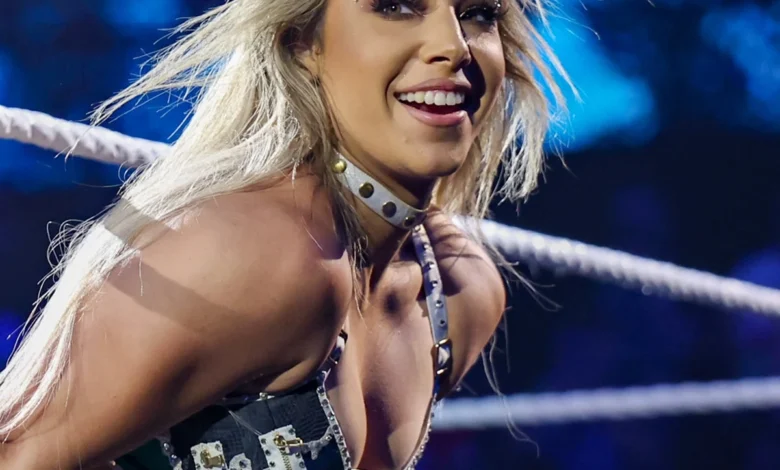
The professional wrestling landscape has long been characterized by grueling physical demands, high-stakes storytelling, and intense scrutiny of its performers. On November 24, WWE NXT star Thea Hail stepped beyond the traditional confines of sports entertainment scripts to address a deeply personal and universal issue: body autonomy, medical vulnerability, and the relentless pressure of industry-mandated aesthetics. During an emotionally charged broadcast from the WWE Performance Center, the 23-year-old athlete publicly revealed her diagnosis with alopecia areata, detailing a harrowing four-month battle with hair loss that culminated in her shaving her head live in the wrestling ring.
Hail’s transparent address shed light on a condition that affects millions globally, while simultaneously sparking a broader industry-wide conversation regarding the unattainable physical standards frequently imposed upon female performers in professional sports and entertainment.
A Journey of Sudden Loss and Fear
Alopecia areata is a chronic autoimmune disorder that causes the immune system to mistakenly attack hair follicles, resulting in patchy or complete hair loss on the scalp and other parts of the body. For Hail, the diagnosis arrived unexpectedly when she was just 23 years old, throwing her personal and professional life into immediate turmoil.
Speaking directly to the WWE NXT audience, Hail confessed that the reality of her condition was far from easy to process. Within a span of less than four months, she lost approximately 40 percent of her hair. The psychological toll of the rapid physical transformation was profound, breeding intense anxiety about her future in an industry where physical presentation is heavily scrutinized.
"I’d love to sit here and lie to you guys and tell you that I was super optimistic about this all, but I wasn’t," Hail shared tearfully during the broadcast. "Since July, I’ve been asking myself the same questions you’re all probably wondering. Most importantly, ‘How will other people look at me if I have no hair?’"
The wrestler admitted that her primary fear centered on public judgment and whether her hair would ever regenerate. The uncertainty forced her to confront an entirely new normal under the glaring lights of television production and a global fanbase.
Scripted Conflict and Real-World Vulnerability
In the weeks leading up to her public announcement, Hail had been engaged in a scripted feud with fellow WWE costar Chantel Monroe. Within the context of professional wrestling storylines, rivalries often incorporate personal jabs to build emotional resonance and dramatic tension. However, for Hail, Monroe’s utilization of the wrestler’s developing bald patches as fodder for their on-screen confrontations crossed a line that transformed scripted entertainment into genuine distress.
"Chantel gave me that answer really quickly, and she proved just about every fear I had to be true," Hail noted, referencing how her costar’s remarks inadvertently validated her deepest insecurities. "She made me feel so small and so defeated as a part of my life that I wasn’t ready to share was exposed by somebody else."
The situation underscored the unique ethical and psychological challenges faced by performers in scripted combat sports, where personal vulnerabilities are occasionally leveraged for narrative arcs without the audience—or sometimes even the participants—fully grasping the psychological weight behind the performance.
Challenging Industry Beauty Standards
Beyond her personal medical journey, Hail used her platform to launch a broader critique of the rigorous, often punitive beauty standards upheld within professional wrestling. Female athletes in the industry frequently face intense public commentary regarding their weight, muscle definition, makeup application, hair extensions, and ring gear.
"Do you know how long every girl back there sits in the hair and makeup chair before they come out here just so you all don’t tear them to shreds?" Hail asked the audience. "Because God forbid their extensions don’t blend the way that you think they should, or their tan’s a little weird, or you don’t like their gear."
Her remarks struck a chord within the professional wrestling community, amplifying long-standing concerns regarding the disproportionate aesthetic scrutiny directed at women in sports entertainment compared to their male counterparts. Analysts and former performers have frequently noted that female wrestlers are often subjected to rigid paradigms that demand an idealized presentation regardless of physical fatigue, injuries, or personal health crises.
Transforming Weakness into Strength
Despite the emotional trauma associated with her diagnosis and the difficulties of navigating her condition publicly, Hail concluded her segment by reclaiming control over her narrative. Rather than allowing alopecia to dictate her career trajectory or diminish her self-worth, the Pittsburgh native chose to embrace her changing appearance.
Aimed at turning "this moment of weakness into a strength," Hail described her condition as "a bit of a blessing in disguise." In a definitive and cathartic moment, she took an electric razor to her remaining hair right in the center of the ring, surrounded by a supportive crowd chanting her name in solidarity.
The gesture served as the culmination of a journey she had first hinted at months prior on August 27, when she posted an update to Instagram captioned, "i now have alopecia areata… i have literally manifested going bald."
Broader Implications for Health Advocacy in Sports and Entertainment
Hail’s openness places her among a growing cohort of public figures and athletes who have chosen to break the silence surrounding chronic health conditions, injuries, and medical anomalies. The sports and entertainment landscape has increasingly witnessed performers stepping forward to share vulnerable accounts of physical adversity—ranging from concussions and neurological disorders to autoimmune diseases and structural injuries.
By normalizing conversations around conditions like alopecia, Hail’s public disclosure contributes to a broader cultural shift within sports organizations. Industry observers note that modern athletic promotions are placing a growing emphasis on mental health resources, medical support systems, and athlete welfare. While the competitive nature of professional wrestling will always demand physical resilience, moments like Hail’s underscore the equal importance of psychological safety and empathy.
As Hail moves forward in her wrestling career with a newly redefined identity both inside and outside the ring, her courageous display serves as a powerful reminder that vulnerability is not mutually exclusive with strength. By refusing to let hair loss define her athletic capabilities or her personal worth, she has established a new precedent for authenticity within sports entertainment, inspiring countless fans and fellow athletes facing their own hidden battles.