Pastina Soup Italian Penicillin: The Culinary Tradition and Modern Resurgence of a Comfort Classic

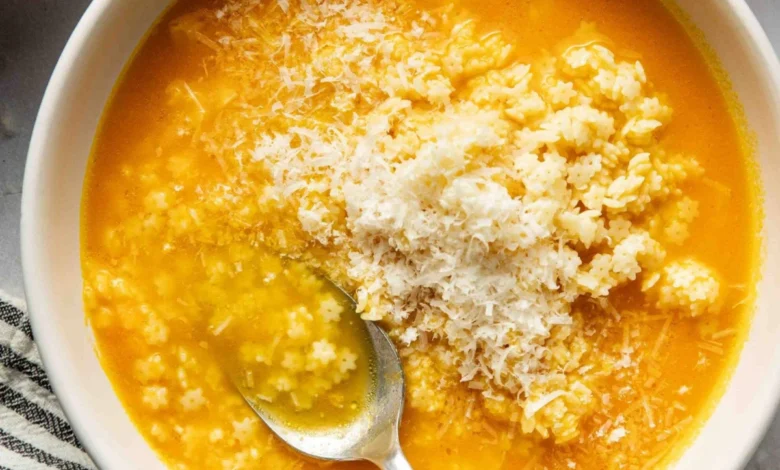
Pastina soup, affectionately dubbed "Italian Penicillin," has transcended its origins as a humble nursery meal to become a recognized cultural staple in households across the globe. Characterized by its tiny, star-shaped pasta submerged in a light, nutrient-dense broth, the dish serves as a primary remedy for common ailments and a cornerstone of nostalgic home cooking. Recent trends, particularly on social media platforms like TikTok, have propelled this traditional recipe into the mainstream, highlighting a renewed public interest in simple, restorative culinary practices.
Historical and Cultural Context of Pastina
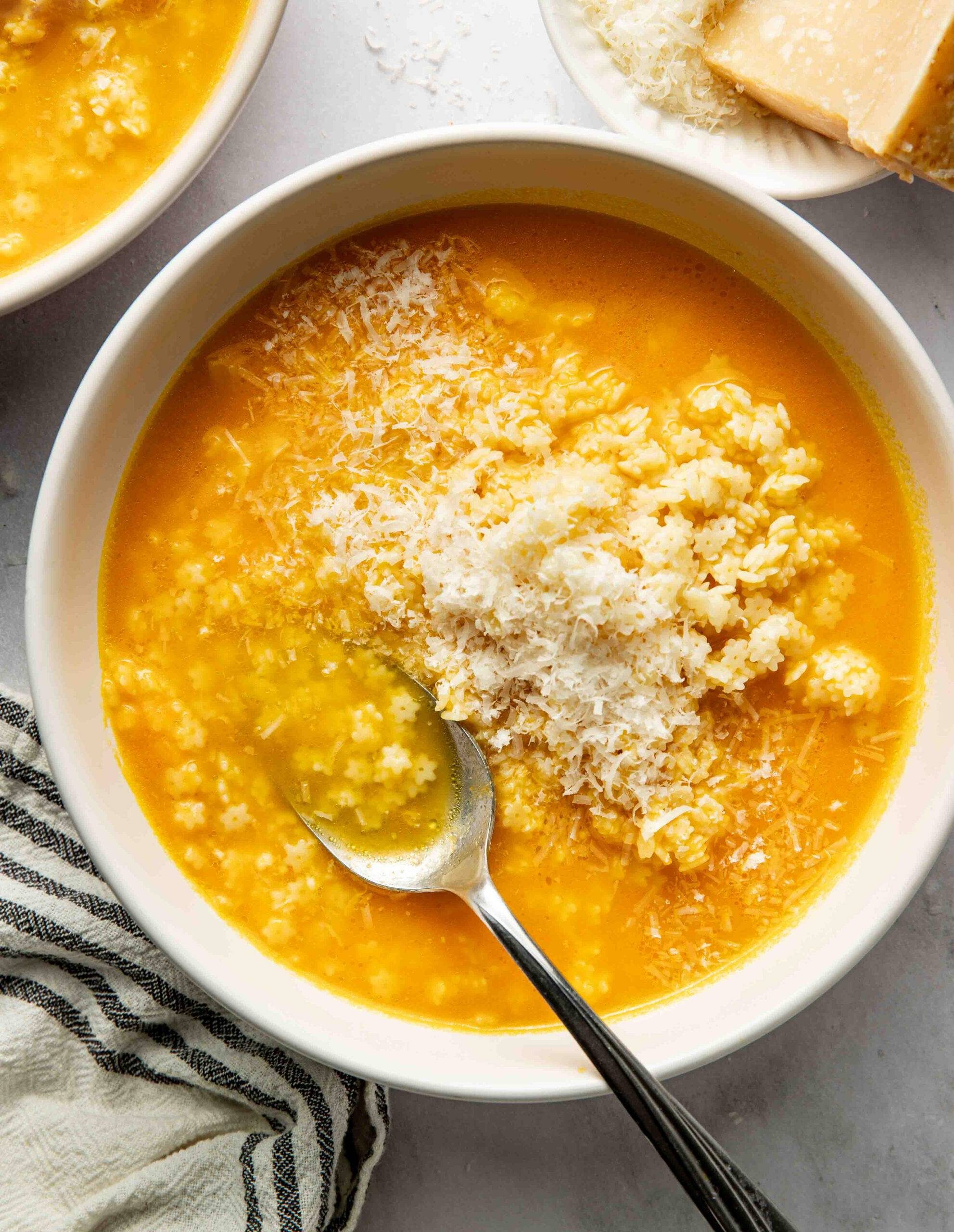
The term "pastina" refers to a category of minute pasta shapes—most commonly stars (stelline), shells (conchigliette), or tiny rings (anelli)—designed specifically for soups. For generations, Italian families have utilized this ingredient as the foundation for a restorative meal served during recovery from illness. The moniker "Italian Penicillin" is a colloquialism, reflecting the dish’s perceived healing properties rather than any pharmaceutical efficacy.
Historically, the dish was a byproduct of "cucina povera," or peasant cooking, which emphasized the use of simple, accessible ingredients to create nourishing meals. By simmering vegetables to create a flavorful, clear broth and combining it with carbohydrates that are easy to digest, families could provide sustenance to those who were too unwell for heavier fare. The dish gained traction in the United States during the mid-20th century as Italian immigrants integrated their traditional diets into the American culinary landscape.

The Resurgence: From Kitchens to Digital Platforms
Over the past three years, the prominence of pastina has experienced a significant shift. In 2022, when the Italian pasta manufacturer Barilla announced it was discontinuing its specific star-shaped pastina product, the reaction on social media was immediate and visceral. The news sparked a widespread outcry among consumers who viewed the discontinuation as a loss of a familial tradition. This digital movement demonstrated the emotional connection consumers have with specific comfort foods.
Following this, food bloggers and culinary influencers, such as Lindsay Ostrom of Pinch of Yum, began documenting their own methods for preparing pastina, effectively standardizing the "modern" approach to the dish. This involves a more elevated preparation, moving beyond simple boiling to include aromatic vegetable bases, high-quality bouillon, and precise finishing techniques such as the addition of high-grade Parmesan cheese.
The Anatomy of the Dish: Technical Preparation
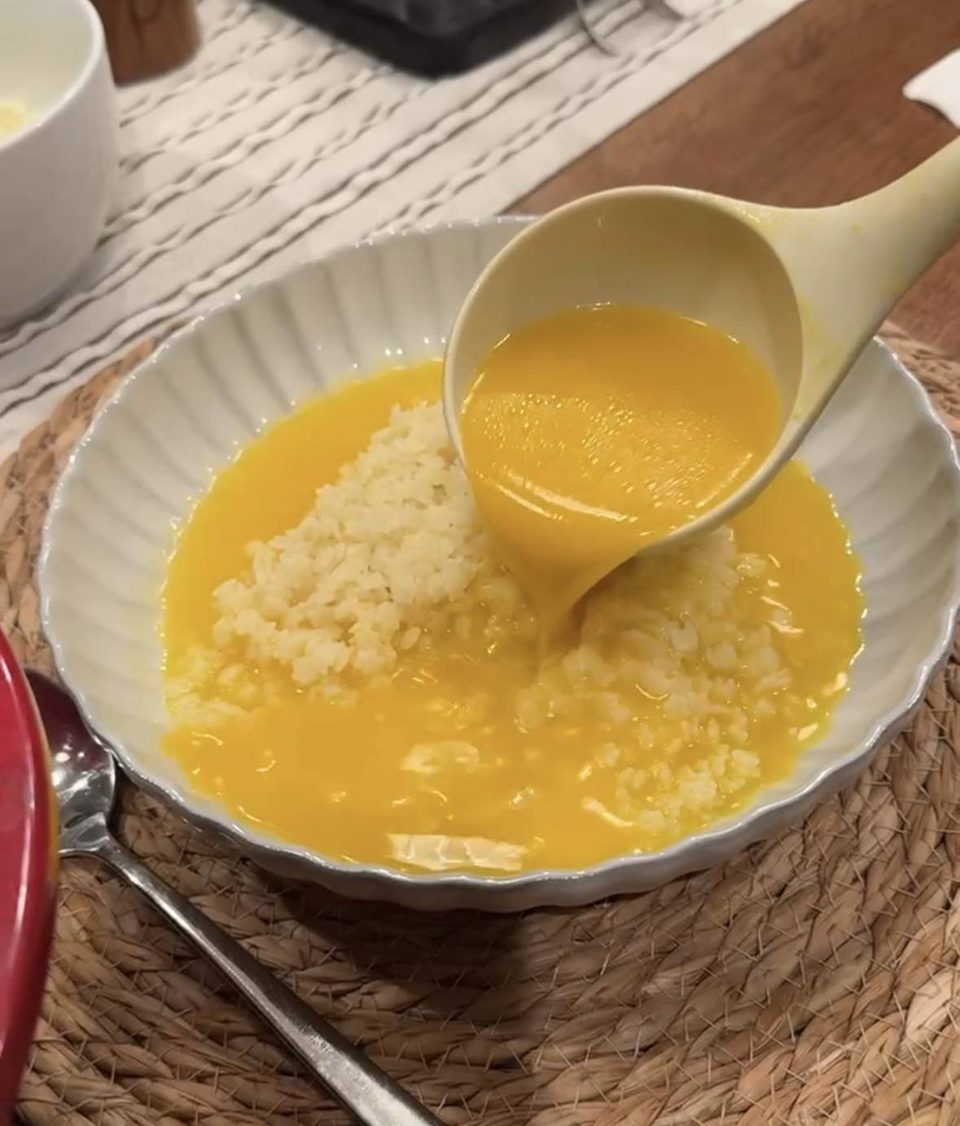
The contemporary preparation of pastina soup is characterized by a multi-step process that maximizes flavor extraction. Professional chefs and home cooks alike emphasize that the quality of the broth is the defining feature of the dish.
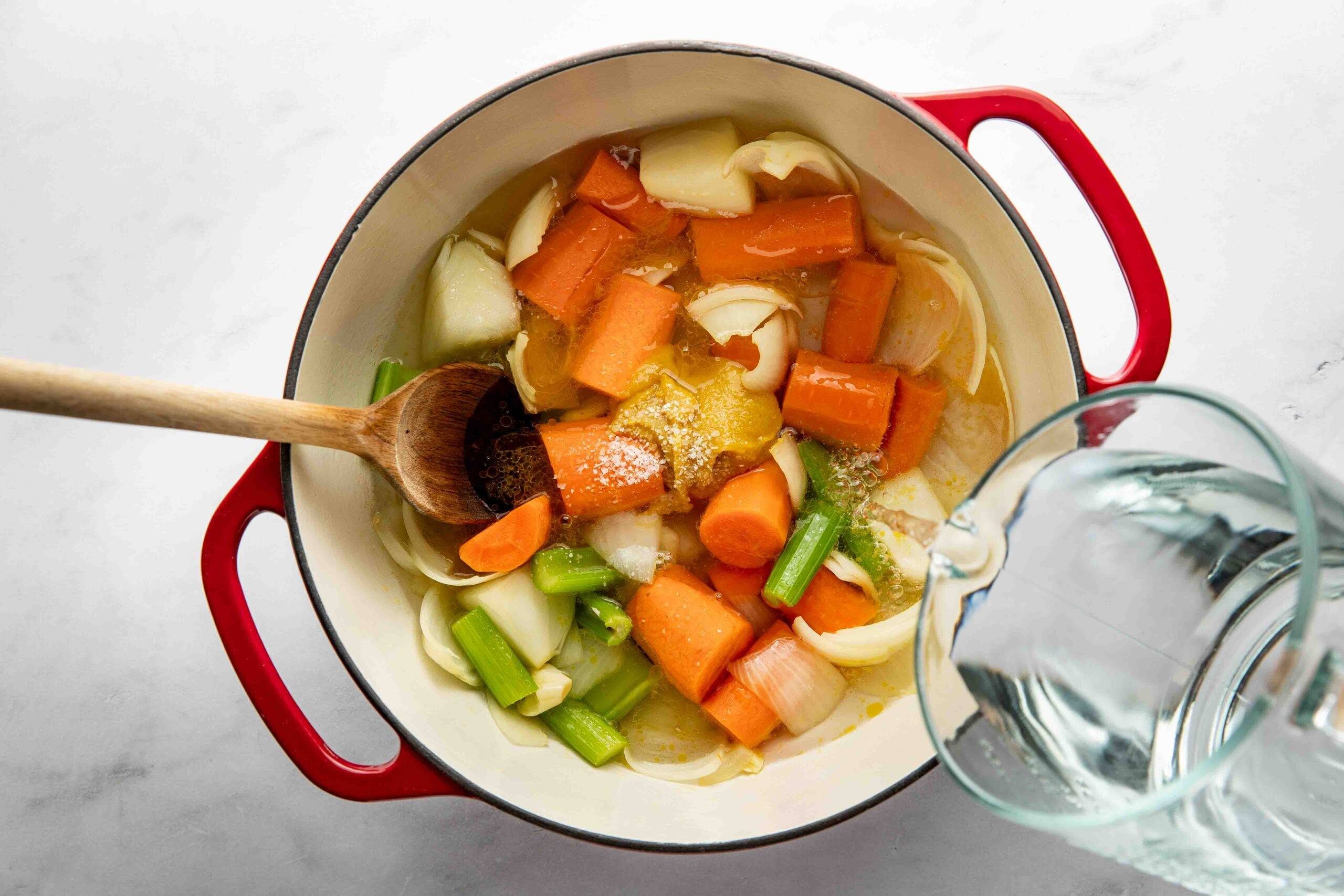
- The Aromatic Base: The process typically begins by sautéing vegetables such as onions, carrots, and celery. This stage is crucial for building a foundation of flavor through the Maillard reaction.
- Liquid Extraction: By using a high-quality bouillon base—often referred to as "Better Than Bouillon" in culinary circles—the cook achieves a depth of flavor that mimics long-simmered stocks in a fraction of the time.
- The Emulsion Process: A sophisticated variation of the recipe involves removing the cooked vegetables after they have imparted their nutrients and flavor to the water. These vegetables are then blended into a puree and reintroduced to the pot. This technique creates a silky, opaque broth that provides a more satisfying mouthfeel than a clear, watery stock.
- Pasta Integration: The pastina itself is cooked briefly in the broth or separately to prevent the starch from over-thickening the soup. The dish is then traditionally topped with freshly grated Parmigiano-Reggiano, which provides a necessary salinity and richness to balance the lightness of the broth.
Data and Nutritional Implications
While often categorized as "comfort food," pastina soup offers specific nutritional advantages for those suffering from illness. The high water content of the broth assists in rehydration, a critical component of recovering from viral infections or gastrointestinal distress. The small size of the pasta makes it highly digestible, providing energy without taxing the digestive system.

From a public health perspective, the preference for such soups aligns with a broader trend toward "functional foods"—items that provide health benefits beyond basic nutrition. According to data from the National Institutes of Health regarding dietary habits during illness, clear, nutrient-rich liquids are consistently recommended to maintain electrolyte balance and glucose levels in patients with diminished appetites.
Broader Impact and Industry Responses
The "Italian Penicillin" phenomenon has prompted retail shifts. Following the initial outcry regarding the availability of star-shaped pasta, grocery chains have seen an uptick in demand for various brands of pastina. Retail data suggests that niche pasta shapes, previously relegated to the bottom shelves of grocery aisles, are now being prioritized in inventory management to meet the consumer demand for "authentic" and "comfort-based" home cooking.
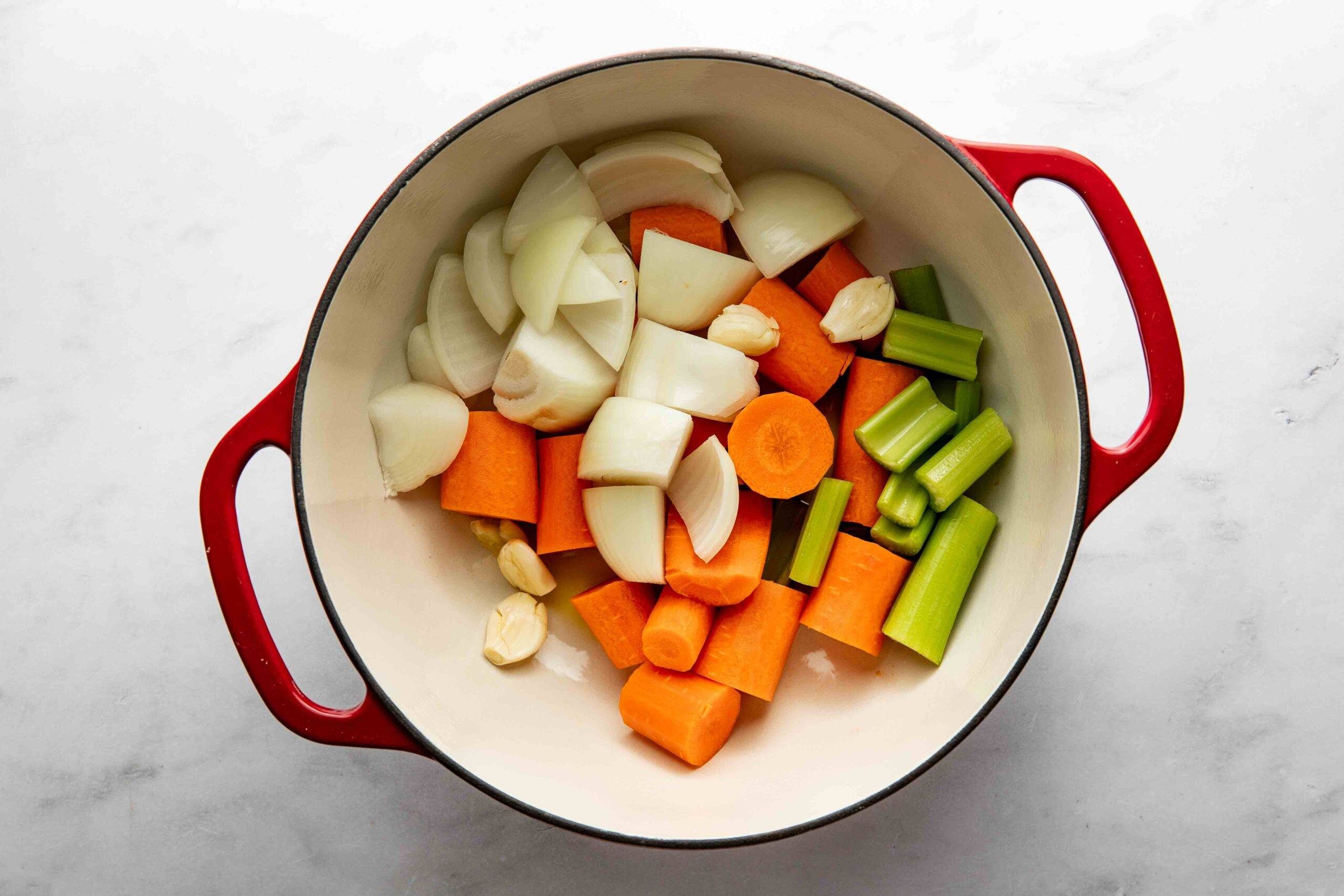
Furthermore, the trend has influenced how culinary media approaches "sick day" content. There is a noticeable pivot toward simplicity and transparency in cooking. Tutorials that show the raw, unpolished steps of blending vegetables and ladling broth serve to demystify the cooking process, encouraging consumers who may lack formal culinary training to engage with scratch-made meals.
Conclusion: The Endurance of Tradition
The enduring popularity of pastina soup is a testament to the human need for both physiological and emotional nourishment. By bridging the gap between historical tradition and modern, digital-age cooking, pastina has cemented its place in the contemporary diet.
Whether it is prepared as a simple, quick meal or as a labor-intensive ritual involving hand-blended vegetable bases, the goal remains the same: the provision of a gentle, warm, and highly palatable food that signals a return to wellness. As culinary trends continue to evolve, the resilience of "Italian Penicillin" suggests that, when it comes to comfort, simplicity remains the most effective, and most sought-after, ingredient. The ongoing dialogue surrounding the dish indicates that even in an age of technological advancement, the basic, human connection to a bowl of soup remains a vital part of the cultural experience.