Native American Health Coverage Faces Administrative Chaos as States Scramble to Implement Medicaid Work Exemptions Without Federal Guidance

CHEROKEE, N.C. — With just two months remaining before a strict federal enforcement deadline, state governments nationwide are struggling to establish coherent protocols for exempting Native Americans from newly instituted Medicaid work requirements. The resulting absence of standardized federal directives has created a fragmented, state-by-state patchwork of eligibility verification systems, leaving thousands of qualified Indigenous beneficiaries at heightened risk of losing vital healthcare coverage.
The regulatory confusion stems from the implementation of the One Big Beautiful Bill Act, championed by President Donald Trump. While the legislation explicitly exempts Native Americans from mandatory community engagement and work requirements to maintain their Medicaid eligibility, the corresponding rules issued by the Centers for Medicare & Medicaid Services (CMS) failed to provide a standardized, uniform mechanism for states to identify and verify individuals entitled to this carve-out. Consequently, states have been left to improvise their own verification procedures, giving rise to deep anxieties among tribal leaders and healthcare advocates who fear a devastating replay of the massive coverage losses experienced during the post-pandemic Medicaid "unwinding."
A Precarious Precedent: Lessons From the Medicaid Unwinding
The current administrative hurdles arrive on the heels of the turbulent 2023–2024 Medicaid unwinding, during which states resumed routine eligibility checks following the expiration of the COVID-19 public health emergency continuous enrollment provision. During that period, an estimated 850,000 Native Americans lost their health insurance coverage by May 2024, overwhelmingly due to administrative hurdles and complex paperwork barriers rather than actual ineligibility.
Tribal leaders warn that the rollout of the new work mandates under similar administrative ambiguities threatens to replicate these systemic failures. Furthermore, the legislative carve-out itself has drawn criticism and concern for its limitations; notably, Indigenous populations such as Native Hawaiians were excluded from the statutory exemption, leaving them subject to the rigorous new work rules.
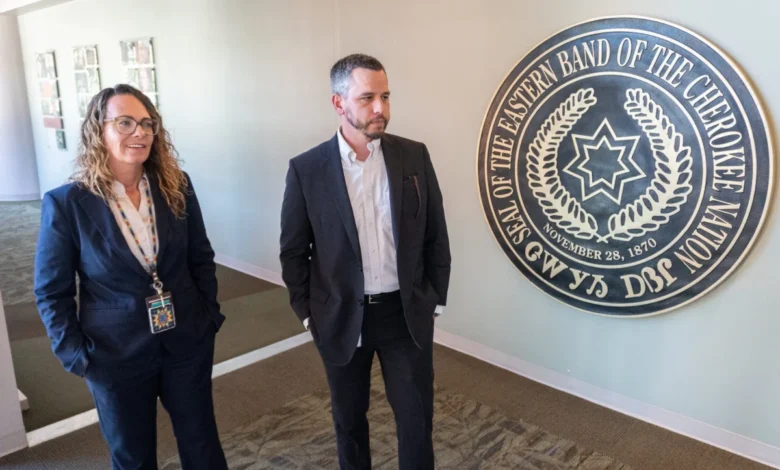
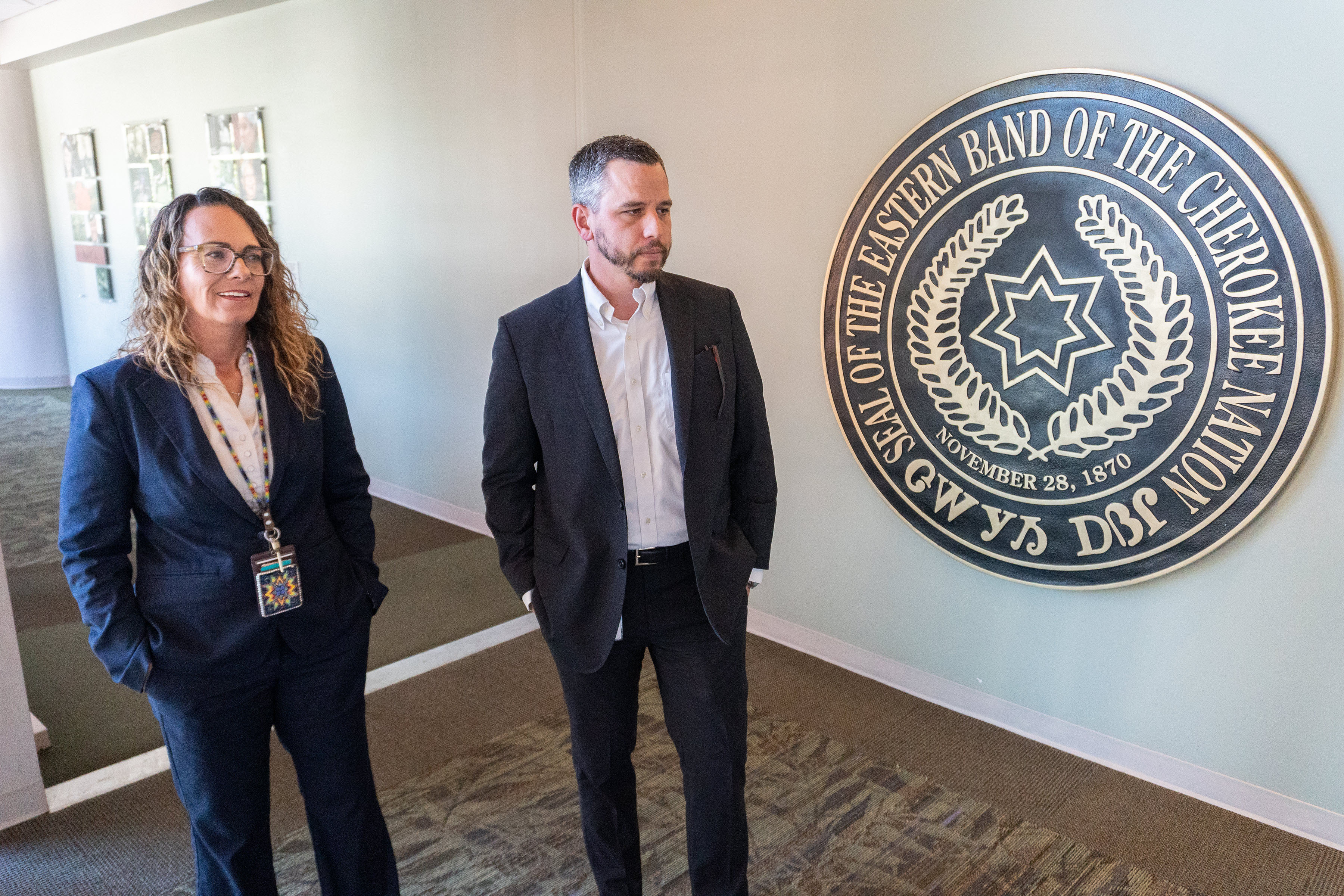
"I’m nervous. I’m extremely nervous," said James Burns, who oversees the Eastern Band of Cherokee Indians’ Medicaid managed-care program on the Qualla Boundary, the tribe’s sovereign land situated in the mountains of western North Carolina. "When you look at any state that’s rolled out Medicaid work requirements, the unintended consequences have been vast, and that’s what we don’t want to happen."
Regulatory Gaps and the Absence of Federal Direction
In June, CMS published its final guidance regarding the new work requirements. The agency instructed state Medicaid departments to exhaust existing administrative data sources before demanding additional documentation from Native enrollees. However, the rule crucially omitted any mandatory federal standard for proving American Indian or Alaska Native (AI/AN) status. This omission empowered individual states to set evidentiary thresholds that frequently exceed reasonable administrative burdens.
Furthermore, the federal guidance neglected to mandate crucial operational safeguards:
- States are not required to establish formal data-sharing agreements with sovereign tribal governments.
- There is no requirement for states to coordinate directly with tribally operated health facilities or urban Indian health organizations.
- The rules lack operational directives for integrating tribal managed-care plans—such as the unique program overseen by Burns—into state workflows.
These oversight concerns prompted a swift response from tribal health authorities. In July, the CMS Tribal Technical Advisory Group formally recommended that the federal agency mandate self-attestation as the universal standard of proof for Native enrollees. The advisory body also urged CMS to compel states to share eligibility data directly with tribal health programs to intercept wrongful coverage terminations. Similar recommendations were aggressively advanced by the National Council of Urban Indian Health.
Despite these appeals, federal regulators have offered little reassurance. A.C. Locklear, chief executive officer of the National Indian Health Board, noted that while tribal advocates anticipate additional federal clarifications, waiting until the final hour creates insurmountable obstacles. If CMS delays issuing prescriptive guidance until December, state bureaucracies will have already cemented their individual, uncoordinated processes. CMS officials declined to answer inquiries from journalists regarding whether subsequent, detailed guidance was forthcoming.
"There’s 30-plus states who are independently repurposing their administrative processes for this, and they really all happen in a vacuum," Locklear observed. "That’s why it’s really important for CMS to provide guidance."
A Patchwork of State Approaches and the Urban Indian Challenge
An investigation into how individual states intend to apply the exemption reveals stark operational discrepancies. States are utilizing vastly different methodologies to confirm tribal status, creating significant disparities for enrollees crossing state lines or residing away from their ancestral lands.
A group of states—including Arizona, Colorado, Montana, Nevada, New Mexico, and Washington—have adopted relatively streamlined approaches, permitting enrollees to indicate their tribal affiliation directly on standard Medicaid application forms. For instance, the Arizona Health Care Cost Containment State Agency allows self-identification, which it subsequently cross-references with internal state data regarding services rendered through the Indian Health Service (IHS) or tribally managed clinics.
Similarly, South Dakota has integrated its claims databases with IHS records, while Oklahoma relies on an established data-sharing agreement negotiated with tribes in 2022. By contrast, North Carolina enforces stringent documentary requirements, demanding a physical tribal enrollment card, a tribal census record, or formal validation from the Eastern Band of Cherokee Indians’ specialized managed-care option.
These disparate systems leave substantial margins for error. "There’s still going to be folks that fall through the cracks," warned Locklear, who is a citizen of the Lumbee Tribe of North Carolina.
The risk is magnified significantly for urban and off-reservation Native Americans. According to 2020 U.S. Census Bureau data, approximately 87% of Native people reside outside of federally designated tribal statistical areas, such as reservations or trust lands.
This geographic dispersion introduces complex bureaucratic roadblocks. For example, a citizen of the Navajo Nation living in Connecticut may find it exceedingly difficult to verify their exemption status because the Connecticut state government maintains no institutional working relationship with a tribe located in the American Southwest, notes Liz Malerba, director of policy and legislative affairs for the United South and Eastern Tribes and a citizen of the Mohegan Tribe.
Compounding the issue, many states do not track tribal affiliation systematically. Optional ethnicity questions on application forms often leave state agencies flying blind. In public comments submitted to CMS, the National Council of Urban Indian Health explicitly cautioned that numerous states maintain no baseline data regarding their resident American Indian and Alaska Native populations.
Case Studies: Preparedness and Peril at the State Level
State readiness varies widely as the statutory deadlines approach. A small vanguard of states—including Montana, Nebraska, Arkansas, and Georgia—began executing work-requirement compliance scans ahead of the January 1 federal deadline, with Montana launching its checks in July. Iowa is scheduled to initiate its program on December 1.
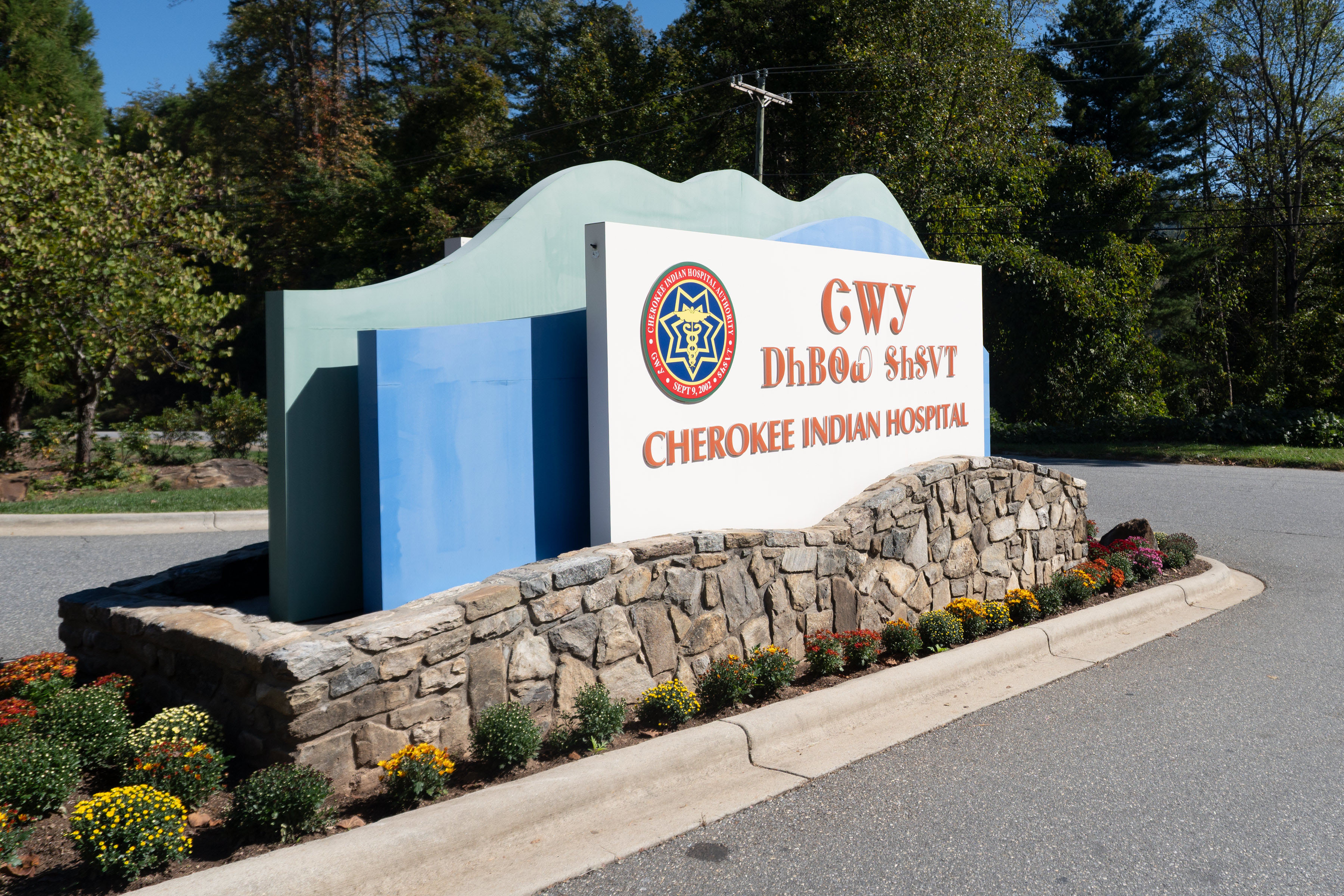
In North Carolina, state health officials report that 3,400 Native Medicaid beneficiaries have been successfully vetted and automatically exempted through institutional coordination. Gwynneth Wildcatt, a director with the Cherokee Indian Hospital Authority and a member of North Carolina’s Medicaid Beneficiary Advisory Council, attributes this local success to a half-decade of intensive infrastructure development. The Eastern Band of Cherokee Indians operates the nation’s sole tribal-run Medicaid managed-care program, allowing seamless integration with the state’s overarching healthcare architecture.
However, the picture is considerably more troubled elsewhere. In Montana—a state boasting one of the highest concentrations of Native residents nationwide—officials opted to accept self-declarations of tribal status without demanding supplemental paperwork. Yet, tribal leaders argue that state outreach has been deficient. Following catastrophic enrollment drops during the unwinding era, local healthcare clinics like the Montana Consortium for Urban Indian Health are still actively working to re-enroll Indigenous patients who lost coverage due to administrative attrition.
Furthermore, operational capacity remains a persistent concern. Jason Smith, executive director of the consortium and a citizen of the Confederated Salish and Kootenai Tribes, questions whether state agencies possess the human resources necessary to execute the mandate. As of September, Montana had failed to hire the full complement of administrative personnel that state analysts estimated were required to manage the expanded workload. Compounding these staffing shortages, federal performance data indicates that Montana residents frequently experience protracted hold times when contacting state assistance helplines.
"Have they improved their communication and outreach?" Smith asked, reflecting the widespread anxiety permeating Indigenous communities. "Will people be there answering phones? It will take time to see."
As the enforcement window rapidly closes, the absence of a unified federal protocol leaves the preservation of healthcare access for hundreds of thousands of Native Americans contingent entirely upon the geographic lottery of where they happen to live.