Paramount Pictures Sets 2028 Release Date for Danny McBride G.I. Joe Reboot Starring Bradley Cooper

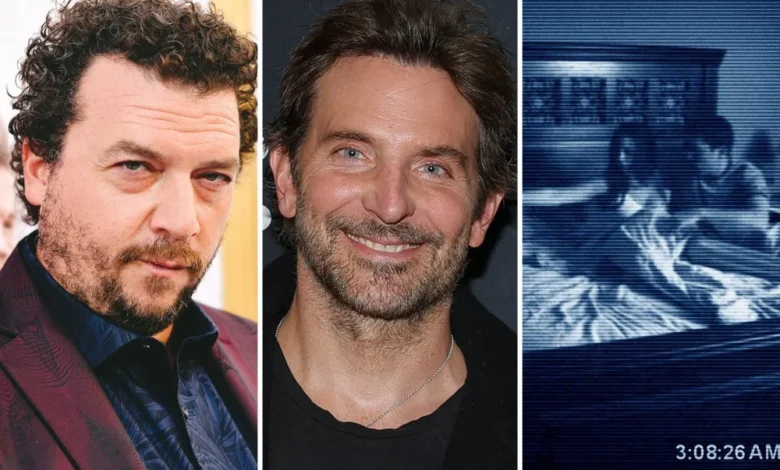
Paramount Pictures has officially solidified its long-term strategic slate, announcing a high-profile release date for its upcoming G.I. Joe reimagining, a project that signals a significant creative pivot for the storied military franchise. The film, which will be directed by Danny McBride, is scheduled to arrive in theaters on October 20, 2028. This announcement marks a definitive step forward for a property that has undergone various iterations since its origins as a Hasbro toy line in the mid-1960s.
The project features a screenplay penned by the collaborative trio of Danny McBride, Jeff Fradley, and John Carcieri. Central to the narrative will be Bradley Cooper, who is confirmed to portray Duke, the quintessential field commander of the G.I. Joe team. While the studio has maintained strict confidentiality regarding the specific plot trajectories of this reboot, the casting of Cooper—an actor known for his ability to anchor massive tentpole productions—suggests a focus on character-driven military drama, a shift from the previous, more action-heavy installments of the live-action franchise.
A Chronological Evolution of G.I. Joe
The G.I. Joe franchise has long served as a cornerstone of Hasbro’s intellectual property portfolio. Following its 1964 debut as an action figure, the brand successfully transitioned into a multi-platform powerhouse. Throughout the 1980s, the "Real American Hero" animated series and associated comic books solidified the lore of the Joes and their primary antagonists, Cobra.
The transition to live-action cinema began in earnest with 2009’s G.I. Joe: The Rise of Cobra, directed by Stephen Sommers. That film grossed approximately $302 million worldwide. It was followed by the 2013 sequel, G.I. Joe: Retaliation, which expanded the cast to include major stars like Dwayne Johnson and Bruce Willis, pushing the franchise toward a more global, ensemble-driven aesthetic. The 2021 spin-off, Snake Eyes, attempted to delve into the origins of the franchise’s most popular ninja operative. The upcoming 2028 film represents the first major attempt to reboot the core team dynamic under the new leadership of the consolidated Paramount-Warner Bros. entity.
Strategic Shifts: The Paranormal Activity Franchise
In tandem with the G.I. Joe announcement, Paramount and the newly rebranded Blumhouse Atomic have adjusted the release calendar for their horror flagship, Paranormal Activity. The next installment in the long-running found-footage series, directed by Ian Tuason, will now premiere on October 22, 2027.
This move reflects a tactical decision to position the horror title within the traditional "Halloween corridor," capitalizing on seasonal demand. The original 2007 Paranormal Activity, directed by Oren Peli, remains a landmark in modern cinema economics. Produced for a reported budget of roughly $15,000, the film generated $194 million globally. Over the course of seven feature films, the franchise has eclipsed $900 million in total box office revenue, demonstrating the enduring viability of the low-budget, high-concept model pioneered by Blumhouse.
The upcoming film will feature a cast including Chase Yi, Sonia Mena, and Maya Da Costa. The production team brings together significant industry expertise, with Oren Peli producing via Solana Films, and James Wan and Jason Blum steering the project for Blumhouse Atomic. The involvement of executive producers such as Michael Clear, Judson Scott, and Steven Schneider underlines the studio’s commitment to maintaining the franchise’s technical and thematic standards as it moves toward its eighth entry.
The New Industry Landscape: Consolidation and Scale
The scheduling of these major titles is occurring under the shadow of a transformed Hollywood landscape. The consolidation of Paramount and Warner Bros. has created a "mega-studio" ecosystem, one that prioritizes the aggressive management of massive intellectual property libraries. Under the guidance of David Ellison’s Skydance, the studio is moving to optimize its output, with a stated mandate to deliver approximately 30 feature films per year.
This massive volume of production requires a delicate balance between established legacy franchises and new, experimental narratives. The studio’s current slate highlights this diversity. For instance, the ongoing development of a new Transformers project, which boasts the involvement of Steven Spielberg as a producer, illustrates the studio’s reliance on "legacy IP" that can sustain multiple cinematic universes.
Simultaneously, the studio is advancing sequels for established hits such as Top Gun, Teenage Mutant Ninja Turtles, Sonic the Hedgehog, and Star Trek. These properties serve as the bedrock of the studio’s financial strategy, providing predictable performance in a volatile theatrical market.
Market Implications of the 30-Film Slate
Industry analysts view the current strategy as a defensive and offensive measure against the fragmentation of the streaming era. By committing to a high-volume theatrical output, the studio aims to maintain its dominance in the global box office while providing a consistent stream of content for its distribution channels.
The collaboration between Warner Bros. and Paramount has already yielded notable developments beyond the aforementioned blockbusters. The studio is currently developing an Ocean’s 11 prequel directed by Bradley Cooper, who is also set to star alongside producer Margot Robbie. Furthermore, the studio is expanding its fantasy footprint with additional Lord of the Rings films and the development of Gladys, the sequel to the well-received Weapons.
The implications for the industry are significant. As the studio streamlines its operations, the focus shifts toward "tentpole" stability. For audiences, this means a steady diet of established brands. For the studio, the primary challenge remains the creative execution of these reboots. The appointment of Danny McBride—a filmmaker often associated with sharp, character-driven storytelling—to helm G.I. Joe suggests an interest in injecting a distinct tonal flavor into the franchise, potentially moving away from the purely spectacle-oriented focus of earlier entries.
Production Infrastructure and Leadership
The production of these films involves a complex web of stakeholders. In the case of G.I. Joe, the oversight of producers Lorenzo di Bonaventura, Mark Vahradian, and Zev Foreman for Hasbro Entertainment ensures that the film remains aligned with the brand’s core identity.
In the horror space, the organizational structure at Blumhouse Atomic, with Alayna Glasthal overseeing the Paranormal Activity project, signals a high level of institutional support for the brand. The inclusion of executive producers like Dan Slater and Cody Calahan indicates that the studio is leaning on a mix of veteran horror producers and newer creative voices to keep the found-footage format relevant for modern audiences who are increasingly accustomed to rapid-fire digital storytelling.
Looking Ahead
The release dates of 2027 and 2028 provide a clear window into the long-term planning of the combined studio. While the immediate future of cinema is often dictated by shifting release dates and production delays, the current roadmap suggests that Paramount and its partners have successfully navigated the initial hurdles of the merger.
As the industry moves closer to these dates, the success of these projects will likely serve as a barometer for the efficacy of the new, consolidated studio model. If the G.I. Joe reboot can capture the cultural zeitgeist in the same way that successful IP revivals like Top Gun: Maverick did, it will validate the strategy of mining legacy libraries for contemporary audiences. Conversely, the continued reliance on established franchises like Paranormal Activity will test whether audiences maintain their appetite for long-running series or if the market will eventually demand a higher frequency of original, non-franchise content.
For now, the industry remains in a phase of re-calibration. With the 2028 G.I. Joe release serving as a distant but critical anchor, the studio is signaling a clear, confident vision for its cinematic future—one that leans heavily on the power of recognizable names, trusted brands, and a massive, diversified production pipeline.