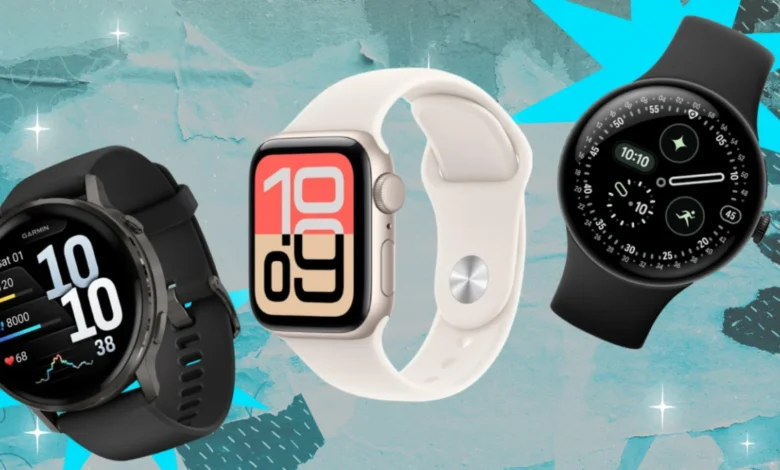
Choosing the ideal smartwatch as a gift in 2026 requires navigating a mature marketplace where device ecosystem integration is the primary determinant of functionality. As of September 2026, the wearable technology sector has shifted from rapid experimental innovation to a phase of refinement, focusing on AI-driven health diagnostics, extended battery efficiency, and deeper integration with smartphone operating systems. Whether the recipient is a casual user interested in basic activity tracking or a dedicated athlete requiring high-frequency data, the selection process hinges on the compatibility between the watch and the recipient’s primary mobile device.
The Current Landscape of Wearable Technology
The 2026 wearable market is characterized by a high degree of brand-specific optimization. Apple’s watchOS 27, Google’s latest Wear OS iterations, and Samsung’s refined One UI Watch interface have created environments where cross-platform utility remains limited. For instance, advanced health metrics and seamless notification synchronization are often locked behind proprietary ecosystems. Market data from the third quarter of 2026 indicates that while shipments have stabilized, consumer preference has tilted toward "value-tier" devices—models that offer core flagship features without the premium price tag associated with the latest hardware releases.
Apple Watch Ecosystem: Balancing Utility and Price
For users entrenched in the Apple ecosystem, the hardware hierarchy is divided between the standard Series line, the entry-level SE, and the specialized Ultra range.
The Apple Watch SE (3rd Generation) currently stands as the most recommended gift for the average user. While it lacks the high-end sensors found in the Series 12—such as the ECG, hypertension alerts, and high-frequency background heart rate monitoring—it utilizes the S10 processor. This chip is more than capable of handling Apple’s suite of AI features, including the latest iterations of Siri and Apple Intelligence. The device supports 1,000 nits of brightness and standard 18-hour battery life, which can be extended to 32 hours in Low Power Mode. By choosing the SE over the Series 12, gift-givers avoid paying for specialized medical sensors that the general population rarely utilizes.
For those engaged in high-intensity training, the Apple Watch Ultra 4 is the clear industry leader. Representing the pinnacle of Apple’s "rugged" design philosophy, the Ultra 4 features a 3,000-nit display and a robust chassis capable of withstanding extreme environmental stressors, including water resistance up to 100 meters. The move to the S11 chip in the Ultra 4 model, combined with an improved battery life of 50 hours, marks a significant performance delta from the Ultra 3. The inclusion of the "Readiness" app, which provides actionable insights on physical recovery, aligns with the industry trend of shifting from raw data collection to prescriptive health coaching.
Android Integration: Google and Samsung Strategy
The Android smartwatch market has reached a point of parity with its iOS counterparts, specifically regarding health data accuracy and AI integration.
The Google Pixel Watch 4 serves as the optimal choice for users of Google’s mobile hardware. Despite the recent launch of the Pixel Watch 5, market analysis suggests the value proposition of the 4th generation remains superior for most gift-givers. The Pixel Watch 4 features a 3,000-nit AMOLED display, dual-band GPS, and comprehensive sensor arrays for heart rate and temperature monitoring. Its integration with Google Gemini provides a distinct advantage for users who rely on the Google Assistant for productivity. While the Pixel Watch 5 introduces a more efficient processor, the functional overlap between the two generations is substantial, as Google has backported core software features like the Workout Builder and Health Guardian to the previous model.

Samsung users face a similar decision with the Galaxy Watch 8. By utilizing the Exynos W1000 chipset, this device maintains performance parity with the newer Galaxy Watch 9. The Galaxy Watch 8 offers a comprehensive health suite, including sleep apnea tracking and the proprietary "Energy Score," which utilizes AI to synthesize recovery data. Because the device supports Google Gemini alongside Samsung’s native services, it remains the most flexible choice for users who might eventually transition away from a pure Samsung phone environment.
Fitness-First Alternatives: The Garmin Paradigm
While Apple, Google, and Samsung focus on the "smart" aspect of the watch—managing notifications, payments, and apps—Garmin remains the dominant player in the pure fitness tracking segment. The release of the Garmin Venu 4 has further solidified this position.
The Venu 4 is designed for the user who prioritizes battery longevity and granular athletic data over general smartphone app connectivity. With a battery life reaching up to 12 days without the Always-On display enabled, it eclipses all major mainstream competitors. Its health sensor suite is geared toward professional-grade metrics, such as VO2 max, ground contact time, and stride length, making it the preferred choice for runners and competitive cyclists. However, it is important to note that the device’s "smart" features are asymmetrical; Android users retain the ability to reply to texts and view images from notifications, whereas iOS users face restricted notification interaction due to Apple’s walled-garden approach to Bluetooth messaging protocols.
Implications of 2026 Hardware Trends
The broader implication of these product cycles is a lengthening of the "useful life" of a smartwatch. As processors become more efficient and health algorithms are refined via software updates, the need for an annual upgrade has diminished.
Industry analysts note that manufacturers are increasingly focusing on "software-defined hardware." This means that a device’s value is no longer determined solely by its silicon, but by the frequency and depth of health-tracking updates provided by the manufacturer. Consequently, consumers are moving away from purchasing the "latest" version and are instead looking for hardware that offers the best balance of battery efficiency and sensor accuracy.
For the gift-giver, this creates an opportunity. Selecting a "last-generation" model like the Apple Watch SE, the Pixel Watch 4, or the Galaxy Watch 8 provides the recipient with a device that is 90% as capable as the flagship model, often at a significantly reduced price point. This trend is unlikely to reverse in the near future, as the physical hardware for heart rate and GPS tracking has reached a plateau of reliability.
Conclusion for Consumers
When purchasing a smartwatch in late 2026, the decision should be dictated by three specific criteria:
- The Smartphone OS: Do not purchase a device outside of the recipient’s current smartphone ecosystem, as the loss of functionality—such as notification syncing or health data integration—will inevitably lead to a poor user experience.
- The User Profile: Identify if the recipient is a lifestyle user (Apple Watch SE, Pixel Watch 4) or a data-focused athlete (Garmin Venu 4, Apple Watch Ultra 4).
- Value vs. Newness: Given that current-generation watches offer only marginal hardware improvements over their immediate predecessors, mid-tier models often represent the most logical and cost-effective gift choice.
As the market continues to mature, the focus of the industry will remain on health integration and AI-assisted coaching. These devices are no longer merely extensions of a phone; they are now primary diagnostic tools for daily wellness. By understanding these technical and market-based nuances, consumers can ensure that their gift remains relevant and useful well beyond the initial holiday season.
Related posts: