The Seasonal Harvest: A Comprehensive Analysis of Culinary Strategies for Peak Summer Produce

The peak of the North American summer harvest marks a critical period for both the agricultural sector and domestic culinary habits, as a diverse array of produce reaches its nutritional and flavorful zenith. This seasonal transition, characterized by the abundance of corn, tomatoes, zucchini, stone fruits, and berries, necessitates a strategic approach to food preparation to maximize yield and minimize waste. As consumers increasingly frequent farmer’s markets—a sector that has seen significant growth according to United States Department of Agriculture (USDA) data—the demand for versatile, time-efficient, and health-conscious recipes has reached a seasonal high. The following analysis explores the integration of these fresh ingredients into modern diets, categorized by botanical group and culinary application, while examining the broader economic and nutritional implications of seasonal eating.
The Economic and Social Drivers of Farmer’s Market Growth
The modern farmer’s market has evolved from a niche community gathering into a significant pillar of the local food economy. According to the USDA’s Agricultural Marketing Service, there are currently over 8,600 farmer’s markets registered in the National Farmers Market Directory, a substantial increase from the approximately 2,000 recorded in 1994. This growth is driven by a consumer shift toward transparency in the food supply chain and a desire for "farm-to-table" freshness that industrial supply chains often struggle to replicate.
Market analysts suggest that the "morning at the farmer’s market" has become a cultural touchstone, blending commerce with community engagement. However, the influx of bulk produce—often sold in larger quantities than typical supermarket portions—presents a logistical challenge for the average household. Culinary experts note that the primary hurdle for consumers is not the acquisition of produce, but the effective utilization of it before spoilage. This has led to a resurgence in "utilitarian cooking," where a single market haul is translated into a week-long menu of salads, quick-fire dinners, and preserved snacks.
A Chronology of the Summer Harvest
The availability of summer produce follows a specific chronological sequence, dictated by soil temperature and daylight hours. Understanding this timeline is essential for both meal planning and economic efficiency.
- Early Summer (June – Early July): The season typically opens with the arrival of strawberries and green beans. During this phase, produce is often characterized by high water content and delicate flavors.
- Mid-Summer (July – August): This period represents the "peak" of the harvest. Stone fruits such as peaches and nectarines reach maturity, alongside the first wave of field-grown tomatoes and zucchini. This is also the primary window for sweet corn.
- Late Summer (August – September): The harvest shifts toward more robust varieties. Peppers, late-season tomatoes, and hardy greens like kale become more prominent, offering deeper flavors suitable for roasting and preservation.
Culinary Frameworks: From Stone Fruits to Nightshades
The current culinary landscape emphasizes "produce-forward" cooking, where the vegetable or fruit serves as the primary protein or structural element of the dish. Several key frameworks have emerged to handle the summer glut effectively.
The Stone Fruit and Berry Portfolio
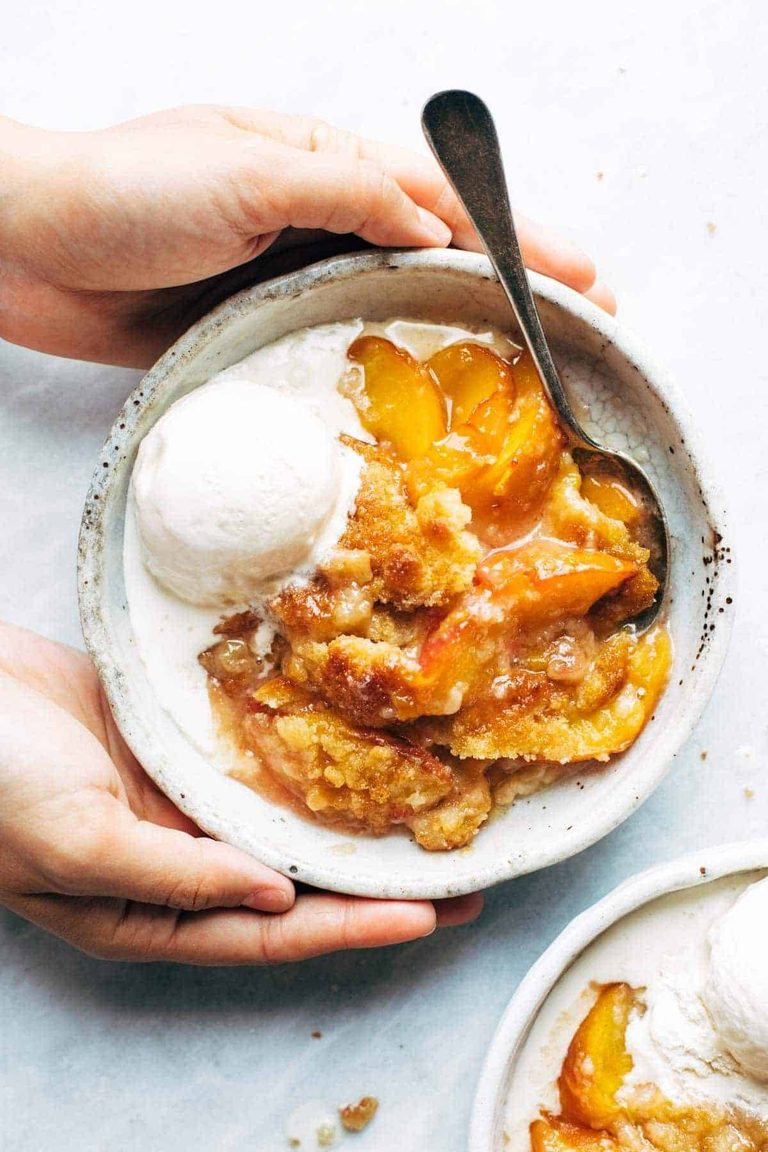
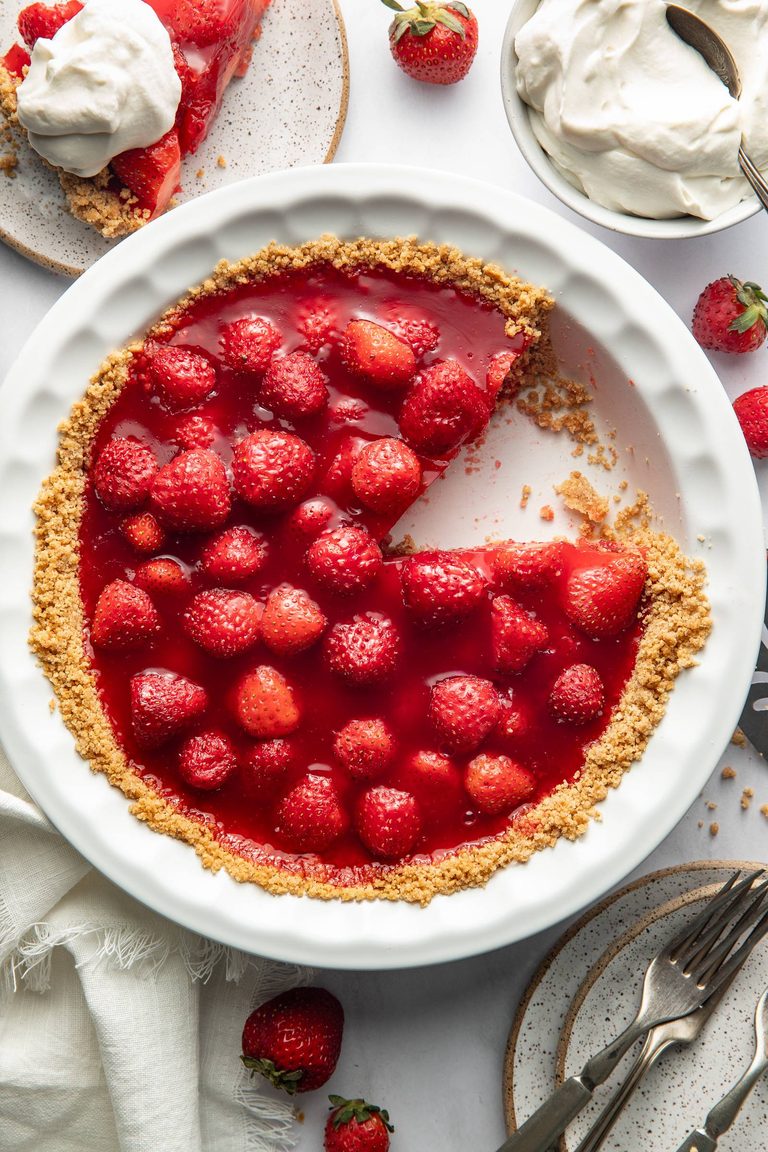
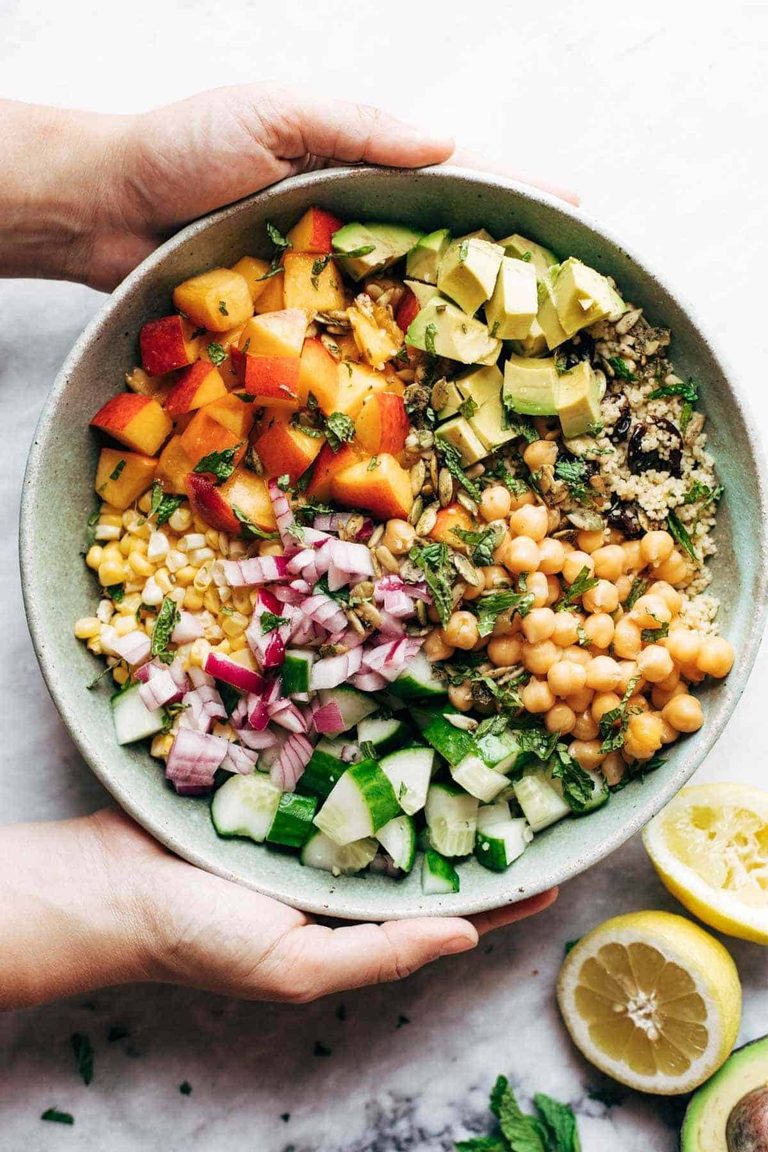
Stone fruits, particularly peaches, and berries like strawberries, are frequently utilized in both traditional desserts and contemporary savory applications. The "Peach Cobbler" remains a benchmark for summer confectionery, utilizing a biscuit-style topping to complement the natural sugars of the fruit. In a more innovative turn, "Pickled Strawberries" have gained traction as a sophisticated accompaniment to sourdough and goat cheese, demonstrating the application of acid to extend the shelf life of highly perishable berries. The "Easy Strawberry Pie" further illustrates the use of fresh fruit in a raw or lightly macerated state to preserve its structural integrity.
Nightshades and Summer Squash
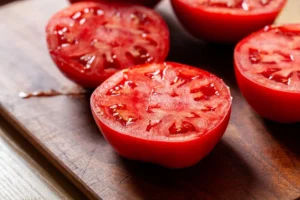
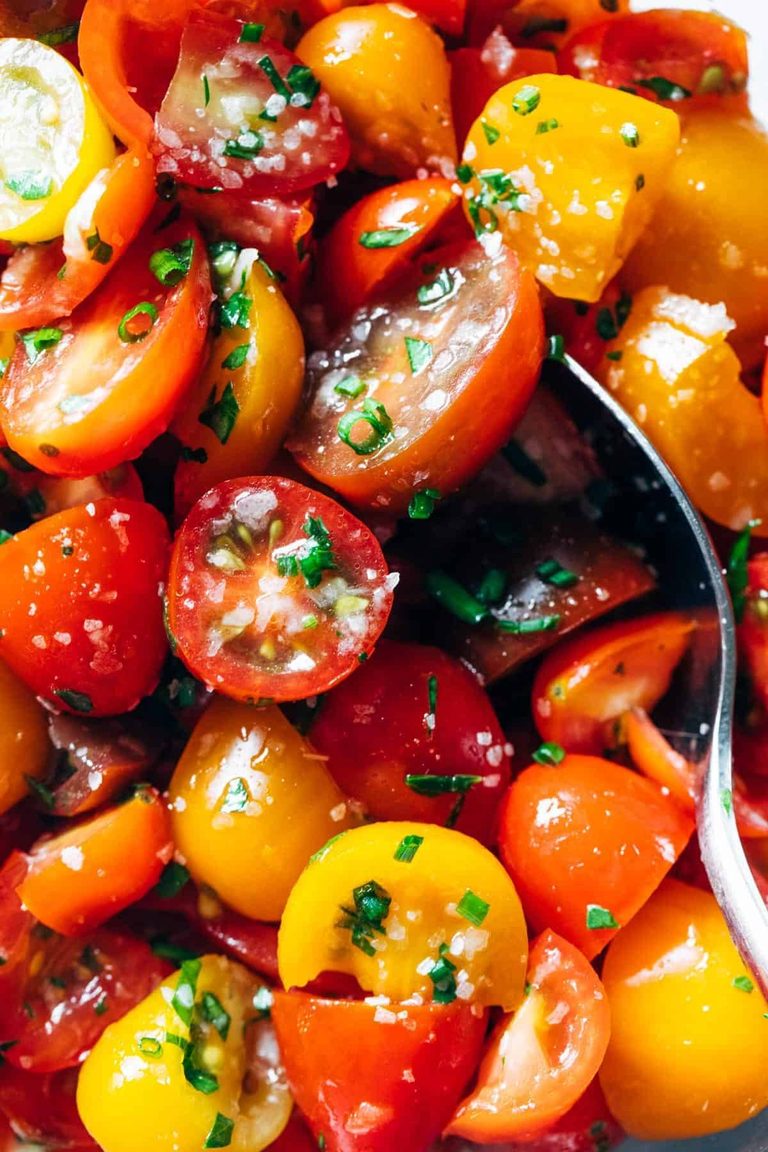
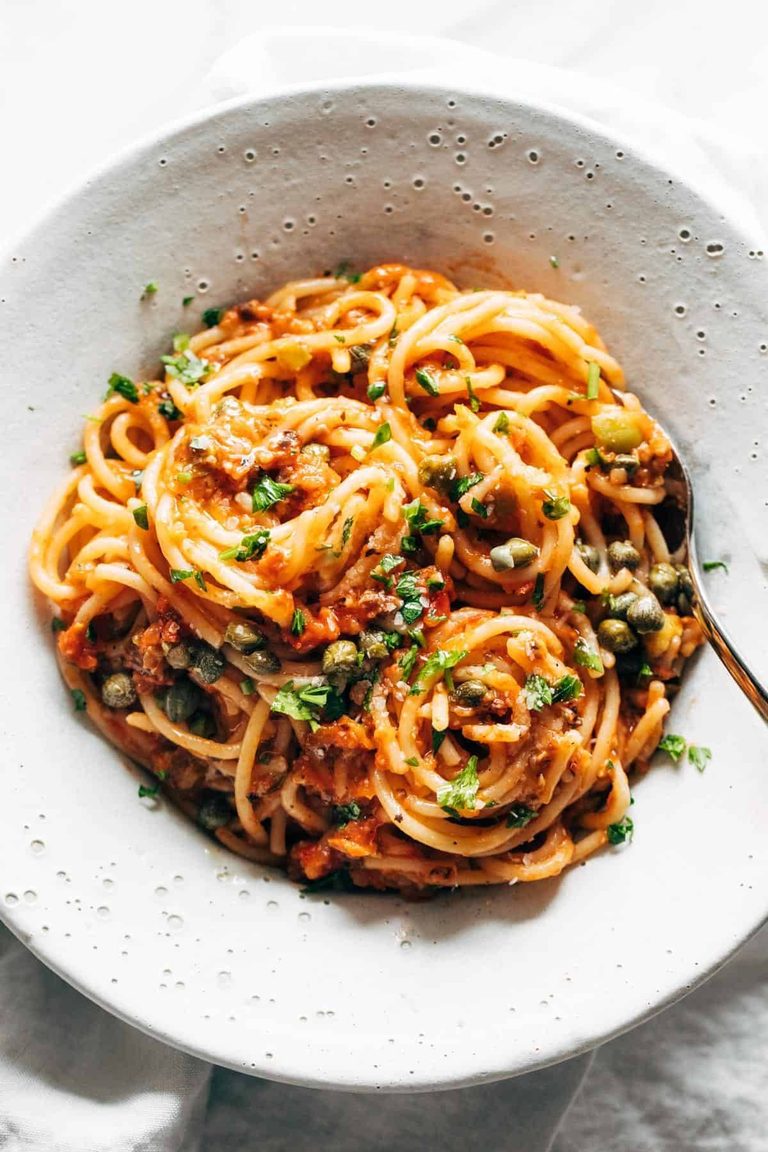
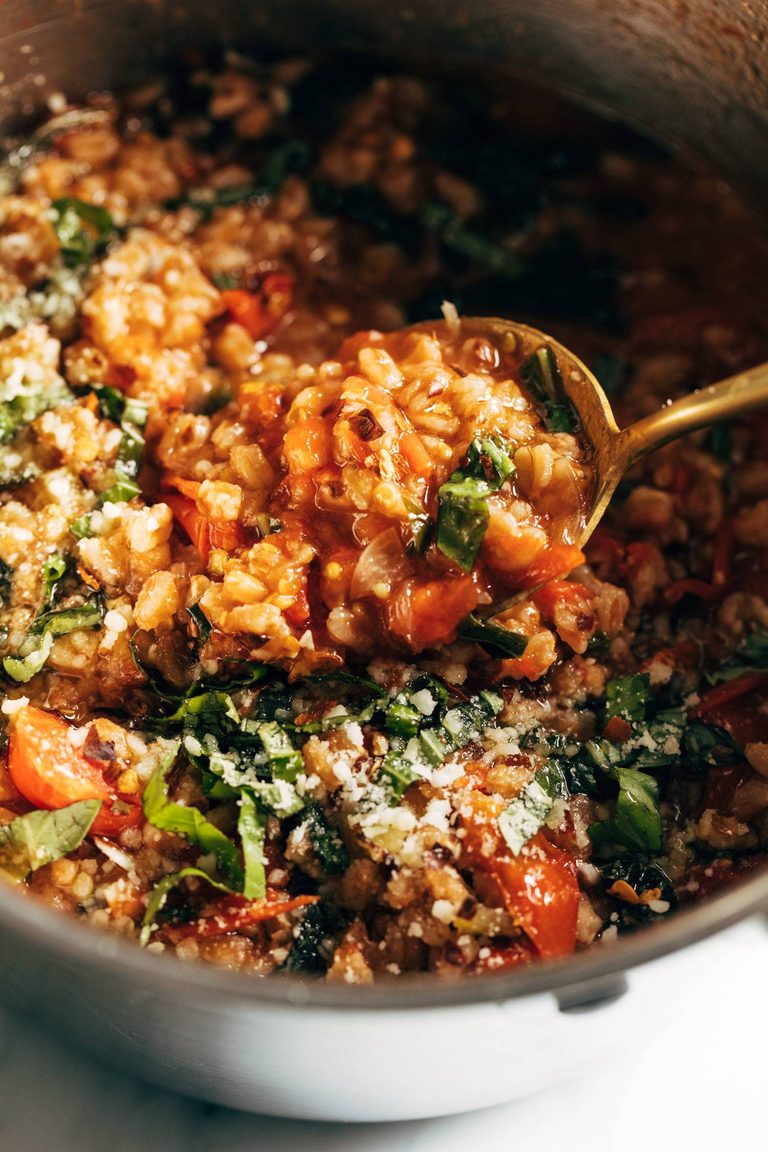
Tomatoes and zucchini are arguably the most prolific of the summer crops. The "5-Ingredient Marinated Tomato" technique serves as a foundational culinary skill, using acidity and aromatics to enhance the flavor of heirlooms and cherry tomatoes. These can be integrated into complex dishes such as "Roasted Tomato Puttanesca" or "Garlic Shrimp and Tomatoes with Parmesan Orzo."
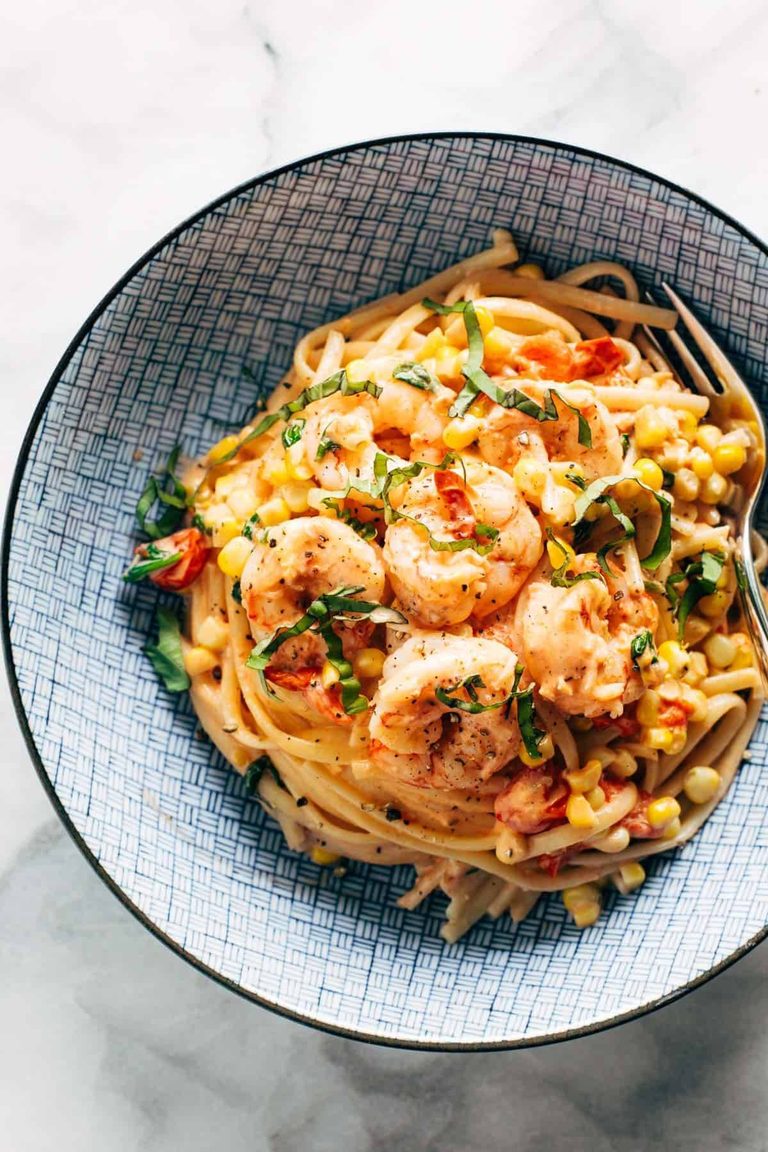
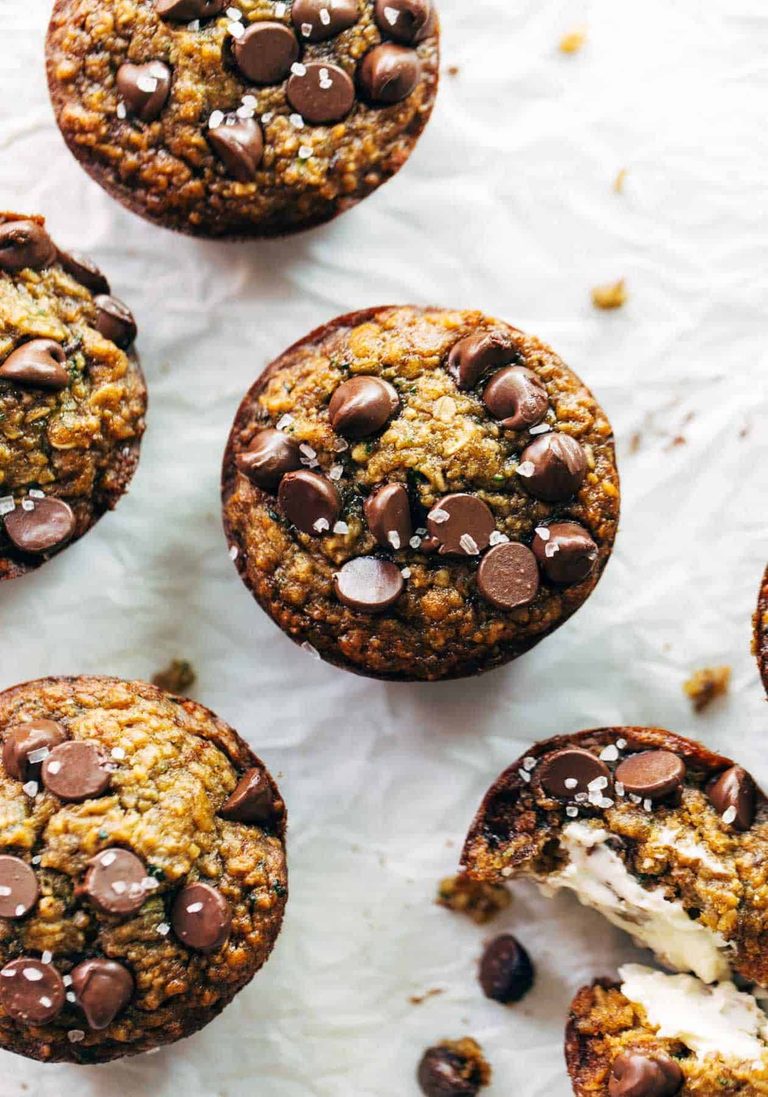
Zucchini, known for its rapid growth and high yield, requires diverse preparation methods to prevent "palate fatigue." This includes "Feel-Good Zucchini Muffins" and "Almond Butter Chocolate Chip Zucchini Bars," which utilize the moisture of the squash for baking, as well as "Burst Tomato and Zucchini Spaghetti," where the vegetable is used as a pasta substitute or supplement.
The Versatility of Sweet Corn and Legumes
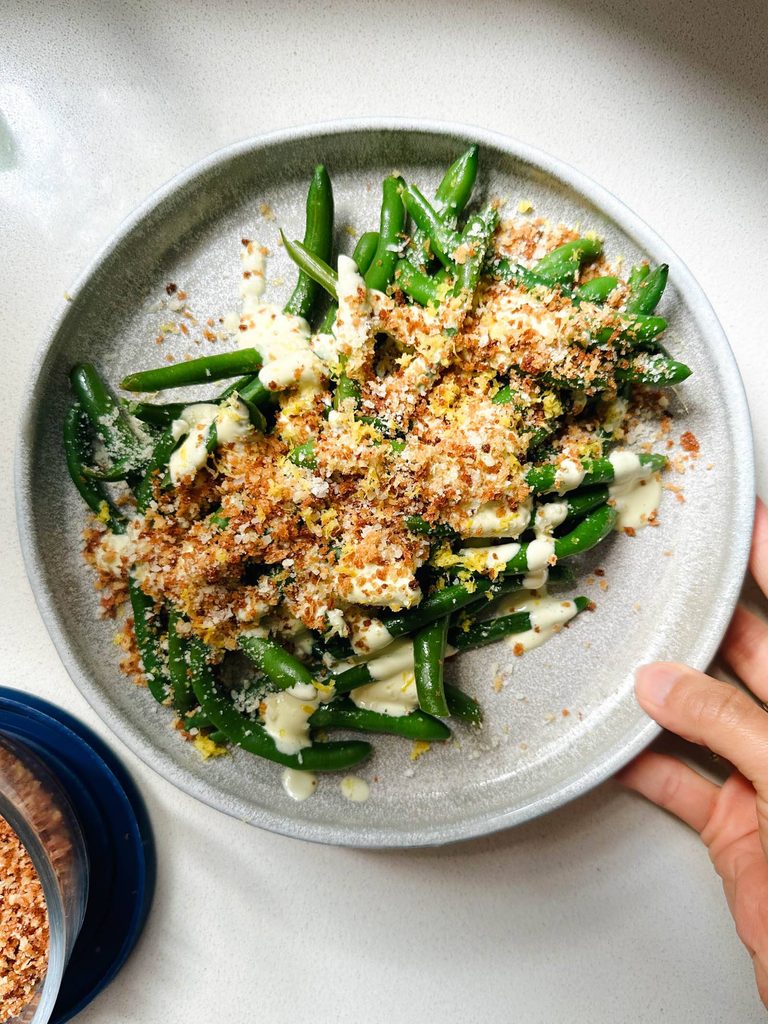
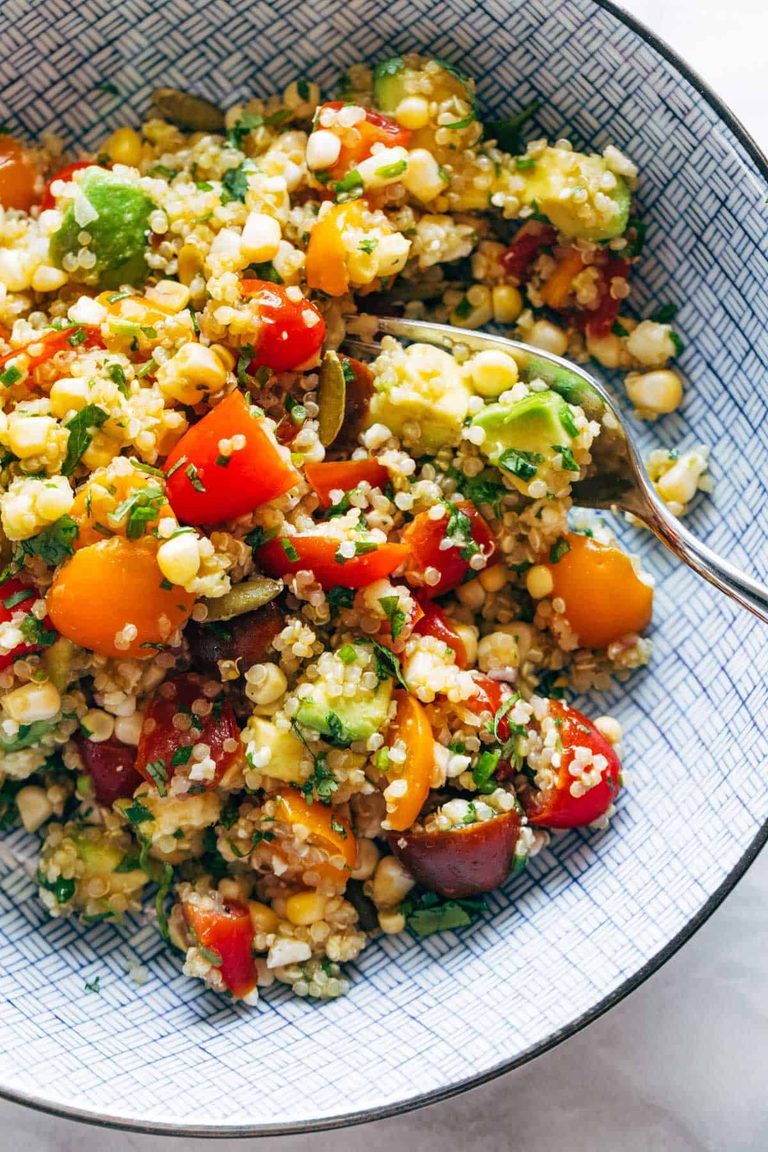
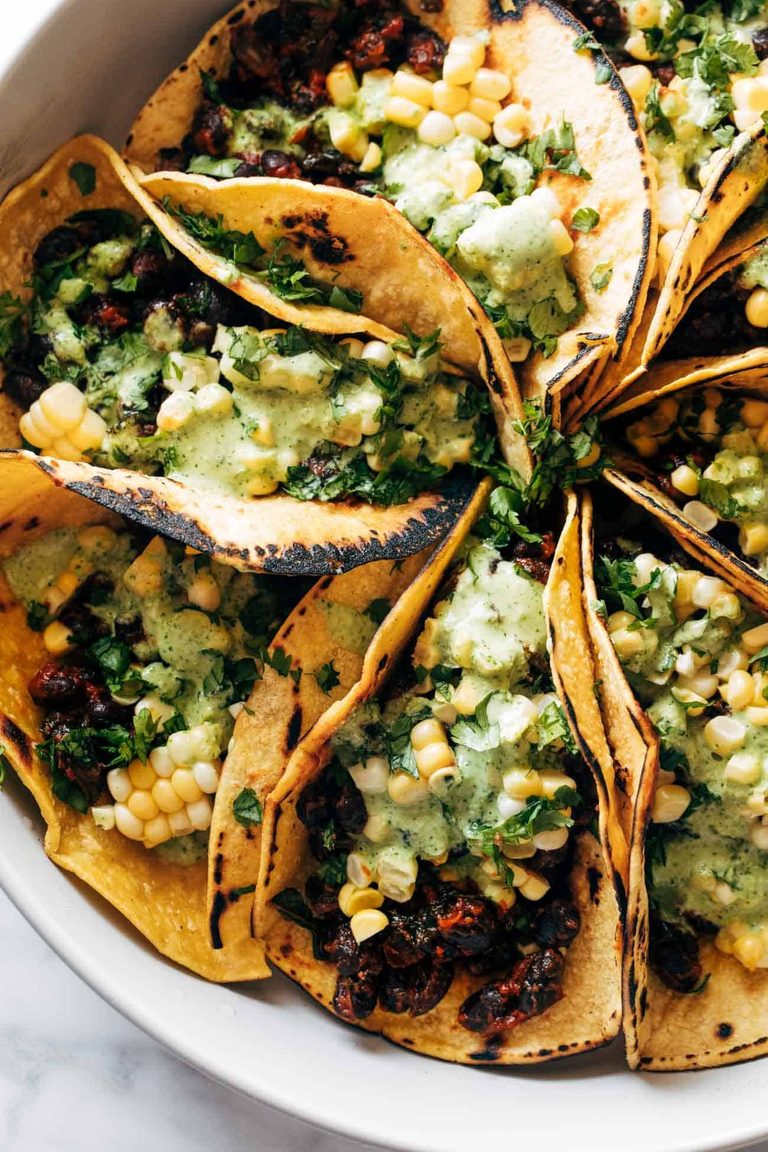
Corn is a staple of the summer diet, often featured in "Elote Style Quinoa Salads" or "Salmon Tacos with Mango Corn Salsa." The nutritional profile of corn—rich in lutein and zeaxanthin—makes it a valuable addition to summer salads. Similarly, green beans have moved beyond the traditional casserole, with modern preparations like "Avocado Caesar Green Beans" emphasizing a crisp-tender texture and fresh dressings.
Nutritional Profiles and Health Implications
The health benefits of consuming seasonal produce are supported by extensive nutritional research. Produce harvested at peak ripeness often contains higher levels of vitamins and antioxidants compared to items picked prematurely for long-distance transport.
- Tomatoes: High in lycopene, an antioxidant linked to reduced risk of heart disease and certain cancers.
- Zucchini: Low in calories but high in fiber and potassium, aiding in digestion and blood pressure regulation.
- Bell Peppers: A significant source of Vitamin C, often exceeding the content found in citrus fruits when consumed raw.
- Berries and Peaches: Rich in polyphenols and fiber, contributing to gut health and anti-inflammatory responses.
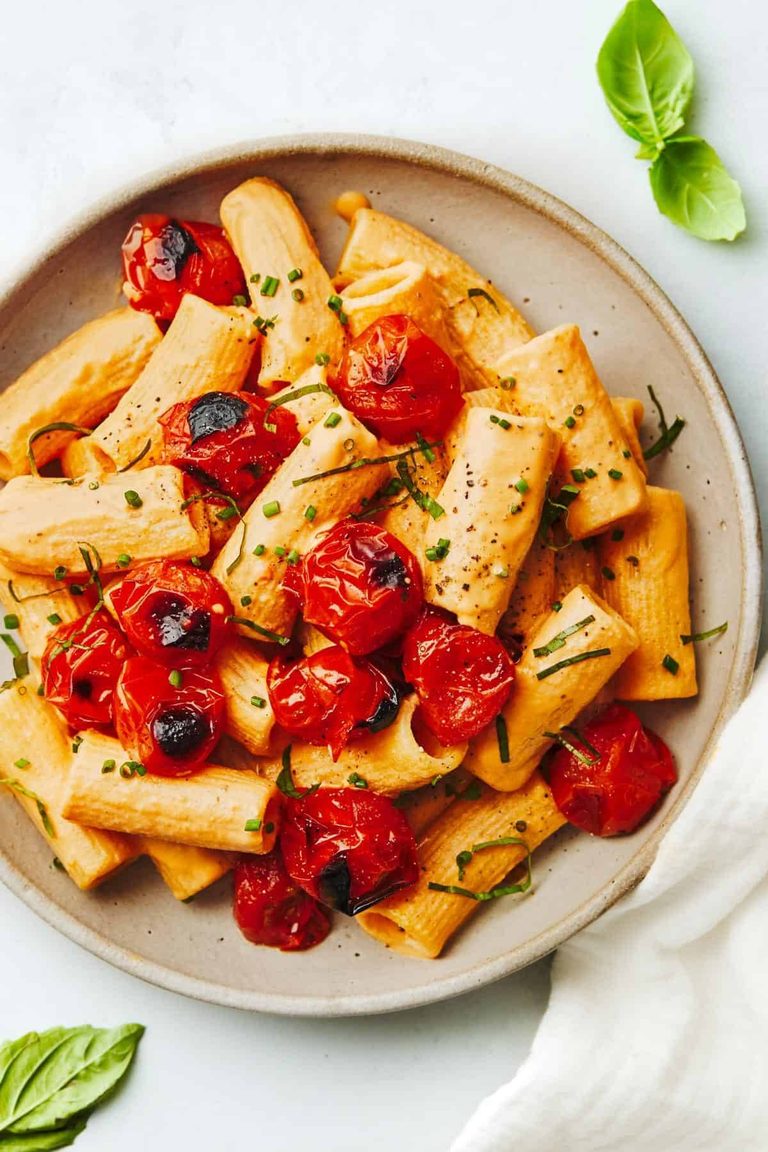
Furthermore, the "plant-forward" recipes mentioned, such as the "Creamy Vegan Red Pepper Pasta," highlight a broader public health trend toward reducing meat consumption. By using roasted red peppers and nutritional yeast to create "cream" sauces, home cooks can achieve savory satisfaction while lowering saturated fat intake.
Statements and Reactions from the Culinary Community
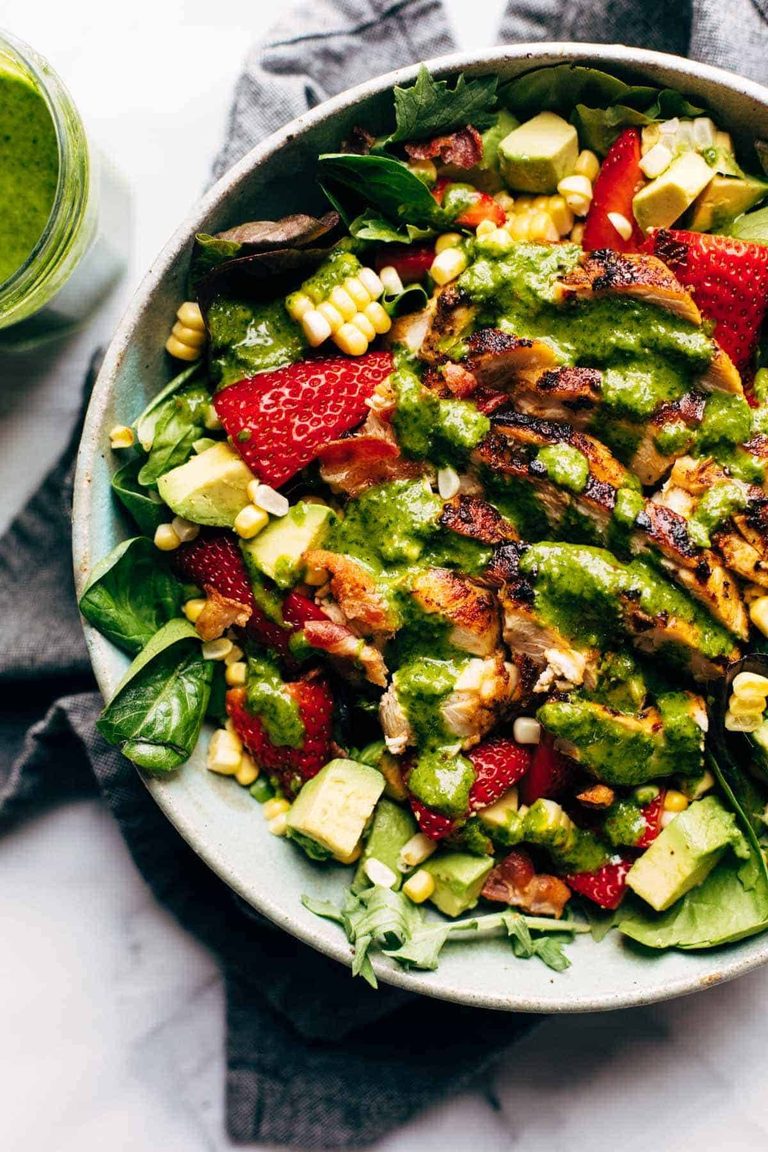
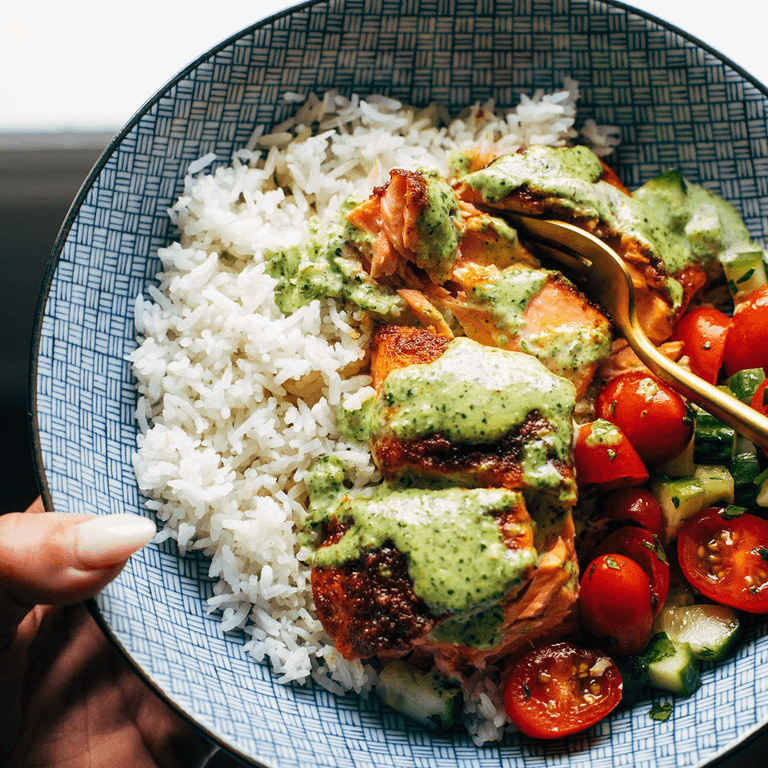
Professional chefs and dietitians have increasingly advocated for a "minimalist" approach to summer produce. "The goal with peak-season ingredients is to do as little as possible to them," states a common culinary maxim. This sentiment is reflected in the "5 Minute Magic Green Sauce" and "Very Incredible Basil Sauce," which act as versatile "flavor boosters" that can be applied to various proteins and grains without overshadowing the fresh produce.
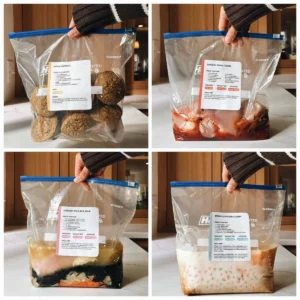
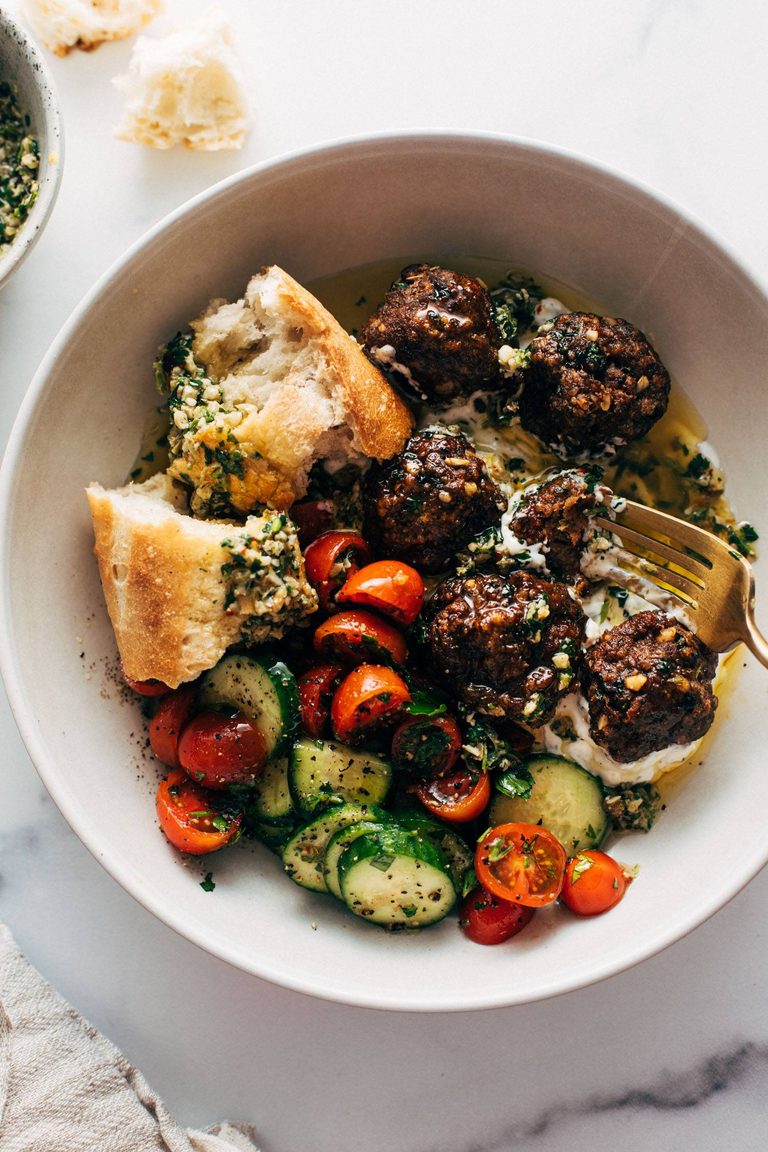
Consumer feedback on these culinary strategies has been overwhelmingly positive, particularly regarding "SOS" (Save Our Supper) meals. The "Banza Chicken Bowls" and "Sheet Pan Meatballs with Tomato Salad" are cited as examples of how to maintain a high-quality diet during the busy summer months by utilizing pre-made components (like store-bought meatballs) alongside fresh market finds.
Broader Environmental and Sustainability Impact
The environmental implications of sourcing food from farmer’s markets are profound. By reducing the "food miles" associated with the average meal—which in the United States is estimated to travel roughly 1,500 miles from farm to plate—consumers significantly lower their carbon footprint.
Additionally, the recipes that utilize "every last bit" of produce contribute to a reduction in domestic food waste. In the United States, approximately 30-40% of the food supply is wasted, much of it at the household level. Techniques such as turning herb stems into "Magic Green Sauce" or overripe peaches into cobbler are practical steps toward a more circular and sustainable kitchen economy.
Conclusion: The Longevity of the Farm-to-Table Movement
The transition to a seasonal, produce-centric diet is more than a fleeting summer trend; it is a reflection of a growing awareness of health, economy, and environment. The diverse range of recipes—from "Lemongrass Chicken with Zucchini" to "Crispy Rice Salad with Cucumbers"—provides a roadmap for navigating the abundance of the season. As the harvest continues through the late summer months, the ability to transform raw agricultural goods into sophisticated, nutritious meals remains an essential skill for the modern consumer. By embracing the logistical "problem" of an overabundance of produce, home cooks are contributing to a more resilient and vibrant local food system.