Science Corporation Enlists Top Neurobiologist for Pioneering U.S. Human Trials of Biohybrid Brain-Computer Interface

Science Corporation, the innovative startup founded by former Neuralink president and co-founder Max Hodak, has announced a significant leap forward in its ambitious quest to bridge biology and electronics within the human brain. The company has successfully enlisted Dr. Murat Günel, the distinguished chair of Yale Medical School’s Department of Neurosurgery, to spearhead the initial U.S. human trials for its groundbreaking biohybrid brain-computer interface (BCI) technology. This collaboration marks a pivotal moment for the burgeoning field of neurotechnology, as Science Corp prepares to test a device that aims to combine the precision of electronics with the natural integration capabilities of lab-grown neurons.
A New Chapter in Neurosurgical Innovation
Dr. Günel’s decision to join Science Corporation as a scientific adviser comes after two years of intensive discussions, underscoring the profound potential he sees in the company’s unique approach. His primary objective is to surgically implant the first sensor of this future interface into a patient’s brain. This initial step is critical for validating the safety and preliminary efficacy of a system designed to eventually incorporate lab-grown neurons, creating a truly organic bridge between human biology and advanced computing. The implications of such a successful integration could be transformative, offering new avenues for treating neurological disorders and potentially expanding human capabilities.
Science Corporation, established in 2021, has rapidly ascended in the biotech landscape, recently completing a Series C fundraising round that secured $230 million. This latest infusion of capital, closed last month, propelled the company’s valuation to an impressive $1.5 billion, signaling strong investor confidence in its vision and technological roadmap. While its most advanced product, PRIMA, a device aimed at restoring vision for individuals suffering from macular degeneration and similar conditions, is progressing through clinical trials and nearing regulatory approval in Europe, Hodak’s long-term ambition extends far beyond vision restoration.
Max Hodak’s Vision: Beyond Neuralink
Max Hodak’s career has been singularly dedicated to the profound proposition of creating reliable communication links between computers and the human brain. This dedication stems from a vision not only to treat debilitating diseases but also to forge a path toward human enhancement, including the possibility of integrating entirely new senses into the body. His journey began unconventionally, talking his way into a graduate neuroscience lab as an undergraduate. This early drive led him to found his first biotech computing startup and subsequently to co-found Neuralink alongside Elon Musk, a venture that brought the concept of brain implants into mainstream consciousness.
The BCI landscape has seen significant advancements, with organizations like Neuralink, Synchron, and Blackrock Neurotech achieving remarkable success in allowing patients with conditions such as ALS or spinal cord injuries to control computers or generate text through thought alone. These electronic sensors can detect brain activity, offering a lifeline to those whose communication with their bodies has been severed. However, the path to widespread market adoption for these devices remains fraught with challenges, including complex regulatory hurdles, the relatively small patient populations for specific diagnoses, and inherent limitations of existing technologies.
The Biohybrid Advantage: Addressing Core Challenges
A critical insight that shaped Science Corporation’s direction came from Hodak’s conclusion that the conventional method of influencing the brain with electricity via metal probes or electrodes, while achieving notable results, presented inherent drawbacks. Dr. Günel echoes this concern, noting that such probes can cause brain damage, potentially undermining device performance over time and necessitating future revisions or replacements. This fundamental limitation steered the Science founding team towards a radically different, more organic approach.
"The idea of using natural connections through neurons and creating a biological interface between the electronics and the human brain is genius," Dr. Günel conveyed to TechCrunch, highlighting the core innovation at the heart of Science Corp’s technology. This "biohybrid" strategy seeks to overcome the challenges of chronic inflammation and signal degradation often associated with purely electronic implants.
The Science Behind the Biohybrid Sensor
Alan Mardinly, a co-founder and Science Corporation’s chief science officer, has been instrumental in leading the development of this biohybrid sensor. Alongside a dedicated team of 30 researchers, Mardinly has focused on creating a device that will be embedded with lab-grown neurons. These engineered neurons are designed to be stimulated with pulses of light, a gentler and potentially more precise method than electrical stimulation. Crucially, they are intended to naturally integrate with the patient’s existing brain neurons, establishing a seamless, biological-electronic bridge.
In 2024, the company published a working paper on bioRxiv, a pre-print server, demonstrating that their device could be safely implanted in mice and effectively used to stimulate brain activity. This preclinical success provided crucial validation for their innovative approach. Internally, the company’s focus has now shifted towards developing advanced prototypes of the device and refining the processes for growing and culturing neuron cells specifically tailored for various therapeutic applications, all while adhering to the stringent standards required for medical use.
Navigating the Clinical Trial Pathway
Dr. Günel’s role as an adviser will be crucial as the team prepares for human clinical trials. He is already engaged in discussions with the medical ethics boards responsible for overseeing experiments involving human subjects, a critical step in the regulatory process. The initial phase of human testing will involve evaluating the company’s advanced sensor – notably, without the embedded lab-grown neurons – inside a living human brain. This phased approach allows for a meticulous assessment of the device’s safety and fundamental recording capabilities before introducing the biological component.
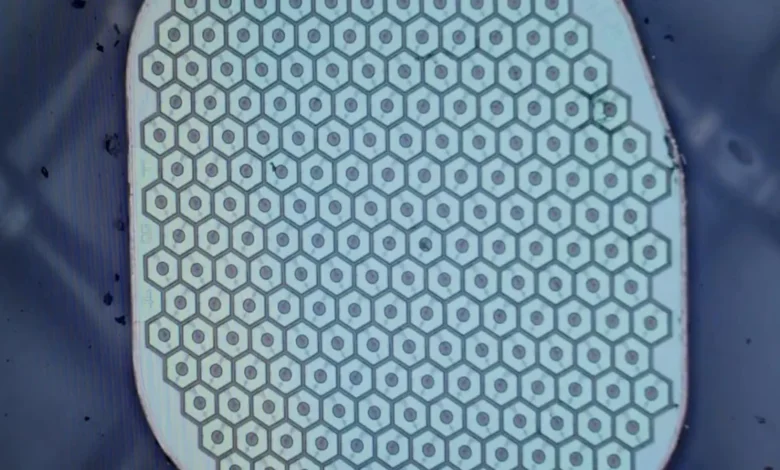
One key differentiator from devices like Neuralink, which typically involve direct insertion into brain tissue, is Science Corporation’s implant strategy. Their sensor is designed to be implanted inside the skull but will rest on top of the brain’s surface, rather than penetrating it. This less invasive placement is a significant factor in the company’s current regulatory strategy. Science Corporation posits that, due to this distinction and the device’s miniature size – containing 520 recording electrodes packed into an area comparable to a pea – it poses no significant risk to patients. Consequently, the company does not anticipate needing to seek full FDA approval for these initial exploratory trials, focusing instead on demonstrating safety and efficacy through careful clinical observation.
The plan for patient recruitment is equally strategic. The team intends to identify candidates who are already scheduled for significant brain surgery, such as stroke victims requiring a craniectomy to alleviate brain swelling. In such cases, Dr. Günel envisions placing the sensor on top of the patient’s cerebral cortex, using the opportunity to evaluate its safety and effectiveness in measuring brain activity without requiring an additional, separate invasive procedure. This approach leverages existing medical necessity, potentially streamlining the initial trial phases.
Therapeutic Promise and Future Horizons
Dr. Günel expresses considerable optimism about the device’s potential to address a multitude of neurological conditions, provided its initial trials prove successful. Early applications could include delivering gentle electrical stimulation to damaged brain or spinal cord cells to encourage healing and regeneration. A more complex, yet equally vital, application might involve continuously monitoring neurological activity in patients with brain tumors, providing early warnings of impending seizures or other critical events to caregivers and medical professionals.
Looking further ahead, Dr. Günel contemplates the profound impact these devices could have on chronic progressive disorders like Parkinson’s disease. Parkinson’s progressively robs patients of control over their bodies, and current treatments, including experimental brain cell transplants and deep brain stimulation (DBS) with electricity, primarily manage symptoms rather than halting disease progression. DBS, for instance, involves implanting electrodes to deliver electrical impulses to specific brain areas, which can significantly reduce tremors and rigidity, but does not prevent the underlying neurodegeneration. Stem cell therapies, while promising, are still largely experimental and face significant hurdles in terms of consistent integration and efficacy.
"I imagine this biohybrid system as combining those two—you have the electronics, and you have the biological system," Dr. Günel articulated to TechCrunch, emphasizing the synergistic potential. He elaborated on the limitations of current Parkinson’s treatments: "In Parkinson’s, for example, we cannot stop the progression of the disease; in neurosurgery, all we are doing is putting an electrode to stop the tremors. Whereas if you can really put the [transplanted] cells back in the brain, protect those circuits, there’s a chance, and I believe it’s a good chance, that we can stop progression of the disease." This vision underscores the fundamental difference of Science Corp’s approach: integrating new, healthy neural tissue that can actively participate in brain function and repair, rather than solely modulating existing, damaged circuits.
The global burden of neurological disorders is immense, with conditions like Parkinson’s affecting millions worldwide. According to the Parkinson’s Foundation, nearly one million people in the U.S. are living with Parkinson’s disease, and this number is projected to rise significantly. Macular degeneration, which PRIMA targets, affects over 11 million Americans, a figure expected to double by 2050. The development of more effective and less invasive treatments for these conditions represents a massive unmet medical need and a substantial market opportunity.
Challenges and the Road Ahead
Despite the immense promise, there is much rigorous work to be done. The regulatory landscape for novel BCIs, especially those incorporating biological components, remains complex and evolving. While Science Corp’s initial sensor trials may avoid the full FDA approval process due to their less invasive nature, any future iteration incorporating lab-grown neurons and intended for long-term therapeutic use will undoubtedly face stringent regulatory scrutiny. Ethical considerations surrounding brain implants, data privacy, and the potential for human enhancement will also continue to be central to public discourse and regulatory oversight.
Dr. Günel himself acknowledges the extensive timeline, stating it would be "optimistic" to expect trials to commence in 2027. This realistic outlook reflects the meticulous planning, ethical reviews, and scientific validation required for such pioneering human interventions. The journey from concept to widespread clinical application for a biohybrid BCI is long and arduous, demanding not only scientific brilliance but also unwavering commitment to patient safety and ethical principles.
Science Corporation’s entry into human trials with a distinguished neurosurgeon like Dr. Murat Günel marks a significant milestone in the quest to unlock the full potential of brain-computer interfaces. By daring to integrate biology with electronics, the company is not merely seeking to improve existing treatments but to fundamentally redefine the relationship between the human brain and technology, potentially ushering in an era of unprecedented neurological healing and human-machine symbiosis. The world will be watching closely as this ambitious vision begins to take its first steps towards reality.