The Evolution of Global Tourism How Working Holidays and Ethical Volunteering are Redefining International Travel Immersion

The global travel industry is currently undergoing a fundamental shift as a growing demographic of international voyagers moves away from "extractive" tourism toward more "embedded" and transformative experiences. This transition marks a departure from traditional passive travel—characterized by brief visits to landmarks and minimal local interaction—toward long-term stays that prioritize community contribution and economic integration. Industry experts and long-term travelers alike are increasingly advocating for a model where visitors do not merely pass through a destination but actively participate in its social and economic fabric through working holidays, teaching positions, and vetted volunteer programs.
The Rise of the Embedded Traveler
For decades, the standard for international travel was defined by the "tourist" model: a short-term excursion focused on consumption. However, the rise of the "slow travel" movement and the subsequent "digital nomad" phenomenon have paved the way for a more integrated approach. While digital nomads often work remotely for companies based in their home countries, a new wave of travelers is choosing to integrate directly into local economies. This "working holiday" model allows individuals to secure employment within their host country, fostering a deeper level of cultural immersion that transient tourism cannot provide.
According to travel industry analysts, the "extractive" nature of traditional tourism often creates a barrier between the visitor and the local population. Locals in high-traffic tourist hubs frequently view short-term visitors as a commodity rather than potential neighbors. By contrast, those who remain in a location for six months to a year, working in local businesses or participating in community projects, report a significantly higher rate of meaningful relationship-building and cultural understanding.
Global Work and Travel: A Case Study in Structured Immersion
At the forefront of this shift is Global Work & Travel, a leading organization in the gap year and working holiday sector. Established nearly two decades ago, the company has facilitated international placements for over 116,000 individuals across the United Kingdom, Europe, the Americas, Asia, Africa, and the Pacific. The organization provides what industry experts call "scaffolding"—a support system that manages the complex logistics of moving abroad, which often act as a deterrent for prospective long-term travelers.
The logistical hurdles of working abroad are substantial. Navigating visa requirements, securing permanent housing, and competing with locals for employment in a foreign market are significant barriers to entry. Structured programs address these issues by providing job matching, pre-departure guidance, and ongoing assistance through digital management platforms like the gWorld portal. This professionalized approach to the "gap year" has expanded the demographic of long-term travelers, making it accessible not just to students, but to professionals seeking a career break or a lifestyle change.
The Shift from Digital Nomadism to Working Holidays
While the digital nomad lifestyle has been highly romanticized over the last decade, it remains inaccessible to a large portion of the global workforce. Remote work typically requires a specific set of skills, a stable income in a strong currency, and a career level that allows for geographic independence.
The working holiday model offers a more grounded and accessible alternative. By obtaining a job upon arrival, travelers integrate into the local economy rather than existing in a parallel "expat bubble" of coworking spaces and short-term rentals. This model allows travelers to meet peers through traditional workplace environments, providing a structured social circle and a reason to remain in one location long enough to build a life. Furthermore, it allows for a more sustainable financial model for younger travelers who may not have the savings required for an extended period of unpaid travel.
Ethical Volunteering and Wildlife Conservation
The reputation of international volunteering, often referred to as "voluntourism," has been scrutinized in recent years. Critics argue that many programs are profit-driven and provide little to no long-term benefit to the host communities. In response, the industry has seen a move toward more rigorous vetting and ethical standards.
Current trends in ethical volunteering focus on projects defined by local needs rather than traveler desires. This includes community development in Zanzibar, wildlife conservation in South Africa, and elephant rehabilitation in Thailand. By working alongside local experts and community leaders, volunteers contribute to ongoing projects that address specific ecological and social challenges.
To ensure long-term impact, organizations have begun establishing dedicated funds, such as the Global Animal Welfare Fund, which channels resources directly into conservation projects at partner sites. This ensures that the financial contribution of the traveler extends beyond their physical presence, supporting the maintenance of ecosystems and the livelihoods of local staff.
Chronology and Logistics of the Long-Term Transition
Transitioning from a traditional resident to an international worker typically follows a 6-to-12-month planning cycle. This timeline is necessitated by several factors:
- Visa Quotas and Applications: Many countries, such as Australia, New Zealand, and Canada, have strict annual quotas for Working Holiday Visas (WHV). Applications often require several months for processing.
- Financial Planning: While working holidays provide income, most countries require proof of "settlement funds" to ensure the traveler can support themselves before their first paycheck.
- Job Matching and Training: Programs like Teaching English as a Foreign Language (TEFL) require certification phases before a placement can be finalized.
- Community Integration: Prospective travelers are increasingly using community apps and social platforms to connect with other "embedded" travelers before they even depart their home country.
Age demographics for these programs are also expanding. While working holiday visas are typically capped at age 35 due to reciprocal government agreements, volunteer and teaching programs have seen a surge in "silver gap year" participants, with programs open to individuals up to 80 years of age.
Economic and Social Implications
The shift toward long-term, working travel has broader implications for host economies. Unlike the "fly-in, fly-out" tourist who spends heavily on international hotel chains and imported goods, working holiday makers contribute directly to local labor markets. They fill seasonal gaps in hospitality, agriculture, and childcare, and their earnings are typically spent back into the local economy on rent, groceries, and domestic travel.
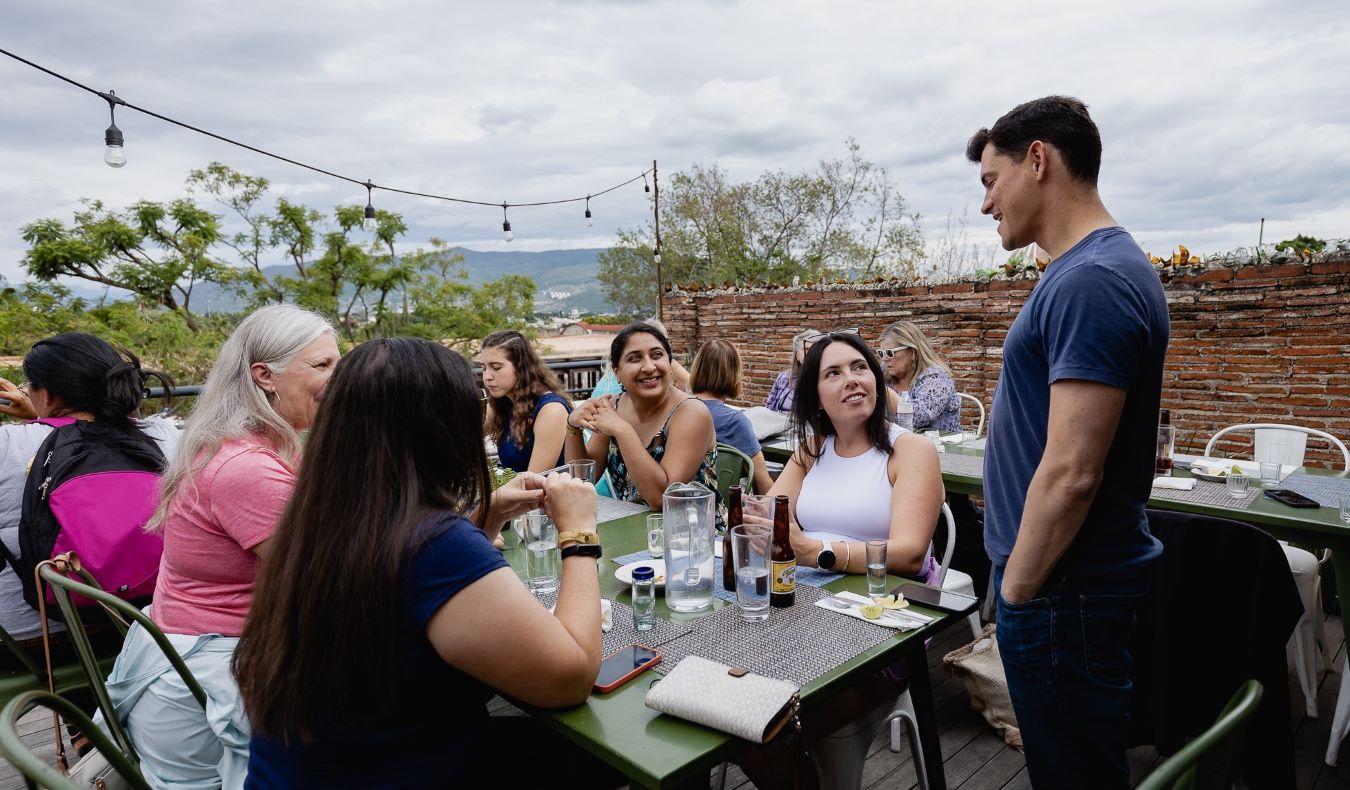
Socially, this model promotes a more nuanced understanding of global issues. When a traveler is embedded in a community, they witness the daily struggles and successes of that population firsthand. This perspective often leads to a lifetime of advocacy and a more conscious approach to global citizenship.
Analysis: The Future of Global Mobility
The data suggests that the "doing something deep" approach to travel is not a passing trend but a permanent evolution in how humans interact with the planet. As remote work becomes more regulated and the "honeymoon phase" of digital nomadism fades, the desire for structure and community integration is likely to drive the growth of the working holiday sector.
Industry analysts predict that more countries will expand their reciprocal visa agreements to attract young, motivated workers to help offset aging domestic populations. Simultaneously, the demand for ethical transparency in volunteering will likely lead to a consolidation of the market, where only vetted, high-impact organizations survive.
For the modern traveler, the goal is no longer just to "see" the world, but to live in it. The transition from tourism to immersion represents a more sustainable, ethical, and personally rewarding way to explore the globe. By removing the logistical barriers to entry, structured programs are enabling a new generation of travelers to build real relationships and leave a positive footprint on the places they visit.
Frequently Asked Questions and Logistical Considerations
Prospective long-term travelers often cite similar concerns regarding the feasibility of moving abroad. According to data from Global Work & Travel, the most common inquiries involve experience requirements and financial safety.
- Experience Requirements: For the majority of entry-level working holidays, basic work experience is sufficient. Specialized roles, such as teaching, usually include the necessary training modules within the program package.
- Safety and Flexibility: Modern programs often include "lifetime deposit" policies, allowing travelers to postpone their trips if global conditions or personal circumstances change. This flexibility has become a standard requirement in the post-pandemic travel landscape.
- Solo Travel: Statistics show that the majority of long-term working travelers embark on their journeys solo. The integration into a workplace or a volunteer group provides a built-in social network, mitigating the isolation often felt by traditional solo tourists.
In conclusion, the movement toward deep, integrated travel reflects a growing global consciousness. By choosing to work, teach, or volunteer, travelers are rejecting the passive role of the spectator in favor of becoming active participants in the global community. This shift not only enriches the life of the traveler but also fosters a more equitable and respectful relationship between the visitor and the host.
Related posts: