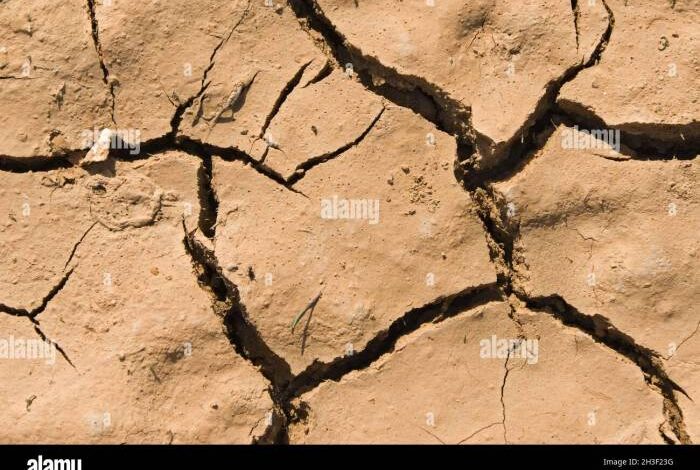
Three quarters of the earth has gotten permanently drier, a stark reality with profound implications for our planet’s future. This alarming trend isn’t just about arid landscapes expanding; it’s a complex issue deeply intertwined with climate change, impacting ecosystems, human societies, and the very resources we rely on. This exploration delves into the scientific mechanisms behind this drying, examining its consequences for diverse ecosystems, and exploring potential mitigation strategies to address this looming crisis.
The phenomenon is driven by a confluence of factors, including rising global temperatures, altered precipitation patterns, and changes in atmospheric circulation. These shifts are already causing significant stresses on water resources worldwide, with cascading effects on biodiversity, agriculture, and human populations. The evidence supporting this claim is multifaceted, encompassing satellite imagery, hydrological data, and analyses of historical climate records.
We’ll be examining the impacts on various regions, contrasting the challenges and opportunities presented by this unprecedented change.
Understanding the Phenomenon

The assertion that three-quarters of the Earth has become permanently drier is a significant claim with far-reaching implications for global ecosystems and human societies. This shift represents a substantial departure from historical climate patterns and necessitates a detailed understanding of the underlying mechanisms, potential impacts, and supporting evidence. The concept encompasses not just a general increase in aridity but also the long-term and irreversible nature of these changes.The observed drying trend is not uniform across the globe.
Different regions experience varying degrees of desiccation, driven by complex interactions between atmospheric circulation patterns, precipitation cycles, and land use changes. This uneven distribution highlights the multifaceted nature of the phenomenon and the need for region-specific analyses. The term “permanently drier” suggests a shift beyond cyclical drought patterns, implying a long-term change in climate characteristics.
Scientific Mechanisms Driving the Trend
Changes in atmospheric circulation patterns, such as shifts in the position and intensity of jet streams, play a crucial role in altering precipitation patterns. Increased evaporation rates, driven by rising global temperatures, contribute significantly to the drying trend. Furthermore, human activities, including deforestation and agricultural practices, can alter the water cycle, leading to reduced rainfall and increased soil erosion.
These factors interact in complex ways, often reinforcing each other to produce a significant drying effect.
Potential Feedback Loops and Cascading Effects
The drying trend can trigger various feedback loops that amplify the initial changes. For example, decreased soil moisture can lead to reduced plant cover, further exacerbating evaporation and hindering the ability of the land to absorb rainfall. This, in turn, can affect regional hydrology, impacting water resources for human use and agriculture. These cascading effects highlight the interconnectedness of different environmental systems and the potential for significant disruptions in various regions.
Evidence Supporting the Claim
Extensive research and data collection from various sources, including satellite observations, ground-based weather stations, and historical records, support the claim of a global drying trend. These data sets provide insights into long-term precipitation patterns and their changes over time. Moreover, studies analyzing the frequency and intensity of droughts and heatwaves in different regions confirm a growing trend towards drier conditions.
Comparison of Affected Regions
| Region | Drying Trend | Contributing Factors | Impacts |
|---|---|---|---|
| Mediterranean Basin | Increased frequency and intensity of droughts | Changes in atmospheric circulation, increased temperatures | Reduced water availability, agricultural losses, increased risk of wildfires |
| Western United States | Declining snowpack and reduced river flows | Warmer temperatures, altered precipitation patterns | Water shortages, impacts on hydropower generation, ecological damage |
| Amazon Basin | Increased forest fires and reduced rainfall | Deforestation, climate change, altered atmospheric circulation | Loss of biodiversity, release of greenhouse gases, reduced carbon sequestration |
The table above illustrates the diverse impacts and contributing factors across various regions experiencing this drying trend. The specific mechanisms and consequences differ from one region to another, reflecting the unique characteristics and vulnerabilities of each area.
Impact on Ecosystems
The relentless march of a drier Earth significantly alters the delicate balance of ecosystems. This shift profoundly impacts the survival and distribution of plant and animal life, potentially leading to biodiversity loss and cascading effects throughout the food web. From grasslands struggling to support grazing animals to forests facing increased wildfire risk, the consequences are far-reaching and necessitate a proactive approach to adaptation and mitigation.
Consequences for Grasslands
Grasslands, vital for grazing animals and supporting biodiversity, are particularly vulnerable to prolonged drought. Reduced rainfall leads to decreased grass productivity and increased risk of wildfires. This directly impacts herbivores, forcing them to migrate in search of sustenance or face starvation. The altered vegetation structure can also impact the diversity of insects and other invertebrates, disrupting the entire food web.
For instance, the ongoing drought in the American Southwest has already led to significant die-offs of native grasses and the displacement of wildlife populations.
It’s alarming that three-quarters of the Earth has permanently dried out. This stark reality underscores the urgency of climate action, and figures like Andre Correa do Lago, the COP30 president here , are crucial in pushing for solutions. The increasing aridity highlights the devastating impact of global warming and the critical need for immediate change.
Consequences for Forests
Forests, acting as carbon sinks and providing habitat for a myriad of species, face numerous threats from drier conditions. Increased drought stress weakens trees, making them more susceptible to pests and diseases. The risk of wildfires escalates, potentially leading to extensive damage and the loss of vast tracts of forest cover. The Amazon rainforest, for example, is facing increased risk of wildfires and dieback due to prolonged periods of drought.
These events release massive amounts of stored carbon into the atmosphere, exacerbating climate change.
Consequences for Wetlands
Wetlands, crucial for water purification and supporting diverse aquatic life, are highly sensitive to changes in water availability. Drier conditions lead to shrinking water bodies, impacting the breeding grounds and feeding areas for numerous species. Loss of wetland habitat directly translates to biodiversity loss and disruption of the intricate ecological processes that these environments support. The Aral Sea’s dramatic shrinkage serves as a stark example of the devastating impact of water diversion and drought on a once-thriving ecosystem.
Impact on Biodiversity
The reduction in water availability and the alteration of vegetation structure across various ecosystems severely impact biodiversity. Species adapted to specific moisture levels struggle to survive, potentially leading to local extinctions. Migratory patterns are disrupted, and the delicate balance of the food web is thrown into disarray. A decline in one species can have cascading effects on others, with the potential for significant losses in overall biodiversity.
Impact on Agricultural Yields and Food Security
Drier conditions directly impact agricultural yields, potentially threatening global food security. Reduced rainfall leads to lower crop yields and increased pest infestations. The increased frequency and intensity of droughts can lead to crop failures and a rise in food prices, impacting vulnerable populations. The recent droughts in the Sahel region of Africa, for example, have led to significant crop failures and famine in some areas.
Adaptation Strategies for Crops, Three quarters of the earth has gotten permanently drier
| Crop | Adaptation Strategy |
|---|---|
| Wheat | Developing drought-resistant wheat varieties through genetic modification or traditional breeding methods. Implementing efficient irrigation techniques. |
| Maize | Planting drought-tolerant maize hybrids. Utilizing water-saving irrigation methods like drip irrigation. Implementing crop rotation strategies. |
| Rice | Exploring drought-resistant rice varieties. Utilizing water-efficient irrigation methods. Optimizing water use in paddy fields. |
| Soybeans | Selecting drought-resistant soybean varieties. Implementing water-conservation techniques. Implementing soil moisture monitoring systems. |
Human Impacts
The escalating global dryness is poised to inflict significant hardship on human societies, impacting everything from food security to economic stability and even human health. The repercussions of widespread water scarcity are multifaceted and demand immediate attention to develop mitigation strategies. This section will delve into the societal and economic consequences, potential conflicts, and the human health implications of this changing reality.
Societal and Economic Consequences
The drying trend will trigger substantial economic losses across various sectors. Agriculture, a cornerstone of many economies, will face significant challenges as yields plummet due to water stress. Reduced agricultural output will lead to increased food prices, potentially triggering widespread food insecurity, particularly in regions already vulnerable to food shortages. Industries reliant on water resources, such as manufacturing and energy production, will also be affected, resulting in job losses and economic downturns.
Potential for Conflicts over Resources
Water scarcity can exacerbate existing tensions and trigger new conflicts. Competition for dwindling water resources between different communities, regions, and even nations will become increasingly common. Historical examples of water conflicts underscore the potential for escalated disputes and violence. Access to vital water sources, such as rivers and aquifers, will become a critical point of contention, requiring proactive diplomatic solutions to prevent further societal instability.
Potential Displacement of Populations Due to Water Scarcity
Water scarcity can force communities to abandon their homes and livelihoods, leading to significant population displacement. This will be particularly acute in regions where water resources are already strained. This displacement will strain resources in receiving areas and create humanitarian crises.
| Region | Estimated Displacement (millions) | Reasons for Displacement |
|---|---|---|
| Southern Africa | 10-15 | Severe droughts, reduced river flows, groundwater depletion |
| Middle East | 5-8 | Competition for scarce water resources, climate change impacts |
| South Asia | 12-18 | Glacier melt, altered monsoon patterns, increased demand |
The table above presents a hypothetical projection of population displacement due to water scarcity. These figures are estimates based on potential climate change impacts, and actual displacement will vary depending on local adaptation strategies and the effectiveness of international aid.
Impacts on Human Health
Water scarcity will negatively affect human health, particularly in vulnerable populations. Contaminated water sources, exacerbated by drying conditions, will increase the risk of waterborne diseases. Malnutrition will also become a significant concern, affecting the health and well-being of individuals, especially children. Heat-related illnesses will increase in frequency and severity, particularly in areas experiencing extreme temperature fluctuations.
Mitigation Strategies
Various strategies can help mitigate the human impacts of widespread drying. Improved water management practices, including efficient irrigation techniques and water conservation measures, can reduce water demand and stress on existing resources. Investment in water infrastructure, such as dams and water purification plants, is crucial to ensure reliable access to safe drinking water. International cooperation and knowledge sharing are essential to developing and implementing effective solutions.
Sustainable agricultural practices that require less water can also help lessen the burden on water resources. Furthermore, promoting water-efficient technologies and policies is critical in reducing the impact of drying conditions on human society.
Historical Context and Future Projections

The Earth’s water distribution has always been dynamic, shaped by natural processes like glacial cycles and tectonic shifts. However, the current trend of increasing aridity, driven by human-induced climate change, is unprecedented in its scale and speed. Understanding the historical context provides a crucial baseline for evaluating the severity of the present situation and anticipating future challenges.Historically, Earth’s water has been distributed unevenly across the globe.
Three quarters of the earth is getting permanently drier, a truly alarming trend. This escalating drought situation, unfortunately, is likely to worsen geopolitical tensions, like the recent Gaza ceasefire negotiations between Trump and Biden, as detailed in this article: gaza ceasefire trump biden. Ultimately, these severe climate changes will undoubtedly impact global stability and resource management, further highlighting the urgent need for global cooperation to address this pressing issue.
Glacial periods have seen significant water locked up in ice sheets, leading to lower sea levels and altered river flows. Conversely, interglacial periods have resulted in higher sea levels and more abundant water resources in some regions. These fluctuations have always existed, but the rate and magnitude of the current changes, driven by human activities, are alarmingly different.
Historical Perspective on Water Distribution
The Earth’s water has been in constant motion throughout its history. Evidence from geological records, like sediment layers and fossil records, demonstrates periods of both abundance and scarcity. These fluctuations were primarily driven by natural processes like variations in solar radiation, volcanic activity, and continental drift. For instance, the last ice age saw significant water locked up in glaciers, drastically altering global water availability.
The current trend differs because it is overwhelmingly attributed to human activity.
Relationship Between Climate Change and Drying Trend
The primary driver of the increasing aridity is human-induced climate change. Greenhouse gas emissions trap heat in the atmosphere, leading to rising global temperatures. Warmer temperatures accelerate evaporation rates, further stressing water resources. Changing precipitation patterns, including increased frequency and intensity of droughts in some regions and floods in others, disrupt the delicate balance of water availability.
This disruption is evident in the observed shifts in river flow, groundwater depletion, and declining lake levels in various parts of the world. For example, the Aral Sea’s dramatic shrinkage is a stark illustration of the impact of climate change on water resources.
Possible Future Scenarios of Water Scarcity
The future projections for water scarcity are varied, depending on the extent of mitigation efforts. If greenhouse gas emissions continue at their current rate, severe water shortages will likely affect billions. Reduced agricultural productivity, food insecurity, and increased social unrest are possible consequences. Regions already experiencing water stress will likely face even more severe challenges. Conversely, if significant mitigation measures are implemented, the severity of the water crisis could be lessened.
Projected Changes in Water Availability
| Region | Projected Change in Water Availability (2075 – 2025) |
|---|---|
| North Africa | -30% |
| Southern Europe | -25% |
| Western US | -20% |
| Southern Asia | -15% |
| Amazon Basin | -10% |
Note: Percentage changes represent a rough estimate, and actual changes may vary based on local factors.
Potential Shift in Global Water Resources
A potential shift in global water resources will involve a significant redistribution. Areas currently experiencing water abundance may see reduced availability, while regions already facing water scarcity will likely face even more severe shortages. This uneven distribution will lead to conflicts over water resources, impacting agriculture, industry, and human well-being. The illustration below depicts a potential future scenario where water resources are concentrated in specific regions, leaving others with limited or no access.
Illustration: (Visual representation of a global map showing potential shifts in water availability. Areas with blue shading represent regions with increased water availability. Red shading indicates areas with decreased availability. Color intensity reflects the magnitude of the change. Arrows indicate potential migration patterns of populations seeking water resources.)
Three-quarters of the Earth’s landmass is now permanently drier, a worrying trend that’s likely to have ripple effects on global food security. This alarming environmental shift could be exacerbated by actions like the mass layoffs of federal workers under the Trump administration, which potentially hinders crucial environmental research and monitoring efforts. Trump mass layoffs federal workers might not seem directly related, but a lack of qualified personnel could make it harder to understand and respond to the ever-changing needs of a permanently drier planet.
Ultimately, the interconnectedness of these issues is concerning and demands immediate attention.
Potential Mitigation Strategies
Facing a drier future necessitates proactive and multifaceted strategies. Simple water conservation alone won’t be enough. We need a comprehensive approach encompassing technological advancements, policy changes, and community engagement to adapt to the changing climate and secure our water resources for generations to come. The need for innovation in water management is undeniable.
Water Conservation Efforts
Water conservation is paramount in mitigating the effects of prolonged drought. Implementing efficient irrigation systems, promoting water-wise landscaping, and enacting stricter water usage regulations are crucial steps. Behavioral changes, such as shorter showers and fixing leaky faucets, can significantly reduce household water consumption. Furthermore, educating communities about water conservation practices is essential for widespread adoption and long-term sustainability.
For example, many municipalities have successfully implemented tiered water pricing systems, encouraging responsible water usage through incentives and penalties.
Technological Advancements in Water Management
Technological advancements hold significant promise for improving water management and enhancing resilience to drought. Desalination technologies, while sometimes expensive, can provide a supplemental water source in coastal regions. Innovative water harvesting techniques, such as rainwater collection systems and advanced soil moisture sensors, can capture and store water for future use. Smart irrigation systems, equipped with sensors and automated controls, can optimize water delivery to crops, minimizing waste.
The implementation of these technologies often requires substantial upfront investment, but the long-term benefits can outweigh the initial costs.
Comparing Mitigation Strategies
The effectiveness and cost-efficiency of various mitigation strategies differ significantly.
| Mitigation Strategy | Effectiveness | Cost-Efficiency | Examples |
|---|---|---|---|
| Water conservation programs | High | Very High | Incentivized water audits, public awareness campaigns |
| Desalination plants | High (in coastal areas) | Low (high upfront cost, energy intensive) | Coastal cities in California or Israel |
| Rainwater harvesting | Medium to High | High | Rooftop systems, community reservoirs |
| Smart irrigation systems | High | Medium to High | Automated sensors, precision sprinklers |
This table provides a simplified comparison. The optimal strategy will depend on specific regional conditions, economic factors, and community priorities. A thorough cost-benefit analysis is essential before implementing any mitigation strategy.
Implementation Plan for Water Management Projects
A structured implementation plan is crucial for successful water management projects.
- Assessment and Planning: This stage involves identifying water needs, assessing current infrastructure, and determining the feasibility of various mitigation strategies. Accurate data collection and stakeholder engagement are vital.
- Resource Mobilization: This includes securing funding, securing necessary permits, and assembling a skilled team. Public-private partnerships can be valuable for leveraging resources and expertise.
- Implementation and Monitoring: This stage involves the construction and operation of water management projects. Continuous monitoring and evaluation are critical for assessing effectiveness and making adjustments.
- Community Engagement: This involves educating communities about the project’s goals, addressing concerns, and fostering collaboration. Community involvement is crucial for project sustainability.
This flowchart Artikels a possible implementation plan, but the specific steps and order may need adjustments based on the project’s specifics.
Case Studies: Three Quarters Of The Earth Has Gotten Permanently Drier
The escalating global trend of permanent dryness is impacting diverse regions in profound ways. Examining specific case studies provides crucial insights into the multifaceted challenges and opportunities for adaptation and mitigation. Understanding how different communities and ecosystems are responding to these changes is vital for developing effective strategies for the future.Specific case studies reveal the diverse and complex responses to prolonged drought conditions.
From agricultural practices to water management strategies, successful adaptations often involve a combination of technological innovations, policy adjustments, and community engagement. Examining the successes and failures in these regions helps us identify effective and sustainable solutions to address the growing global challenge of permanent dryness.
Case Study: The Aral Sea Disaster
The shrinking Aral Sea, once a significant inland sea in Central Asia, serves as a stark example of the devastating consequences of unsustainable water management. The diversion of rivers feeding the Aral Sea for irrigation purposes led to a catastrophic decline in water levels. This, in turn, resulted in a significant loss of biodiversity, desertification, and severe health problems for the surrounding communities.
The Aral Sea disaster highlights the critical need for integrated water resource management, recognizing the interconnectedness of ecosystems and human well-being.
Case Study: The Dust Bowl in the American Great Plains
The Dust Bowl of the 1930s in the American Great Plains illustrates the profound impact of prolonged drought on agricultural productivity and human livelihoods. Severe drought, coupled with unsustainable agricultural practices, led to widespread soil erosion and agricultural collapse. The Dust Bowl serves as a cautionary tale, demonstrating the importance of sustainable agricultural practices, drought-resistant crops, and robust drought preparedness plans.
Case Study: The Millennium Drought in Australia
The Millennium Drought, which affected Australia from the late 1990s to the mid-2010s, underscored the vulnerability of water-dependent ecosystems and human communities to prolonged dryness. The drought resulted in severe water shortages, significant agricultural losses, and heightened bushfire risks. The responses to this drought demonstrate the importance of water conservation measures, diversified agricultural practices, and proactive drought preparedness planning.
Comparison of Case Studies
| Region | Key Challenges | Adaptation Strategies | Successes | Lessons Learned |
|---|---|---|---|---|
| Central Asia (Aral Sea) | Unsustainable water diversion, lack of integrated water management | International cooperation, water conservation projects | Limited success, significant environmental damage | Prioritize integrated water management and international cooperation. |
| American Great Plains (Dust Bowl) | Unsustainable agricultural practices, lack of drought preparedness | Conservation tillage, drought-resistant crops | Improved agricultural practices, reduced soil erosion | Sustainable agriculture is crucial for long-term drought resilience. |
| Australia (Millennium Drought) | Prolonged drought, water scarcity, bushfire risk | Water conservation programs, diversification of agriculture | Improved water efficiency, reduced bushfire risks | Proactive drought preparedness is vital for minimizing the impact of severe drought. |
Lessons from the Case Studies
These case studies reveal critical lessons about the impacts of permanent dryness. Recognizing the interconnectedness of ecosystems and human communities is paramount. Sustainable water management practices and proactive drought preparedness are crucial for mitigating the effects of prolonged dryness. International cooperation and community engagement are essential for addressing these complex challenges.
Summary
The pervasive drying of three quarters of the Earth underscores the urgent need for global cooperation and innovation in water management. Addressing this crisis requires a multi-faceted approach, encompassing technological advancements, sustainable agricultural practices, and the adoption of water conservation measures. This comprehensive analysis has highlighted the intricate relationship between climate change, ecosystem health, and human well-being, ultimately emphasizing the necessity of immediate action to mitigate the far-reaching consequences of this critical environmental shift.