OpenAI Expands ChatGPT Ecosystem with Tubi Integration Marking the Arrival of the First Video Streaming Application on the Platform

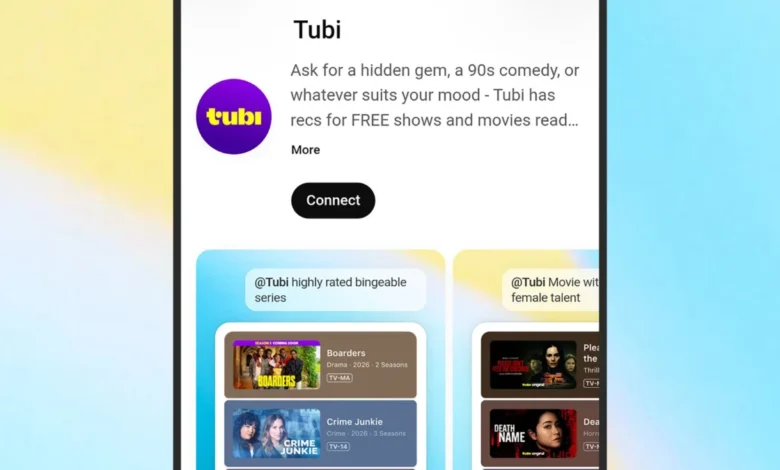
OpenAI has officially integrated Tubi into its ChatGPT interface, marking a significant milestone in the evolution of the artificial intelligence chatbot from a conversational tool into a comprehensive application platform. This partnership establishes Tubi, the Fox Corporation-owned ad-supported streaming service, as the first video-centric application to be natively accessible within the ChatGPT ecosystem. The integration allows users to leverage natural language processing to navigate Tubi’s extensive library of movies and television shows, signaling a shift in how digital content discovery is managed through generative AI. While the functionality does not yet support direct video playback within the chat window, it provides a sophisticated recommendation engine that utilizes the large language model’s ability to interpret complex, nuanced user queries.
The Evolution of the ChatGPT App Ecosystem
The inclusion of Tubi is part of a broader strategic initiative by OpenAI to transform ChatGPT into a "super app"—a single interface where users can perform tasks ranging from graphic design to financial analysis without leaving the platform. This trend began in earnest with the introduction of the GPT Store and subsequent high-profile integrations with industry leaders such as Adobe, Canva, and Apple Music. By incorporating Tubi, OpenAI is addressing the increasing demand for personalized entertainment discovery, a sector where traditional algorithmic "grids" often fall short of user expectations.
Tubi’s arrival follows a series of updates designed to make ChatGPT more utility-driven. The integration utilizes OpenAI’s "Actions" framework, which allows the AI to interact with external APIs (Application Programming Interfaces). For Tubi, this means the AI can parse through thousands of metadata tags associated with its content library to match titles with specific user moods, historical contexts, or thematic preferences.

Technical Functionality and User Integration
The Tubi integration is accessible through the "Apps" portal located in the navigation pane of both the desktop and mobile versions of ChatGPT. Once a user connects the Tubi app to their account, the service can be invoked through the "+" menu in the prompt box or by using the "@tubi" mention. This command-based architecture allows for a seamless transition between general AI conversation and specialized content searching.
The system is designed to handle "long-tail" queries that traditional search bars often struggle to process. For example, rather than searching for a specific genre like "Action," a user can input a descriptive prompt such as "recommend a 1990s political thriller with a tense atmosphere similar to The Fugitive." The AI analyzes the sentiment and specific descriptors within the prompt, cross-references them with Tubi’s available catalog, and returns a curated list of titles including direct links to the streaming service.
Beyond simple recommendations, the integration includes interactive features such as:
- Trending Data: Real-time information on what is currently popular among the broader Tubi audience.
- Trivia Modules: An interactive "Tubi trivia" game where the AI tests the user’s knowledge of cinema and television history based on the platform’s library.
- Detailed Metadata Retrieval: The ability to pull specific information regarding cast, crew, and critical reception (utilizing user ratings and external data sources).
Chronology of OpenAI’s Platform Expansion
The path toward the Tubi integration has been marked by several key developmental stages in OpenAI’s roadmap:

- March 2023: OpenAI introduces "Plugins," the first attempt to allow ChatGPT to interact with the live web and third-party services like Expedia and Instacart.
- November 2023: During OpenAI’s inaugural DevDay, the company announces "GPTs," allowing users to create custom versions of ChatGPT.
- January 2024: The official launch of the GPT Store provides a centralized marketplace for these specialized tools.
- Mid-2024: High-level corporate partnerships are established, bringing Adobe Express and Apple Music into the fold, allowing for creative and audio workflows within the chat interface.
- Late 2024: The launch of the Tubi app represents the first major foray into the Video-on-Demand (VOD) space, completing the media trifecta of text, audio, and video discovery.
Market Context: The Rise of FAST Services
The partnership is particularly strategic for Tubi, which operates in the rapidly growing Free Ad-supported Streaming Television (FAST) market. As of 2024, Tubi reported more than 74 million monthly active users, positioning itself as a leader in the space by offering over 200,000 movies and TV episodes and 250+ live channels.
For FAST services, the primary challenge is "content paralysis"—the phenomenon where users spend more time searching for content than actually watching it. By placing their discovery engine within ChatGPT, Tubi gains access to OpenAI’s massive user base and provides a low-friction entry point for viewers. Industry data suggests that AI-driven recommendations can increase "watch time" by up to 30% compared to static recommendations, as the conversational nature of the interaction helps users find "hidden gems" that might otherwise be buried in a standard user interface.
Performance Analysis and Technical Limitations
Preliminary data and user reports indicate that while the Tubi integration is a significant step forward, it is not without technical hurdles. Users have reported occasional "access errors" when the AI attempts to pull real-time catalog data. In these instances, the system often reverts to the underlying training data of the GPT model, which may recommend titles not currently available on the Tubi platform. This highlights the ongoing challenge of maintaining perfect synchronization between an AI’s knowledge base and a streaming service’s fluctuating licensing agreements.
Furthermore, the integration is currently limited to discovery and metadata analysis. The inability to stream content directly within the ChatGPT interface means that the "last mile" of the user experience still requires a transition to the Tubi app or website. However, analysts suggest that this is a deliberate move to ensure that Tubi retains its advertising revenue, which is generated through its own proprietary player.

Broader Implications for AI and Digital Media
The collaboration between OpenAI and Tubi reflects a broader trend toward the "conversationalization" of the internet. As users become more accustomed to interacting with technology through natural language, the traditional web of links and buttons is being supplemented by AI agents that act as intermediaries.
1. The Shift in Recommendation Algorithms:
Traditional recommendation engines are largely collaborative (based on what others liked) or content-based (based on genre tags). AI-integrated discovery introduces "contextual recommendation," where the AI understands the "why" behind a request. This allows for more creative pairings, such as recommending a specific movie because it matches the philosophical themes of a book the user just discussed with the AI.
2. Cultural Homogenization Concerns:
Some media critics have expressed concern that over-reliance on AI for content discovery could lead to a "flattening" of culture. If AI models prioritize titles with the most robust metadata or those that fit specific linguistic patterns, smaller, more experimental films might be overlooked. However, proponents argue that AI actually helps surface niche content by allowing users to describe obscure tastes that traditional category filters cannot capture.
3. Data Privacy and User Insights:
This integration provides OpenAI with valuable data on consumer entertainment preferences, while giving Tubi insights into the conversational prompts that lead to viewership. For both companies, this data is critical for refining future algorithms and potentially informing content acquisition strategies.

Future Outlook
Looking ahead, the success of the Tubi-ChatGPT integration may pave the way for more immersive media experiences. Industry observers anticipate that future iterations could include "watch parties" facilitated by AI, where the chatbot provides real-time commentary or historical context during a film. There is also the possibility of deep-linking technologies that would allow a user to say, "Play the scene from the movie we just talked about," and have it trigger immediately on a smart TV.
As OpenAI continues to refine its "Actions" and "App" ecosystem, the distinction between a search engine, a social media platform, and a streaming service continues to blur. The Tubi integration is a clear indicator that OpenAI intends for ChatGPT to be the primary gateway through which users interact with the digital world, transforming the act of "watching TV" into a collaborative dialogue between human and machine. For now, the partnership offers a glimpse into a future where the frustration of scrolling through endless menus is replaced by a simple conversation, making the vast world of free streaming more accessible than ever before.
Related posts: