Liverpool to host Chelsea in blockbuster Carabao Cup fourth round draw as Arsenal face minnows Fleetwood Town

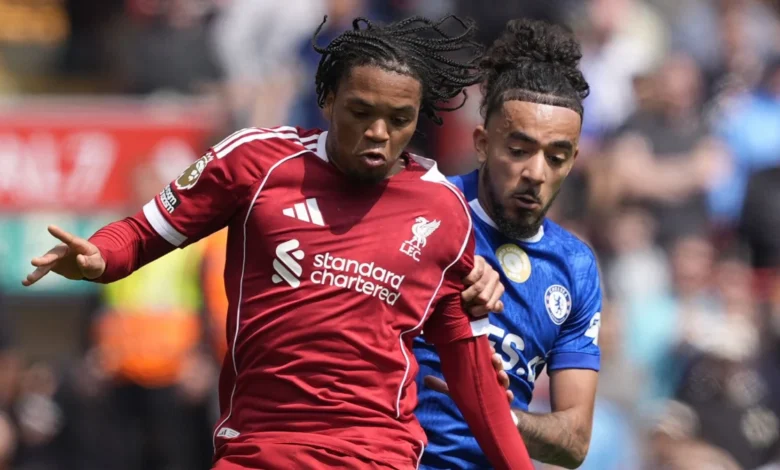
The Carabao Cup fourth-round draw has delivered a series of high-stakes encounters that promise to define the mid-autumn domestic football calendar, headlined by a return to Anfield for Chelsea manager Xabi Alonso. As the competition shifts from its initial stages into the intensity of the last 16, the draw has pitted some of the English game’s most storied rivals against one another while providing a fairytale opportunity for lower-league survivors.
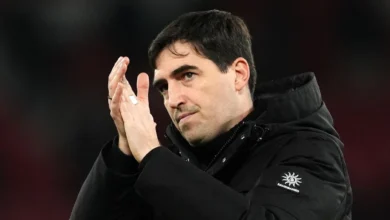
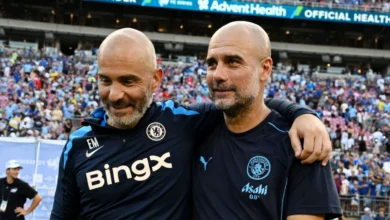
The standout fixture of the round is undoubtedly Liverpool’s home tie against Chelsea. The match carries significant narrative weight, marking the first time Xabi Alonso—a legendary figure in the history of the Merseyside club—will return to Anfield in a managerial capacity. Alonso, who lifted the Champions League trophy in 2005 during his decorated playing stint at Liverpool, was widely considered a frontrunner for the vacant managerial role following the departure of Jurgen Klopp. However, the Spanish tactician ultimately opted for the project at Stamford Bridge, setting the stage for an emotionally charged reunion in front of the Kop.
A Path Cleared for the Giants and the Underdogs
While the elite clubs were largely paired against one another, the draw offered a golden opportunity for Fleetwood Town. The League Two outfit, currently punching significantly above their weight, have been rewarded for their upset victory over Championship side Sheffield United with a high-profile home tie against Premier League champions Arsenal. For the Fleetwood supporters and players, this fixture represents the pinnacle of the tournament’s "giant-killing" tradition, providing a platform to test their mettle against one of the most fluid attacking sides in European football.
The fourth round, scheduled for the week commencing October 26, is defined by a high concentration of top-flight intensity. Of the eight matches confirmed, five are guaranteed all-Premier League affairs. The remaining ties depend on the conclusion of the final third-round match between Manchester City and Norwich City. Should Pep Guardiola’s side progress, they will host Brighton & Hove Albion, who secured their passage through a dramatic, momentum-shifting comeback victory over Manchester United at Old Trafford.
Chronology of the Carabao Cup Progression
The journey to the fourth round has been defined by a mix of tactical evolution and physical endurance. The third round witnessed several Premier League heavyweights navigating difficult away fixtures. Liverpool’s path to the last 16 was solidified following a hard-fought victory over Tottenham Hotspur on Tuesday night, a game that highlighted the defensive stability currently being implemented by Arne Slot.
Conversely, Chelsea’s momentum has been building steadily since their opening-round fixtures. Their victory over Leeds United last week served as a tactical statement, demonstrating the discipline Alonso has instilled within a squad undergoing a significant transition. Meanwhile, the lower leagues have seen a thinning of the field, leaving Bradford and Peterborough as the sole representatives of League One who are guaranteed a spot in the quarter-finals, given their head-to-head draw.
Supporting Data and Statistical Context
Historically, the Carabao Cup serves as a vital barometer for squad depth among top-tier clubs. With the congestion of European fixtures and league schedules, managers are frequently forced to rotate their starting elevens. This necessity often leads to the inclusion of academy graduates and fringe players, which contributes to the tournament’s reputation for unpredictability.
Data from the previous five seasons indicates that the fourth round is where the competition typically loses its remaining non-league and lower-league participants. In the 2023/24 campaign, for instance, the average possession stats for "big six" clubs in the fourth round hovered around 68%, yet the goal differential remained narrow, with nearly 40% of matches in this round decided by a single goal or penalty shootouts. This margin of error underscores the parity that exists when tactical discipline from a lower-league side meets the occasional complacency of an elite-level rotation squad.
Tactical Implications and Managerial Reactions
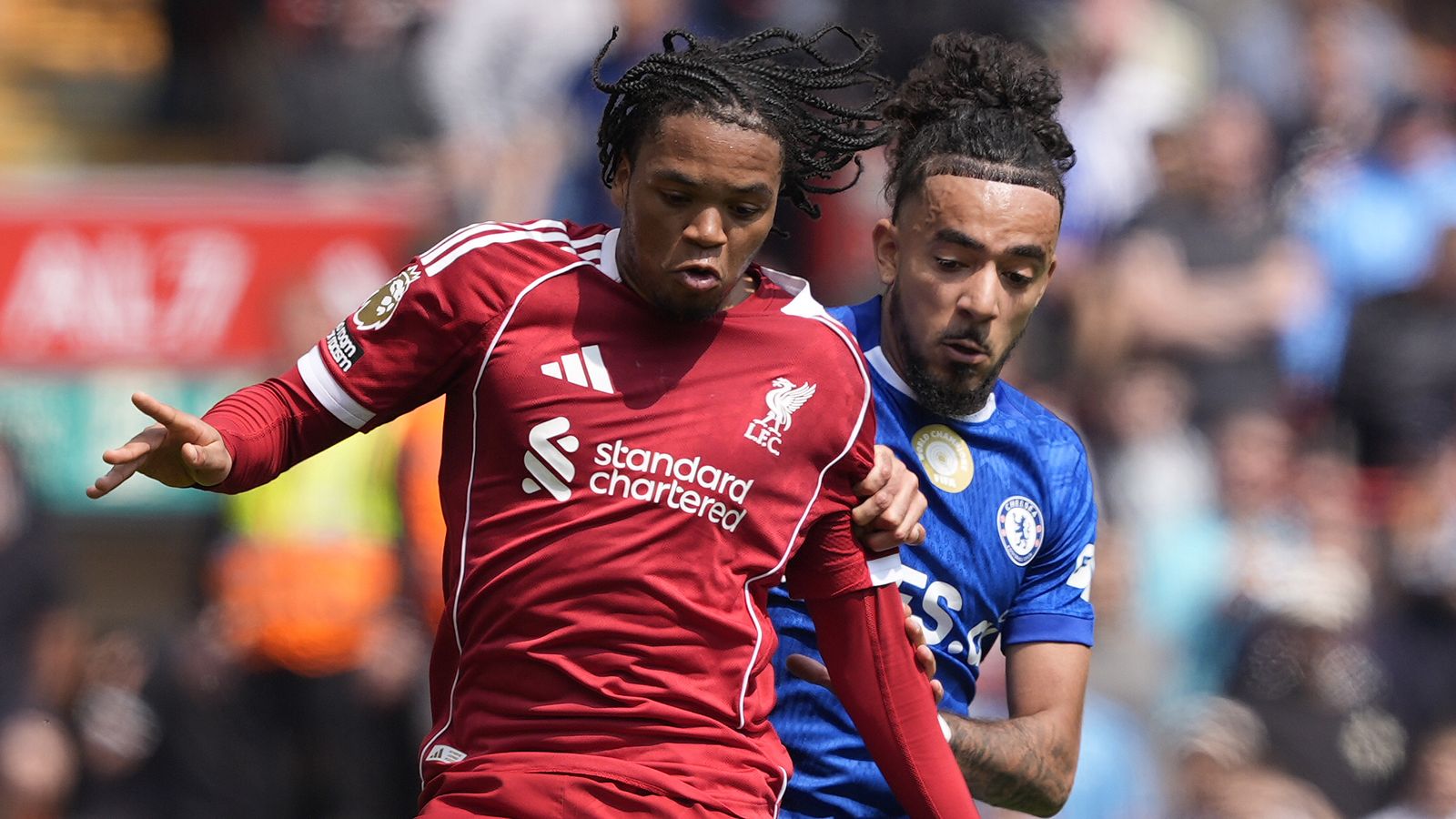
The meeting between Liverpool and Chelsea is expected to be a tactical chess match. Arne Slot has largely favored a possession-based, high-pressing structure since taking the helm at Anfield, while Alonso’s Chelsea has shown a penchant for transition-heavy football, utilizing the pace of their wingers to exploit space left by advancing full-backs.
Industry analysts suggest that the fixture list will put immense pressure on the training grounds of the Premier League clubs. With the fourth round taking place in late October, the physical toll of the season will be entering its first major fatigue phase. "The Carabao Cup remains a unique challenge," noted one industry commentator. "It is a test of culture. Clubs that treat this as a genuine pathway to silverware, rather than a training exercise, are the ones that consistently reach the latter stages at Wembley."
While official statements from the clubs have been restrained, the anticipation surrounding the Fleetwood vs. Arsenal match has been palpable. A representative from the Fleetwood camp noted that hosting the Premier League champions is a "monumental achievement for the club’s history" and an opportunity to showcase the infrastructure and progress made by the League Two side over the past three seasons.
Broader Impact on the 2024/25 Season
The Carabao Cup draw also acts as a psychological marker for the rest of the season. For clubs like Everton and Newcastle United, who face each other at Goodison Park, the tournament provides a tangible chance to secure early-season momentum. Newcastle, under intense pressure to deliver a trophy for their supporters, view this competition as a crucial pillar of their campaign, while Everton’s progression signifies a much-needed morale boost during a period of institutional restructuring.
Elsewhere, the regional focus of the draw has been balanced. The clash between Fulham and Crystal Palace at Craven Cottage serves as a traditional London derby, adding a layer of local pride to the fixture. Bournemouth, meanwhile, welcome Aston Villa to the Vitality Stadium, a match that will likely test the depth of Unai Emery’s squad as they balance domestic duties with their continental commitments.
The Quarter-Final Pathway
Looking ahead, the structure of the tournament ensures that the quarter-finals will feature at least one team from outside the top flight, as the winner of the Bradford vs. Peterborough tie will progress to the last eight. This guaranteed representation is a cornerstone of the Carabao Cup’s appeal, ensuring that the competition remains inclusive even as the Premier League’s financial dominance continues to grow.
As the weeks progress toward the October 26 kickoff, the focus will shift to team news, injury updates, and the tactical adjustments managers must make to survive a format that offers no second chances. For Liverpool, the match against Chelsea is not just a game; it is a test of their post-Klopp identity. For Arsenal, the trip to Fleetwood is a test of professionalism against a team with everything to gain and nothing to lose.
The Carabao Cup, often dismissed by some as a tertiary priority, has once again positioned itself at the center of the footballing conversation. The narrative arcs—the return of Alonso, the fairytale of Fleetwood, and the battle of the Premier League giants—ensure that the fourth round will be one of the most closely watched segments of the English football season. As the draw stands, the competition remains wide open, with the path to the final at Wembley now clearly illuminated for the sixteen sides remaining in the hunt for the season’s first major piece of silverware.