The Hidden Crisis: How Aggressive Immigration Enforcement is Leaving Deep Psychological and Economic Scars on a Generation of American Children

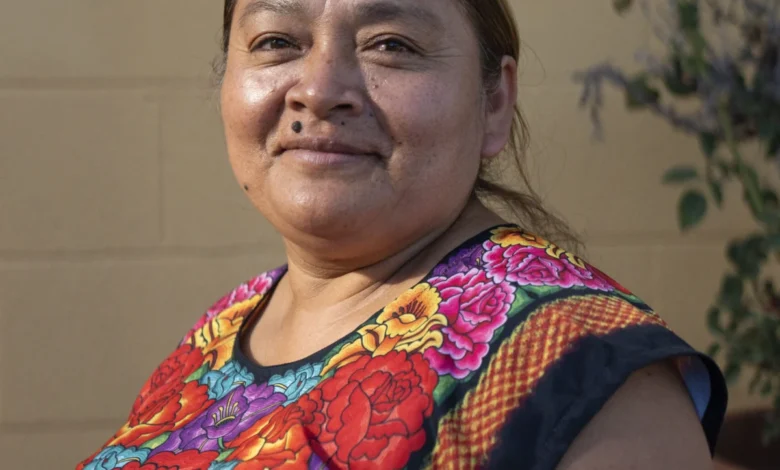
The doorway of an apartment in Oxnard, California, serves as the backdrop for a quiet tragedy that has repeated itself thousands of times across the United States. On a crisp December morning, Norma Gómez stood on the threshold, holding a bundle of supplies—food, diapers, baby wipes, and fresh clothes. She had arrived to support a six-year-old girl, her infant brother, and the neighbor who had unexpectedly stepped forward to care for them. Just hours earlier, federal immigration agents had intercepted and arrested the children’s parents right outside their home in this predominantly Latino agricultural community. Looking up at Gómez with sad, brown eyes, the little girl cut straight to the core of the community’s collective anguish with a single question: “Are you the person who’s going to bring my mom back?”
Gómez, a project manager for the Mixteco Indigena Community Organizing Project, struggled internally to find an appropriate response. She possessed no authority to reverse federal detentions, yet she sought to protect the child from immediate despair. “We’re working on that,” she recalled telling the girl, masking her own helplessness.
This scene illustrates the profound human fallout of an escalating federal immigration crackdown. Since the return of Donald Trump to the White House, the landscape for millions of immigrant families has transformed into an environment characterized by pervasive fear, sudden family separations, and severe institutional barriers. While national political debates frequently focus on border security and macroeconomic indicators, public health experts, educators, and social service providers are sounding the alarm over a mounting secondary crisis: the compounding psychological and developmental trauma inflicted upon a generation of children, the vast majority of whom are American citizens.
A Growing Tsunami of Family Separations
The scale of the disruption is unprecedented in recent history. According to federal estimates and data compiled by child welfare advocates, approximately 205,000 children experienced the detention of at least one parent by immigration authorities through April of the administration’s current term, a figure that has continued to climb steadily. Furthermore, analysis by the nonprofit newsroom The Marshall Project indicates that over 6,200 children have been directly detained alongside or following the apprehension of their guardians.
The disruption extends far beyond direct detentions. Millions of children are growing up in households where the looming threat of Immigration and Customs Enforcement (ICE) raids dictates daily routines. Fear has fundamentally altered family life: parents routinely forgo taking their children to school, accessing routine medical care, or participating in standard community activities. Attendance records in heavily immigrant neighborhoods show marked increases in student absenteeism as families attempt to stay beneath the radar of enforcement agencies.
This climate of chronic anxiety is not confined to families facing immediate deportation; it affects an estimated one in four U.S.-born children who live with at least one foreign-born parent, including roughly 4.6 million kids whose parents lack legal status. For these American citizens, the psychological toll of potential family separation manifests as acute emotional distress, depression, and severe anxiety. Medical professionals report a sharp uptick in somatic complaints among young patients—stomachaches, headaches, and panic attacks—directly traceable to the fear that their parents will vanish while at work or running errands.
Chronology of Policy Shifts and Institutional Rollbacks
The systemic transformation of immigration enforcement began immediately upon the start of the administration’s second term.
On Inauguration Day, the White House issued a sweeping executive order aimed at challenging birthright citizenship for children born to parents without legal status or those residing in the country on temporary visas. Although this directive was ultimately blocked by the Supreme Court, it signaled an aggressive policy posture targeting the foundational rights of children born on U.S. soil.
Concurrently, the administration, backed by congressional allies, routed billions of dollars toward expanded border and interior enforcement operations. These resources fueled a surge in workplace and community raids. In tandem with physical enforcement, the administration moved systematically to dismantle legal safety nets for immigrant populations. Officials sought to rescind Temporary Protected Status (TPS) for over one million individuals—a designation protecting nationals from countries experiencing armed conflict or environmental disaster, tens of thousands of whom are parents to U.S.-citizen children. Administrative backlogs and policy modifications also severely stalled renewals for the Deferred Action for Childhood Arrivals (DACA) program, affecting parents of roughly 300,000 citizen children.
Legislatively, the enactment of a major federal tax-and-spending package last summer curbed immigrant eligibility across a wide array of federal health and nutritional assistance programs. These restrictions were amplified in July by the issuance of revised "public charge" rules. These updated regulations grant immigration officials sweeping discretionary authority to deny green cards to lawfully present immigrants if they or their family members have utilized safety-net programs like Medicaid or the Children’s Health Insurance Program (CHIP). Policy analysts project that these rules will induce more than a million eligible U.S. citizen children to disenroll from vital healthcare and nutrition programs out of fear that participation could jeopardize their families’ immigration status.
Official Rationales and Competing Perspectives
Proponents of the administration’s strategy defend the aggressive enforcement posture as a necessary corrective to years of what they term lax border security and administrative overreach. White House officials maintain that mass deportations and stricter enforcement measures ultimately benefit American citizens by alleviating pressure on public infrastructure, freeing up housing and labor market opportunities, and restoring the rule of law.
Addressing the philosophical underpinnings of these policies, chief policy architect Stephen Miller has argued that unchecked migration imports systemic socioeconomic challenges from developing nations. In public statements, administration officials have maintained that current enforcement actions rectify past policy failures that allowed vulnerable populations to be exploited by transnational criminal organizations.
White House spokesperson Lauren Bis pointed directly to the legacy of prior administration policies in an email statement, asserting that the primary humanitarian concern should be the psychological trauma experienced by minors smuggled across the border by human traffickers. “The real story is the psychiatric impact on the tens of thousands of children who were smuggled across the border—many by human and sex traffickers,” she wrote, declining to directly address whether the administration anticipates long-term healthcare costs or developmental harm resulting from domestic enforcement actions against settled families.
Conversely, economists, sociologists, and public health researchers challenge the premise that restricting immigrant families benefits the broader public. Decades of demographic and economic research indicate that immigrants assimilate rapidly, display lower rates of welfare utilization than native-born citizens, and contribute significantly to tax revenues and labor force productivity over time. Analysts argue that sweeping enforcement actions impose massive hidden costs on local communities, school districts, and healthcare systems.
The Broad Societal and Economic Impact
The collateral damage of these policies extends deeply into America’s healthcare and educational systems. Pediatricians, mental health therapists, and educators report an unprecedented demand for crisis intervention services.
Dr. Kimberly McNally, a pediatrician at the Venice Family Clinic’s Inglewood South La Brea Health Center, notes that routine checkups frequently pivot to addressing severe pediatric anxiety disorders. Children are absorbing adult fears to a degree that disrupts basic development. Early childhood educators, such as Liza Davis of The Children’s Partnership, have reported distressing instances of toddlers arriving at daycares carrying packed bags containing personal items, prepared in the event their parents fail to return at the end of the day.
In extreme cases, this sustained distress has culminated in tragic outcomes. In June, a 19-year-old identified as Eliel José died by suicide in the Atlanta area following the deportation of his father, according to local reports. Community leaders working with low-income families highlight a troubling rise in severe depressive episodes among adolescents in immigrant households, many of whom lack adequate health insurance or financial resources to access professional psychological care due to employment disruptions caused by worksite raids.
Public health experts emphasize that childhood trauma is not merely an individual tragedy but a systemic economic burden. A 2024 study by federal researchers estimated that medical and psychological conditions linked to childhood trauma accounted for $292 billion in healthcare expenditures in a single year, a substantial portion of which is absorbed by taxpayer-funded programs like Medicaid.
Community Resilience and the Path Forward
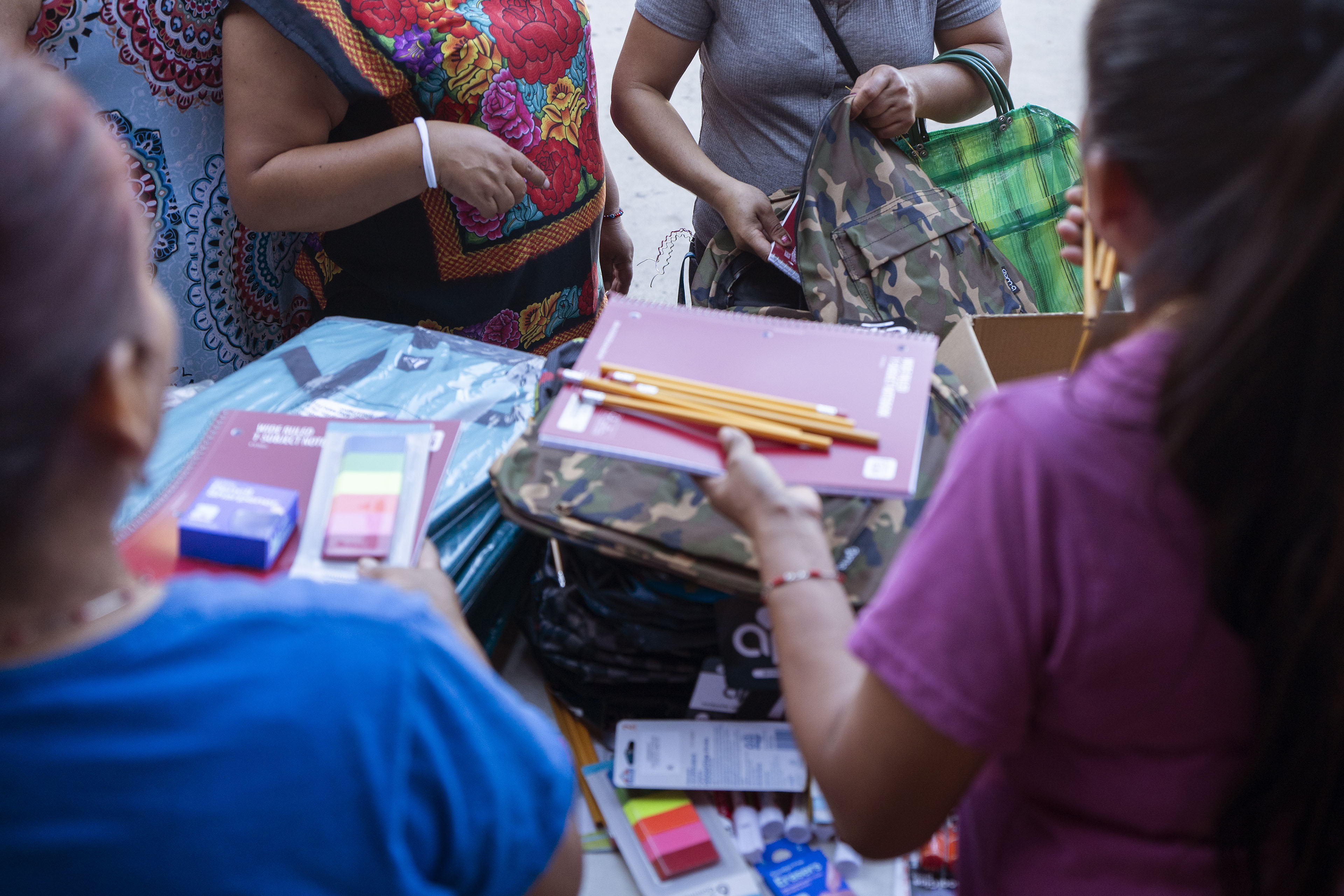
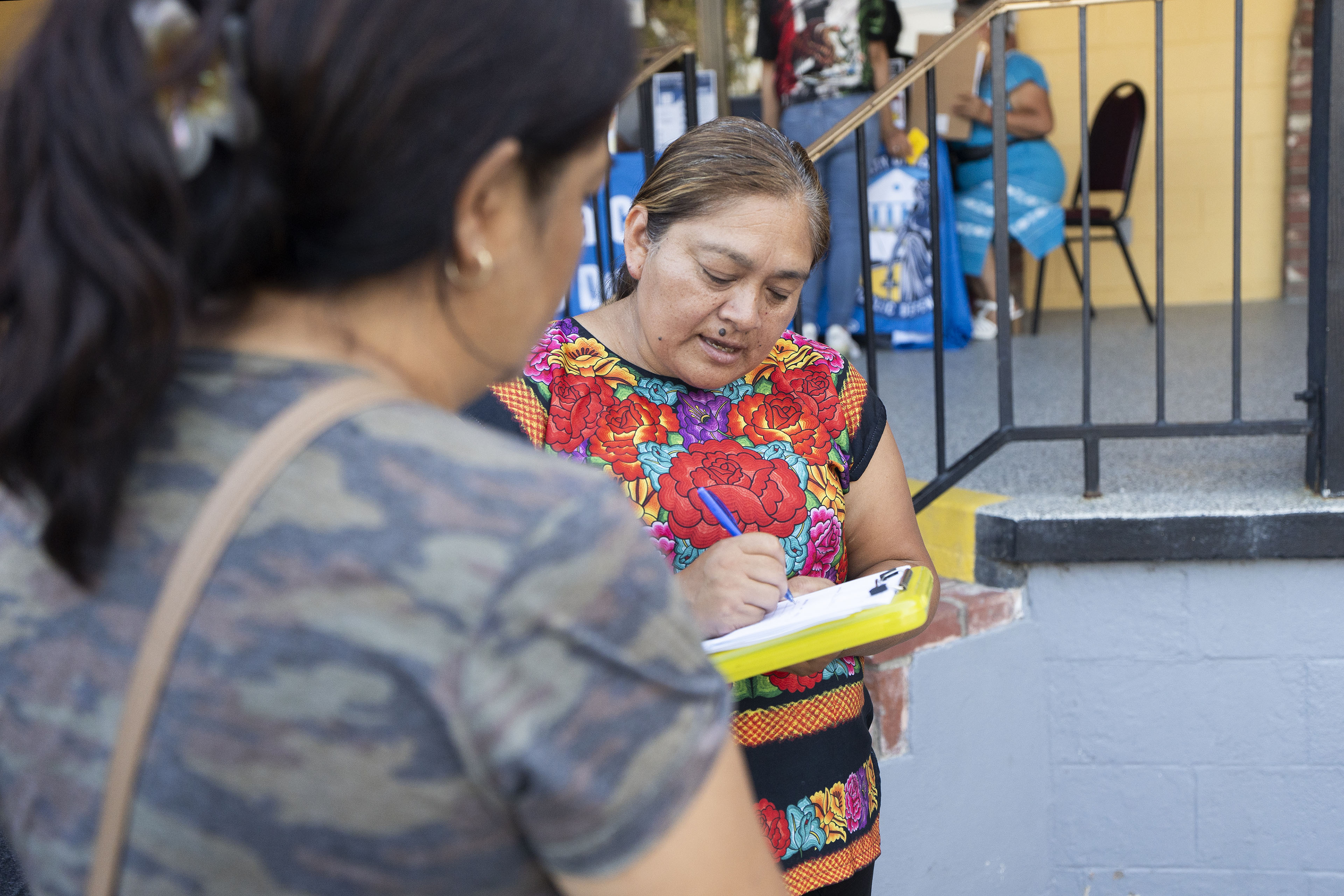
Despite systemic pressures, affected communities have demonstrated remarkable resilience and self-reliance. Across the country, grassroots networks, faith-based organizations, and community coalitions have mobilized to form mutual aid structures. Volunteers coordinate emergency food deliveries, provide pro bono legal clinics, establish safe walking groups to escort children to and from school, and help vulnerable families draft emergency guardianship plans in anticipation of potential detentions.
In regions like Ventura County, California, student volunteers and local protection networks operate early-warning communication systems to alert neighborhoods to immigration enforcement activity, striving to protect local workers and preserve community stability.
However, public health experts and child welfare advocates emphasize that grassroots mutual aid can only serve as a temporary palliative. Lasting mitigation of the current crisis, they argue, will require structural policy reforms.
Policy analysts frequently point to historical precedents such as the Family Case Management Program, launched in 2016. That initiative demonstrated that asylum-seeking families could be successfully integrated into community-based case management systems while awaiting immigration proceedings, maintaining high compliance rates without resorting to the disruptive tactics of family detention and separation.
As the nation continues to grapple with polarizing debates over border security and interior enforcement, the long-term trajectory for hundreds of thousands of American children hangs in the balance. As Mabel Alavez, a case manager at Venice Family Clinic, observes, the generation growing up amid the current enforcement climate faces unprecedented hurdles in securing a stable future. “It’s hard for me to imagine how they could possibly do that in addition to what’s going on now,” Alavez said. “I do feel like there will be a big impact on them. What that might look like, I’m not exactly sure.”