Artemis II Astronauts Witness Fleeting Meteorite Impacts on the Moon, Offering Crucial Data for Future Lunar Exploration

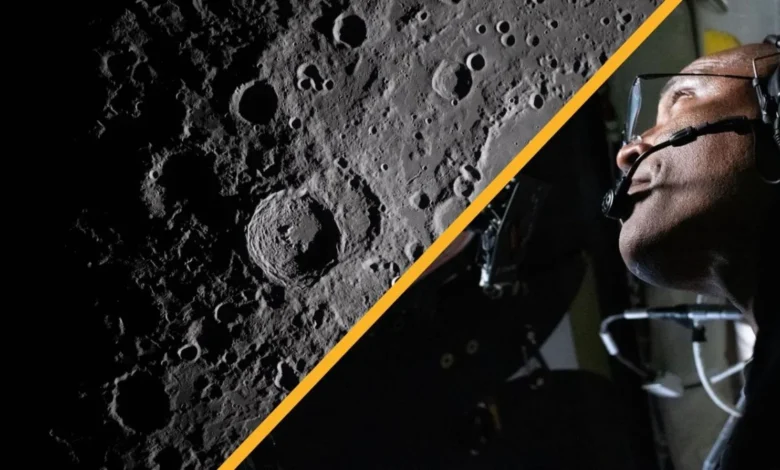
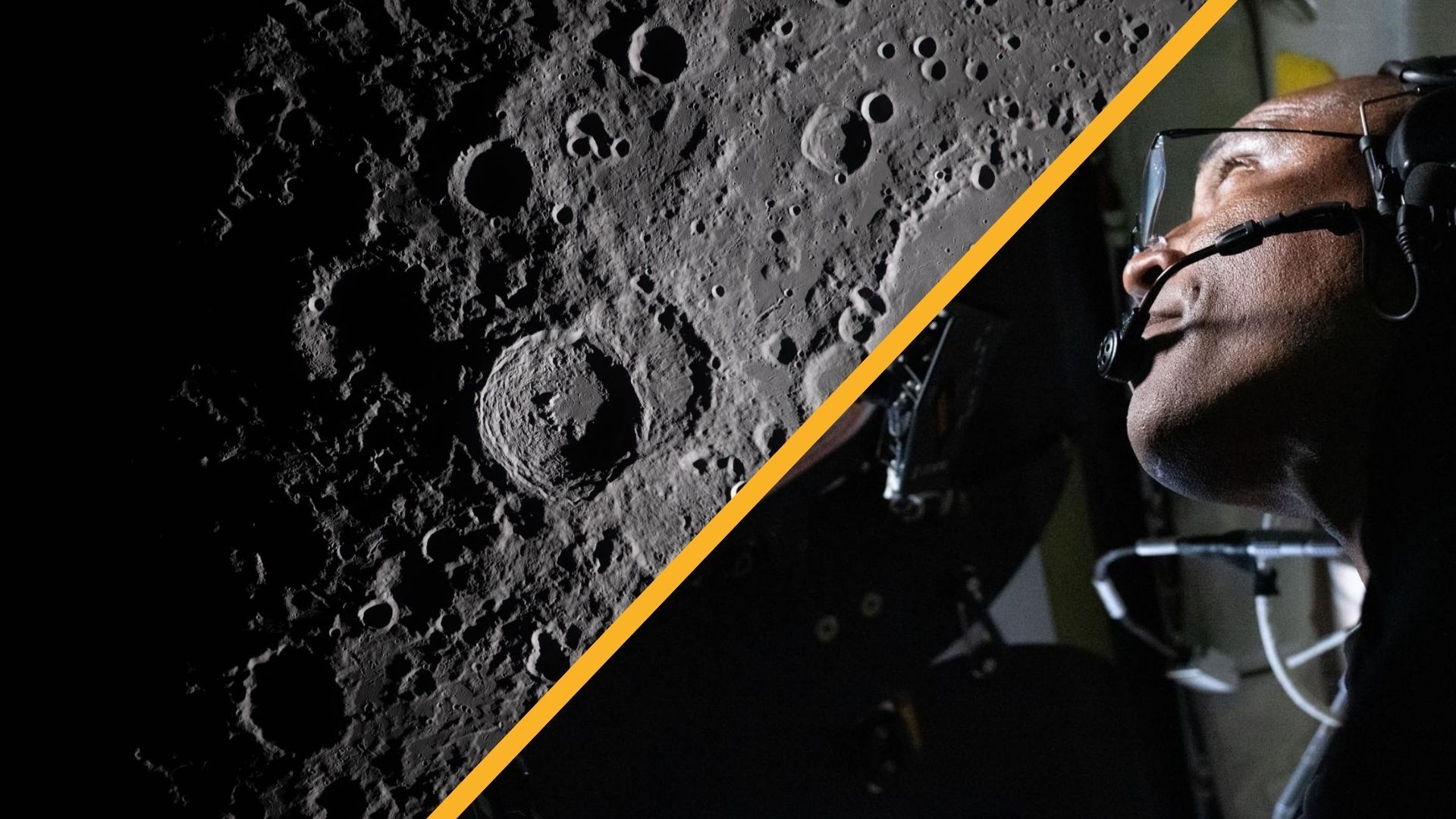
During a groundbreaking lunar flyby on April 6, the Artemis II crew, venturing farther from Earth than any humans in history, observed a series of fleeting flashes on the Moon’s surface. These brief but significant events, identified as meteorite impacts, have ignited excitement among scientists and provided invaluable real-time data that will inform future lunar missions and the establishment of a sustained human presence on the Moon. The mission’s success in capturing these observations underscores the critical need for enhanced monitoring of lunar hazards.
A Historic Flyby and Unexpected Discoveries
The Artemis II mission, a vital precursor to future crewed landings on the lunar surface, saw astronauts Reid Wiseman, Victor Glover, Christina Koch, and Jeremy Hansen embark on a ten-day journey. A key objective of their mission was to test the Orion spacecraft’s systems in deep space and conduct a lunar flyby, pushing the boundaries of human exploration. It was during a crucial phase of this mission, as the crew navigated behind the Moon, experiencing a nearly hour-long total solar eclipse of the Sun from their unique vantage point, that they witnessed the unexpected phenomenon.
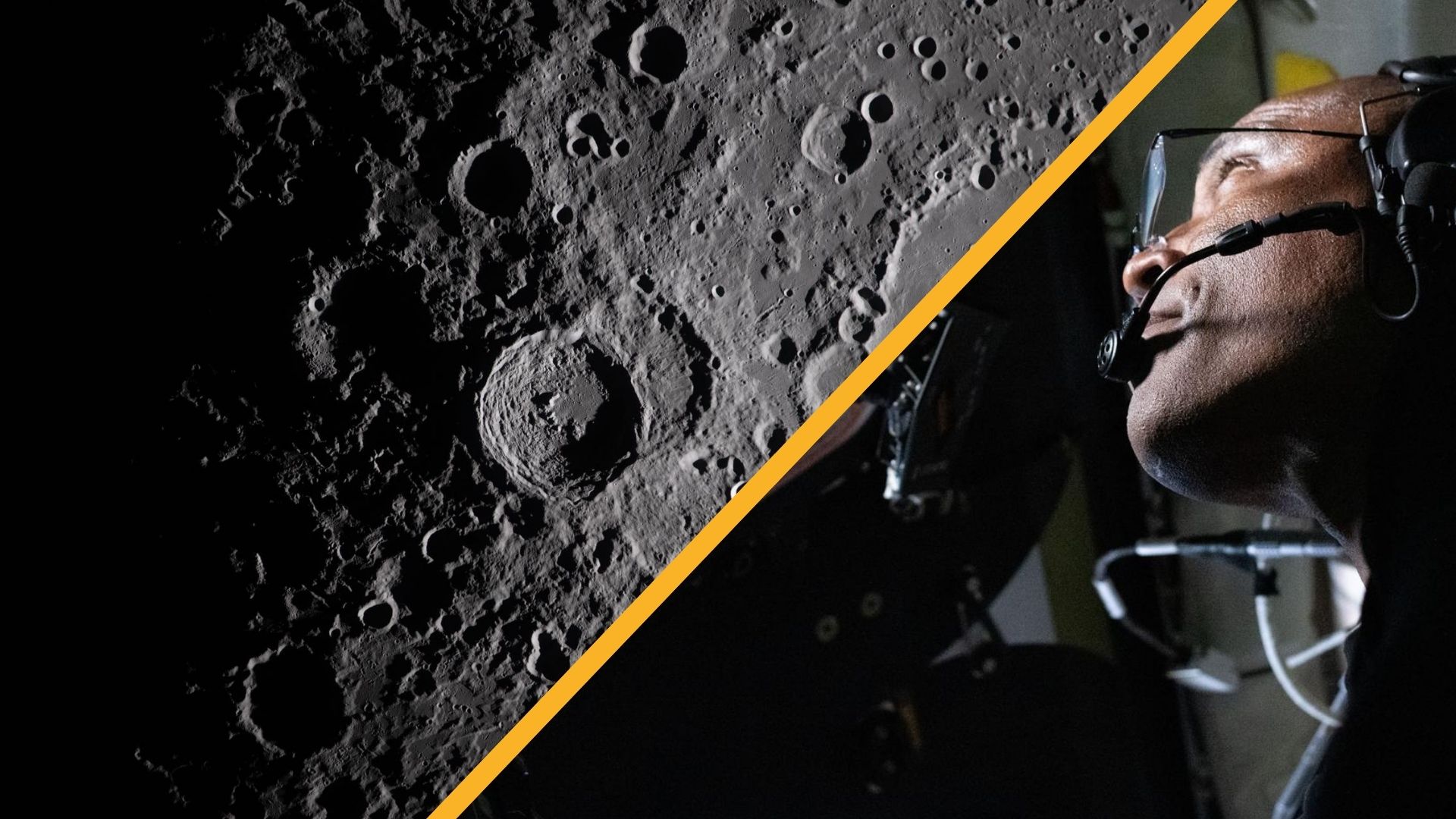
Against the stark, unlit backdrop of the lunar far side, the astronauts’ keen eyes detected at least four, and potentially as many as six, brief flashes of light on the Moon’s surface. Commander Reid Wiseman meticulously reported these observations to Mission Control in Houston, relaying that the flashes were "definitely impact flashes on the moon." The immediacy and clarity of the crew’s observations, captured even as they were communicating earlier findings, added a palpable sense of discovery and urgency to the transmissions.
"There was a little bit of giddiness," Wiseman communicated, as relayed through the mission livestream. This sentiment was echoed on Earth, where scientists at Mission Control experienced what science officer Kelsey Young described as "audible screams of delight." Young, speaking at a press conference on April 7, elaborated on the electrifying atmosphere, highlighting the profound significance of these direct, human observations of lunar impact events.
Scientific Significance: Understanding Lunar Hazards
The scientific community has long recognized the importance of understanding meteorite impacts on the Moon. These events, while often imperceptible from Earth, play a significant role in shaping the lunar landscape and pose potential risks to future lunar infrastructure and human activities. David Kring, a scientist at the Lunar and Planetary Institute in Houston, has been a vocal advocate for lunar impact detection. As far back as 2016, Kring proposed that future lunar explorers should actively seek to detect impact flashes, particularly on the lunar far side, a region that has historically been more challenging to monitor.
"One has to plan for the less-frequent, more hazardous events," Kring stated, emphasizing that the Artemis II observations serve as a timely reminder of the need to prepare for such contingencies. The data gleaned from these flashes offers a crucial opportunity to refine scientific models that predict the frequency, location, and intensity of meteorite impacts. This information is paramount for designing safe habitats, planning surface operations, and ensuring the long-term viability of a sustained human presence on the Moon.
The Artemis II crew’s observations are particularly valuable because they provide a direct, human-verified account of these transient events. Unlike automated systems, astronauts can offer nuanced descriptions and confirm the nature of the phenomena they witness. This human element adds a layer of confidence and detail that is invaluable for scientific analysis.
Correlating Observations with Existing Data
Immediately following the mission, scientists on Earth began the intricate process of correlating the astronauts’ real-time observations with data from lunar-orbiting spacecraft, such as NASA’s Lunar Reconnaissance Orbiter (LRO). The LRO, equipped with sophisticated instruments, has been mapping the lunar surface and collecting data for over a decade. By cross-referencing the reported flash locations and timings with LRO’s imagery and sensor readings, researchers aim to extract key parameters of each impact.
This analysis will involve determining the precise brightness of the flashes, estimating the mass of the impacting meteorites, and assessing whether the impacts created new, observable craters or disturbed the lunar regolith. Such detailed measurements will allow scientists to validate and improve existing models of lunar impact rates. These models are essential for understanding the flux of small bodies within the inner solar system and for characterizing the potential hazards they present to celestial bodies, including Earth.
From Flashes to Moonquakes: The Unseen Consequences
Beyond the visible flashes, meteorite impacts generate seismic waves that propagate through the Moon’s interior, causing what are known as "moonquakes." While the Artemis II crew directly observed the flashes, the seismic consequences of these impacts are less visible but equally important for understanding the Moon’s dynamic nature and potential hazards.
During the Apollo missions, astronauts deployed seismometers that recorded a significant number of impact-related moonquakes. A recent analysis of this historical data, co-authored by geophysicist Nick Schmerr of the University of Maryland, revealed that approximately 1,700 impact-related moonquakes were detected. Some of these seismic events were powerful enough to cause boulders to dislodge and roll down slopes, while the most significant ones could trigger collapses of crater and canyon walls. These findings highlight the potential geological instability that impacts can induce, posing a direct threat to any future lunar habitats or infrastructure.
However, a critical gap exists in current lunar monitoring capabilities: there are no active seismometers operating on the Moon to support the Artemis era. This absence of seismic monitoring means that while we can observe the visual effects of some impacts, the full extent of their energetic impact on the lunar interior remains largely unquantified.
"Hopefully the first landed Artemis mission will change that," Schmerr told Live Science, expressing optimism about the future of lunar seismic research. NASA plans to address this gap by deploying a fleet of early robotic missions ahead of the crewed landings scheduled for 2028 and beyond. These missions are intended to deploy crucial scientific instruments, including seismometers, to establish a robust lunar monitoring network.
The Future of Lunar Exploration and Hazard Mitigation
The integration of human observations, like those from Artemis II, with data from seismometers, advanced telescopes, and orbiting spacecraft, promises to revolutionize our understanding of lunar impacts. This multi-faceted approach will enable scientists to precisely locate impact events, track their immediate effects, and monitor their longer-term geological consequences.
Schmerr, who is also the deputy principal investigator for the planned Lunar Environmental Monitoring Station for Artemis (LEMS), a key seismometer instrument, emphasized the importance of comprehensive data collection. "We’d certainly want to know about any nearby impacts for a moon base, especially if they hit near crucial infrastructure," he stated. "The more observations of a particular flash from different observers, the better."
Beyond hazard assessment, the study of lunar impacts holds significant scientific and resource-exploration potential. Larger impacts can excavate material from deep beneath the lunar surface, revealing geological formations and composition that would otherwise be inaccessible. If these impacts occur near the polar regions, they may even expose water ice deposits that NASA and other space agencies believe are present. This ice could be a vital resource for future lunar missions, serving as a source for life support systems and as a propellant for rocket fuel.
Furthermore, analyzing lunar samples brought back to Earth from Artemis landing sites could provide invaluable insights into the composition of meteorites that have impacted the Moon over billions of years. This could help scientists track shifts in the composition of asteroid and comet debris throughout the solar system’s history. Ultimately, these impacts are fundamental to understanding and interacting with the lunar environment, as they "produce and modify the lunar soil that future Artemis astronauts will walk on," Kring concluded.
The Artemis II mission’s observation of meteorite impacts marks a significant step forward in our quest to understand and safely explore the Moon. It underscores the interconnectedness of human exploration and scientific inquiry, demonstrating how direct observation by astronauts can complement and validate sophisticated remote sensing technologies. As humanity prepares to return to the Moon for extended stays, the lessons learned from these fleeting flashes will be instrumental in ensuring a safe, sustainable, and scientifically fruitful lunar presence. The data gathered from these events will not only illuminate the Moon’s past but also illuminate the path forward for future lunar endeavors.