Drake Establishes Nocta Manor Residency at Pendry Natirar Amid Strategic Brand Expansion and Post-Beef Cultural Positioning

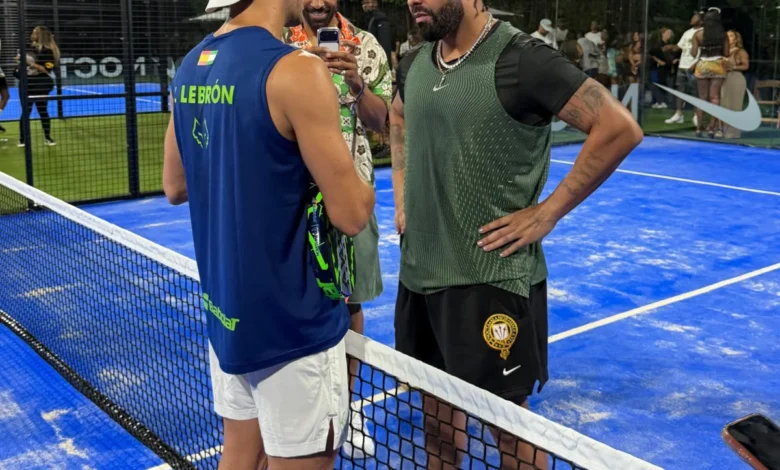
The multi-platinum recording artist Aubrey “Drake” Graham has transitioned his public presence from the streets of Toronto to the secluded luxury of Somerset County, New Jersey, initiating a high-profile takeover of the Pendry Natirar resort. Following a period of concentrated activity in his home city to promote his "Iceman" branding and various musical releases, the artist’s sudden arrival in the New York metropolitan area has culminated in the rebranding of the historic estate as "Nocta Manor." This week-long residency, which serves as a curated retreat for elite athletes, musicians, and social media influencers, represents a significant pillar in the artist’s ongoing partnership with Nike and his broader strategy of experiential marketing.
The event, now in its second annual iteration, functions as both a private sanctuary and a high-visibility branding exercise. By occupying the entirety of the Pendry Natirar—a 500-acre estate located approximately one hour outside of Manhattan—Drake has created a controlled environment that blends corporate sponsorship with the aesthetics of old-world luxury. This move follows a series of public appearances, including a visit to MetLife Stadium for a high-profile soccer match and sightings in New York City, signaling a shift in his operational base as he navigates the complexities of his current standing in the global music industry.
The Geography of Nocta Manor: From Peapack-Gladstone to Global Branding
The choice of Pendry Natirar as the site for Nocta Manor is a calculated decision that prioritizes privacy without sacrificing proximity to the cultural capital of New York City. The estate, originally built in 1912 for the heiress Kate Macy Ladd, has undergone extensive renovations to become a five-star resort. Its location in Peapack-Gladstone, an affluent borough in Somerset County, provides a stark contrast to the urban environments typically associated with the hip-hop genre.
For the duration of the takeover, the resort has been transformed into a living advertisement for Nocta, Drake’s sub-label under the Nike umbrella. The branding extends beyond mere signage; reports from the interior suggest that the hotel’s architecture, courts, and communal spaces have been adorned with tributes to Drake’s commercial achievements and record-breaking statistics. This "hermetically-sealed ecosystem," as described by observers, allows the artist to curate his narrative away from the scrutiny of the general public while maintaining a constant stream of content for social media distribution.
The Pendry Natirar’s amenities—including its farm-to-table dining, equestrian facilities, and expansive spa—provide the backdrop for what has been described as "lamping in luxury." By rebranding the space as a "Manor," Drake leans into a specific aesthetic of established wealth, moving away from the "Certified Lover Boy" persona toward a more mature, albeit still extravagant, "Don" archetype.
Chronology of the New Jersey Residency
The timeline of Drake’s arrival and the subsequent activation of Nocta Manor suggests a meticulously planned schedule designed to maximize visibility during a period of high regional activity.
- Mid-Summer 2024: Drake maintains a heavy presence in Toronto, focusing on the "Iceman" rollout and the release of archival material through his "100 Gigs" digital drop.
- Friday, September 2024: Drake is spotted by residents and paparazzi on the streets of New York City, sparking rumors of a surprise performance or recording session.
- Weekend of September 2024: The artist attends a major sporting event at MetLife Stadium in East Rutherford, New Jersey. His presence, alongside other A-list celebrities, serves as the public-facing precursor to his private retreat.
- Sunday Night: Reports begin to surface regarding a heavy security presence and the arrival of luxury vehicles at the Pendry Natirar.
- Monday through Thursday: The "Nocta Manor" festivities commence. The resort is closed to the general public as a "cadre" of guests arrives.
- Mid-Week Highlights: Social media posts from guests reveal a series of themed dinners, athletic competitions, and late-night listening sessions.
The Guest List: A Intersection of Sports and Entertainment
The significance of Nocta Manor lies largely in its guest list, which serves as a barometer for Drake’s current social and professional circle. The gathering is not merely a party but a networking event for the Nike-affiliated elite.
Among the prominent figures identified at the estate were NBA stars Devin Booker and Kevin Durant. Both athletes have long-standing relationships with Drake and represent the pinnacle of Nike’s basketball division. Their presence reinforces the "Nocta" brand’s identity as a bridge between high-performance athletics and lifestyle fashion.
In the realm of music, the guest list included the rising star Yeat and the viral sensation Sexyy Red. The inclusion of Yeat, known for his experimental sound and massive Gen-Z following, suggests Drake’s continued interest in aligning himself with the next generation of genre-bending artists. Sexyy Red’s appearance, which included a widely circulated "prom-style" photograph with Kevin Durant, highlights the informal, yet highly publicized, nature of the retreat.
A notable cultural touchstone of the event was a live performance by the 1990s R&B group Jagged Edge. The choice of a legacy R&B act aligns with Drake’s frequent sampling of 90s and early 2000s music, grounding the modern luxury of the event in a sense of musical nostalgia.
Strategic Analysis: The "Vibe" as a Business Model
While the "peg" for the retreat—meaning the specific reason for its timing—remains officially unannounced, industry analysts point to several factors. First, the Nocta brand requires consistent lifestyle marketing to justify its premium price point. By showcasing the apparel in a "Manor" setting, Nike and Drake are selling an aspirational lifestyle rather than just a product line.
Secondly, the event serves as a strategic recovery of the narrative following a tumultuous year for the artist. The highly publicized feud with Kendrick Lamar in the spring of 2024 led to significant discourse regarding Drake’s authenticity and his place in the hip-hop hierarchy. Nocta Manor acts as a controlled environment where the artist is surrounded by allies and supporters. The atmosphere, described by attendees as one where "Family Matters" (a Drake diss track from the feud) is celebrated as a superior work, allows for a reinforcement of the artist’s internal brand morale.
Furthermore, the "Nocta Manor" concept mirrors the retreat-style marketing used by high-end fashion houses like Chanel or Dior, who often fly influencers to remote locations for "brand immersions." Drake is effectively applying the luxury fashion house playbook to the world of hip-hop and sportswear.
Logistics and Local Impact
The takeover of a major resort like Pendry Natirar involves significant logistical coordination. Local law enforcement in Peapack-Gladstone and Somerset County reportedly managed increased traffic and security concerns surrounding the estate. While the event remained private, the influx of high-net-worth individuals and the associated security details provided a temporary boost to local service providers, though the resort itself was inaccessible to its standard clientele.
The "Nocta Manor" branding included custom-made party favors, such as replicas of Michael Jackson’s iconic sequined gloves, and a wardrobe of custom silk robes for guests. These details, while seemingly frivolous, are designed for "viral-ability," ensuring that even though the public cannot attend, they are exposed to the imagery of the event through the social media feeds of the attendees.
Broader Implications for the Drake Brand
The shift from the "Iceman" persona to the "Nocta Manor" host suggests a multi-faceted approach to Drake’s 2024 public image. On one hand, the "Iceman" branding, characterized by a more rugged, street-focused aesthetic, appeals to his core rap fan base. On the other, "Nocta Manor" appeals to the global luxury market and his corporate partners.
This duality is essential for an artist of Drake’s scale. As he enters the third decade of his career, maintaining relevance requires more than just chart-topping singles; it requires the creation of a "world" that fans and collaborators want to inhabit. By planting his flag in North Jersey, Drake is signaling that his influence is not confined to Toronto or the traditional hubs of the music industry.
Conclusion and Future Outlook
As the Nocta Manor residency concludes, the impact of the event will likely be measured in social media impressions and the continued strength of the Nocta-Nike partnership. The retreat underscores a broader trend in the entertainment industry where the "event" itself is the product, and the music serves as the soundtrack to a broader lifestyle brand.
For the residents of Somerset County, the week was a rare glimpse into the high-stakes world of celebrity branding. For the music industry, it was a reminder of Drake’s ability to command attention and curate his environment, even in the face of external professional challenges. Whether Nocta Manor becomes a permanent fixture of the New Jersey social calendar remains to be seen, but for now, it stands as a testament to the power of the "vibe" as a dominant force in modern commerce.
Related posts: