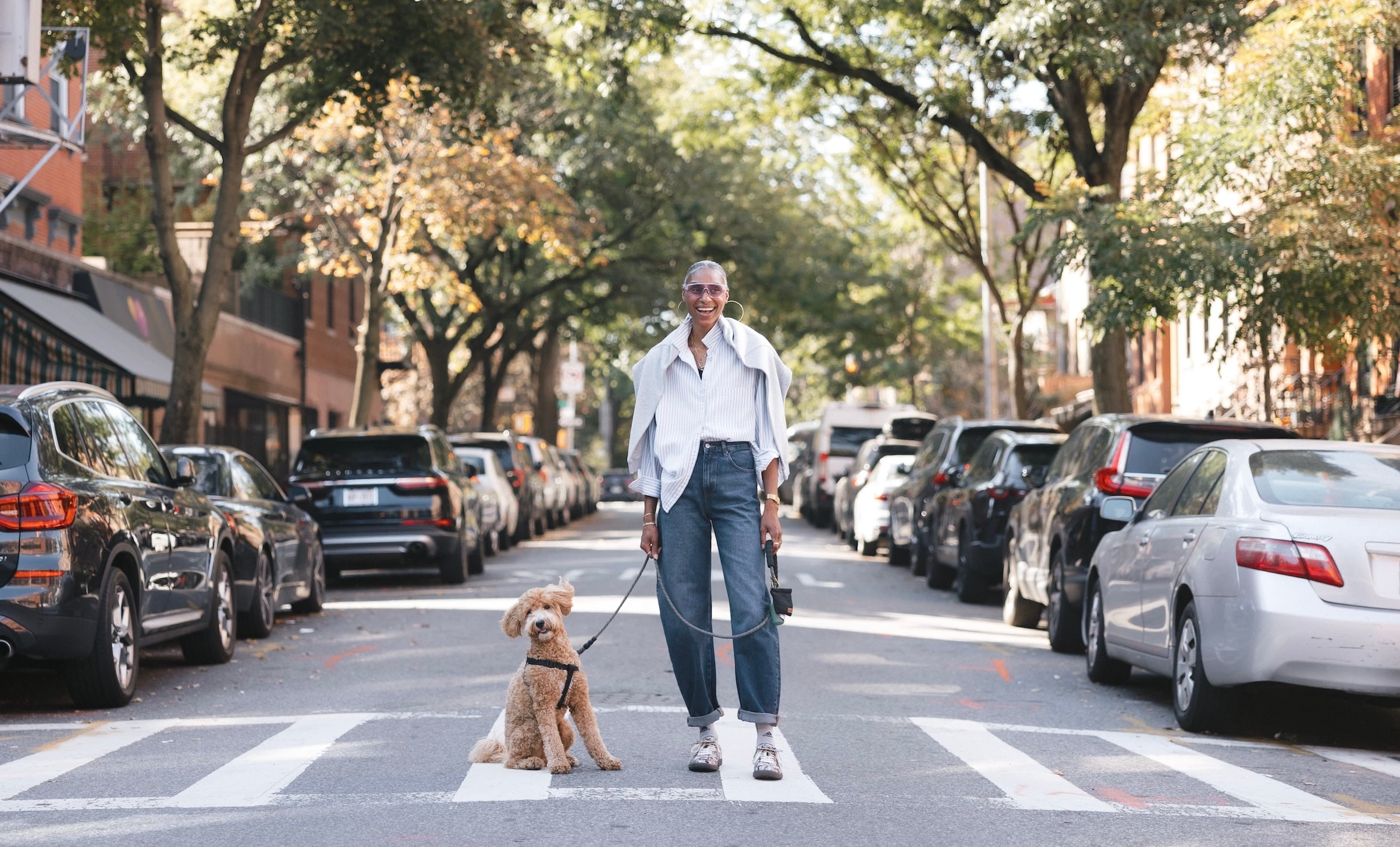
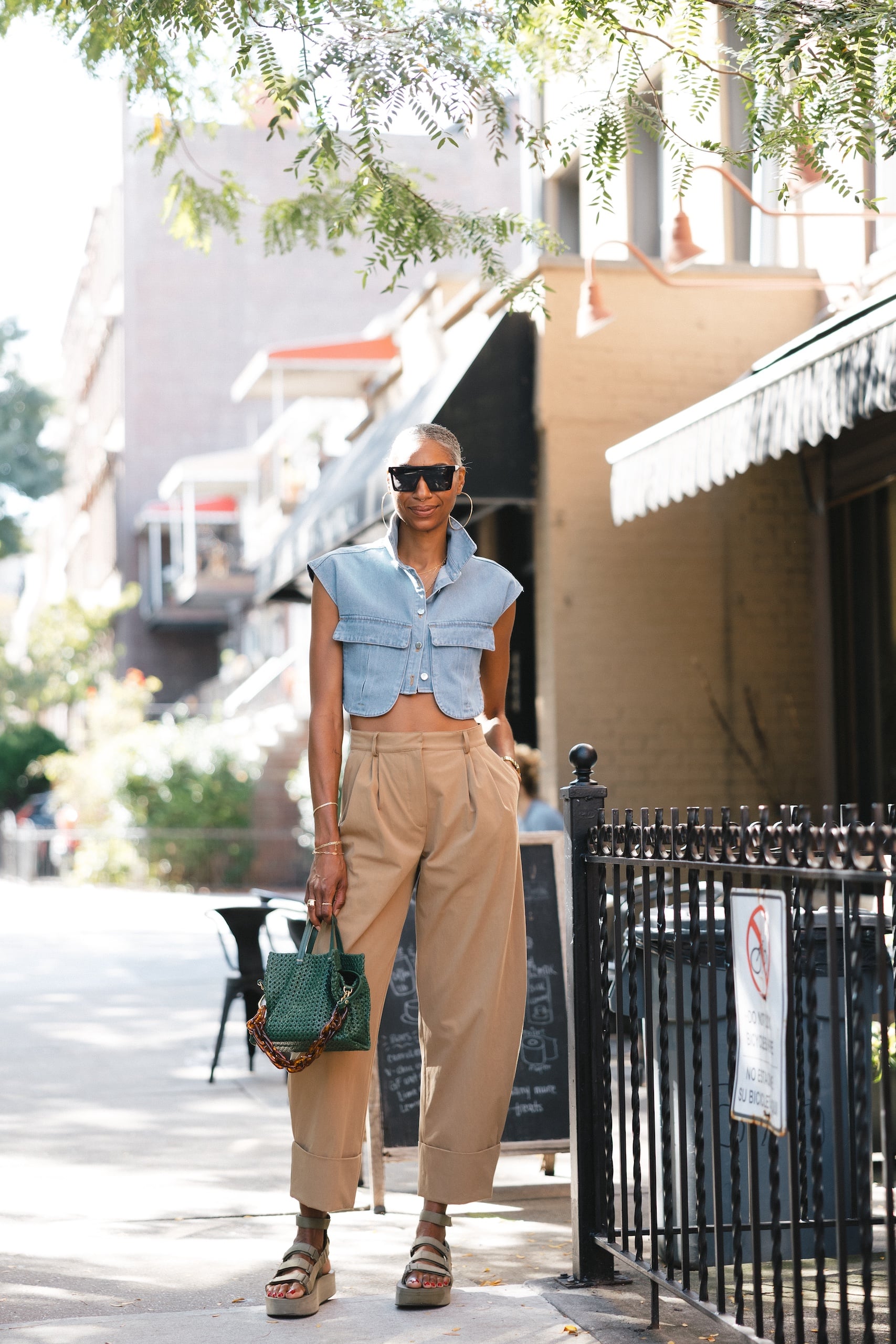
Ameerah Omar, a prominent self-development coach, meditation practitioner, and dedicated long-distance runner based in New York City, has emerged as a distinct voice in contemporary lifestyle and fashion media. After first gaining public attention for her minimalist, denim-centric aesthetic during a 2025 Brooklyn street style feature, Omar has continued to leverage her platform to advocate for body autonomy, the normalization of vulnerability, and the transformative power of community-based athletics. Her recent documentation of a week-long series of outfits serves as a lens into the intersection of functional sportswear, high-fashion sensibilities, and the personal philosophy of a modern urban dweller.
The Intersection of Lifestyle and Personal Branding
Omar’s approach to personal style is deeply rooted in her professional life as a coach. Her wardrobe choices—ranging from tailored denim ensembles to high-performance athletic gear—reflect a conscious alignment between her daily responsibilities and her internal values. By prioritizing comfort and functionality without sacrificing visual impact, she represents a growing demographic of professionals who reject the rigid dichotomy between professional attire and leisurewear.
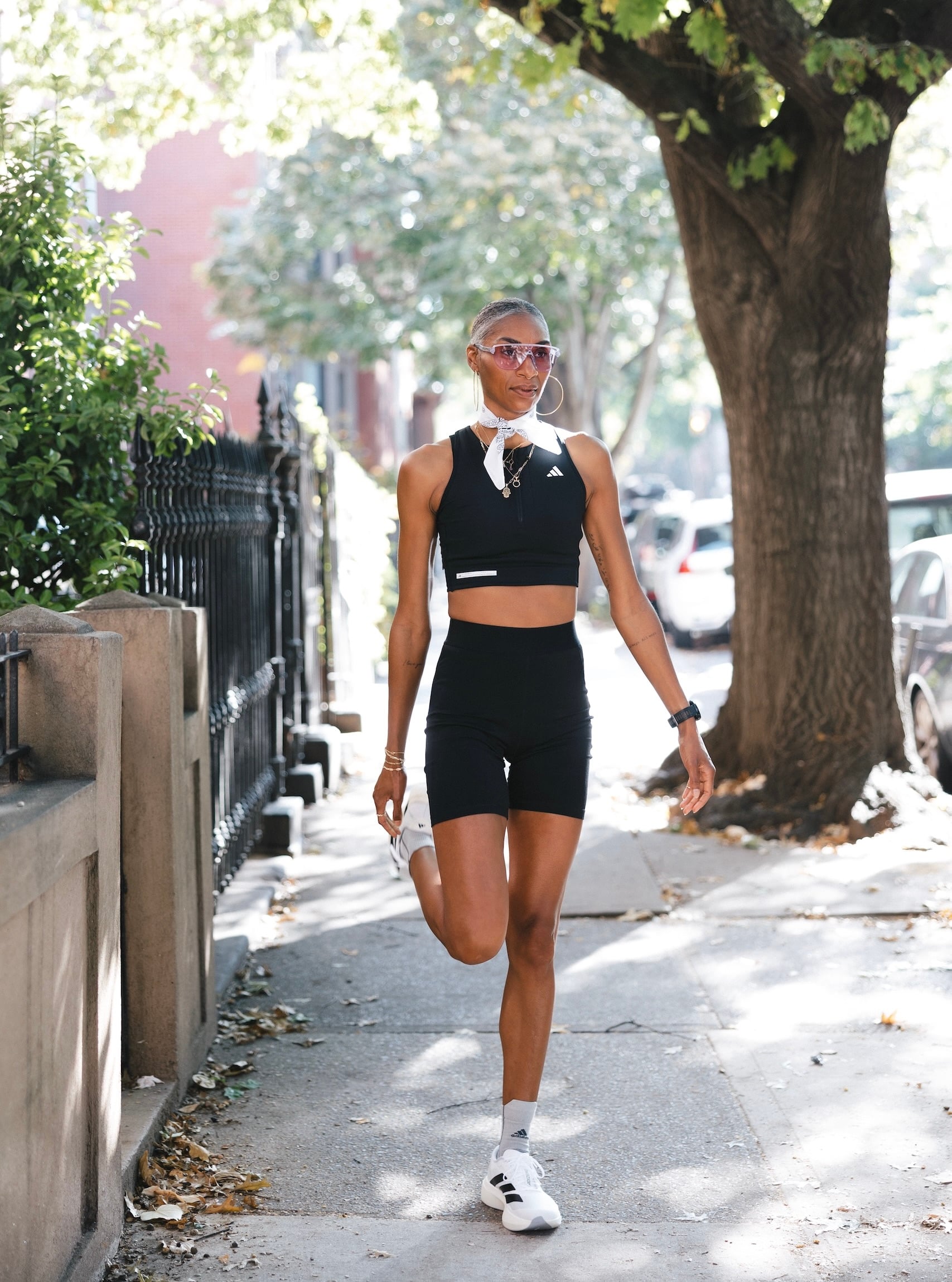
Her commitment to athletic endeavors, specifically as a co-captain of the Girls Run NYC collective, informs much of her sartorial strategy. The collective, which serves as a sanctuary for women in the sport, prioritizes accessibility and inclusivity. Omar’s involvement highlights a broader shift in the running community: moving away from metric-obsessed, high-pressure environments toward a model centered on collective support and "challenge by choice."
A Chronology of Style and Philosophy
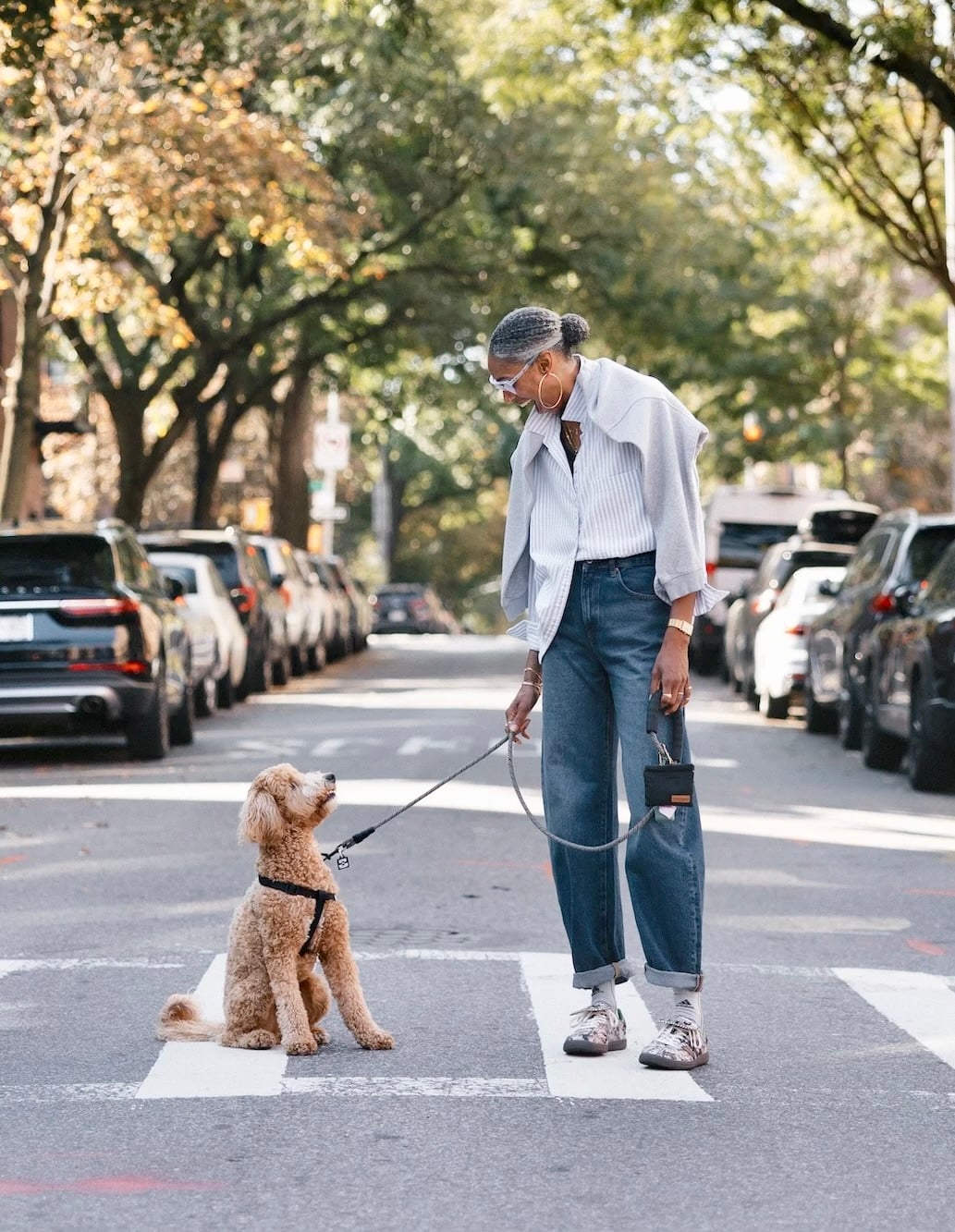
The evolution of Omar’s public image can be traced back to her initial appearance in the 2025 Brooklyn street style series. That appearance catalyzed an interest in her unique ability to blend vintage-inspired silhouettes with modern streetwear.
- Spring 2025: Omar is featured in a local style spotlight, gaining initial traction for her "Canadian tuxedo" aesthetic—a sophisticated take on all-denim layering.
- Late 2025: She increases her public profile through her leadership role at Girls Run NYC, establishing herself as an advocate for women’s health and mental well-being.
- September 2026: Omar formalizes her influence by sharing a curated week of outfits, providing detailed insights into the emotional and historical significance of her clothing, accessories, and physical presentation.
Socio-Cultural Implications of Her Approach
Omar’s commentary on her physical stature—standing at 6’1"—and her deliberate choice to wear heels despite societal expectations of "shrinking" oneself, provides a compelling case study on modern femininity. In an era where body image remains a critical point of discourse, her refusal to conform to traditional norms regarding height and femininity serves as an act of defiance. By characterizing her height as "a form of power," she challenges the traditional beauty standards that often influence women’s fashion choices.
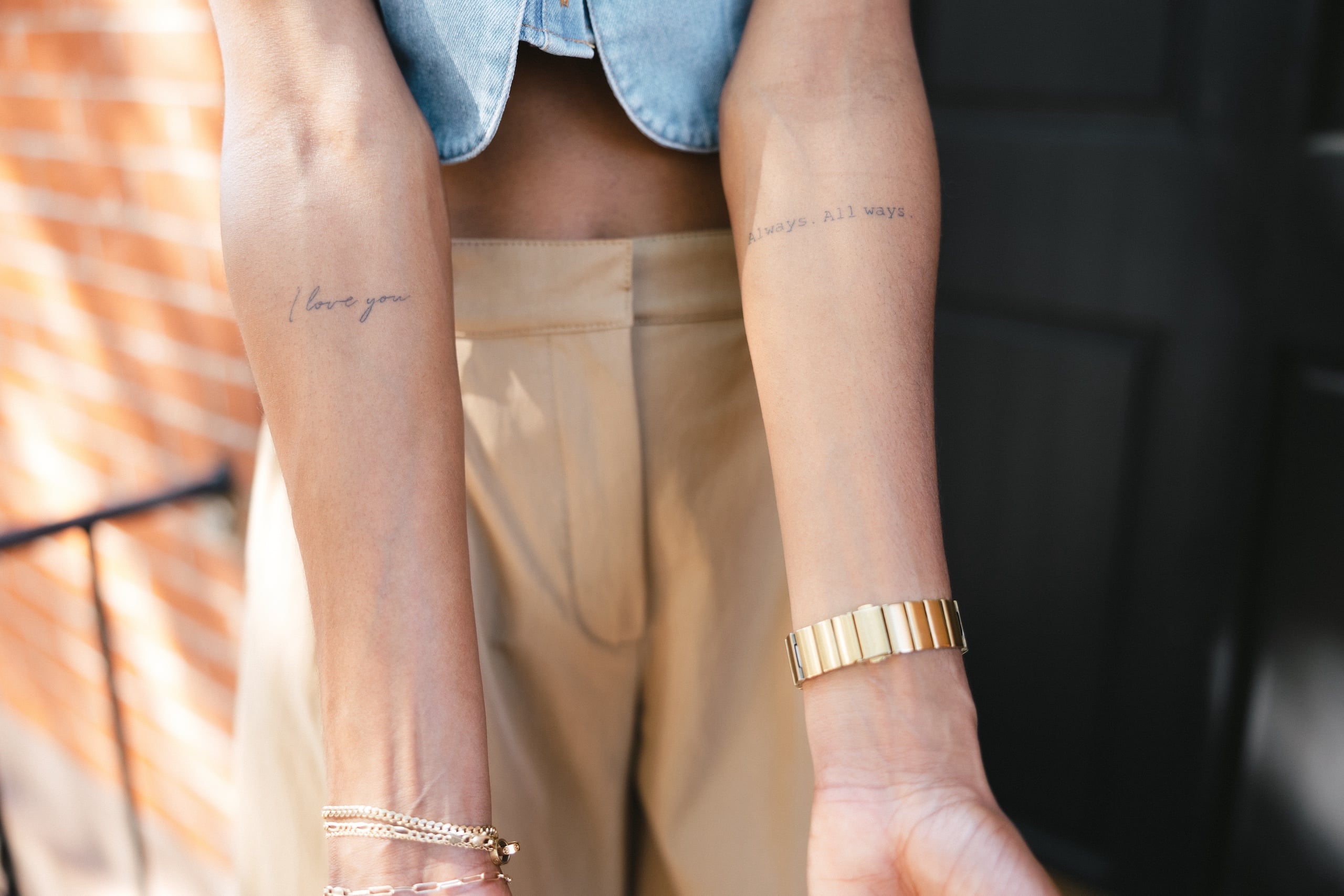
Furthermore, her practice of expressing emotional vulnerability—specifically her efforts to normalize the phrase "I love you" among friends and family—positions her as a practitioner of "radical kindness." Her choice to carry these sentiments through both her actions and her physical aesthetics, such as her tattoos and jewelry, indicates a synthesis of personal narrative and outward projection.
The Role of Athleticism in Urban Life
Data from recent urban lifestyle studies suggest that the "running club" phenomenon is significantly impacting city culture, with membership in amateur, women-led groups increasing by approximately 22% in metropolitan areas like New York since 2023. Omar’s leadership in Girls Run NYC is a direct reflection of this trend. Her insistence on running without electronic performance tracking—prioritizing body intuition over digital metrics—is an outlier in a fitness industry heavily saturated with biometric tracking technology.
This philosophy, which she describes as "moving through time and space unconstricted," suggests a move toward "intuitive movement." For Omar, the run is not merely a cardiovascular exercise but a psychological tool for liberation in a dense, demanding urban environment.
Supporting Context: The Garment Industry and Personal Expression
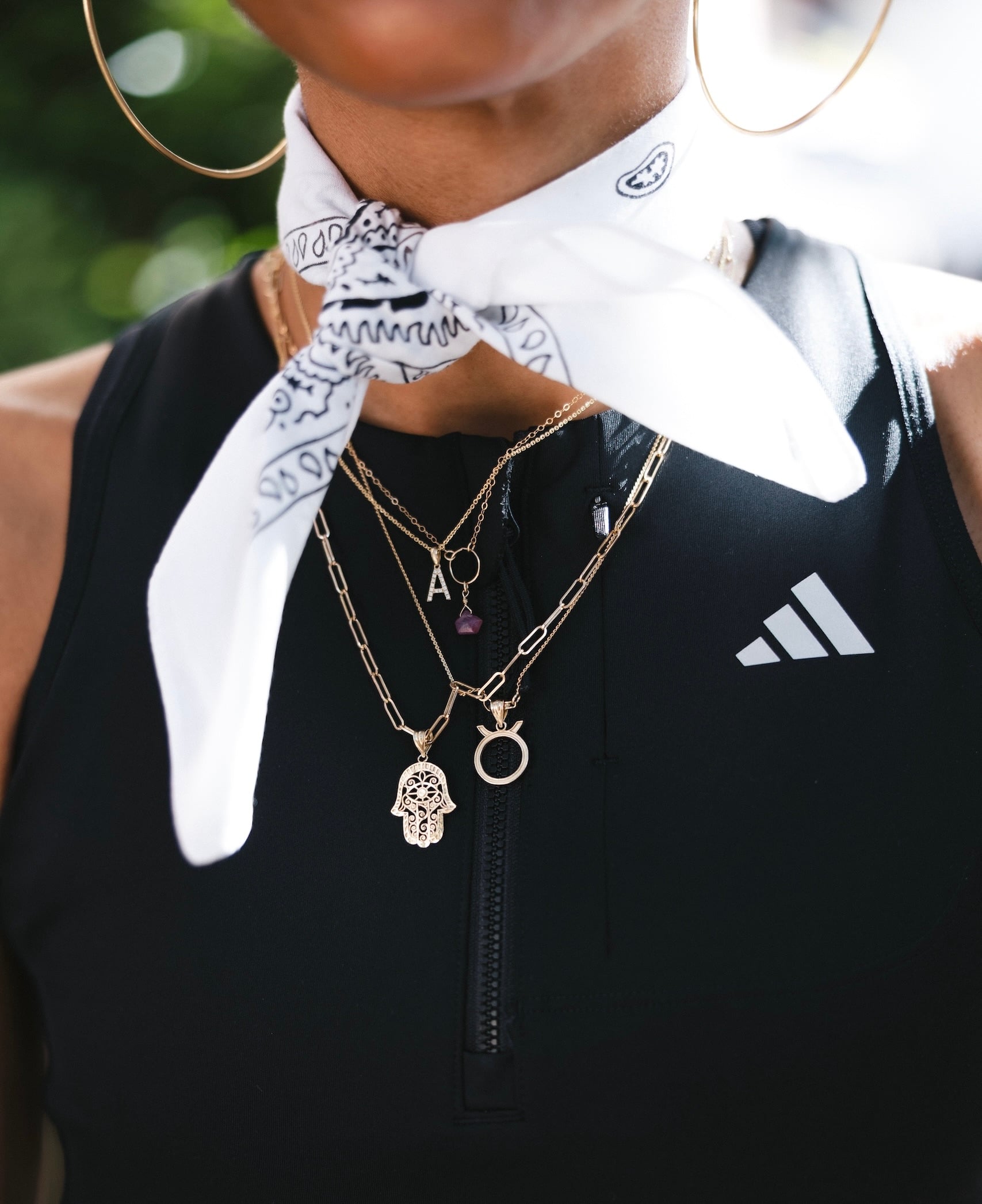
The brands featured in Omar’s recent wardrobe documentation, including Adidas, Zara, and various independent designers, represent a diverse price-point spectrum. Her ability to blend high-street brands with vintage and gifted items speaks to a growing trend of "curated consumption." Rather than adhering to fast-fashion cycles, she demonstrates an emphasis on pieces that hold personal, sentimental, or historical value—such as her sister-gifted Hamsa necklace or her long-standing preference for raw denim.
This behavior aligns with sustainable fashion advocacy, where the longevity of a garment is valued over its seasonal relevance. Her narrative confirms that personal style is not dictated by the price tag or the label, but by the wearer’s ability to imbue everyday items with personal history and intentionality.
Broader Impact and Public Reception
The public reaction to Omar’s recent features has been largely centered on her dual identity as both a high-profile, confident aesthetic figure and a grounded, accessible community leader. Her openness regarding her transition from her California upbringing to her 24-year residency in New York City provides a relatable narrative arc for many urban migrants.
As a coach and mentor, her influence extends beyond fashion. By prioritizing the emotional health of the women in her running group and advocating for the normalization of overt expressions of love, she is contributing to a cultural shift that values transparency and connection. The "week of outfits" is therefore not merely a display of consumer goods, but a manifesto for a life lived with intentionality.
Conclusion: The Future of Urban Style
Ameerah Omar’s rise to prominence signifies a shift in how influencers engage with their audience. By stripping away the performative layers often associated with digital content creation, she creates a space where fashion serves as a bridge to deeper conversations about power, self-acceptance, and community. Her ongoing work with Girls Run NYC, coupled with her professional practice as a meditation coach, suggests that she will continue to be a significant voice in discussions surrounding the intersection of lifestyle, mental health, and the modern urban experience. As she continues to evolve, her focus on "choosing herself" serves as an enduring message to a generation navigating the complexities of identity in a digital age.