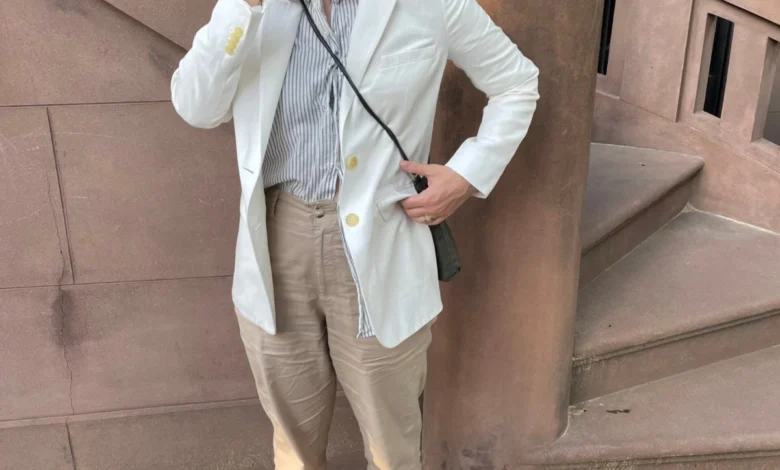
The shift toward relaxed professional attire has fundamentally altered the modern wardrobe, moving away from rigid, structured tailoring toward the versatile “slouchy” blazer. This style, characterized by softer shoulder lines, fluid fabrics, and a relaxed silhouette, has emerged as a dominant trend for the autumn 2026 season. As professionals increasingly seek a balance between the comfort of remote-work loungewear and the necessity of in-office polish, the blazer has been reimagined as the primary anchor for a versatile daily uniform.
The Evolution of the Professional Silhouette
Historically, the blazer functioned as a symbol of rigid authority, often constructed with heavy shoulder padding and structured lapels. However, the current fashion landscape reflects a broader societal movement toward "soft power" dressing. According to recent retail analytics, there has been a 34% increase in consumer searches for "unstructured blazers" and "relaxed-fit suiting" compared to the same period in 2024.
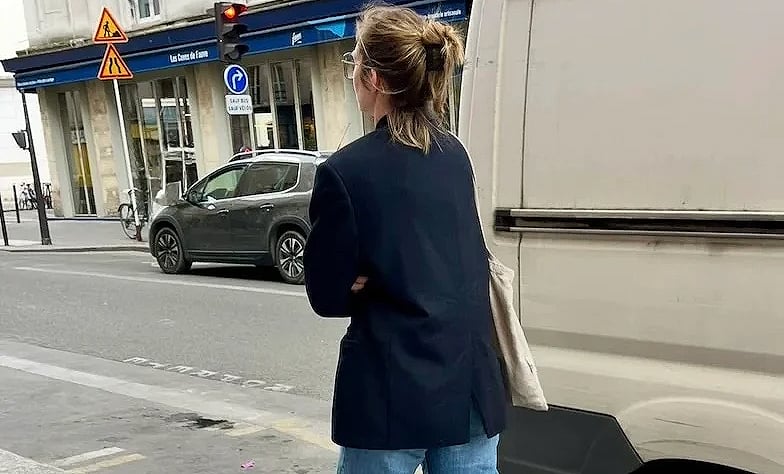
This transition is largely attributed to a change in workplace culture. As traditional dress codes loosen, the blazer has been repurposed as a layering piece that functions just as effectively over a cotton T-shirt as it does over a formal button-down. Industry experts note that the current demand focuses on garments that prioritize movement, allowing for a seamless transition from morning meetings to evening engagements.
Key Features of the Contemporary Blazer
For those looking to adopt this style, fashion consultants emphasize three primary technical elements that define a high-quality, slouchy blazer:
- Soft Shoulder Construction: Unlike traditional jackets, which rely on internal canvases and heavy padding, contemporary relaxed blazers utilize natural shoulder lines that drape comfortably over the frame.
- Fabric Composition: The use of jersey blends, lightweight wool, or linen-cotton mixtures allows the garment to maintain a clean silhouette without the stiffness of formal wear.
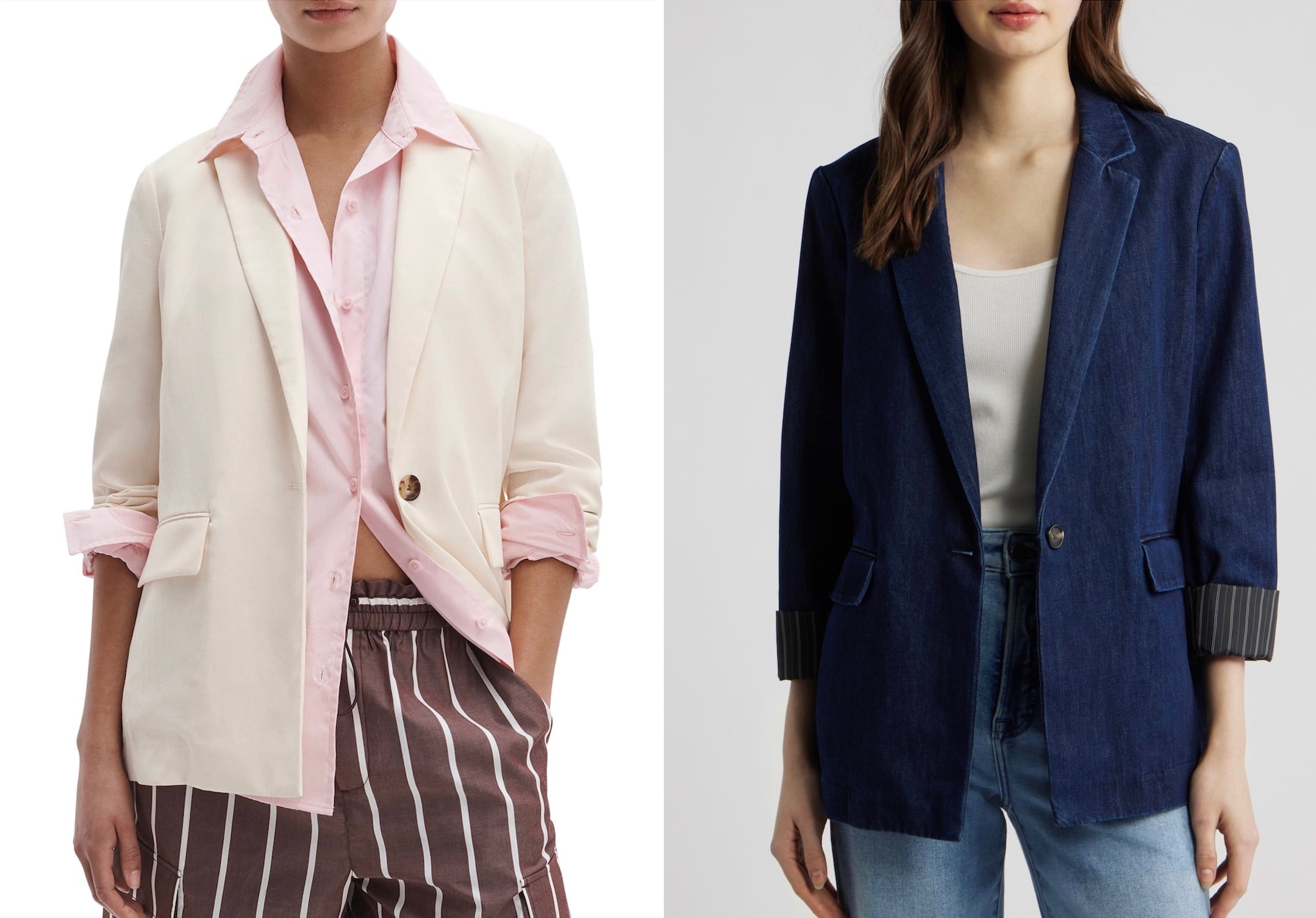
- Functional Cuffs: A hallmark of the modern relaxed blazer is the ability to easily push or fold the sleeves, which instantly reduces the formality of the piece, allowing it to pair naturally with casual denim or knitwear.
Market Trends and Retail Performance
The current retail cycle, heavily influenced by seasonal sales events such as the September 2026 "Insiders Events" hosted by major retailers like Madewell, has highlighted a significant push toward accessible, high-quality tailoring. Data suggests that retailers offering mid-range price points are seeing the highest conversion rates, as consumers prioritize wardrobe staples that offer high "cost-per-wear" value.
Major brands including Rag & Bone and various private-label manufacturers have adjusted their inventory to reflect this shift. Retail reports from the third quarter of 2026 indicate that inventory levels for single-button, oversized blazers are up 22% year-over-year. Analysts attribute this to the garment’s inherent versatility; it serves as a "bridge piece" that can be styled with striped shirts, thin sweaters, or cotton turtlenecks, depending on the temperature and professional requirements of the day.
The Rise of the Pre-Loved Market
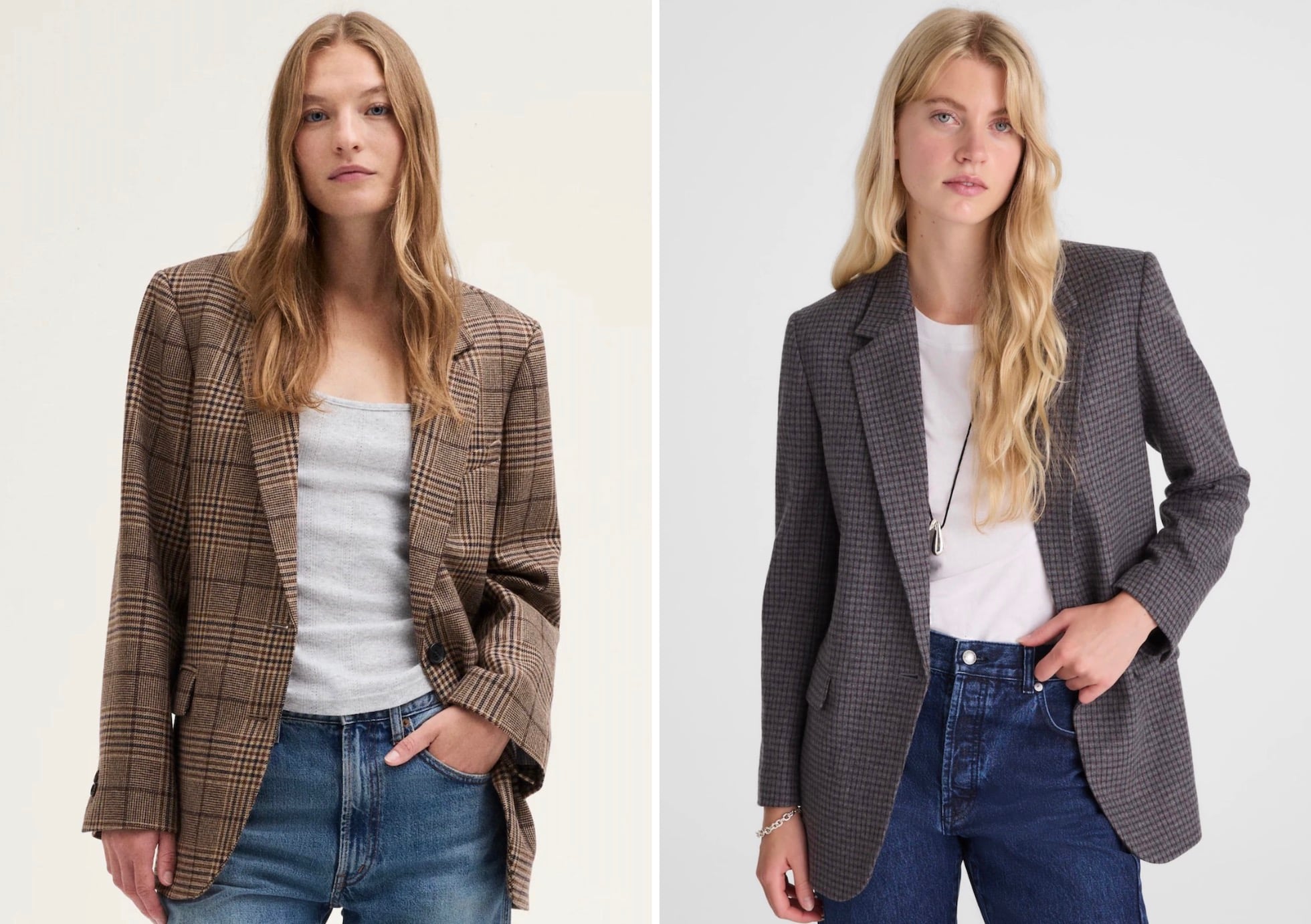
Beyond the primary retail market, the secondary, or "pre-loved," market has seen a surge in interest for vintage and second-hand blazers. This trend is driven by two factors: sustainability and fit. Many consumers have found that vintage blazers—particularly those manufactured between the 1990s and early 2000s—often feature the high-quality, heavier-weight fabrics that are harder to find in modern "fast fashion" production.
Industry observers note that sourcing these pieces requires patience, often referred to in the industry as "the hunt." Because sizing standards have shifted over the decades, professional stylists recommend that buyers focus on measurements rather than traditional size tags. The popularity of plaid, houndstooth, and wool-tweed patterns in the secondary market remains particularly high, as these patterns provide a classic aesthetic that remains relevant regardless of the season.
Expert Recommendations on Styling and Fit
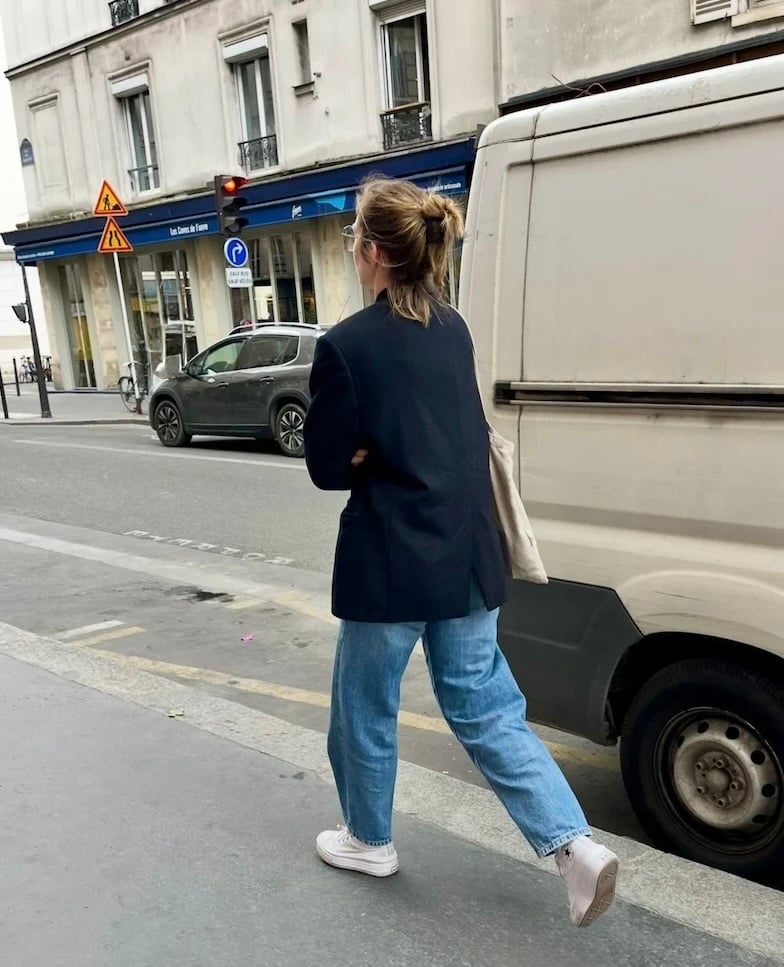
Stylists and industry commentators have offered consistent advice for those attempting to master the slouchy aesthetic. The primary recommendation is to prioritize size. "Sizing up" is a common tactic used to achieve the desired effortless look without the garment appearing ill-fitted. By selecting a size slightly larger than one’s standard fit, the wearer ensures that the garment hangs with the intended drape rather than clinging to the body.
Furthermore, the integration of contrasting textures is essential. A common mistake in styling the relaxed blazer is pairing it with similarly loose-fitting clothing, which can lead to a lack of definition. Instead, experts suggest pairing an oversized, slouchy blazer with slim-cut denim or a fitted base layer. This creates a visual balance that maintains a professional edge while honoring the relaxed nature of the jacket.
Socio-Economic Implications of Office Attire
The shift toward the "blazer-and-jeans" combo is not merely a fleeting aesthetic preference; it represents a deeper adjustment in how the workforce views professional identity. With the rise of hybrid work environments, employees are increasingly rejecting the "costume" of the traditional office.
Sociologists suggest that this "casualization" of the workplace is a psychological response to the blurred lines between domestic and professional spaces. By wearing a blazer over casual staples, professionals are able to signal readiness and competence without sacrificing the comfort that they have become accustomed to over the last several years. The blazer effectively acts as a "uniform of convenience," allowing the wearer to remain presentable for video conferences or in-person interactions with minimal effort.
Conclusion and Future Outlook
As we move further into the fall 2026 season, the slouchy blazer is expected to remain a staple of the professional wardrobe. Its success lies in its versatility and its ability to adapt to the wearer’s specific needs. Whether it is a luxury piece or a pre-loved find, the key to the modern blazer remains the same: the garment should reflect the wearer’s personal style while providing the necessary structure to transition between professional and casual environments.
For those planning to invest in a new piece, the focus should remain on fabric quality and shoulder fit. As retail trends continue to move toward functional, long-lasting items, the slouchy blazer stands out as one of the most reliable and stylish investments for the coming year. As with any significant wardrobe update, the best approach is to experiment with different silhouettes and layering techniques until the ideal combination for one’s personal aesthetic is achieved.