President Trump Rejects Iranian Ceasefire Proposal as U.S. Naval Operations Boost Strait of Hormuz Oil Transit

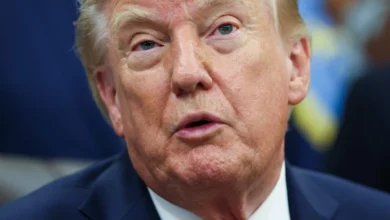
The geopolitical standoff in the Persian Gulf has entered a volatile new chapter as President Donald Trump formally rejected a recent diplomatic overture from Tehran, signaling a hardline stance that prioritizes sustained economic pressure over immediate de-escalation. The Iranian proposal, which sought a seven-day ceasefire in exchange for the lifting of U.S. naval blockades and the release of frozen assets, was dismissed by the White House on Saturday. Speaking to reporters, President Trump characterized the Iranian position as a sign of weakness, asserting that the Islamic Republic is currently enduring significant economic strain and that the terms offered by Tehran were fundamentally unacceptable to his administration.
This diplomatic impasse occurs against the backdrop of an intensifying military and economic strategy. Sources familiar with internal administration deliberations indicate that the President has signaled to his national security team that he anticipates a resumption of more aggressive military operations against Iranian targets in the period following the upcoming midterm elections. By delaying further kinetic action until after the polls, the administration appears to be balancing the strategic necessity of maintaining global oil flow stability against the political volatility of domestic energy prices.
A Chronology of the Hormuz Crisis
The current instability in the Strait of Hormuz, the world’s most critical maritime oil chokepoint, began nearly eight months ago. The disruption of global energy supplies triggered by the ongoing U.S.-Iran conflict has forced a radical realignment of global logistics.
In the early months of the crisis, the total closure or severe restriction of the strait sent shockwaves through international commodity markets. The conflict saw a rapid escalation from shadow warfare to direct naval confrontations. Throughout the spring, Iranian-backed forces utilized a combination of drone strikes, missile threats, and mining operations to deter commercial shipping, effectively creating a blockade that forced many exporters to seek long-range, expensive alternatives.
By July, a brief and fragile ceasefire offered a glimmer of hope for the global energy market, allowing traffic to rebound temporarily. However, the agreement collapsed within weeks as skirmishes resumed. The U.S. military, having established a robust presence, transitioned to a strategy of nocturnal escorts, guiding tankers through the narrow waterway under the cover of darkness to mitigate the risk of detection and targeting by Iranian shore-based batteries.
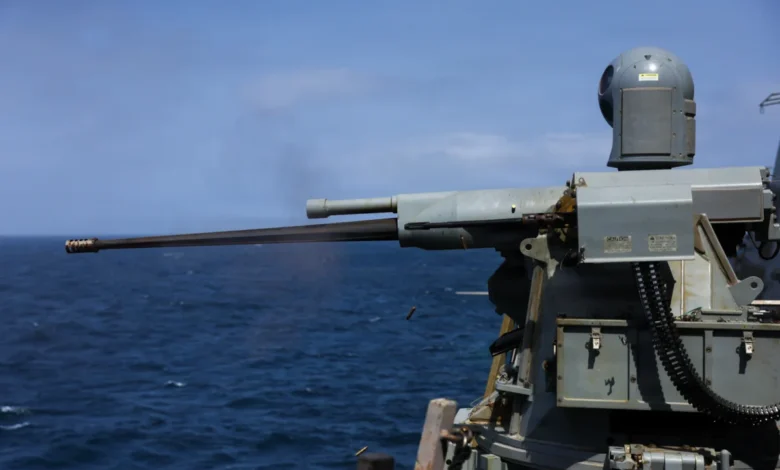
Recent weeks have marked a significant shift. Following a series of targeted U.S. airstrikes designed to degrade Iran’s surveillance and radar capabilities, the threat environment has evolved. In September, the U.S. Central Command, in coordination with Gulf partners, transitioned to daytime tanker transits. This tactical shift has been instrumental in increasing the volume of crude oil successfully navigating the strait.
Surge in Oil Throughput and Market Resilience
Data from maritime tracking firms confirms that the volume of oil exiting the Persian Gulf has seen a marked recovery. According to Tanker Trackers, the total amount of crude oil exiting the U.S. blockade line reached 13 million barrels per day (bpd) by mid-September. This represents a doubling of throughput in less than a month.
The resurgence in transit volume is attributed to two primary factors: the success of U.S. military-led escort operations and a tactical shift by Saudi Arabia. Previously, Riyadh had attempted to bypass the Persian Gulf entirely by utilizing the East-West Pipeline to transport oil to Red Sea ports. However, following a series of drone and missile attacks on Saudi energy infrastructure—allegedly carried out by Iranian-backed Houthi and Iraqi factions—the Kingdom opted to return to using the Persian Gulf, relying on the security umbrella provided by the U.S. Navy.
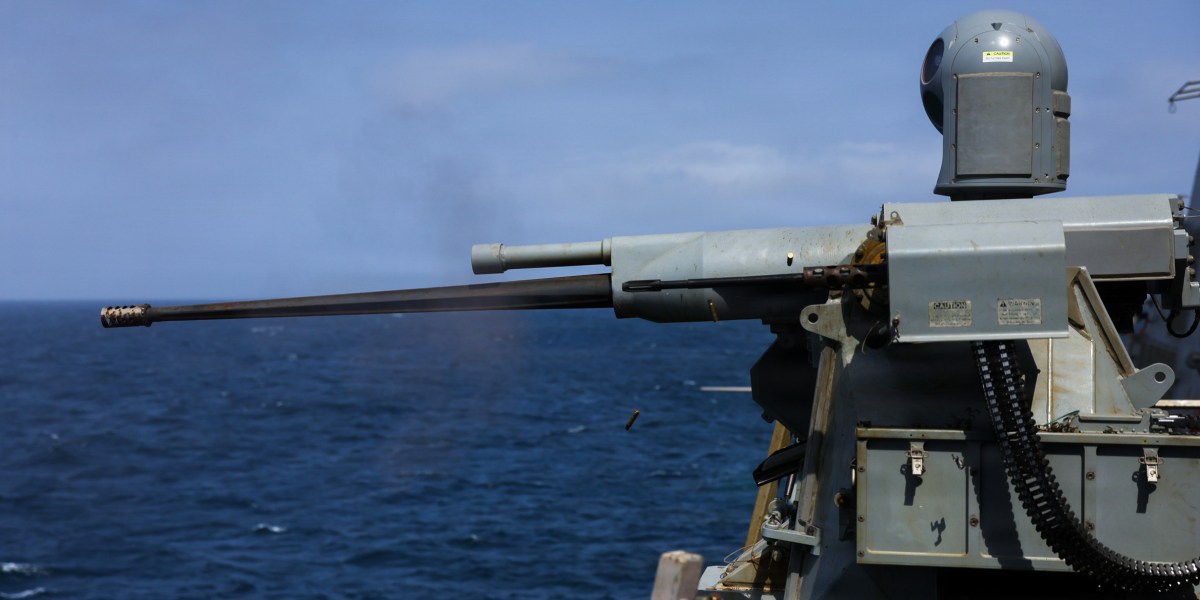
Energy market analysts, including Rory Johnston, have corroborated these findings, estimating that approximately 13.5 million barrels per day are now clearing the strait based on current seven-day averages. While this volume remains below pre-war levels, necessitating further draws from global strategic reserves, it is a significant improvement over the lows observed earlier in the summer.
Economic Implications and Financial Warfare
The U.S. policy of “maximum pressure” continues to take a heavy toll on the Iranian economy. The combination of a naval blockade, which prevents the export of Iranian oil, and the tightening of international financial sanctions has led to a precipitous decline in the value of the Iranian rial. Recent reports from international financial monitors suggest that the Islamic Republic is struggling with severe inflationary pressure, shortages of essential goods, and declining social cohesion, all of which are primary objectives of the current U.S. strategy.
However, the operational costs of maintaining this flow of oil remain a major point of concern for the global energy sector. While the U.S. military provides the necessary protection, the commercial shipping industry is absorbing significant additional costs. Shipping companies are currently forced to pay substantially higher wages to crews to account for the “war risk” premiums, and insurance costs for transit through the strait remain at historic highs.
Johnston estimates that the additional cost of exporting a barrel of oil through the current environment—excluding the massive cost of the U.S. naval presence—ranges between $30 and $40 per barrel. This creates a precarious situation for producers. If global oil prices were to fall significantly, or if Gulf exporters attempted to increase their margins, the economics of this transit route could become unsustainable.
Strategic Outlook and Official Responses
The rejection of the ceasefire proposal reflects a broader consensus within the U.S. foreign policy establishment that time is no longer on Iran’s side. The administration’s confidence stems from the resilience of the global oil market, which has avoided the catastrophic price spikes that many analysts feared at the start of the conflict. The ability of the U.S. to facilitate increased transit while simultaneously strangling Iran’s ability to generate revenue has emboldened Washington to hold out for more favorable terms.
The Iranian government has remained defiant in its public rhetoric, continuing to denounce the U.S. presence in the region as an illegal occupation of maritime trade routes. Yet, the diplomatic reach-out suggests an internal awareness of the mounting domestic pressure. The regime faces a difficult choice: continue a war of attrition that is eroding its economic foundation or concede to U.S. demands regarding its nuclear and regional programs.
International observers are now closely monitoring the "post-election" timeline. If the U.S. moves to escalate its bombing campaign against Iranian infrastructure, the current stability in the strait could be instantly upended. Analysts warn that such a move would likely prompt a final, desperate attempt by Tehran to close the strait entirely, potentially using its remaining stockpile of mines and fast-attack craft.
For now, the status quo is defined by a tense, military-enforced stability. The U.S. military’s ability to clear mines and neutralize Iranian surveillance has created a “security bubble” that allows just enough oil to flow to keep global markets from panic, while the economic blockade continues to squeeze the Iranian state. As the winter months approach, the intersection of political cycles in Washington and the economic exhaustion in Tehran will likely determine whether the current standoff persists or descends into a new round of regional conflict.
The broader implications for global energy security are profound. The world has seen that the reliance on the Strait of Hormuz remains a critical vulnerability, and the current crisis has accelerated discussions among major importers regarding the diversification of energy sources and the development of alternative, non-maritime transit infrastructure. Nevertheless, for the foreseeable future, the world’s energy lifeline remains tethered to the outcome of this high-stakes maritime and economic chess match.
Related posts: