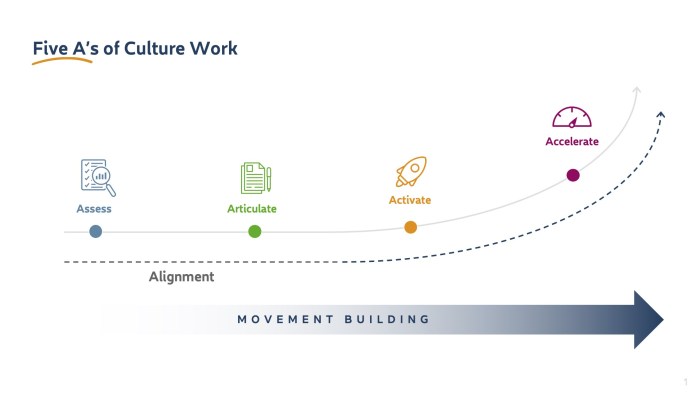
How Microsoft and Atlassian used culture to manage change reveals a fascinating case study in adapting to organizational shifts. This exploration delves into the unique cultures of both companies, analyzing how their respective values and norms influenced change management strategies. We’ll uncover the specific initiatives employed, the impact on adoption and resistance, and the critical leadership roles in driving these cultural shifts.
Microsoft, with its historical emphasis on hierarchy and stability, faced different challenges than Atlassian, known for its more agile and collaborative ethos. This analysis compares and contrasts their approaches, offering insights into how culture can be a powerful tool (or a significant hurdle) in the face of change. Understanding the nuances of these strategies can provide valuable lessons for organizations navigating similar transformations.
Introduction to Microsoft and Atlassian’s Cultural Approach to Change Management

Microsoft and Atlassian, two tech giants with vastly different origins and growth trajectories, have successfully navigated significant changes. Their approaches to change management are deeply intertwined with their respective organizational cultures. Understanding these cultures provides valuable insights into how these companies have adapted to evolving markets, technologies, and competitive landscapes. This analysis explores the key characteristics of these cultures and how they have influenced their change management processes.Microsoft’s history as a dominant player in the personal computer and software markets has shaped its culture, while Atlassian’s rapid rise as a cloud-based software company has fostered a more agile and collaborative environment.
Examining these contrasting approaches allows us to understand the different strategies that lead to success in managing change within a complex and dynamic industry.
Microsoft’s Organizational Culture
Microsoft, born from the personal computer revolution, initially fostered a hierarchical and somewhat rigid culture, characterized by a strong emphasis on internal expertise and top-down decision-making. This structure, while effective in its initial growth phase, proved challenging when the company faced shifts in the market towards cloud computing and mobile technologies. Over time, Microsoft has adapted its culture to become more agile and customer-centric, but the legacy of its past structure remains noticeable.
This has both helped and hindered their ability to adapt quickly to change.
Atlassian’s Organizational Culture
Atlassian, on the other hand, has always been more focused on rapid innovation and collaboration. Founded in a more entrepreneurial environment, the company embraced a culture of transparency, open communication, and a flat organizational structure. This structure encouraged employees to take ownership of their work and fostered a collaborative environment, vital in navigating the rapid pace of technological advancements and the dynamic nature of the software industry.
Evolution of Cultures Over Time
Both companies have undergone significant cultural shifts. Microsoft, in recent years, has embraced a more agile and customer-centric approach, driven by the need to compete in a rapidly changing technological landscape. This shift has helped Microsoft adapt to the demands of cloud computing and mobile technologies, while Atlassian has continuously refined its collaborative environment to meet the demands of a rapidly evolving market.
Comparison of Microsoft and Atlassian Cultures
| Characteristic | Microsoft | Atlassian |
|---|---|---|
| Organizational Structure | Historically hierarchical, transitioning towards a more flat structure. | Flat, decentralized, emphasizing empowerment. |
| Decision-Making | Historically top-down, gradually becoming more distributed. | Collaborative, with significant employee input. |
| Communication Style | Historically formal, evolving towards greater transparency and open communication. | Transparent, open, and direct, encouraging feedback and collaboration. |
| Innovation | Historically focused on internal innovation, adapting to more external partnerships. | Built on rapid innovation and continuous improvement. |
| Culture Impact on Change Management | Past hierarchical structure initially hindered adaptation to change, but recent evolution facilitates agility. | Flat structure and collaborative environment allow for rapid adaptation to change. |
Strategies for Managing Change within the Cultures
Navigating organizational change requires a nuanced approach that respects and leverages the existing culture. Microsoft and Atlassian, both known for their distinct company cultures, have demonstrated effective strategies for managing change, demonstrating that culture isn’t an obstacle, but a powerful tool. Understanding how these companies adapted their change management strategies to their respective cultures is crucial for any organization seeking to implement change successfully.Effective change management goes beyond simply announcing new policies.
It involves a deep understanding of the company’s values, communication styles, and employee motivations. Microsoft and Atlassian have embraced this understanding, tailoring their approaches to resonate with their unique cultures, fostering buy-in and minimizing resistance.
Microsoft’s Change Management Strategies
Microsoft, with its vast global presence and complex product portfolio, employs a comprehensive change management framework. Their approach often involves establishing clear communication channels and using data-driven insights to demonstrate the necessity and benefits of the change. This data-driven approach builds trust and reduces uncertainty among employees. They also emphasize employee empowerment, encouraging participation and feedback during the change process.
This proactive engagement helps to address concerns and build consensus.
Atlassian’s Change Management Strategies
Atlassian, known for its collaborative and agile culture, typically employs a more iterative approach to change. They frequently engage employees in the design and implementation stages, fostering a sense of ownership and shared responsibility. This approach, combined with transparent communication and a focus on continuous improvement, allows them to adapt quickly to evolving needs. Their strategy is highly iterative and incorporates feedback loops to refine the change as it unfolds.
Specific Change Management Initiatives
Microsoft has undertaken numerous initiatives, including restructuring projects, product redesigns, and the implementation of new technologies. These initiatives have been approached with a strong focus on employee development and career progression, ensuring that employees feel supported throughout the transition. Atlassian, on the other hand, has focused on initiatives related to product development, organizational restructuring, and the expansion of their global footprint.
They emphasize empowerment and agility, encouraging teams to adopt new approaches and adapt quickly.
Communication Methods
Effective communication is paramount during any change process. Microsoft utilizes a multi-faceted approach, incorporating town hall meetings, internal newsletters, and online forums to ensure widespread awareness and address employee concerns. Atlassian, leveraging its internal communication platforms and team-based structures, emphasizes direct communication and frequent updates to maintain transparency and foster a sense of connection among employees.
Key Change Management Strategies Comparison
| Feature | Microsoft | Atlassian |
|---|---|---|
| Core Culture | Hierarchical, data-driven, global | Collaborative, agile, flat |
| Change Approach | Comprehensive, data-driven, phased | Iterative, employee-centric, flexible |
| Communication Style | Formal, multi-channel, data-driven | Informal, direct, frequent updates |
| Employee Involvement | Emphasizes employee development, support | Encourages ownership, shared responsibility |
Impact of Culture on Change Adoption and Resistance
Microsoft and Atlassian, despite their different approaches to software development and company culture, both faced challenges and successes in managing change. Understanding how their respective cultures influenced the adoption of new initiatives and the handling of resistance is crucial for comprehending their change management strategies. This analysis delves into the interplay between culture, change adoption, and resistance, highlighting key examples from both companies.Cultural norms and values significantly shaped how employees at both Microsoft and Atlassian reacted to change.
Microsoft’s traditionally hierarchical structure and emphasis on stability influenced a cautious approach to new technologies and processes. Atlassian, on the other hand, fostered a more agile and collaborative environment, encouraging experimentation and faster adaptation to evolving market demands.
Cultural Influence on Change Adoption
Microsoft’s culture, characterized by a large, established workforce and a preference for incremental change, often led to slower adoption of new technologies. The company’s deep-rooted processes and existing systems acted as a barrier to radical shifts. In contrast, Atlassian’s emphasis on innovation and experimentation facilitated a more rapid adoption of new features and methodologies within their products and work processes.
The company’s focus on product development and continuous improvement fostered a culture of adaptability. This allowed for more rapid iterations and quicker response to market demands.
Handling Resistance to Change
Both companies acknowledged the importance of leadership in navigating resistance to change. Microsoft’s senior leadership often championed new initiatives, communicating their vision and value proposition to employees. Atlassian, recognizing the importance of buy-in from all levels, employed a more inclusive approach. This included open communication channels and regular feedback sessions to address employee concerns.
Microsoft and Atlassian, masters of change, demonstrated how fostering a strong company culture can navigate transitions smoothly. This resonates with the importance of fostering trust and open communication, a crucial element in managing change effectively. However, when considering the complexities of public health, the arguments presented in Eleanor Menzin’s insightful essay on childhood vaccine myths eleanor menzin childhood vaccine myths essay highlight the critical need for a nuanced approach to disseminating accurate information.
Ultimately, building a strong culture within organizations, much like fostering informed public discourse, is paramount for navigating any kind of significant shift.
Examples of Cultural Impact
A notable example of how culture influenced change adoption at Microsoft is the gradual integration of cloud services. The company’s cautious approach to major changes, deeply rooted in their traditional methodology, resulted in a phased rollout of cloud services to mitigate potential disruptions. At Atlassian, the quick adoption of agile methodologies within their own development processes demonstrates how their culture of experimentation and collaboration fostered a faster implementation.
Addressing Concerns and Objections
Microsoft addressed concerns by providing extensive training and support resources to help employees transition to new systems. This approach recognized the need for a comprehensive support system. Atlassian, recognizing the importance of open communication, often incorporated employee feedback into product development. This ensured that new features and initiatives addressed the concerns of their user base.
Table: Change Adoption and Resistance
| Company | Change Initiative | Cultural Aspect | Impact on Adoption | Resistance Handling |
|---|---|---|---|---|
| Microsoft | Transition to Cloud Services | Hierarchical structure, emphasis on stability | Phased rollout, extensive training | Leadership championed, clear communication of benefits |
| Microsoft | Adoption of Agile Methodologies | Traditional, incremental approach | Slower adoption, emphasis on structured processes | Training programs, support for gradual transition |
| Atlassian | New Product Features | Agile, collaborative culture, experimentation | Rapid adoption, feedback incorporated | Open communication, employee feedback channels |
| Atlassian | Implementation of new development processes | Emphasis on innovation and adaptability | Quick adaptation, continuous improvement | Active involvement from all levels, transparent communication |
Leadership Roles in Driving Cultural Change: How Microsoft And Atlassian Used Culture To Manage Change
Leadership isn’t just about strategy; it’s fundamentally about cultivating a culture where change is embraced, not feared. Effective leaders at Microsoft and Atlassian recognized this crucial link, proactively shaping their organizational cultures to foster adaptability and innovation. Their approaches, detailed below, demonstrate how leadership can be a powerful catalyst for positive change management outcomes.
Leadership’s Role in Cultivating a Change-Ready Culture
Leadership at both Microsoft and Atlassian didn’t just announce change; they actively participated in the process. They understood that successful change initiatives require buy-in from all levels of the organization. This active participation fostered a sense of shared responsibility, turning change from a top-down mandate into a collaborative effort. Leaders served as role models, demonstrating the desired behaviors and values associated with change.
Fostering a Culture Supportive of Change at Microsoft
Microsoft’s transformation from a primarily product-centric company to a more customer-centric and cloud-focused one required a significant shift in mindset. Leadership recognized the need to cultivate a culture that embraced experimentation and rapid iteration. This involved empowering employees to take calculated risks and learn from failures, creating an environment where innovation flourished. Leaders consistently communicated the rationale behind these changes, emphasizing the benefits for both the company and its employees.
Microsoft and Atlassian both effectively navigated significant shifts by prioritizing a strong company culture. This approach, emphasizing employee well-being and shared values, fostered a smoother transition during periods of change. For a deeper dive into how cultural shifts can impact large-scale industry transformation, check out this insightful discussion on the industrial renaissance time100 talk. Ultimately, focusing on culture proves a powerful tool for managing change in organizations, mirroring the strategies of both tech giants.
They also actively sought feedback from employees at all levels, demonstrating a commitment to listening and adapting to their concerns.
Fostering a Culture Supportive of Change at Atlassian
Atlassian, known for its collaborative and agile development approach, has always prioritized its employees’ well-being and empowerment. This ethos was instrumental in navigating changes like expansion into new markets and the introduction of new products. Leadership at Atlassian actively encouraged open communication and transparency, ensuring that everyone felt heard and valued. This open communication created a sense of trust and fostered an environment where feedback was welcomed and actively integrated into decision-making processes.
Leaders demonstrated commitment to employee growth and development, ensuring employees had the skills and resources needed to adapt to change.
Specific Leadership Styles for Navigating Change Initiatives
Leaders at both companies adopted a variety of styles to navigate change initiatives. A common thread was a blend of empowering and supportive leadership, combined with clear communication and transparency. This style fostered a sense of trust and collaboration, allowing employees to feel confident in navigating the challenges of change. Furthermore, leadership emphasized the importance of continuous learning and adaptation, encouraging employees to embrace new skills and approaches.
This emphasis on continuous improvement was a key component of both organizations’ success.
Leadership Adaptation to Evolving Cultures
Both companies’ leadership teams recognized that culture is not static; it evolves over time. As the companies grew and their environments changed, leaders adapted their strategies accordingly. This adaptation involved recognizing shifts in employee needs and expectations, adjusting communication styles, and actively soliciting feedback to ensure the culture remained aligned with the company’s goals and values. This ongoing evolution ensured that leadership remained relevant and effective in fostering a change-ready culture.
Microsoft and Atlassian, masters of change, used strong company cultures to navigate tough times. Thinking about how to weather a potential economic downturn? Preparing for a recession, like navigating company-wide transformations, demands a strong foundation – one that emphasizes resilience and adaptability, just like the cultures at Microsoft and Atlassian. Ultimately, fostering a supportive and forward-thinking culture is key to successfully managing change, whether it’s a global recession or an internal restructuring at a tech giant.
how to prepare for a recession
Impact of Leadership Actions on Change Management Outcomes
The actions of leaders at Microsoft and Atlassian directly impacted change management outcomes. Their commitment to transparent communication, active listening, and employee empowerment resulted in higher rates of change adoption and lower levels of resistance. This demonstrates the crucial role leadership plays in successfully navigating organizational change. By fostering a culture of collaboration, innovation, and continuous improvement, leaders effectively transformed change initiatives from challenges into opportunities for growth.
Lessons Learned and Best Practices
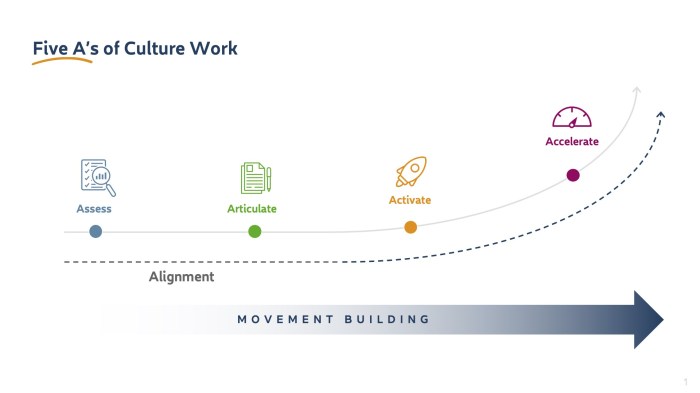
Observing Microsoft and Atlassian’s agile change management reveals crucial insights. Their success isn’t solely about strategy, but deeply intertwined with their respective cultures. These companies demonstrate that fostering a culture of adaptability and continuous improvement is paramount for navigating organizational transformations effectively. By understanding the interplay between culture and change, businesses can leverage these lessons for their own transformative journeys.The key takeaway is that successful change management isn’t a one-size-fits-all process.
It’s crucial to tailor approaches to the unique cultural fabric of the organization. A rigid structure won’t thrive in a dynamic environment, and a highly flexible culture might struggle with strict deadlines. Understanding the nuances of these cultural contexts is essential for effective change management.
Key Lessons from Microsoft and Atlassian
Microsoft and Atlassian’s journeys underscore the importance of embedding change management principles into the very fabric of their organizations. They prioritize employee empowerment and engagement, creating a sense of shared ownership in the change process. This approach reduces resistance and fosters a culture of continuous improvement.
Best Practices for Managing Change in Similar Cultures
Several best practices emerge from studying these tech giants. These strategies are particularly valuable for organizations with similar cultures, characterized by a high degree of collaboration, innovation, and a focus on customer satisfaction.
- Foster a Culture of Open Communication: Transparency is critical. Establish clear communication channels to disseminate information about the change initiative, address concerns proactively, and solicit feedback. Microsoft, for instance, uses internal forums and town halls to keep employees informed throughout the transition process.
- Embrace Agile Methodologies: A flexible, iterative approach is often more effective than a rigid, top-down strategy. Microsoft and Atlassian both leverage agile frameworks to manage projects and adapt to evolving needs. This iterative approach allows for quicker feedback loops and adjustments, minimizing disruption.
- Empower Employees: Involve employees in the change process. Give them a voice, encourage their participation, and showcase how their contributions are valued. Atlassian’s emphasis on employee autonomy and ownership plays a key role in fostering a sense of agency.
- Prioritize Continuous Learning and Development: Provide employees with the necessary resources and training to adapt to new processes and technologies. This fosters a culture of continuous learning, which is essential for successful change management.
Aligning Culture with Change Initiatives, How microsoft and atlassian used culture to manage change
Aligning cultural values with change initiatives is paramount. Change initiatives should resonate with the existing organizational values and ethos. This alignment reduces friction and increases buy-in from employees. Microsoft and Atlassian have successfully integrated their change initiatives into their existing cultures, making the transition smoother and more sustainable.
| Best Practice | Description | Example from Microsoft/Atlassian |
|---|---|---|
| Open Communication | Establish clear communication channels and proactively address concerns. | Internal forums, town halls, regular updates. |
| Agile Methodologies | Adopt flexible, iterative approaches to manage projects. | Using agile frameworks to adapt to evolving needs. |
| Empowerment | Involve employees in the change process and encourage their participation. | Employee feedback loops, collaborative decision-making. |
| Continuous Learning | Provide resources and training to adapt to new processes and technologies. | Training programs, workshops, mentorship opportunities. |
Illustrative Examples of Change Initiatives
Companies like Microsoft and Atlassian have successfully navigated significant organizational shifts by deeply embedding cultural considerations into their change management strategies. Understanding how these transformations were implemented and the subsequent impact provides valuable insights into effective change management within a corporate context. This section will highlight specific initiatives, focusing on the cultural strategies employed, communication methods, and the resulting impact on performance and employee morale.Organizational change isn’t just about new processes or technologies; it’s about adapting to new ways of thinking and working.
Microsoft and Atlassian recognized this, making cultural alignment a key component of their change initiatives. By understanding how they communicated these shifts and the resulting reactions, we can learn practical methods for successful change implementation.
Microsoft’s Cloud Transition
Microsoft’s transition to a cloud-first strategy involved a significant cultural shift. Employees needed to adapt to new technologies, processes, and ways of collaborating. This change required a robust communication plan. Microsoft used various channels, including internal newsletters, town hall meetings, and dedicated training programs, to educate employees about the benefits and implications of the cloud migration. The company emphasized the strategic importance of the cloud, demonstrating how it would enhance innovation and empower employees.
Atlassian’s Agile Transformation
Atlassian, known for its agile methodology, faced a challenge when expanding its agile principles beyond software development to other departments. To facilitate this cultural change, Atlassian implemented training programs and workshops, focusing on the core principles of agile development. Leadership actively participated in these training sessions, demonstrating their commitment to the new methodologies. This reinforced the culture of collaboration and continuous improvement, crucial for successful agile adoption across the organization.
Detailed Comparison of Change Initiatives
| Change Initiative | Cultural Context | Communication Strategy | Outcome (Impact on Performance & Employee Satisfaction) |
|---|---|---|---|
| Microsoft’s Cloud Transition | Shifting from on-premise to cloud-based services demanded a culture of adaptability and embracing new technologies. | Comprehensive communication plan involving internal newsletters, town halls, and dedicated training programs. | Positive impact on performance through enhanced scalability and agility. Employee satisfaction remained high due to the transparency and support provided during the transition. |
| Atlassian’s Agile Transformation | Expanding agile principles beyond software development required a culture shift towards collaborative problem-solving and continuous improvement. | Training programs and workshops, emphasizing agile methodologies and leadership participation. | Improved cross-functional collaboration and faster time-to-market for new products. Employee satisfaction increased due to the empowerment and flexibility associated with agile methodologies. |
Metrics for Measuring Cultural Impact on Change Management
Assessing the impact of culture on change management requires a nuanced approach that goes beyond traditional project metrics. Simply measuring task completion or time to deployment doesn’t capture the often subtle, yet crucial, role culture plays in shaping the success or failure of a change initiative. Instead, effective measurement necessitates tools that gauge employee buy-in, engagement, and the overall shift in organizational values and behaviors.Understanding how cultural factors influence change adoption and resistance is critical for adjusting strategies and fine-tuning change management approaches.
This involves a shift in focus from solely quantifiable metrics to incorporating qualitative data that reveals the underlying cultural dynamics driving the change process.
Quantifiable Metrics for Cultural Impact
A comprehensive evaluation of cultural impact on change management necessitates a combination of quantitative and qualitative metrics. Quantifiable metrics offer concrete data points to assess the effectiveness of cultural interventions and adjustments. Key metrics include employee feedback, participation rates in training programs, and the rate of adoption of new processes or tools. These metrics provide a tangible understanding of how the change is being received and integrated into daily work practices.
Qualitative Metrics for Cultural Impact
Qualitative metrics provide richer insights into the emotional and behavioral aspects of cultural shifts. These metrics often involve observations of employee interactions, feedback sessions, and surveys designed to gauge the emotional response to the change initiative. Focus groups and one-on-one interviews provide valuable insights into employee perceptions, concerns, and motivations. These insights offer deeper understanding into the reasons behind acceptance or resistance to change.
Impact of Culture on Change Adoption and Resistance
The success of change initiatives hinges significantly on the prevailing organizational culture. A culture that values collaboration, open communication, and continuous learning is more likely to embrace change than a culture characterized by resistance and fear. Understanding the specific cultural factors influencing the change adoption process is crucial for success. Analyzing historical data related to past change initiatives and surveying employees about their experiences with previous changes can highlight cultural patterns.
Table of Metrics for Cultural Impact and Change Management Success
| Metric Category | Metric Description | Measurement Method | Example |
|---|---|---|---|
| Employee Engagement | Level of participation and enthusiasm in change initiatives. | Employee surveys, feedback sessions, observation of interactions. | Tracking attendance at training sessions, participation in feedback forums, and general feedback on the change initiative. |
| Communication Effectiveness | Clarity and transparency in communication about the change. | Surveys measuring perceived clarity, feedback on communication channels, and feedback on clarity and transparency. | Tracking response rates to communications, analyzing feedback on communication channels, and analyzing open communication during feedback sessions. |
| Collaboration and Teamwork | Level of collaboration and support among employees during the change process. | Focus groups, interviews, observation of teamwork, and feedback on collaboration. | Observing collaborative efforts in cross-functional teams, analyzing feedback related to collaboration, and assessing the change initiative’s impact on team dynamics. |
| Resistance to Change | Level of resistance or skepticism towards the change. | Surveys, feedback sessions, observation of behaviors, and analyzing employee comments. | Identifying recurring themes of resistance in feedback, and tracking any drop in productivity or employee morale. |
Epilogue
In conclusion, Microsoft and Atlassian’s experiences underscore the profound impact of organizational culture on change management. Successfully navigating change requires a deep understanding of existing cultural values, a tailored approach to implementing new strategies, and robust communication channels. Leaders play a crucial role in fostering a culture that embraces change and proactively addresses resistance. By aligning culture with change initiatives, organizations can enhance adoption rates and achieve greater success in implementing necessary transformations.