Kimchi-Derived Probiotic Strain Shows Promise in Eliminating Ingested Nanoplastics from the Human Body, Researchers Find

The World Institute of Kimchi, operating as a prominent government-funded research organization under South Korea’s Ministry of Science and ICT, has announced a breakthrough discovery regarding the interaction between traditional fermented foods and environmental micro-pollutants. According to recent findings released by the institute, a specific strain of lactic acid bacterium isolated from traditional kimchi exhibits a unique biological capability: it can bind to nanoplastics within the human intestinal tract and facilitate their safe removal from the body through natural excretion.
This scientific milestone bridges the gap between dietary microbiology and environmental toxicology, offering a potential biological countermeasure against the escalating global crisis of plastic pollution. As microplastics and nanoplastics permeate global food chains, drinking water reservoirs, and agricultural soils, the health implications of plastic accumulation within internal human organs have transitioned from a theoretical environmental concern to a pressing public health emergency.
The Mounting Crisis of Nanoplastic Ingestion
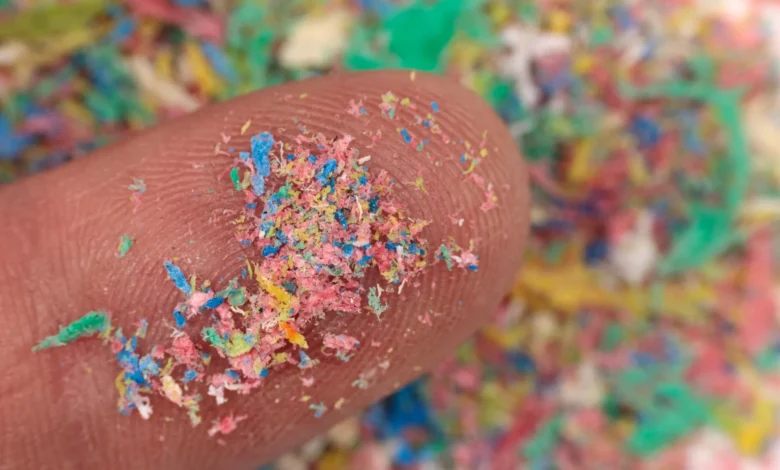
To understand the significance of the discovery made by the World Institute of Kimchi, one must first examine the pervasive nature of nanoplastics in modern ecosystems. Unlike macroplastics, which are discarded bottles, bags, and packaging materials visible to the naked eye, nanoplastics are ultrafine plastic particles measuring less than 1 micrometer—equivalent to one-thousandth of a millimeter. These microscopic fragments are primarily generated through the mechanical degradation, weathering, and thermal fragmentation of larger plastic debris exposed to ultraviolet radiation, wave action, and physical abrasion.
Because these particles are omnipresent, human exposure is virtually unavoidable. Modern studies indicate that nanoplastics enter the human body primarily through dietary consumption, including seafood, table salt, packaged foods, and bottled or municipal drinking water. Furthermore, atmospheric deposition allows microscopic plastic fibers to be inhaled directly into the respiratory system.
Due to their infinitesimally small dimensions, nanoplastics possess physicochemical properties that allow them to bypass standard biological filtration mechanisms. Unlike larger particles that are readily expelled by the digestive tract, nanoplastics can breach the intestinal mucosal barrier. Once translocated across the intestinal lining, these particles enter the circulatory and lymphatic systems, granting them access to major visceral organs. Scientific literature has increasingly documented the presence of plastic particulates in human blood, breast milk, lung tissue, placenta, and deep organs such as the liver, kidneys, and brain.
While the long-term toxicological impact on humans is still being mapped out by toxicologists worldwide, preliminary in vitro and animal models suggest that accumulated nanoplastics can induce oxidative stress, cellular cytotoxicity, inflammatory responses, and endocrine disruption. Despite this looming threat, biological interventions designed to safely capture and eliminate nanoplastics from the gastrointestinal tract have remained largely underdeveloped, until now.
Research Methodology and Chronology of the Discovery
The breakthrough findings are the culmination of rigorous, multi-stage investigations conducted by a specialized research team led by Drs. Se Hee Lee and Tae Woong Whon at the World Institute of Kimchi (WiKim). The research path systematically evolved from initial strain screening to advanced in vitro stress testing and, ultimately, in vivo validation using animal models.
The chronology of the project began with the isolation and screening of diverse microbial strains native to Korean fermented foods, with a primary focus on lactic acid bacteria (LAB) traditionally associated with kimchi fermentation. The team targeted Leuconostoc mesenteroides CBA3656, a robust bacterial strain known for its survivability in acidic environments and its favorable probiotic properties.
In the initial phase of the study, the research team evaluated the adsorption capacity of Leuconostoc mesenteroides CBA3656 against polystyrene nanoplastics (PS-NPs), which serve as the standard benchmark particles in microplastic research laboratories globally. Under standard, controlled laboratory conditions, strain CBA3656 demonstrated an exceptionally high adsorption efficiency of 87 percent. This performance was remarkably comparable to, and slightly exceeded, the reference strain Latilactobacillus sakei CBA3608, which recorded an 85 percent adsorption efficiency under identical baseline conditions.
However, recognizing that laboratory conditions rarely replicate the harsh physiological environments of the human digestive system, the research team advanced their testing protocols to simulate human gastrointestinal conditions. This phase introduced variables such as fluctuating pH levels, bile salts, and digestive enzymes designed to mimic the passage of food through the stomach and small intestine.
Simulated Intestinal Stress Testing: A Defining Contrast
The critical turning point in the study occurred when the bacterial strains were subjected to simulated human intestinal conditions. In this demanding environment, many conventional probiotic strains lose their structural integrity or surface adhesion capabilities.
The contrast between the tested strains under simulated physiological stress was stark. While the reference strain Latilactobacillus sakei CBA3608 experienced a catastrophic collapse in performance—with its nanoplastic adsorption rate plummeting sharply down to just 3 percent—the kimchi-derived strain Leuconostoc mesenteroides CBA3656 displayed extraordinary resilience. Strain CBA3656 maintained a substantially higher adsorption level of 57 percent under the exact same simulated intestinal conditions.
This performance differential provided the WiKim research team with the empirical evidence needed to confirm that the kimchi-derived strain possesses unique surface characteristics or cell-wall structural proteins that allow it to stably bind nanoplastics, even in the presence of digestive fluids, bile, and enzymes. This stability is a mandatory prerequisite for any probiotic intended to capture environmental toxins within the human gut before they can be absorbed into the bloodstream.
In Vivo Validation Through Animal Model Trials
Following the promising results observed in vitro, the research team advanced to in vivo validation utilizing a germ-free mouse model. This controlled animal testing phase was designed to evaluate whether the bacterial binding observed in test tubes would translate into actual physical clearance of nanoplastics from a living organism.
The experiment divided the mouse subjects into controlled cohorts, comparing subjects administered with strain CBA3656 against a control group that received no probiotic supplementation alongside their nanoplastic exposure. The quantitative results were both striking and statistically significant.
Across both male and female mice administered with the Leuconostoc mesenteroides CBA3656 strain, researchers observed more than a twofold increase in the concentration of nanoplastics detected within the feces, compared to the unsupplemented control group. Because the nanoplastics could not spontaneously leave the gastrointestinal tract in such elevated quantities without assistance, the data confirmed that the probiotic bacteria successfully bound to the polystyrene particles in the intestine and escorted them out of the body through natural digestive elimination.
This in vivo evidence effectively transforms theoretical biochemical interactions into a tangible, actionable biological mechanism. It demonstrates that daily ingestion of specific functional probiotics can actively modulate the clearance rate of synthetic micropollutants that enter the human body via the food chain.
Official Statements and Institutional Perspectives
The publication of these findings has drawn considerable attention from the scientific community, public health agencies, and food technology industries. Dr. Sehee Lee, the lead researcher spearheading the project at the World Institute of Kimchi, emphasized the broader societal implications of the team’s work during an official statement following the release of the study data.
"Plastic pollution is increasingly recognized not only as an environmental issue affecting our oceans and landscapes, but also as a critical public health concern that directly impacts human physiology," stated Dr. Lee. "Our findings suggest that microorganisms derived from traditional fermented foods could represent an entirely new, safe, and accessible biological approach to address this emerging global challenge. We will continue to expand the scientific value of kimchi microbial resources to contribute meaningfully to public health and advanced environmental solutions."
The leadership of the World Institute of Kimchi, headed by President Hae Choon Chang, echoed these sentiments, noting that the institution remains dedicated to unlocking the hidden biochemical functionalities of traditional Korean dietary staples. For generations, kimchi has been celebrated for its rich microbial diversity, aiding digestion, boosting immune function, and providing essential vitamins. This new study elevates the cultural food heritage into the realm of cutting-edge biomedicine, positioning traditional fermentation microbiology as a frontline defender against anthropogenic industrial pollution.
Broader Implications for Public Health and the Food Industry
The implications of the WiKim study extend far beyond academic microbiology, touching upon several key sectors including functional foods, clinical gastroenterology, and global environmental health policy.
1. Development of Targeted Probiotic Supplements
The identification of Leuconostoc mesenteroides CBA3656 opens commercial pathways for the development of specialized probiotic formulations. While general probiotics are marketed for gut microbiome balance and immune support, future formulations could specifically target urban populations, heavy seafood consumers, or individuals living in highly industrialized regions who face elevated risks of microplastic ingestion. These targeted supplements could be engineered to maximize pollutant-binding surface area within the gastrointestinal tract.
2. Functional Food Fortification
Food scientists and manufacturers are continuously looking for ways to enhance the functional value of everyday food products. The integration of robust, plastic-binding lactic acid strains into fermented food production lines—ranging from yogurts and kefirs to commercial kimchi products—could offer consumers a passive, dietary defense mechanism against background environmental contamination.
3. Complementary Environmental Remediation
While biological clearance via probiotics addresses internal human accumulation, experts emphasize that it is only one piece of a much larger puzzle. Probiotics do not clean the environment; rather, they serve as a downstream mitigation strategy for individuals who have already ingested pollutants. Consequently, public health advocates stress that this discovery must be paired with aggressive upstream policies aimed at reducing single-use plastics, improving municipal water filtration infrastructure, and developing biodegradable packaging alternatives.
Future Research Directions and Next Steps
Despite the success of the initial in vitro trials and animal model experiments, the research team at the World Institute of Kimchi has outlined a cautious and methodical roadmap for the future. Translating murine model results directly to human clinical applications requires rigorous human trials to ensure safety, optimal dosage, and consistent efficacy across diverse human microbiome profiles.
Future phases of the research initiative will focus on:
- Human Clinical Trials: Conducting controlled human studies to measure nanoplastic excretion rates in human volunteers supplemented with strain CBA3656.
- Broad-Spectrum Adsorption Testing: Expanding the testing parameters beyond polystyrene to include other common industrial polymers, such as polyethylene (PE), polypropylene (PP), and polyvinyl chloride (PVC).
- Mechanism Mapping: Utilizing advanced molecular biology techniques, such as cryogenic electron microscopy and proteomics, to map the precise binding sites and chemical interactions between the bacterial cell-wall components and synthetic plastic polymers.
As the scientific community grapples with the pervasive legacy of the plastic age, the intersection of traditional biotechnology and modern environmental toxicology offers a beacon of hope. By looking backward into the microbial wisdom of ancestral fermentation practices, modern researchers are discovering innovative, biological tools to heal both human bodies and safeguard public health against the invisible hazards of the twenty-first century.