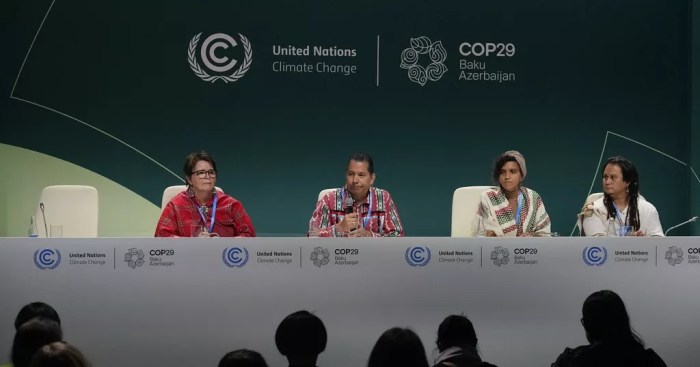
Climate trade policy Baku COP29 promises to be a pivotal moment in global climate action. This summit will delve into the intricate connections between international trade and climate change, examining existing policies, potential future trends, and regional perspectives. We’ll explore how trade measures can incentivize sustainable practices, and analyze the anticipated outcomes of COP29, including potential agreements and disagreements.
The discussions surrounding climate trade policy at COP29 are expected to be complex, touching upon various aspects of international cooperation. From historical overviews of climate trade policies to the anticipated impact of COP29 decisions on global trade, this summit will provide crucial insights into the future of climate action. Stakeholder perspectives, from governments to businesses and NGOs, will be crucial in shaping the outcome.
Background on Climate Trade Policy
Climate change is increasingly intertwined with international trade, prompting the development of specific policies to address the environmental impact of global commerce. This necessitates a historical understanding of how trade and climate change have interacted, the evolution of international agreements, and the role of key organizations like the WTO. This exploration will examine the diverse approaches taken by nations to regulate trade in a way that mitigates climate change’s effects.
Historical Overview of Climate Trade Policies
Global efforts to address climate change through trade policies have evolved significantly. Early international agreements, while not directly focused on trade, laid the groundwork for future discussions. The 1992 United Nations Framework Convention on Climate Change (UNFCCC) marked a crucial step, establishing a framework for international cooperation on climate change. This convention, however, did not explicitly address trade.
Subsequent agreements, such as the Kyoto Protocol and the Paris Agreement, increasingly incorporated trade considerations. The rise of carbon pricing mechanisms, including carbon taxes and emissions trading systems, within national jurisdictions also influenced the development of climate trade policies.
Evolution of International Agreements Related to Climate Change and Trade
The evolution of international agreements has mirrored the increasing urgency to address climate change. The UNFCCC, adopted in 1992, was a foundational document, establishing a framework for international cooperation but lacking direct trade provisions. The Kyoto Protocol, adopted in 1997, introduced the concept of emission reduction targets for developed countries. However, it lacked a comprehensive trade mechanism. The Paris Agreement, adopted in 2015, represents a significant step forward by emphasizing the need for global cooperation and recognizing the role of finance and technology transfer in addressing climate change.
The Paris Agreement, though not directly regulating trade, recognizes the importance of addressing the environmental impacts of trade and the potential for trade measures to support climate action.
Connection Between Climate Change and International Trade
Climate change significantly impacts international trade through various channels. Rising sea levels, extreme weather events, and resource scarcity affect supply chains, increasing costs and disruptions. Increased demand for climate-friendly goods and services also shapes international trade patterns. Furthermore, trade in fossil fuels remains a significant contributor to greenhouse gas emissions. This connection highlights the need for policies that integrate climate considerations into trade agreements.
Examples of Existing Climate Trade Policies in Different Countries
Various countries have implemented policies to address the climate impact of trade. Some examples include carbon border adjustments, which place a tax on imports from countries with less stringent climate policies. Others focus on promoting sustainable practices in supply chains, mandating environmental standards for imported goods. These policies aim to incentivize climate-friendly production and consumption patterns globally.
Role of the World Trade Organization (WTO) in Climate Trade Policy
The WTO plays a crucial role in the global trading system, and its influence extends to climate trade policies. The WTO’s rules and principles, while not explicitly addressing climate change, can impact the implementation and effectiveness of climate trade measures. The WTO’s dispute settlement mechanism can be invoked in cases where climate policies are perceived to violate existing trade agreements.
The climate trade policy discussions at COP29 in Baku were intense, focusing on innovative solutions for global warming. While the talks were underway, breakthroughs in medical science, like a potential blood test for Alzheimer’s disease, are fascinating. This new diagnostic tool, specifically for measuring tau levels, could revolutionize early detection and treatment of the disease, alzheimers disease blood test tau , ultimately impacting the broader healthcare landscape and, in turn, the broader societal discussion around climate policy in the long run.
These parallel developments highlight the interconnectedness of global challenges and the need for interdisciplinary solutions for the future of climate trade policy.
The WTO’s approach to trade and climate change remains a subject of ongoing debate and negotiation.
Comparison of Different Approaches to Climate Trade Policy
| Approach | Description | Advantages | Disadvantages |
|---|---|---|---|
| Carbon Border Adjustment | Taxes or tariffs on imports from countries with less stringent climate policies. | Incentivizes emission reductions in exporting countries. | Potential for trade disputes and retaliation from affected countries. |
| Sustainable Trade Policies | Promote sustainable production and consumption patterns through trade standards and labeling. | Encourages sustainable practices in supply chains. | Implementation and enforcement can be complex and vary across countries. |
| Trade Agreements with Climate Provisions | Integrate climate goals into trade agreements to support climate action. | Promotes cooperation on climate change. | Potential for trade-offs between climate and economic goals. |
COP29 Baku Focus
The COP29 climate summit in Baku promises to be a crucial juncture for global climate action, particularly in shaping future trade policies. The summit will likely focus heavily on the intersection of climate change and international trade, exploring how trade can be a tool to accelerate decarbonization and mitigate the impacts of climate change. The outcome will significantly influence the future direction of global environmental policy.The anticipated discussions at COP29 will delve into how international trade can be leveraged to support climate goals.
This includes exploring innovative mechanisms to incentivize sustainable practices across supply chains, and potentially creating new regulations or standards for climate-friendly products and services. Success at COP29 hinges on achieving consensus among diverse stakeholders, navigating the complexities of global trade relationships, and fostering collaborative solutions.
Expected Outcomes of COP29 Regarding Climate Trade Policy, Climate trade policy baku cop29
COP29 is expected to produce several outcomes related to climate trade policy. These outcomes may include the establishment of new international standards for carbon-neutral products, the development of mechanisms to support developing nations in their transition to cleaner energy sources, and the creation of a framework for the implementation of carbon border adjustments. Furthermore, COP29 could potentially lead to the strengthening of existing trade agreements to incorporate climate considerations.
Potential Challenges and Opportunities for Climate Trade Policy at COP29
A key challenge at COP29 will be the differing perspectives on climate trade policies among developed and developing nations. Developed countries may advocate for stricter regulations and carbon border adjustments, while developing nations may prioritize economic growth and argue for exemptions or support mechanisms. Opportunities exist to bridge these divides through tailored solutions that recognize the specific needs of different countries.
Another potential challenge is the lack of a unified global approach to climate trade. Success depends on fostering collaboration and consensus amongst nations. Opportunities exist to promote the use of trade as a tool to drive climate action.
Key Issues and Discussions Anticipated at COP29 Related to Climate Trade
The anticipated discussions at COP29 will likely center around several key issues. These issues include the design and implementation of carbon border adjustments, the development of sustainable trade practices, and the promotion of climate-friendly technologies. Discussions will also encompass the role of trade in supporting developing countries’ climate goals, potentially leading to the creation of specific trade agreements focused on sustainability.
Another key issue will be the integration of climate considerations into existing trade agreements.
Potential Impacts of COP29 Decisions on Trade Policies
Decisions made at COP29 regarding climate trade policies could have significant impacts on global trade patterns. These impacts may include the emergence of new trade barriers or incentives based on climate performance, the rise in demand for climate-friendly products, and the potential for shifts in global supply chains. For example, countries that prioritize sustainable practices may gain a competitive advantage in international markets.
Potential Areas of Agreement and Disagreement at COP29 Concerning Climate Trade
| Potential Area | Potential Agreement | Potential Disagreement |
|---|---|---|
| Carbon Border Adjustments | Agreement on the need for a common framework, though the specific design may vary | Disagreement on the scope and level of carbon border adjustments, especially regarding exemptions for developing countries. |
| Sustainable Trade Practices | Agreement on the importance of promoting sustainable trade practices, including standards and certifications | Disagreement on the specific standards and certifications, as well as enforcement mechanisms |
| Support for Developing Countries | Agreement on providing financial and technical support to developing countries to transition to cleaner energy | Disagreement on the level and nature of support, and potential trade-offs between economic growth and environmental sustainability. |
| Integration of Climate Considerations into Existing Trade Agreements | Agreement on integrating climate considerations into existing trade agreements | Disagreement on the specific provisions and their impact on existing trade rules. |
Trade Measures and Climate Action: Climate Trade Policy Baku Cop29

Trade policies play a crucial role in incentivizing climate action, influencing production patterns, and driving innovation in sustainable practices. This crucial intersection of economics and environmentalism necessitates a nuanced understanding of the potential benefits and drawbacks of various trade instruments. From carbon border adjustments to other trade measures, the implications for global economies and the environment are significant.The effectiveness of trade measures in promoting climate action depends heavily on their design, implementation, and international cooperation.
Successfully navigating the complexities of global trade while achieving environmental goals requires a thorough understanding of the incentives and disincentives inherent in different approaches. This exploration will delve into the details of these instruments, their economic effects, and practical examples of their application.
Carbon Border Adjustments
Carbon border adjustments (CBAs) are trade measures designed to level the playing field for domestic businesses competing with foreign producers with lower carbon emissions. CBAs typically impose tariffs or taxes on imports of goods with high carbon footprints, effectively pricing in the environmental costs of production.This approach aims to encourage producers in importing countries to reduce their emissions to remain competitive.
However, the practical implementation of CBAs can be complex. The design of CBAs must consider factors such as the accuracy of emissions calculation, potential for trade disputes, and the impact on vulnerable economies.
Other Trade Instruments for Climate Policy
A range of other trade instruments can support climate action, including trade agreements with specific environmental provisions, preferential trade arrangements for sustainable products, and labeling schemes to promote consumer choices. These measures can incentivize producers to adopt cleaner technologies and practices, encouraging a shift towards a more sustainable global economy.These instruments, while offering potential benefits, also present challenges. Implementing them effectively necessitates careful consideration of the potential for market distortions, unintended consequences, and the need for robust monitoring and enforcement mechanisms.
Economic Implications of Climate-Related Trade Measures
The economic implications of implementing climate-related trade measures are multifaceted and far-reaching. Potential benefits include a reduction in global emissions, fostering innovation in low-carbon technologies, and promoting sustainable production practices. However, concerns exist regarding potential trade disruptions, retaliatory measures from other countries, and the possibility of negative impacts on developing economies.For example, if a country imposes CBAs on steel imports from countries with less stringent environmental regulations, it could lead to increased prices for steel in the importing country and potentially disrupt global supply chains.
The climate trade policy discussions at COP29 in Baku are fascinating, but I’m also intrigued by advancements in AI. Google’s Gemini, a powerful new language model, is rapidly changing how we interact with technology, as detailed in this helpful definition of google gemini. Perhaps these innovative technologies can play a crucial role in finding solutions to the complex climate challenges discussed at the conference.
It’s a fascinating intersection, and the future of both climate policy and AI is undoubtedly bright.
Conversely, incentivizing sustainable products through preferential trade agreements could create opportunities for new markets and jobs in the green economy.
Examples of Countries Using Trade Policies to Promote Sustainable Practices
Several countries have experimented with trade policies to encourage sustainable practices. For instance, some countries offer preferential trade agreements for imports of renewable energy products or sustainably harvested timber. Others have implemented labeling schemes to inform consumers about the environmental impact of products.These examples demonstrate the potential of trade policies to drive change, but the success of these initiatives often depends on their design, international cooperation, and broader policy support.
Advantages and Disadvantages of Different Trade Measures
| Trade Measure | Advantages | Disadvantages |
|---|---|---|
| Carbon Border Adjustments | Potentially reduces emissions, incentivizes innovation | Risk of trade disputes, potential negative impact on developing countries, complex implementation |
| Trade Agreements with Environmental Provisions | Promotes cooperation, sets standards | Requires consensus, may not be sufficient to address all environmental concerns |
| Preferential Trade Arrangements for Sustainable Products | Incentivizes sustainable production, supports developing countries | Potential for market distortions, may not reach all sectors |
| Product Labeling Schemes | Informs consumers, drives demand for sustainable products | Requires effective enforcement, potential for manipulation |
Regional Perspectives on Climate Trade Policy
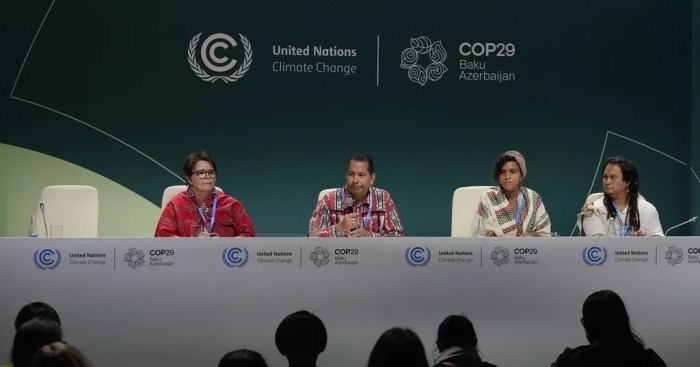
The global imperative to mitigate climate change is increasingly intertwined with international trade. Different regions grapple with unique challenges and opportunities in developing climate-conscious trade policies. Understanding these regional variations is crucial for fostering effective and equitable global action. This analysis explores the diverse approaches to climate trade policy across various regions, highlighting their strengths and weaknesses.The varying levels of commitment to climate action through trade policies across different regions stem from a multitude of factors, including economic structures, political priorities, and historical contexts.
Some regions, driven by a strong environmental conscience and advanced technological capabilities, are pioneering innovative trade measures. Others, facing pressing development needs and differing perspectives on the urgency of climate change, may prioritize economic growth over immediate climate action. This disparity requires nuanced strategies for fostering global cooperation and shared responsibility.
Comparing Climate Trade Policies Across Regions
Different regions exhibit varying approaches to climate trade policy, reflecting their unique economic and political landscapes. Asia, for instance, often prioritizes economic growth and industrial development, which can influence its stance on climate-related trade measures. Europe, with its strong environmental regulations and commitment to sustainability, tends to employ stricter trade policies that incentivize environmentally friendly practices. The United States, with its complex political dynamics, has historically adopted a more mixed approach.
The climate trade policy discussions at COP29 in Baku are proving surprisingly complex. Meanwhile, the recent resignations of NYC deputy mayors over federal involvement in the Adams case highlight the often-difficult interplay between local and national governance. This situation, similar to the nuanced negotiations in Baku, emphasizes the need for strong leadership and clear communication in achieving effective climate change solutions.
nyc deputy mayors resign federal involvement adams case. Ultimately, the success of climate trade policies hinges on collaboration and careful consideration of all stakeholders, just like the political maneuvering in the city.
Challenges and Opportunities in Specific Regions
Asia faces a unique set of challenges and opportunities in implementing climate trade policies. Rapid industrialization and reliance on fossil fuels present significant obstacles. However, the region also holds immense potential for transitioning to renewable energy sources and developing sustainable trade practices. Europe, with its established environmental regulations and robust infrastructure, can leverage its expertise to support sustainable trade initiatives globally.
Regional Initiatives for Sustainable Trade Practices
Numerous regional initiatives are emerging to promote sustainable trade practices. For instance, the EU’s carbon border adjustment mechanism (CBAM) aims to level the playing field for domestic and international businesses, encouraging emission reductions across the supply chain. Other regions are exploring similar measures tailored to their specific contexts.
Varying Levels of Commitment to Climate Action Through Trade Policies
A significant disparity exists in the levels of commitment to climate action through trade policies across different regions. Some regions are proactively developing and implementing ambitious climate-focused trade measures, while others are lagging behind, prioritizing economic growth over environmental concerns. This variation underscores the need for global cooperation and knowledge sharing to accelerate progress towards a sustainable future.
Table Illustrating Differing Approaches to Climate Trade Policy Across Regions
| Region | Key Approach | Challenges | Opportunities |
|---|---|---|---|
| Asia | Prioritizing economic growth alongside environmental concerns. | Balancing industrial development with emission reduction targets. | Developing and implementing renewable energy technologies and sustainable practices. |
| Europe | Implementing stringent environmental regulations and trade policies. | Ensuring fair competition and avoiding trade conflicts. | Leading in the development and implementation of sustainable trade measures. |
| United States | A complex mix of policies, influenced by political considerations. | Inconsistency and potential trade disputes. | Potential for developing innovative and effective climate trade policies. |
Stakeholder Analysis
The COP29 climate summit in Baku presents a crucial opportunity to forge consensus on climate trade policies. Success hinges on understanding and engaging with the diverse stakeholders involved, from national governments and international organizations to businesses and non-governmental organizations (NGOs). Analyzing their perspectives and interests is paramount to achieving effective and sustainable outcomes.The complex interplay of these actors shapes the trajectory of climate trade policy.
Understanding their influence on the summit’s decisions is vital for evaluating the potential impact of any proposed agreements. This section delves into the key stakeholders and their roles in the climate trade policy discussions at COP29.
Key Stakeholders at COP29
The climate trade policy discussions at COP29 involve a wide range of stakeholders, each with unique interests and perspectives. Understanding these diverse viewpoints is critical for navigating the complex negotiations and achieving meaningful outcomes.
- Governments: National governments play a central role in shaping climate trade policy. Their priorities often include balancing domestic economic interests with global environmental goals. Developing countries may prioritize access to international markets and financial support, while developed countries might emphasize the need for stringent emissions reductions. For example, the EU’s focus on carbon border adjustments reflects its commitment to reducing its domestic carbon emissions and incentivizing other nations to follow suit.
- Businesses: Businesses are significant players in climate trade policy discussions. Their interests often revolve around minimizing disruptions to supply chains and maintaining profitability. Some businesses may actively support climate action, while others may oppose measures perceived as economically burdensome. Companies operating in carbon-intensive sectors, such as energy or manufacturing, may face particular challenges.
- NGOs: Non-governmental organizations (NGOs) often advocate for environmental protection and social justice. Their influence often stems from their expertise, public awareness campaigns, and lobbying efforts. NGOs may push for stricter regulations and greater accountability in climate trade policies.
- International Organizations: Organizations like the WTO and the UN play a crucial role in facilitating discussions and providing a platform for international cooperation on climate trade. Their influence stems from their expertise, global reach, and role in setting international standards.
Stakeholder Perspectives and Interests
Understanding the specific interests of various stakeholders is critical for anticipating potential conflicts and fostering consensus.
- Governments: Governments are motivated by a combination of domestic economic priorities and international commitments. They aim to balance the need for economic growth with environmental sustainability. This balance can be difficult to achieve, particularly in developing nations where economic development is often a top priority.
- Businesses: Businesses are often concerned about the potential economic impacts of climate trade policies. They seek to minimize disruptions to their operations and maintain profitability. Some businesses may actively support climate action, while others may oppose measures that they perceive as economically burdensome.
- NGOs: NGOs often advocate for stronger climate action, emphasizing environmental protection and social justice. Their concerns may extend beyond economic impacts to include issues such as worker rights and the protection of vulnerable communities.
Influence of Stakeholders on COP29 Outcomes
The influence of various stakeholders on COP29 outcomes will depend on several factors, including their negotiating power, public support, and the specific policies under discussion.
| Stakeholder | Perspective | Potential Influence |
|---|---|---|
| Governments | Balancing economic growth with environmental protection | Crucial in setting the agenda and reaching agreements. |
| Businesses | Minimizing disruptions to supply chains and maintaining profitability | May influence policy through lobbying and advocacy efforts. |
| NGOs | Promoting environmental protection and social justice | Can influence public opinion and pressure governments to adopt stronger policies. |
| International Organizations | Facilitating cooperation and setting international standards | Can provide a neutral platform for negotiations and offer technical expertise. |
Role of Businesses in Shaping Climate Trade Policy
Businesses play a crucial role in shaping climate trade policy through their lobbying efforts, investments in sustainable technologies, and engagement in international forums. Their influence stems from their economic power and their ability to drive innovation in sustainable practices. For example, companies like Unilever and Patagonia have demonstrated leadership in promoting sustainable business practices. These initiatives can create momentum for more comprehensive climate action.
Future of Climate Trade Policy
The evolving global landscape demands a proactive approach to climate trade policy. Countries are increasingly recognizing the interconnectedness of climate action and international trade, prompting a shift from traditional trade barriers to mechanisms that incentivize sustainable practices and promote a global transition to a low-carbon economy. This evolution is critical for ensuring both environmental protection and economic prosperity.
Potential Future Trends
Future climate trade policies are likely to see a blend of approaches. Carbon border adjustments, tariffs on high-carbon imports, and subsidies for green technologies are expected to become more prevalent. The aim is to level the playing field for businesses operating in different jurisdictions, encouraging a global shift towards environmentally friendly production and consumption. A key element will be the development of robust carbon accounting standards to ensure transparency and avoid loopholes.
Long-Term Implications for Global Trade
The adoption of climate trade policies will reshape global trade patterns. Countries with strong environmental regulations may see increased exports of sustainable goods, while those with lax regulations might face challenges in competing in international markets. This could lead to regional trade blocs based on shared environmental commitments, or potentially increased friction and trade disputes over differing standards.
The development of a global framework for carbon pricing will be crucial in managing these implications.
Innovations in Climate Trade Policy
Future innovations in climate trade policy could involve the use of market-based instruments beyond tariffs, such as carbon offsets and emissions trading schemes. This could create more nuanced approaches to incentivizing environmental action, potentially rewarding companies and countries for exceeding their emission reduction targets. Furthermore, greater emphasis on transparency and public disclosure of environmental data by companies will be essential.
These mechanisms will likely become increasingly complex and integrated, with a greater emphasis on data-driven decision-making.
Relationship with Sustainable Development
Climate trade policies are intrinsically linked to sustainable development goals. By fostering a global transition to cleaner energy sources and sustainable production methods, these policies can create new economic opportunities and jobs, while mitigating the impacts of climate change. This relationship is crucial for ensuring that economic growth is environmentally sustainable, and for promoting social equity and well-being.
Policies must consider the potential social impacts and ensure a just transition for workers and communities affected by the shift.
Potential Future Scenarios
| Scenario | Description | Key Implications |
|---|---|---|
| Global Carbon Pricing Agreement | A comprehensive agreement on carbon pricing mechanisms, such as a global carbon tax or emissions trading system. | Increased global cooperation, reduction in emissions, potential for carbon leakage, but also for innovation in green technologies. |
| Regional Climate Trade Agreements | Agreements between groups of countries on specific climate trade policies, like carbon border adjustments. | Potential for deeper integration within regions, but risk of trade disputes with countries outside the agreements. |
| Climate-Conscious Trade Blocs | Countries forming trade blocs based on shared commitments to climate action, including sustainable sourcing and production standards. | Stronger incentives for sustainable practices, but risk of exclusionary practices for non-member countries. |
| Disjointed Climate Trade Policies | Countries pursuing independent, often conflicting, climate trade policies. | Increased trade friction, lack of harmonization, potential for ineffective climate action, and disruption of global trade. |
Ending Remarks
In conclusion, climate trade policy Baku COP29 presents a significant opportunity to accelerate global climate action through strategic trade measures. The summit promises a robust exchange of ideas and perspectives on incentivizing sustainable practices and shaping a more environmentally conscious future. The potential outcomes of COP29 will have far-reaching implications for international trade and the global effort to combat climate change.