Neolithic Scotland Revealed: DNA Study Uncovers Patrilineal Burial Practices in Ancient Tombs

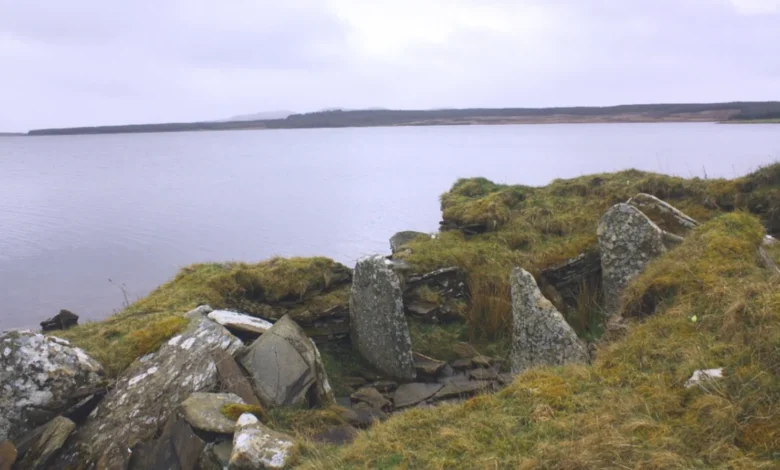
A groundbreaking DNA study of human remains from Neolithic Scotland has unveiled intricate details about the kinship structures and burial practices of people who lived over 5,000 years ago. The research, published in the journal Antiquity, reveals that during this pivotal period of transition from foraging to farming, related males were consistently buried together in the same tombs, forming what researchers describe as "webs of descent," while females appear to have been integrated differently into these social networks. The findings provide compelling evidence for a patrilineal society, where lineage and inheritance were traced through the male line.
The study, led by archaeologists Vicki Cummings of Cardiff University and Chris Fowler of Newcastle University, analyzed the ancient DNA of 22 individuals exhumed from five distinct tombs located in the northern Scottish county of Caithness and the Orkney Islands. These burial sites date back to a period between 3800 and 3200 BCE, a time when communities across Britain were adopting new agricultural technologies and social structures, marking the beginning of the Neolithic era. This era saw the construction of monumental stone structures, many of which served as communal burial grounds, and understanding the social dynamics within these communities has long been a focus of archaeological inquiry.
Unraveling Ancient Kinship: The Power of DNA
The advent of ancient DNA analysis has revolutionized our ability to reconstruct the lives and relationships of ancient peoples. As study co-author Chris Fowler explained, "Using ancient DNA analysis, researchers have now been able to raise and answer questions about kinship in this period. For example ‘how often were tombs used to contain the remains of close genetic relatives? How often were individuals selected for inclusion because they were related along the male line?’" This research directly addresses these fundamental questions, offering unprecedented insights into the social organization of these early farming communities.
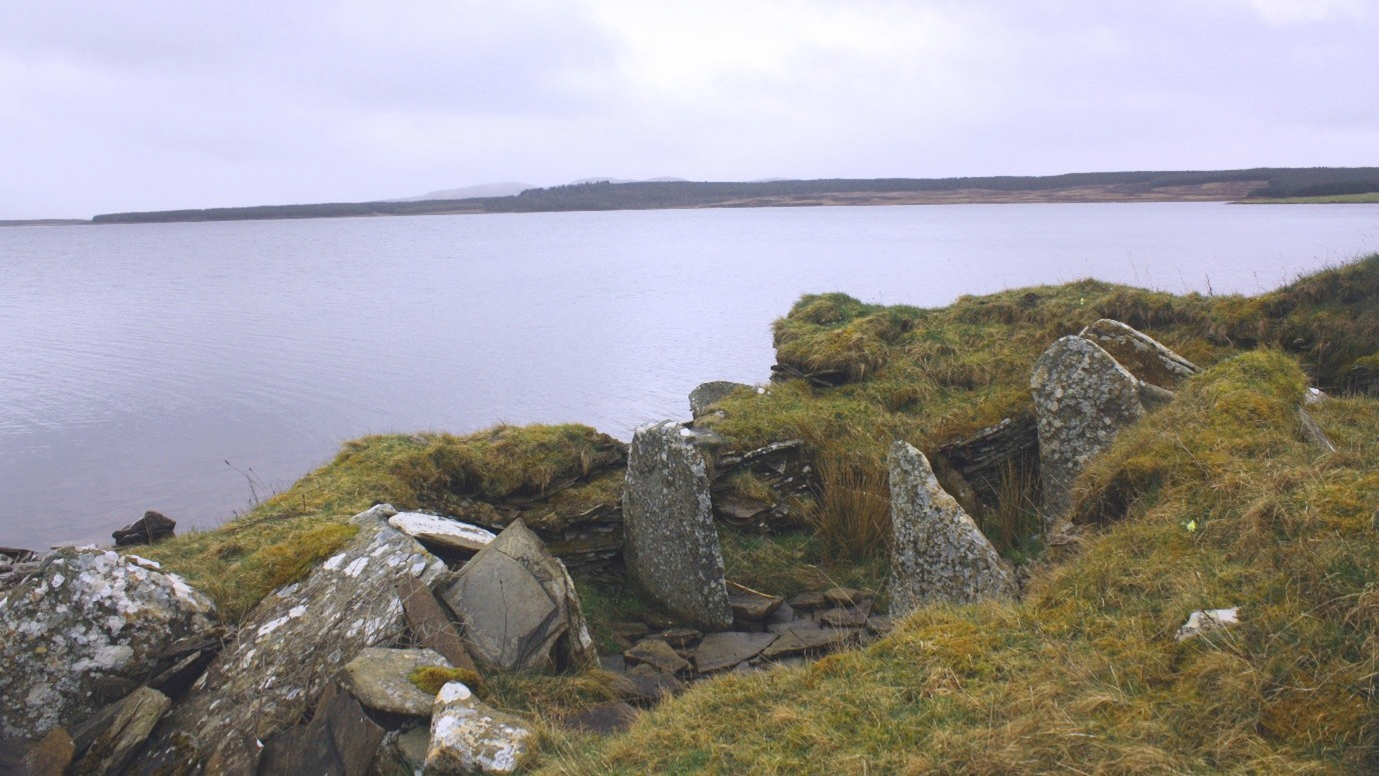
The genetic analysis yielded striking patterns. Within the studied tombs, researchers consistently identified individuals who were closely related along the paternal line. This included several father-son pairings, as well as brothers. In two neighboring tombs, the DNA revealed half-brothers or paternal uncle-nephew relationships. Perhaps the most remarkable discovery was made in a tomb located at Loch Calder in northeast Scotland, which contained the remains of a father, his son, and his grandson – the first such direct three-generation paternal lineage to be identified in Neolithic Scotland.
"It is incredible to think that, over 5,000 years after these people were deposited in these tombs, we were able to reconstruct how they were related to each other through the analysis of ancient DNA," stated lead author Vicki Cummings. "This study shows that the people building these monuments placed a particular emphasis on the male line." This emphasis on male lineage is a key characteristic of patrilineal societies, where social status, property, and titles are passed down from father to son. The consistent clustering of related males in these tombs suggests a deliberate practice of maintaining and commemorating these paternal connections within the community’s most significant communal spaces.
The Role of Women: A Different Pattern of Integration
In stark contrast to the male burials, the female skeletons analyzed in the study did not exhibit similar close genetic connections within the tombs. There were no instances of mother-daughter or sister pairs being interred together. The closest genetic relationship identified between any two women was at a more distant level, equivalent to first cousins once removed. This absence of close female kin grouping within these specific tombs suggests a different mode of social integration for women.
However, the study did uncover a crucial piece of information that hints at the broader role of women in maintaining these wider social networks. Two females who were buried in tombs on an Orkney island showed genetic links to males buried in tombs on the Scottish mainland. This finding led the researchers to propose that women may have played a vital role in forging and sustaining connections across geographical distances, potentially through marriage alliances and the establishment of these "webs of descent" that extended beyond immediate familial clusters.
The implication is that while the core of these communal burial practices centered on the male line, women acted as crucial conduits, connecting different family groups and communities. This suggests a complex social system where patrilineal descent was paramount for internal lineage cohesion, but exogamy (marriage outside one’s kin group) and the resulting inter-community ties, facilitated by women, were essential for the broader social and political landscape.
A Timeline of Neolithic Transition in Northern Scotland
The period between 3800 and 3200 BCE in northern Scotland was a time of profound transformation. This era, often referred to as the Early Neolithic, saw the gradual adoption of agriculture, the development of settled communities, and the construction of monumental architecture.
- c. 4000 BCE: Arrival of farming and the earliest evidence of Neolithic culture in Britain.
- c. 3800 – 3200 BCE: The period of the tombs studied in Caithness and Orkney. This era is characterized by the construction of chambered cairns and other megalithic structures, often used for collective burial. Communities were transitioning from a hunter-gatherer lifestyle to one based on farming, with the introduction of domesticated plants and animals.
- c. 3200 BCE onwards: Continued development of Neolithic societies, with increasing complexity in social organization, technology, and ritual practices.
The construction of these tombs was not merely a functional act of burial; it was a deeply symbolic practice reflecting societal values and beliefs. The selection of individuals for inclusion, the architectural design of the tombs, and the way in which the dead were arranged all offer clues about how these ancient societies perceived kinship, ancestry, and their place in the world. The DNA evidence now adds a critical layer of biological confirmation to these interpretations.
Broader Implications and Archaeological Context
The findings of this study align with and strengthen long-held archaeological interpretations of Neolithic social structures in Britain. For decades, archaeologists have inferred patrilineal organization in some Neolithic communities based on the distribution of artifacts, settlement patterns, and the recurrent presence of specific types of monuments. However, the genetic evidence provides direct, irrefutable confirmation of these hypotheses.
The introduction of the Neolithic way of life to Britain, originating from continental Europe, brought with it not only new technologies for food production but also new social and ideological frameworks. As Cummings noted, "For the people introducing the Neolithic into Britain, this social connection may have been as important as pots, cows and axes." This suggests that the establishment of stable kinship networks, particularly those that ensured the continuation of lineage and the transmission of social capital, was a fundamental aspect of successfully establishing and maintaining Neolithic societies.
The research also highlights the importance of considering gender in archaeological interpretations. While previous assumptions about patrilineal descent were largely based on male-centric evidence, this study meticulously examined the role of females, revealing a more nuanced picture of how kinship and social bonds were maintained across different genders and generations. The "webs of descent" were likely woven through a combination of male lineage cohesion and female-mediated inter-group connections.
Future Directions and Unanswered Questions
While this study offers a significant leap forward in our understanding, it also opens up new avenues for research. Future studies could expand the geographical scope to include more regions of Neolithic Britain and Ireland, and increase the number of individuals analyzed to build a more comprehensive picture of kinship patterns across different cultures and time periods. Investigating the genetic makeup of individuals buried in non-tomb contexts, such as settlements, could also shed light on the social status and roles of those not interred in these monumental structures.
Furthermore, understanding the precise nature of the "webs of descent" that women helped maintain would benefit from more detailed comparative analyses of skeletal remains and artifact distribution across different sites. The interaction between these patrilineal cores and the wider social networks they were embedded within remains a fertile ground for continued investigation.
In conclusion, the DNA analysis of Neolithic Scottish burials provides a powerful testament to the enduring legacy of our ancient ancestors. It reveals a society where the bonds of male kinship were carefully preserved and celebrated in stone monuments, while women played a crucial, though perhaps less overtly visible, role in weaving the fabric of broader community and inter-group relations. This research not only illuminates the social structures of the past but also underscores the remarkable advancements in scientific technology that allow us to directly connect with and understand the lives of people who lived millennia ago.
Related posts: