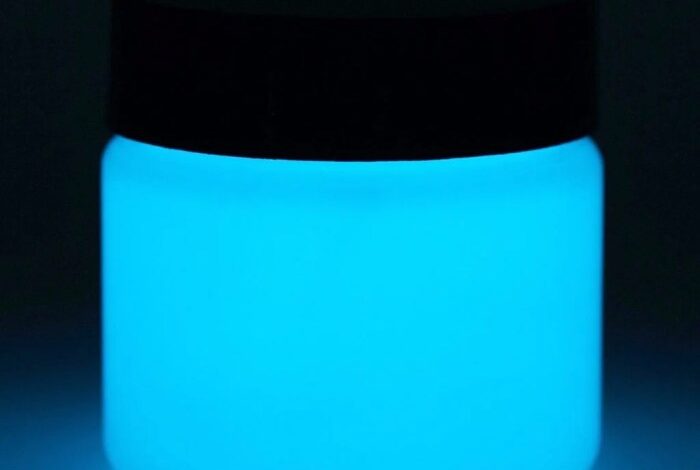
You glow in the dark. From the bioluminescent deep sea creatures to the phosphorescent paint on your favorite toys, the phenomenon of glowing is captivating. This exploration delves into the science, applications, and cultural significance of this fascinating subject. We’ll uncover the principles behind different types of glow, examine their diverse uses in everyday life and beyond, and even explore their representation in art and mythology.
Get ready to be amazed by the beauty and utility of things that glow in the dark!
The journey begins by exploring the scientific principles behind various glowing materials. We’ll categorize them by their mechanisms – from the fascinating chemical reactions of phosphorescent paints to the elegant biological processes of bioluminescence. We’ll also compare and contrast their lifespans and the underlying chemical compositions. This will set the stage for a comprehensive understanding of the materials themselves.
Exploring the Phenomenon: You Glow In The Dark
The world around us is filled with captivating displays of light, some of which persist even in the absence of direct illumination. This fascinating phenomenon, the ability of certain materials to glow in the dark, stems from various scientific mechanisms and has captivated human curiosity for centuries. From fireflies illuminating the night to glow-in-the-dark toys, the captivating nature of luminescence continues to inspire scientific exploration and technological innovation.The science behind glowing materials is quite diverse, encompassing a range of physical processes.
Understanding these mechanisms is key to appreciating the variety of glowing phenomena. From the intricate biological processes of bioluminescence to the subtle interactions of electrons in phosphorescent materials, the underlying science is fascinating and varied.
Examples of Glowing Materials
Various substances exhibit the ability to glow in the dark, each with its own unique mechanism. Here are some examples categorized by the underlying process.
- Bioluminescence: This remarkable process involves living organisms producing light through chemical reactions. Fireflies are a classic example, using a reaction between luciferin and luciferase to generate light. Other examples include certain deep-sea fish, bacteria, and fungi. Bioluminescence is often used for communication, attracting mates, or deterring predators.
- Phosphorescent Materials: These materials absorb light energy and then slowly release it as light over a period of time. Common examples include glow-in-the-dark paint, stickers, and toys. The time it takes for the glow to fade depends on the specific material’s composition.
- Fluorescence: Unlike phosphorescence, fluorescent materials emit light immediately upon absorbing light energy. A common example is the fluorescent light tubes that are frequently used in offices and homes. The light emitted has a different wavelength than the absorbed light.
Scientific Principles Behind Different Types of Dark Glow
The scientific principles behind various glowing materials are rooted in the behavior of atoms and molecules.
- Bioluminescence: In bioluminescence, specific enzymes, such as luciferase, catalyze a chemical reaction between a substrate (luciferin) and oxygen. This reaction produces excited molecules that release light as they return to their ground state. The efficiency and intensity of the light emission depend on the concentration of reactants and the specific enzyme involved. The energy needed for this reaction comes from the organism’s metabolic processes.
- Phosphorescence: Phosphorescence involves the absorption of light, exciting electrons to a higher energy level. Unlike fluorescence, these excited electrons do not immediately return to their ground state. Instead, they transition through a series of intermediate energy levels, eventually releasing the absorbed energy as light over a period of time. This process is influenced by the material’s molecular structure and the specific energy levels of its atoms.
- Fluorescence: Fluorescence occurs when a material absorbs light of a specific wavelength. The absorbed energy excites electrons to a higher energy level. These electrons quickly return to their ground state, releasing energy as light of a longer wavelength (lower energy). The fluorescent material is essentially emitting light of a different color than the light it absorbed.
This phenomenon is widely used in various applications, from lighting to medical imaging.
Lifespan of Glow in Different Materials
The duration of glow varies significantly depending on the material.
- Phosphorescent materials: The decay time, or the length of time the glow persists, varies significantly depending on the specific phosphor used. Some phosphorescent materials exhibit a short decay time, while others maintain their glow for several hours. This is due to the different energy levels and transitions involved in the phosphorescence process.
- Bioluminescent organisms: The duration of light emission in bioluminescent organisms can vary based on several factors, including the organism’s metabolism, the specific luciferin-luciferase pair used, and environmental conditions. Some species can maintain a continuous glow, while others emit light in pulses.
Fluorescence vs. Phosphorescence
Fluorescence and phosphorescence are distinct processes, although both involve the absorption and emission of light.
- Fluorescence: Fluorescence is characterized by an immediate emission of light after light absorption. The emitted light has a shorter wavelength than the absorbed light, leading to a color change. The glow ceases as soon as the excitation light source is removed.
- Phosphorescence: Phosphorescence, in contrast, involves a delayed emission of light. The excited electrons remain in an excited state for a period before returning to the ground state, resulting in a persistent glow even after the excitation source is removed.
Historical and Cultural Significance
Glowing objects have held significant cultural and historical importance across various societies.
You glow in the dark, don’t you? It’s like a hidden brilliance, a secret spark. Understanding the past, like the department of education’s history, is essential to understanding where we’ve come from and what we’re striving towards. Department of education’s history is essential to understanding the roots of our educational systems, and ultimately, that inner glow we all possess.
That inner spark continues to shine, just like you glow in the dark.
- Ancient civilizations: From fireflies illuminating the night to minerals exhibiting natural phosphorescence, glowing objects have been a source of wonder and fascination throughout history. These natural phenomena were often associated with spiritual beliefs and supernatural powers.
- Modern applications: In modern times, glowing materials have found widespread use in various applications, from safety equipment to entertainment items. The development of new phosphors and the understanding of luminescence mechanisms have led to significant advancements in various fields.
Categorization of Glowing Materials
| Material Type | Mechanism | Examples | Lifespan of Glow |
|---|---|---|---|
| Bioluminescent Organisms | Chemical reaction (luciferin-luciferase) | Fireflies, deep-sea fish | Variable, depending on species and conditions |
| Phosphorescent Materials | Delayed emission of light after excitation | Glow-in-the-dark paints, stickers | Variable, from seconds to hours |
| Fluorescent Materials | Immediate emission of light upon excitation | Fluorescent light tubes, certain minerals | Instantaneous, ceases when excitation stops |
Applications and Uses
Glow-in-the-dark materials, once relegated to novelty items, are increasingly finding practical applications across diverse fields. Their ability to store and release light energy makes them valuable tools for safety, entertainment, and even scientific research. This versatility stems from the unique properties of these materials, which allow them to absorb energy from external sources and later emit it as visible light.The practical applications of phosphorescent and fluorescent materials are expanding rapidly, driven by advancements in material science and an increased awareness of their potential.
These applications span from simple toys to complex medical imaging techniques, highlighting the diverse range of possibilities these materials offer.
Common Everyday Applications
Glow-in-the-dark materials are ubiquitous in everyday life. Their most common use is in safety applications, like emergency exits, safety vests, and road markings. This is due to their ability to maintain visibility in low-light conditions, enhancing safety and ensuring clear guidance in emergencies. Other common uses include watches, toys, and decorative items, catering to a broad consumer market.
The bright, luminescent quality is particularly appealing for children’s toys, adding an element of fun and wonder.
Innovative Uses in Various Fields
Beyond the familiar, glowing materials are being explored for more innovative uses in diverse fields. In art, artists are using phosphorescent pigments to create unique and captivating displays, offering dynamic and mesmerizing visuals. These glowing artworks can be used in various environments, from galleries to public spaces. In medicine, these materials are used in bioimaging techniques, allowing researchers to track cells and molecules within living organisms.
This provides crucial insights into biological processes, facilitating the development of new therapies and diagnostic tools. Environmental monitoring is another area where these materials are proving useful, as they can be incorporated into sensors for detecting pollutants or changes in atmospheric conditions. These sensors are designed to alert individuals or systems to potential problems, allowing for proactive responses.
Table of Glowing Materials and Applications
| Glowing Material | Potential Applications | Industries |
|---|---|---|
| Zinc Sulfide | Emergency lighting, safety signs, toys | Construction, consumer goods, safety |
| Calcium Aluminate | High-performance paints, coatings | Construction, industrial coatings |
| Lanthanide-doped materials | Medical imaging, advanced lighting, sensors | Healthcare, electronics, environmental monitoring |
| Quantum dots | High-resolution displays, medical diagnostics | Electronics, healthcare |
Utilization in Specific Scenarios
Glow-in-the-dark materials offer numerous possibilities for various scenarios. In safety, these materials can be incorporated into clothing, gear, and equipment, increasing visibility in low-light environments. For example, glow-in-the-dark paints can be used on railings, stairs, and other areas to enhance safety during nighttime activities. In entertainment, these materials are ideal for creating captivating light shows, interactive installations, and special effects.
They also hold significant potential for art, enabling artists to create dynamic and visually stunning pieces. Imagine intricate patterns on walls that shift and change color as the environment is illuminated.
Potential Future Applications
The future of glowing materials is promising. One potential application is the development of self-powered lighting systems, utilizing the materials’ ability to absorb and re-emit light. Imagine clothing that glows in response to movement, or walls that light up in response to specific events. Another area of interest is the creation of environmentally responsive glowing materials, such as paints that change color in response to pollution levels.
This could offer a real-time, visual indicator of environmental conditions. The development of bioluminescent materials, mimicking natural light-emitting organisms, is also a compelling area of research, with potential applications in medical imaging and diagnostics.
Environmental Impact
The environmental impact of different glowing materials varies significantly. Some materials, like zinc sulfide, are relatively benign and pose minimal environmental concerns. However, other materials, particularly those containing heavy metals, require careful consideration. The proper disposal and recycling of these materials are critical to mitigate potential environmental damage. Ongoing research into sustainable and environmentally friendly glowing materials is essential to ensure their widespread adoption without compromising environmental well-being.
Artistic and Cultural Representations
Glow-in-the-dark materials, far from being a mere novelty, have held a significant place in artistic and cultural expression throughout history. Their unique properties have inspired countless artists to explore their potential, resulting in diverse representations across various mediums. From ancient myths to modern installations, glowing objects have played a role in shaping cultural narratives and symbolic meanings.Glowing objects have transcended their practical applications, becoming powerful symbols in art and culture.
Their ability to emit light in the absence of external illumination has made them a potent tool for conveying ideas, emotions, and narratives. This has led to a fascinating interplay between the scientific properties of luminescence and the artistic interpretations imbued by different cultures.
Artistic Uses of Glowing Materials
The use of glowing materials in art spans various mediums, including paintings, sculptures, and installations. Early examples often involved natural phosphorescent minerals, integrated into artworks for their luminescent properties. Modern artists utilize synthetic glow-in-the-dark pigments and paints to create dynamic and captivating pieces. The ability to control the intensity and duration of the glow adds a unique dimension to the artwork, making it both visually striking and evocative.
Depiction in Literature, Film, and Music
Glowing objects are frequently employed in storytelling to evoke specific emotions or atmospheres. In literature, the shimmering glow of a magical artifact might symbolize hope, power, or a hidden truth. In film, glowing elements can be used to highlight the supernatural or to create a sense of mystery and suspense. Music often uses imagery of glowing objects to create evocative moods, and these elements can be linked to specific themes or feelings.
Symbolic Meaning and Cultural Interpretations
The symbolic meaning of glowing objects varies across cultures and time periods. In some cultures, glowing objects might be associated with divinity or the supernatural, while in others, they could represent hope, knowledge, or even danger. The interpretation of a glowing object is often dependent on the context in which it appears, the specific characteristics of the glow, and the surrounding imagery.
Use of Glow in the Dark Materials in Visual Arts
Glow-in-the-dark materials have become an increasingly popular choice in visual arts, enabling artists to create dynamic and captivating effects. The ability to manipulate the intensity and duration of the glow allows for the creation of works that are both visually striking and emotionally evocative. Paintings, sculptures, and installations often incorporate these materials to enhance the overall aesthetic and impact of the artwork.
Table of Artistic Representations of Glowing Objects in Different Eras
| Era | Examples | Symbolic Meaning (Potential) |
|---|---|---|
| Ancient Greece | Mythological depictions of fire-breathing creatures | Power, destruction, divine wrath |
| Renaissance | Religious paintings featuring haloes | Divine light, holiness |
| Modern Era | Sculptures utilizing bioluminescent organisms, light-reactive paints | Nature, technology, abstract concepts |
Role in Storytelling and Mythology
Glowing objects frequently play a significant role in mythology and storytelling. These objects are often imbued with mystical powers and symbolic meanings. The glow itself can represent various concepts, from the divine to the ominous. They are often key elements in myths, legends, and epics, driving narratives and shaping the cultural understanding of the world. The use of glowing objects in these narratives can often reflect the values and beliefs of a particular culture.
Materials and Processes
Glow-in-the-dark materials, captivating for their ability to store and release light, are a fascinating blend of chemistry and physics. Understanding their composition and the processes behind their creation is crucial for appreciating their versatility and potential applications. This exploration delves into the chemical makeup of these materials, the manufacturing methods employed, and the associated safety considerations.Common glow-in-the-dark materials rely on the principle of photoluminescence, specifically phosphorescence, where absorbed light energy is gradually released as visible light over time.
This contrasts with fluorescence, where light emission ceases immediately upon light source removal. This characteristic slow release makes phosphorescent materials ideal for applications requiring sustained light output.
Chemical Composition and Structure of Glowing Materials
Phosphorescent materials typically contain a luminescent substance, often a transition metal or a rare earth element, embedded within a host matrix. The host material provides structural support and facilitates the radiative decay of the luminescent substance. For instance, zinc sulfide (ZnS) doped with copper (Cu) is a classic example, where copper acts as the luminescent activator. The precise chemical composition and crystalline structure significantly impact the material’s luminescence efficiency and color.
Ever felt like you glow in the dark? Maybe it’s just the confidence that comes from feeling good about yourself, and sometimes that can come from unexpected places like exploring the potential benefits and risks of testosterone therapy for women, which you can learn more about here. But ultimately, that inner radiance, that feeling of empowerment, is something that shines through no matter what.
You’ve always glowed in the dark, deep down.
Variations in the dopant concentration or the host matrix can lead to distinct glowing properties.
Processes Involved in Creating Glowing Materials
The production of glowing materials often involves several steps. A common method involves synthesizing the luminescent substance and then dispersing it within the host material. This can be achieved through high-temperature solid-state reactions, or solution-based methods. The choice of method depends on the desired properties and scale of production. Variations in synthesis conditions can lead to materials with different luminescence characteristics.
Ever wondered about that ‘you glow in the dark’ feeling? It’s not just a catchy phrase; it can be a reflection of our inner light, a personal radiance. But recent discoveries about deep-seated AI safety concerns, like the deepseeks hidden AI safety warning , make me wonder if this inner light could be subtly influenced by unseen forces.
Maybe we all glow, but some sources of that glow are more hidden than others. Ultimately, though, we should all be mindful of how this ‘glow’ manifests, and how it impacts our world.
List of Glowing Materials
- Zinc sulfide (ZnS): A common host material, often doped with copper (Cu) for enhanced phosphorescence. Known for its relatively low cost and wide availability. ZnS exhibits various colors, depending on the dopant and preparation method.
- Calcium aluminate (CaAl2O 4): Another host material used in some glow-in-the-dark applications, often doped with manganese (Mn). Known for its relatively high efficiency and resistance to fading.
- Rare earth phosphors: Certain rare earth elements like europium (Eu) and terbium (Tb) exhibit strong luminescence. They are often used in high-performance applications, like high-quality lighting and displays. These materials often require specialized processing methods to achieve desired properties.
Manufacturing Processes Comparison
- Solid-state synthesis: Involves heating the host material and dopant together in a controlled environment. This method is often used for bulk production due to its relatively low cost and scalability. However, it can be challenging to achieve uniform distribution of the dopant.
- Solution-based synthesis: This approach involves dissolving the dopant and host material in a solvent, followed by precipitation or deposition. This method allows for greater control over the composition and morphology of the resulting material. It’s often preferred for creating specialized materials but may have higher production costs.
Cost-Effectiveness and Sustainability, You glow in the dark
The cost-effectiveness of glowing material production varies depending on the specific material and the manufacturing method. Zinc sulfide-based materials, for instance, are generally more cost-effective than rare earth-based ones. Sustainable practices in glowing material production can be achieved by optimizing energy consumption during synthesis and minimizing waste generation. Utilizing readily available and non-toxic materials is also key for a sustainable production strategy.
Safety Considerations
Handling glowing materials requires attention to potential hazards. Some materials may contain trace amounts of toxic elements, requiring appropriate safety measures during processing. Disposal procedures should also follow local regulations to prevent environmental contamination. Appropriate personal protective equipment (PPE) should be used when handling materials.
Conceptual Exploration
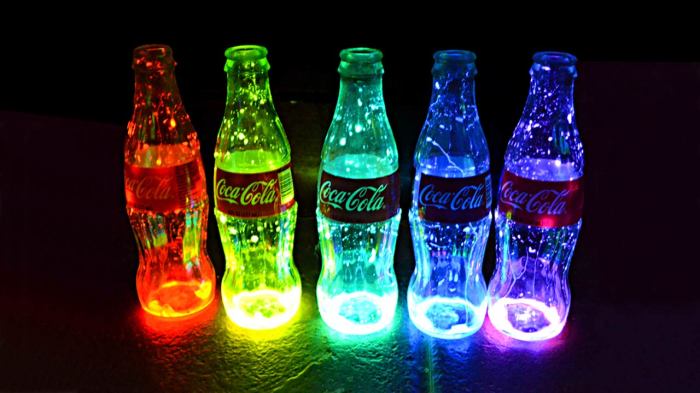
Glow, in its various forms, transcends the purely physical. It invites us to explore the intangible, the metaphorical, and the deeply human associations we weave around this phenomenon. Beyond its practical applications and aesthetic appeal, “glowing” sparks profound conceptual inquiries. This exploration delves into the multifaceted nature of glowing, examining its perception, sensory impact, psychological effects, and philosophical interpretations.The concept of “glowing” extends far beyond the visible spectrum of light.
It encompasses a range of experiences, from the radiant warmth of a campfire to the subtle luminescence of bioluminescent organisms. This exploration examines the ways in which “glowing” can be experienced and interpreted through different sensory channels, and how these experiences shape our understanding of the world.
Comparing Perceived Aesthetics of Different Glows
Different types of glow evoke distinct aesthetic responses. This table summarizes some key distinctions:
| Type of Glow | Aesthetic Qualities |
|---|---|
| Incandescent Light | Warm, comforting, often associated with hearth and home; can be intense and demanding of attention |
| Fluorescent Light | Cool, clinical, often perceived as sterile; can be harsh and unnatural |
| Bioluminescence | Mysterious, magical, often associated with the natural world; can be delicate and ephemeral |
| Neon Light | Bold, vibrant, often associated with urban landscapes; can be aggressive or eye-catching |
| Glow-in-the-Dark Paint | Playful, imaginative, often associated with childhood and creativity; can be subtle and ambient |
Glowing as a Sensory Experience
“Glowing” isn’t confined to the visual sense. The experience of “glowing” can be profoundly multi-sensory. For instance, a crackling campfire, though not visually glowing in the traditional sense, evokes a warmth that transcends the visual, engaging both touch and perhaps even sound. Similarly, certain musical instruments can create a “glowing” effect through sound waves. This resonates with the concept of auditory “light,” which has been explored in music and sonic art.
Even tactile sensations can evoke a sense of glowing warmth. A soft, comforting blanket, for example, provides a tactile experience that evokes a feeling of inner glow.
Psychological Effects of Glowing Environments
Surrounding oneself with glowing objects can have significant psychological effects. The soft glow of a bedside lamp can induce a sense of calm and security, promoting relaxation. Conversely, a vibrant, rapidly changing light show might trigger excitement and exhilaration. The specific psychological response often depends on the intensity, color, and pattern of the glow.
Philosophical Interpretations of Glowing Objects
Glowing objects can be interpreted philosophically in various ways. Some might see them as symbols of life, energy, and growth, reflecting the dynamic processes of the universe. Others might view them as metaphors for the ephemeral nature of existence, the fleeting moments of brilliance that punctuate the darkness. The interpretations often depend on the individual’s cultural background and personal experiences.
Creating Unique Experiences with Glowing Objects
Glowing objects can be incorporated into various contexts to create unique experiences. A glowing garden path at night transforms a simple walkway into a magical adventure. Glowing projections on walls can create immersive environments for art exhibitions or storytelling. Glow-in-the-dark paints can be used in playful installations, transforming everyday spaces into dynamic and engaging environments.
Glowing as a Metaphor for Growth and Change
“Glowing” can be a potent metaphor for personal growth and transformation. Just as a fire consumes fuel to glow, individuals undergo processes of change and development. This metaphorical glow symbolizes the internal radiance that emerges from these experiences. The gradual brightening of a glow can represent the slow but steady progression of personal development and growth.
Final Summary
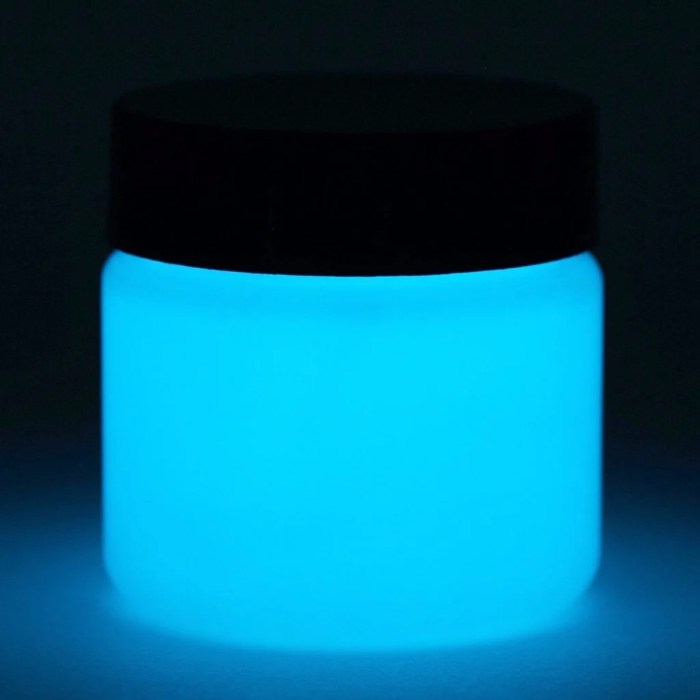
From ancient fireflies to modern LED lights, glowing objects have captivated human imagination for centuries. This exploration has revealed the diverse applications of glowing materials, from practical safety measures to artistic expression. The future potential for these materials seems limitless, and their role in various industries is set to grow. Whether it’s the subtle glow of a watch face or the vibrant displays of art installations, the magic of “glowing” continues to inspire wonder and innovation.