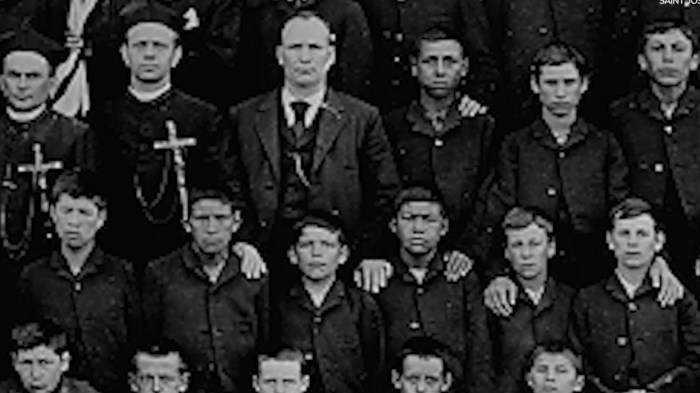
Native American schools history sets the stage for this enthralling narrative, offering readers a glimpse into a story that is rich in detail and brimming with originality from the outset. It explores the often-overlooked history of boarding schools established to assimilate Indigenous children, revealing the devastating consequences of these policies on Native American communities.
This investigation delves into the historical context of these schools, examining the motivations, policies, and practices that shaped their development. It also details the profound impact on Native American families and communities, tracing the lasting effects of these institutions on language, culture, and traditions. Furthermore, it highlights acts of resistance and resilience, demonstrating how Native American communities have preserved their cultures and traditions despite these hardships.
The narrative concludes with a look at the contemporary relevance of this history and the ongoing efforts to address the injustices and seek reconciliation.
Historical Context of Native American Schools
The forced assimilation of Native American children through boarding schools represents a dark chapter in US history. These institutions, often far removed from their families and cultures, were designed to eradicate Native American traditions and identities in favor of Euro-American norms. The lasting impact of this policy continues to reverberate through generations, affecting communities and individuals in profound ways.These schools, while ostensibly intended to educate, were frequently sites of abuse, neglect, and cultural destruction.
The motivations behind their establishment were complex, rooted in a combination of racist ideologies, land acquisition desires, and a belief in the superiority of Euro-American culture. Understanding this historical context is crucial for recognizing the injustices endured and for fostering a path toward reconciliation and healing.
Timeline of Key Events in Native American Boarding School History
The establishment and evolution of Native American boarding schools followed a specific trajectory. Early experiments in assimilation predate the formalization of boarding schools, but the 1870s marked a significant turning point.
- 1879: The Carlisle Indian Industrial School opened in Pennsylvania, serving as a model for future boarding schools. This school’s focus on vocational training and assimilation of students into mainstream culture was instrumental in shaping the policies and practices of subsequent institutions.
- 1880s-1930s: Rapid expansion of boarding schools across the United States. These schools were established in various locations, each with its own unique characteristics and challenges. The number of schools increased significantly during this period, reflecting the government’s commitment to the assimilationist approach.
- 1918: The Indian Citizenship Act granted citizenship to Native Americans. This legislative act was a significant step, but it did not diminish the impact of boarding schools. The paradox of being granted citizenship while simultaneously being subjected to assimilation policies was not immediately resolved.
- 1930s-1960s: A gradual shift in policies, with some schools closing and others transitioning towards more integrated approaches. The experience of Native American students in boarding schools was not uniform; different regions and schools exhibited varying degrees of abuse and neglect.
- 1970s-Present: The legacy of boarding schools continues to shape contemporary Native American communities. Ongoing efforts to address the intergenerational trauma caused by these institutions remain crucial in achieving reconciliation and healing.
Motivations and Policies Driving the Creation of Native American Schools
The motivations behind the creation of these schools were multifaceted, and often intertwined with larger political and social agendas. Assimilation was a driving force.
-
“The goal was to ‘civilize’ Native Americans, removing them from their traditional ways of life and integrating them into Euro-American society.”
This perspective, rooted in the belief of cultural superiority, shaped the policies and practices of these institutions. This concept was embedded in the legislation and regulations of the time, which were used to justify the removal of children from their homes and families.
- The desire to control and manage Native American lands and resources played a role in the establishment of these schools. The schools were seen as a tool to control and manage Native American populations, which was a way to further consolidate power and resources.
- Land acquisition and resource management were often intertwined with the objectives of these schools. The federal government often saw Native American populations as obstacles to westward expansion and resource development. The schools were frequently located near or on reservations, enabling the government to exercise control over the land and its resources.
Types of Native American Schools and Their Characteristics
The types of schools varied, with boarding schools being the most notorious.
- Boarding schools, often located far from reservations, separated students from their families and communities. The goal was to isolate them from their traditional culture and encourage the adoption of Euro-American norms and values. The schools often employed harsh disciplinary methods and fostered a sense of cultural alienation.
- Day schools were a less drastic alternative, enabling students to attend school while still living at home. However, the pressure to assimilate and the limitations on cultural preservation remained a factor in these institutions. They were still often associated with assimilationist goals and policies.
Regional Variations in Treatment of Native American Children
The treatment of Native American children varied across different regions of the United States.
- The Northeast saw some early experiments in assimilation, with the establishment of the Carlisle Indian Industrial School being a crucial example. The impact of these schools on Native American communities in this region was profound.
- The Midwest saw a significant presence of boarding schools, which often employed harsh disciplinary methods. The experiences of Native American children in these schools often varied significantly, depending on the specific institution and the policies in place.
- The Southwest faced unique challenges due to the complex history of land disputes and cultural interactions. The impact of boarding schools in this region was often intertwined with these historical factors.
Key Legislation and Policies Impacting Native American Education
Various laws and policies have shaped Native American education.
| Legislation/Policy | Impact |
|---|---|
| Dawes Act (1887) | This act aimed to break up tribal lands, promoting assimilation and individual land ownership. It had a devastating impact on Native American communities and contributed to the creation of boarding schools. |
| Indian Reorganization Act (1934) | This act attempted to reverse some of the negative effects of the Dawes Act. It sought to restore tribal self-governance and cultural preservation. |
| Indian Child Welfare Act (1978) | This act aimed to protect Native American children from removal from their families and communities. It recognized the importance of preserving Native American families and cultural identity. |
Educational Practices and Curriculum
Boarding schools for Native American children were established with the explicit goal of assimilation. This involved severing ties with traditional cultures, languages, and ways of life, replacing them with Euro-American norms. The educational philosophies and practices reflected this overriding aim, shaping the curriculum and the daily experiences of students in profound and lasting ways.The curriculum in these schools was often disconnected from traditional Native American knowledge systems.
Instead of celebrating and building upon indigenous knowledge, the schools prioritized the transmission of Euro-American values and perspectives. This resulted in a loss of cultural continuity and a disruption of the natural learning processes inherent in Native American societies.
Educational Philosophies and Methods, Native american schools history
The primary educational philosophy in these schools was assimilation. Teachers and administrators were instructed to instill a sense of American identity and suppress any evidence of Native American heritage. Punishment for speaking Native languages or practicing cultural traditions was common. Methods of instruction were often authoritarian and focused on rote memorization and obedience. Individual learning styles and cultural sensitivities were frequently ignored.
Curriculum Components and Alignment with Traditional Knowledge Systems
The curriculum in these schools was largely based on the Euro-American model. Subjects like math, science, and English were taught, but they often lacked relevance to the students’ lives and cultural contexts. Traditional Native American knowledge systems, including oral histories, storytelling, and ecological understanding, were largely excluded. The emphasis was on standardizing students’ perspectives and behavior. The intended outcome was the erosion of indigenous languages and cultural practices.
Role of Teachers and Administrators
Teachers and administrators in these schools were typically not trained in culturally responsive education. Many were motivated by a belief in the superiority of Euro-American culture and a desire to “civilize” Native American students. Their role was not only to impart knowledge but also to instill a new cultural identity. Their actions contributed to the lasting psychological and emotional damage experienced by many students.
Impact of Assimilationist Policies on the Curriculum
Assimilationist policies significantly shaped the curriculum, prioritizing the acquisition of Euro-American knowledge and skills. The curriculum was structured to erase any connection to traditional Native American knowledge. This often resulted in the neglect or misrepresentation of Native American history, culture, and contributions. The focus was on breaking down cultural identities rather than fostering understanding or appreciation.
Examples of Textbooks and Other Educational Materials
Textbooks frequently depicted Native Americans in stereotypical and negative ways, reinforcing harmful misconceptions. They often portrayed Native American cultures as primitive or savage, contrasting them with the “civilized” Euro-American ideal. Other educational materials, such as posters and photographs, served similar purposes. These materials were instrumental in shaping negative perceptions and creating a hostile environment for students.
Typical Daily Routines and Activities
| Time | Activity | Description |
|---|---|---|
| Morning | Arrival and Registration | Students arrived early, often before sunrise, and were registered in the school’s records. |
| Morning | Classes | Classes were structured around the Euro-American model. Subjects like reading, writing, arithmetic, and history were taught using rote memorization. |
| Afternoon | Manual Labor | Students were often assigned tasks like farming, cleaning, and other manual labor to reinforce the idea of practical skills. |
| Afternoon | Religious Instruction | Students were required to attend Christian religious services and instruction. |
| Evening | Rest and Preparation | Students would prepare for the next day’s activities and rest. |
Impact on Native American Communities: Native American Schools History
The legacy of Native American boarding schools extends far beyond the physical buildings that once stood. The forced assimilation policies enacted through these schools continue to resonate in the lives of Native Americans today, shaping families, communities, and the very fabric of their cultural heritage. The lasting impact is multifaceted, encompassing psychological trauma, social disruption, and the erosion of cultural identity.These schools, while intended to “civilize” Native American children, often resulted in a profound disconnect from their roots.
The systematic dismantling of traditional ways of life had devastating consequences, leaving a complex and enduring scar on the communities they were designed to alter. The cumulative effect of this disruption continues to affect generations, impacting health, well-being, and intergenerational relationships.
Psychological and Social Consequences
The boarding school experience was inherently traumatic for many students. Forced separation from families, cultural suppression, and the imposition of a foreign culture created deep psychological wounds. Children were often subjected to harsh discipline, abuse, and neglect, which contributed to significant mental health challenges. These experiences, compounded by the loss of language and cultural connection, had a profound impact on their sense of self and their ability to form healthy relationships.
The trauma endured in these schools persists across generations, affecting mental health, substance abuse, and overall well-being. Examples include increased rates of depression, anxiety, and post-traumatic stress disorder (PTSD) within Native American populations.
Impact on Language, Culture, and Traditions
The systematic suppression of Native American languages and cultural practices was a central tenet of these schools. Children were punished for speaking their native tongues, and their traditional clothing, ceremonies, and cultural expressions were often prohibited. This resulted in a significant loss of cultural knowledge and continuity, making it challenging for subsequent generations to maintain their heritage. The loss of language, in particular, has had a profound impact on the ability to connect with ancestors and preserve historical knowledge.
This cultural erosion continues to manifest in the difficulty many Native Americans face in accessing and understanding their ancestral knowledge and heritage.
Examples of Continued Trauma
The legacy of these schools continues to affect contemporary Native American communities in myriad ways. Increased rates of poverty, substance abuse, and incarceration are often linked to the intergenerational trauma stemming from these institutions. Many Native Americans struggle with a deep-seated sense of loss and disconnection from their ancestral lands and cultural heritage. The struggle to reclaim lost languages and traditions, and the ongoing efforts to address the lasting effects of these schools, are a testament to the resilience and determination of Native American communities.
Role in Loss of Native American Languages and Cultural Practices
The deliberate suppression of Native American languages and cultural practices within these schools was instrumental in their erosion. Punishments for speaking native languages, prohibitions on traditional clothing and ceremonies, and the forced adoption of English and Western customs severed crucial connections to ancestral knowledge and cultural identity. This resulted in a significant loss of language proficiency and a decline in the transmission of traditional cultural knowledge across generations.
The ongoing effort to revitalize and preserve these languages and cultural practices is a crucial part of healing and reclaiming a sense of cultural identity.
The history of Native American boarding schools is a dark chapter, filled with forced assimilation and cultural destruction. Sadly, similar injustices continue today, as evidenced by the recent cuts to crucial programs like the trump guts low income home energy assistance program. These actions highlight a disturbing pattern of neglect towards marginalized communities, echoing the systemic issues that plagued the schools.
The legacy of these policies reverberates through generations, underscoring the urgent need for equitable solutions.
Intergenerational Trauma and its Impact on Health and Well-being
| Aspect of Intergenerational Trauma | Impact on Health and Well-being |
|---|---|
| Loss of cultural identity | Increased rates of depression, anxiety, substance abuse, and mental health disorders. |
| Loss of language | Difficulties in accessing ancestral knowledge, cultural understanding, and maintaining a sense of connection to heritage. |
| Forced separation from families | Strained family relationships, difficulties in establishing healthy family structures, and perpetuation of intergenerational cycles of trauma. |
| Cultural suppression | Loss of cultural pride, decreased self-esteem, and difficulty in maintaining cultural continuity. |
| Abuse and neglect | Increased rates of PTSD, physical and mental health problems, and difficulty in forming trusting relationships. |
“The legacy of these schools continues to haunt our communities. The trauma inflicted on our ancestors is still felt today, impacting our physical and mental health, and our ability to thrive as communities.”
(Source
A statement from a Native American organization involved in addressing the impacts of boarding schools.)
The history of Native American boarding schools is a dark chapter, filled with forced assimilation and cultural destruction. Learning about the lasting impacts of these schools is crucial, and hearing from individuals like Dina Powell McCormick and David McCormick in their interview sheds light on the ongoing struggles and resilience of those affected. Understanding this history is essential for moving forward and creating a more just and equitable future for Native American communities.
Resistance and Resilience
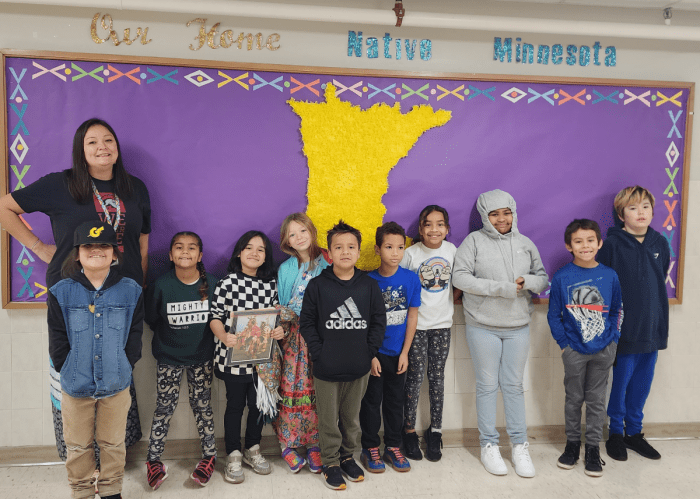
The forced assimilation policies targeting Native American children through boarding schools inflicted deep wounds on Indigenous communities. However, the spirit of resistance and resilience has always been a powerful force within Native American societies. This resistance manifested in various forms, from covert acts of cultural preservation to overt acts of defiance and activism. The fight for cultural survival and self-determination continues to this day.Despite the oppressive conditions, Native Americans never fully relinquished their cultural identities.
This enduring commitment to their heritage, coupled with the tireless efforts of activists and community leaders, paved the way for significant progress in revitalizing traditions and reclaiming cultural autonomy. The fight against cultural erasure was often a quiet, yet powerful, struggle.
Efforts to Resist Assimilationist Policies
Native American communities employed various strategies to resist the policies and practices of boarding schools. These strategies included covert acts of preserving cultural traditions, secret ceremonies, and oral storytelling. Families often passed down cultural knowledge through generations, keeping their languages and customs alive. This quiet resistance was a testament to the deep-rooted commitment to cultural survival.
Preservation and Revitalization of Cultures and Traditions
The preservation and revitalization of Native American cultures and traditions were often achieved through community-based initiatives. These efforts ranged from language revitalization programs to the re-establishment of traditional ceremonies. Families and elders played a critical role in passing down knowledge and customs to younger generations.
Role of Indigenous Leaders and Activists
Indigenous leaders and activists played a pivotal role in advocating for change and challenging the injustices faced by their communities. They organized protests, raised awareness, and sought legal remedies to address the lasting impacts of these schools. Their activism was crucial in bringing attention to the systemic problems and demanding redress. For example, the efforts of prominent activists like Wilma Mankiller, a Cherokee Nation leader, helped raise awareness and advocate for Native American rights.
Community-Led Initiatives for Cultural Preservation
Community-led initiatives played a vital role in preserving and revitalizing cultural traditions. These included language revitalization programs, cultural centers, and the preservation of historical sites. These initiatives helped create spaces for cultural expression and fostered a sense of community among Native Americans.
Comparison of Resistance Strategies
Resistance strategies varied among different tribes, reflecting the unique cultural contexts and historical experiences. Some tribes might have focused on preserving languages through secret gatherings, while others may have engaged in more overt acts of resistance, such as organizing protests or legal challenges. The specific methods employed were often dictated by the specific historical and political realities faced by each tribe.
Prominent Native American Figures Who Resisted Assimilationist Policies
| Name | Tribe | Actions |
|---|---|---|
| Sarah Winnemucca | Paiute | Advocate for her people, spoke out against injustices, and worked to preserve tribal culture. |
| Spotted Elk | Lakota | Educated himself and other Lakota, advocating for the rights of Native Americans. |
| Luther Standing Bear | Lakota | Wrote about the experiences of Native American children in boarding schools, bringing attention to the injustices. |
| Vine Deloria Jr. | Lakota | Activist and author, spoke out against the policies and practices of boarding schools, advocating for Native American rights. |
Contemporary Relevance
The legacy of Native American boarding schools continues to cast a long shadow over Indigenous communities, impacting their present and future. The systematic dismantling of cultural identity and the trauma inflicted on generations have left deep wounds that require ongoing healing and reconciliation. Addressing these issues demands a comprehensive understanding of the enduring challenges and a commitment to restorative justice.The legacy of these schools is not merely a historical footnote.
Its impact reverberates through educational disparities, health issues, and social inequalities, demanding a focused effort to build a more just and equitable future for Native American communities. Contemporary efforts must go beyond simply acknowledging the past; they must actively work to repair the damage caused and empower Native communities to chart their own educational paths.
Ongoing Struggles and Challenges
Native American students often face significant barriers to academic success, including historical trauma, cultural disconnect, and limited access to culturally relevant educational resources. Poverty, lack of access to quality healthcare, and intergenerational trauma contribute to these challenges. These issues frequently manifest in lower graduation rates, higher dropout rates, and disproportionately high rates of incarceration compared to their non-Indigenous counterparts.
These systemic disparities require immediate attention and proactive solutions.
The forced assimilation of Native American children in boarding schools is a dark chapter in US history. The devastating impact of these schools on generations of families is undeniable. Meanwhile, international relations are also in the spotlight, with recent US-Iran nuclear talks in Rome, us iran nuclear talks rome highlighting the complexities of global diplomacy.
These seemingly disparate events, though, both reflect a broader pattern of historical injustices and ongoing struggles for recognition and self-determination.
Need for Reconciliation and Restorative Justice
Reconciliation is crucial to addressing the lasting effects of historical injustices. It requires a commitment from all sectors of society to acknowledge the harm caused and actively work towards repairing the damage. Restorative justice, focusing on healing and community-led solutions, can play a vital role in fostering understanding and rebuilding trust. This approach emphasizes accountability, participation, and the restoration of relationships.
Examples of restorative justice programs within Indigenous communities are emerging and demonstrate the power of this approach in addressing intergenerational trauma and fostering healing.
Importance of Indigenous Self-Determination in Education
Indigenous self-determination in education is paramount. This means recognizing and respecting the inherent right of Indigenous communities to control their own education systems, to design curricula that reflect their values and traditions, and to create educational opportunities that are relevant to their unique needs and aspirations. Indigenous communities are best positioned to determine what is best for their children’s education.
They hold the knowledge and cultural understanding necessary to ensure their children receive the education they deserve.
Contemporary Initiatives and Policies
Numerous initiatives and policies are emerging to support Native American education. These include increased funding for tribal schools, the development of culturally relevant curricula, and the implementation of programs that address the unique needs of Indigenous students. Efforts to support Native American language revitalization and cultural preservation are also gaining traction. This includes initiatives that acknowledge and address historical trauma in educational settings.
These programs provide crucial support for Native American students and their families.
Role of Tribal Colleges and Universities
Tribal colleges and universities play a critical role in preserving Indigenous knowledge and traditions. They offer culturally relevant education and provide pathways to higher education for Native American students. These institutions are often the heart of tribal communities and the guardians of ancestral knowledge, ensuring that it is passed down to future generations. These colleges are often a source of pride and cultural strength, contributing significantly to the preservation and transmission of Indigenous knowledge.
Current Educational Programs Incorporating Indigenous Perspectives
| Program Name | Description | Focus Areas |
|---|---|---|
| Native American Language Immersion Programs | These programs provide instruction in Native languages, often in preschool and elementary settings. | Language revitalization, cultural preservation, academic achievement |
| Culturally Relevant Curriculum | These programs incorporate Native American perspectives, histories, and experiences into existing subjects. | History, literature, social studies, math |
| Trauma-Informed Practices | These programs recognize and address the impact of historical trauma on students. | Mental health support, culturally appropriate practices, social-emotional learning |
These programs reflect a growing recognition of the need to provide culturally relevant and trauma-informed education for Native American students.
Visual Representations
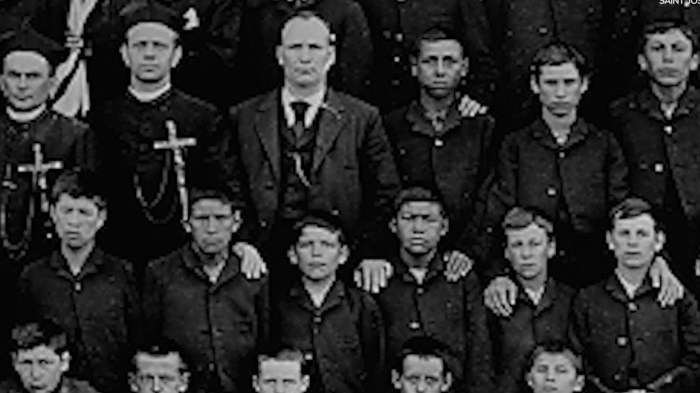
Visual representations of Native American boarding school experiences offer powerful insights into the historical context, the emotional toll, and the ongoing legacy of these institutions. Images, paintings, and photographs can serve as potent reminders of the injustices faced, the cultural destruction, and the enduring resilience of Native communities. They provide a visual language that transcends words, conveying complex emotions and experiences in a way that text alone cannot.
Depiction of a Boarding School Student
Imagine a photograph, sepia-toned and slightly out of focus, capturing a young Native American girl in a boarding school uniform. Her expression is one of quiet sadness, her gaze directed towards the ground. The uniform, perhaps a dark, ill-fitting dress, contrasts sharply with the vibrant colours and patterns of the traditional clothing she likely wore before. The background might show a long, institutional hallway, or a large, impersonal dormitory.
The muted colors and stark lines of the building emphasize the starkness of the environment, the detachment from her previous life. The girl’s posture suggests a sense of isolation and displacement, hinting at the profound cultural disruption these institutions imposed. This visual representation encapsulates the loss of identity and the struggle for survival within the boarding school system.
Photograph of a Protest
A photograph of a protest against Native American boarding schools could depict a large gathering of people, perhaps hundreds, in a public space. The faces of the protestors, animated with a mix of anger, determination, and hope, are clearly visible. Many would be wearing traditional regalia, their clothing acting as a symbol of their cultural heritage. Signs, banners, and placards, in both English and Indigenous languages, would be prominently displayed, bearing powerful messages demanding justice and accountability for the abuses of the past.
The scene might be punctuated by tears, expressions of pain, and a palpable sense of unity. This image speaks volumes about the collective anger, the struggle for recognition, and the shared desire for healing and reconciliation. The image would be a testament to the strength of Indigenous communities in fighting for their rights.
Artwork Symbolizing Loss of Language and Culture
A piece of artwork symbolizing the loss of language and culture could be a large-scale painting or a series of interconnected panels. The artist might use a palette of muted colors, such as grays, blues, and browns, to evoke a sense of melancholy and loss. Abstract shapes and symbols, reminiscent of traditional Indigenous art forms, might be fragmented or distorted, mirroring the fractured nature of the lost language and culture.
The work might feature stylized figures, silhouetted against a backdrop of fading landscapes, suggesting the passing of generations and the erosion of cultural memory. The artist’s technique, perhaps using layering or blurring, could further emphasize the sense of fading tradition. The overall effect would be one of profound sorrow and longing, a poignant visual representation of the devastating consequences of cultural assimilation.
Illustration of a Traditional Native American Classroom
An illustration of a traditional Native American classroom would depict a vibrant scene. The walls might be adorned with intricate paintings and weavings, reflecting the rich artistic traditions of the tribe. Children, dressed in traditional clothing, would be seated around a central area, perhaps a large woven rug or a cleared space. A respected elder might be seated or standing, engaged in a storytelling or teaching session.
The objects around the room, such as handcrafted tools, instruments, and materials for creating art, would reflect the community’s craftsmanship and knowledge. The scene would exude a sense of community, cultural pride, and the continuity of knowledge transmission. This illustration would embody the spirit of Indigenous education, emphasizing the importance of cultural preservation and intergenerational knowledge transfer.
Image Illustrating Challenges Faced by Native American Students Today
An image illustrating the challenges faced by Native American students today could feature a young Native American student, surrounded by a variety of modern-day obstacles. The student might be struggling to balance their cultural identity with the demands of a mainstream educational system. The background could include images of socioeconomic hardship, such as poverty or a lack of resources, or a symbol representing the persistent effects of historical trauma.
The symbolism could encompass a metaphor, like a broken bridge, symbolizing the divide between Indigenous culture and contemporary society. The image would aim to show the ongoing systemic issues, such as the need for culturally relevant education, access to resources, and support services that help students thrive.
Ending Remarks
In conclusion, the history of Native American schools reveals a painful chapter in American history. The forced assimilation policies and practices inflicted profound trauma on Native American communities, leading to the loss of language, culture, and traditions. However, the story also demonstrates the resilience and determination of Native American people to resist these policies and preserve their heritage.
Understanding this history is crucial for fostering reconciliation and moving towards a future that respects and values Indigenous knowledge and self-determination.