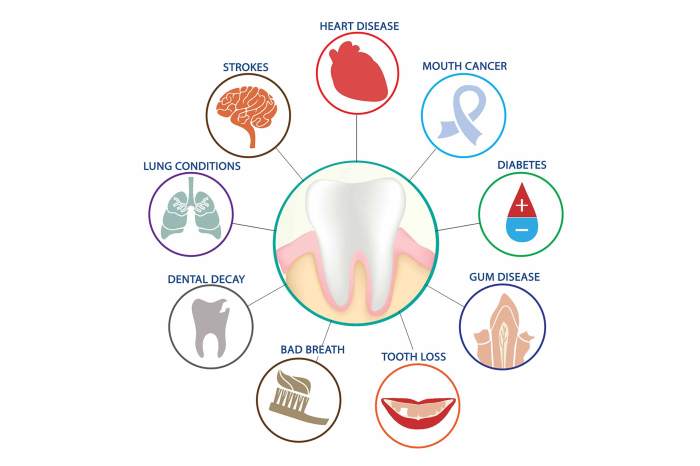
IBD oral dental health connection is a crucial aspect of managing Inflammatory Bowel Disease (IBD). Understanding the link between these two seemingly disparate health areas is essential for comprehensive patient care. This exploration delves into the complex relationship, examining potential oral manifestations, the impact of medications, and strategies for prevention and management.
This blog post will cover the basics of IBD and its effect on oral health. We’ll discuss the common types of IBD, like Crohn’s disease and ulcerative colitis, and how they can influence the mouth. We’ll also look at the specific oral symptoms that often accompany IBD, and explore the role of medications and oral hygiene practices in maintaining oral health.
Finally, we’ll examine current research and discuss future directions in this field.
Introduction to IBD and Oral Health
Inflammatory bowel disease (IBD) encompasses a group of chronic inflammatory conditions affecting the digestive tract. These conditions significantly impact not only the gastrointestinal system but also the overall health and well-being of individuals. Understanding the connection between IBD and oral health is crucial for comprehensive patient care.The two primary types of IBD are Crohn’s disease and ulcerative colitis.
Crohn’s disease can affect any part of the digestive tract, from the mouth to the anus, while ulcerative colitis primarily affects the colon and rectum. Both conditions cause inflammation and can lead to a range of symptoms, including abdominal pain, diarrhea, and fatigue. The chronic nature of IBD often necessitates long-term management strategies, requiring careful monitoring of both digestive and extra-intestinal symptoms.
Impact of IBD on Overall Health
IBD’s systemic effects extend beyond the digestive tract. It can affect nutrition, leading to deficiencies in essential vitamins and minerals. The chronic inflammation can also trigger complications in other organs and systems, potentially leading to anemia, osteoporosis, and even liver disease. The impact on overall well-being is significant, influencing physical activity, emotional health, and quality of life.
Managing the disease requires a multidisciplinary approach that addresses both the digestive and systemic aspects of the condition.
Relationship Between Chronic Illness and Oral Health
Chronic illnesses, like IBD, often have a reciprocal relationship with oral health. Chronic inflammation, common in IBD, can create a more favorable environment for oral infections and complications. Furthermore, the medications used to treat IBD can sometimes contribute to oral side effects, including dry mouth and altered taste sensations. Regular dental checkups and good oral hygiene practices are essential for maintaining oral health in the context of chronic illness.
Potential Link Between IBD and Oral Manifestations
The chronic inflammation associated with IBD can manifest in the mouth, leading to specific oral symptoms. These symptoms can vary depending on the type and severity of IBD, as well as individual factors. Recognizing these potential connections can aid in early diagnosis and intervention. Prompt identification and treatment of oral symptoms can help to prevent further complications and improve the overall quality of life for individuals with IBD.
Symptoms of IBD and Potential Oral Symptoms
| IBD Symptoms | Potential Oral Symptoms |
|---|---|
| Abdominal pain, cramping, diarrhea, weight loss | Dry mouth, altered taste, mouth sores, bleeding gums, increased susceptibility to infections |
| Fatigue, fever, anemia | Oral ulcers, inflammation of the tongue, difficulty swallowing, altered dental health |
| Nutritional deficiencies (e.g., iron, vitamin B12) | Bleeding gums, loose teeth, increased risk of cavities |
| Medication side effects (e.g., corticosteroids) | Oral thrush, candidiasis, inflammation of the oral mucosa |
Oral Manifestations Associated with IBD

The connection between inflammatory bowel disease (IBD) and oral health is often overlooked, but it’s a significant aspect of comprehensive IBD management. Many individuals with IBD experience a range of oral complications, which can impact their overall well-being and quality of life. Understanding these manifestations is crucial for both patients and healthcare providers to ensure timely diagnosis and effective treatment.Oral health problems associated with IBD stem from the systemic inflammatory response.
The chronic inflammation affecting the gastrointestinal tract can indirectly impact the oral cavity, manifesting in various ways. This section will explore the diverse oral issues commonly reported by individuals with IBD, examining the underlying mechanisms and potential contributing factors.
Oral Issues Frequently Reported by IBD Patients
Many individuals with IBD experience a variety of oral problems. These issues can range from minor discomfort to more significant complications, highlighting the importance of regular dental check-ups for those with IBD. These problems frequently include sores, inflammation, and changes in the tissues of the mouth.
- Mouth Sores: Aphthous ulcers (canker sores), recurrent or persistent mouth sores, can be more frequent and severe in individuals with IBD. These sores often appear as small, painful ulcers in the mouth, and can be a symptom of the systemic inflammation linked to IBD.
- Inflammation and Swelling: Swelling and inflammation of the gums, tongue, or other oral tissues can be common in IBD. This can manifest as tenderness, redness, or swelling, potentially leading to discomfort during eating or oral hygiene.
- Dry Mouth (Xerostomia): IBD-related medications, such as corticosteroids, can lead to decreased saliva production, causing dry mouth. This can increase the risk of oral infections and dental problems. For instance, some patients on medication for IBD may experience difficulty with chewing and speaking due to the dry mouth.
- Changes in Taste Perception: The inflammatory processes associated with IBD can alter the sense of taste. Some patients report a metallic or altered taste, which is often linked to the systemic effects of the disease.
Specific Conditions Arising from IBD
Certain oral conditions are more likely to occur in individuals with IBD. These conditions can affect the teeth, gums, and soft tissues within the mouth.
- Increased risk of oral infections: The altered oral environment in individuals with IBD, particularly with reduced saliva production, can make them more susceptible to oral infections. For instance, candidiasis (yeast infection) can be more prevalent in these patients, affecting the tongue and inner lining of the mouth.
- Periodontal disease: IBD may contribute to a higher risk of gum disease (periodontal disease). The chronic inflammation can weaken the tissues supporting the teeth, potentially leading to inflammation, bleeding, and eventual tooth loss.
Mechanisms Linking IBD and Oral Health Problems
The link between IBD and oral health problems is multifaceted. The systemic inflammation characteristic of IBD can trigger inflammatory responses in the oral cavity. This is often a consequence of the immune system’s response to the gut inflammation, which extends beyond the gastrointestinal tract.
“The chronic inflammatory response in IBD can induce changes in the oral microbiome, which in turn can lead to a greater predisposition for oral infections.”
This systemic inflammatory response can impact oral tissues and increase the risk of various oral conditions.
Potential Causes of Oral Manifestations
Several factors might contribute to the oral manifestations in IBD patients. These include the systemic effects of the disease, medication side effects, and dietary changes.
- Medication side effects: Certain medications used to treat IBD, such as corticosteroids, can cause side effects that affect the oral cavity, such as dry mouth and an increased risk of infections. For example, some medications can lead to thinning of the oral tissues, making them more susceptible to injury.
- Nutritional deficiencies: Individuals with IBD may experience nutritional deficiencies due to malabsorption. These deficiencies can impact the overall health of the oral tissues, increasing their vulnerability to problems. For example, vitamin deficiencies can lead to weakened enamel, making teeth more susceptible to decay.
Oral Health Concerns in IBD Patients
This table summarizes the oral health concerns associated with different types of IBD.
| Oral Health Concern | Ulcerative Colitis | Crohn’s Disease |
|---|---|---|
| Mouth Sores | Common | Common |
| Inflammation | Present | Present |
| Dry Mouth | Possible | Possible |
| Taste Changes | Possible | Possible |
| Increased Risk of Oral Infections | Possible | Possible |
Impact of Medications on Oral Health

Managing Inflammatory Bowel Disease (IBD) often requires medication, but these treatments can sometimes have unintended consequences on oral health. Understanding these potential side effects is crucial for patients to maintain optimal oral hygiene and prevent complications. This section explores the common medications used to treat IBD, their potential impact on oral health, and strategies for mitigating these risks.Medications used to treat IBD, while effective in managing symptoms, can sometimes disrupt the delicate balance of the oral cavity.
These drugs can alter the oral microbiome, potentially increasing susceptibility to infections, and can influence saliva production and composition, affecting the ability of the mouth to self-clean. Knowing the specific potential side effects allows patients and their dental professionals to work together to prevent or address these issues.
Common Medications Used to Treat IBD
A variety of medications are used to treat IBD, including corticosteroids, immunosuppressants, and biologics. These medications work in different ways to reduce inflammation, but they can all potentially impact oral health.
Having IBD can significantly impact oral health. It’s a tough situation, and while navigating the complexities of managing your condition, it’s important to prioritize dental care. Thinking about Galentine’s Day and single people, it’s great to remember that taking care of yourself, inside and out, is key, including your oral hygiene. Just like focusing on self-care during challenging times, maintaining good oral health is crucial for overall well-being.
Proper dental care is an important part of managing IBD and overall health. Read more about how single people are embracing Galentine’s Day in this insightful essay: galentines day single people essay. Ultimately, prioritizing oral health is a significant step in managing IBD effectively.
Potential Side Effects on Oral Health
Medications for IBD can induce a range of oral side effects. These side effects can range from minor discomfort to more significant issues, affecting the patient’s overall well-being. It’s important to be aware of the potential for these effects and to discuss them with both your physician and your dentist.
Interactions with Oral Hygiene Practices
Maintaining good oral hygiene is crucial, even more so when taking IBD medications. Medications can influence saliva production and composition, making it harder for the mouth to naturally clean itself. This increased susceptibility to oral issues highlights the importance of meticulous oral hygiene, including brushing twice a day, flossing daily, and using mouthwash. Regular dental checkups are also essential for early detection and intervention.
Drug-Induced Oral Issues
Some medications used to treat IBD can directly contribute to oral problems. These include xerostomia (dry mouth), which can lead to increased risk of tooth decay and oral infections. Other medications can impact the oral tissues, potentially leading to inflammation or other complications.
Examples of Specific Medication Side Effects
Corticosteroids, for example, can lead to thinning of the bones in the jaw, increasing the risk of osteonecrosis of the jaw. Immunosuppressants can suppress the immune system, making patients more susceptible to oral infections. Biologics can also have oral side effects, although the specific nature and frequency of these effects vary depending on the individual medication.
Table of Medications, Potential Oral Side Effects, and Preventive Measures
| Medication | Potential Oral Side Effects | Preventive Measures |
|---|---|---|
| Corticosteroids | Oral candidiasis, gingival inflammation, osteonecrosis of the jaw | Good oral hygiene, regular dental checkups, close monitoring by physician and dentist |
| Immunosuppressants | Increased risk of oral infections, oral ulcers, dry mouth | Maintaining meticulous oral hygiene, prompt treatment of any oral infections, regular dental checkups |
| Biologics | Possible gingival inflammation, oral ulcers, altered taste perception | Diligent oral hygiene, prompt attention to any oral changes, regular dental checkups |
Diagnosis and Management of Oral Issues in IBD
Understanding the oral health implications of Inflammatory Bowel Disease (IBD) is crucial for comprehensive patient care. Oral complications can range from mild discomfort to severe conditions, impacting both the patient’s quality of life and overall well-being. Early detection and appropriate management are essential to prevent long-term damage and maintain optimal oral health.Early diagnosis and proactive management are vital to prevent long-term complications and improve the quality of life for IBD patients.
Dental professionals play a critical role in this process, working collaboratively with gastroenterologists to ensure comprehensive care.
Diagnostic Procedures for Oral Complications
Accurate diagnosis of oral complications in IBD patients requires a multi-faceted approach. Visual inspection of the oral cavity, including the gums, teeth, tongue, and palate, is a primary diagnostic step. Dental professionals use a variety of tools and techniques, such as a mouth mirror, periodontal probe, and intraoral camera, to identify potential issues. Furthermore, detailed patient history and medical records review are integral to understanding the patient’s overall health condition and potential contributing factors.
Radiographic imaging, such as X-rays, can aid in identifying bone loss or other structural changes related to the disease. Biopsies of affected tissue may be necessary in some cases to confirm the presence of specific oral conditions. Laboratory tests, such as blood tests, can also provide valuable insights into the patient’s overall health.
Role of Dental Professionals in Managing Oral Health
Dental professionals play a critical role in managing oral health for IBD patients. They are trained to identify, diagnose, and treat oral manifestations of IBD, providing personalized care tailored to each patient’s specific needs. Dental hygienists perform meticulous oral hygiene procedures, including scaling and polishing, to remove plaque and tartar buildup. They also educate patients on proper oral hygiene techniques to maintain optimal oral health.
Dentists provide preventive care, including regular checkups and oral hygiene instruction, and manage any existing oral conditions. Furthermore, they work closely with gastroenterologists to ensure comprehensive care and treatment plans.
Importance of Regular Dental Checkups for IBD Patients
Regular dental checkups are crucial for individuals with IBD to proactively address oral health issues. These checkups allow for early detection of potential complications, such as gingivitis, periodontitis, or oral ulcers. Prompt intervention can prevent the progression of these conditions and maintain the integrity of the oral structures. Furthermore, regular checkups enable dental professionals to monitor the effectiveness of existing treatment plans and adjust them as needed.
These visits also provide an opportunity for patients to ask questions, receive guidance, and maintain a strong patient-professional relationship.
Communication Between Gastroenterologists and Dentists
Effective communication between gastroenterologists and dentists is essential for comprehensive care of IBD patients. Sharing medical records and treatment plans facilitates a coordinated approach to managing both the gastrointestinal and oral health concerns. Joint consultations allow for a thorough assessment of the patient’s overall health and the development of a holistic treatment plan. Regular communication ensures that both specialties are aware of the latest developments in treatment and potential side effects of medications.
Strategies for Improving Oral Hygiene for IBD Patients
Maintaining good oral hygiene is crucial for IBD patients to mitigate oral complications. Patients should use a soft-bristled toothbrush and fluoride toothpaste, and avoid aggressive brushing techniques that could further irritate the gums. Regular use of antimicrobial mouthwashes can help control inflammation and bacteria. Patients should also pay close attention to their diet, avoiding foods that could exacerbate oral ulcers or inflammation.
They should maintain a consistent oral hygiene routine to prevent and manage oral complications.
Roles of Healthcare Professionals in Managing IBD-Related Oral Issues
| Healthcare Professional | Role |
|---|---|
| Gastroenterologist | Diagnoses IBD, manages medication side effects, and coordinates care with dental professionals. |
| Dentist | Diagnoses and treats oral complications, provides preventive care, and educates patients on oral hygiene. |
| Dental Hygienist | Performs oral hygiene procedures, including scaling and polishing, and educates patients on proper oral hygiene techniques. |
| Oral Surgeon | Manages complex oral issues like bone grafting or extractions, if needed. |
| Registered Dietitian | Provides dietary guidance to help patients manage their overall health, including oral health concerns. |
Prevention and Oral Hygiene Practices: Ibd Oral Dental Health Connection
Maintaining optimal oral health is crucial for individuals with inflammatory bowel disease (IBD). Preventive measures and diligent oral hygiene routines can significantly reduce the risk of complications, improve overall well-being, and enhance the quality of life for those living with IBD. This section will explore strategies to safeguard oral health, highlighting the importance of proactive care.
Strategies to Prevent Oral Health Problems
Proactive oral hygiene is key to preventing oral health problems in IBD. Regular check-ups with a dentist specializing in IBD-related oral care are essential. Early detection and intervention are critical for managing any developing oral issues effectively. A comprehensive approach encompassing dietary modifications, improved oral hygiene habits, and regular professional dental care can mitigate the risk of complications.
Recommendations for Improving Oral Hygiene Routines
A consistent and comprehensive oral hygiene routine is vital for individuals with IBD. Brushing teeth twice daily with fluoride toothpaste for two minutes each time is paramount. Flossing daily is equally important to remove food particles and plaque from between teeth. Using a mouthwash containing fluoride can further enhance oral hygiene.
Specific Oral Hygiene Practices to Reduce Complications
Specific oral hygiene practices can significantly reduce the risk of complications associated with IBD. Using a soft-bristled toothbrush is crucial to avoid irritating or injuring delicate oral tissues. Proper brushing techniques, including gentle circular motions, are essential for effective plaque removal without causing gum irritation. Regular use of dental floss or interdental brushes is critical for reaching hard-to-reach areas.
The connection between inflammatory bowel disease (IBD) and oral dental health is significant. Proper oral hygiene is crucial for overall health, and IBD can significantly impact that, potentially leading to complications. Interestingly, recent economic shifts, such as what trumps tariffs mean for mortgage rates here , might also indirectly affect healthcare access and ultimately, the ability to maintain good oral health, especially for those managing IBD.
This emphasizes the importance of preventative care and understanding the multifaceted impact of these interconnected factors on IBD oral health management.
Individuals with IBD should also pay close attention to their tongue for any signs of inflammation or sores.
Importance of a Balanced Diet for Maintaining Good Oral Health
A balanced diet plays a pivotal role in maintaining good oral health for everyone, especially those with IBD. A diet rich in fruits, vegetables, and whole grains provides essential vitamins and minerals that support healthy gums and teeth. Adequate hydration through water intake is equally important for maintaining oral moisture and preventing dryness.
Recent studies highlight a surprising connection between inflammatory bowel disease (IBD) and oral health. Maintaining good dental hygiene is crucial for overall well-being, and this connection is especially important for those with IBD. For example, the recent attorney general hearing involving Pam Bondi and the Trump administration, pam bondi attorney general hearing trump , while certainly a significant event, shouldn’t overshadow the importance of proactive oral care in managing IBD symptoms.
Ultimately, prioritizing dental health remains key in effectively managing IBD.
Foods and Beverages to Avoid or Consume in Moderation, Ibd oral dental health connection
Certain foods and beverages can negatively impact oral health, particularly for individuals with IBD. Sugary snacks and drinks can contribute to the development of cavities and tooth decay. Acidic foods and beverages, such as citrus fruits and sodas, can erode tooth enamel. Frequent consumption of these items should be limited to minimize their impact on oral health.
- Sugary Foods and Drinks: Limit intake of sugary snacks, candies, sodas, and juices to prevent tooth decay and cavities. Frequent consumption of these items can contribute to the growth of harmful bacteria.
- Acidic Foods and Drinks: Moderate intake of acidic foods and drinks, such as citrus fruits, tomatoes, and carbonated beverages, as these can erode tooth enamel. Consuming these items frequently can lead to sensitivity and potential damage to teeth.
- Sticky Foods: Avoid sticky foods, such as caramel, taffy, and dried fruits, as they can adhere to teeth and contribute to plaque buildup. These foods can also be difficult to remove completely, increasing the risk of dental problems.
- Excessive Alcohol Consumption: Limit alcohol consumption, as it can dehydrate the mouth and contribute to the growth of harmful bacteria.
Summary of Preventive Measures and Recommendations
| Preventive Measure | Recommendation |
|---|---|
| Regular Dental Check-ups | Schedule regular check-ups with a dentist specializing in IBD-related oral care. |
| Improved Oral Hygiene | Brush teeth twice daily for two minutes each time with fluoride toothpaste, floss daily, and use a fluoride mouthwash. |
| Balanced Diet | Consume a diet rich in fruits, vegetables, and whole grains, and maintain adequate hydration. |
| Limited Intake of Specific Foods/Drinks | Limit consumption of sugary, acidic, and sticky foods and beverages. |
Research and Future Directions
The connection between inflammatory bowel disease (IBD) and oral health is an area of active research, with increasing understanding of the complex interplay between the two. Understanding the mechanisms behind these associations is crucial for developing targeted interventions and improving the overall well-being of patients with IBD. This section explores current research findings, identifies areas needing further investigation, and discusses potential avenues for developing new treatments and preventive measures.
Current Research Findings
Significant research has focused on identifying specific oral manifestations associated with IBD and their underlying causes. Studies have investigated the prevalence of oral lesions, such as aphthous ulcers and gingivitis, in patients with IBD, comparing them to healthy controls. These studies have revealed a higher incidence of oral problems in IBD patients, often correlating with disease activity. Further research is examining the role of inflammation and immune dysregulation in driving these oral manifestations.
This involves exploring the relationship between systemic inflammation markers and oral tissue changes, looking for biomarkers that can predict oral health problems in IBD patients.
Areas Needing Further Investigation
Several areas require further investigation to fully understand the IBD-oral health connection. The long-term effects of IBD medications on oral health need more detailed study, including their impact on specific oral tissues and microbial communities. There’s a need for longitudinal studies to track the progression of oral health issues in IBD patients over time, correlating them with disease activity and treatment responses.
Additionally, exploring the role of dietary factors, including nutrient deficiencies and their impact on oral tissues, warrants further investigation. Investigating the impact of different IBD types (Crohn’s disease vs. ulcerative colitis) on oral health is crucial for tailoring preventative strategies.
Potential for New Treatments and Preventative Measures
The understanding of the mechanisms behind the IBD-oral health connection holds promise for the development of novel treatments and preventive measures. Targeted therapies aimed at modulating inflammation in the oral cavity could be explored. Developing personalized oral hygiene regimens, tailored to individual patient needs based on their disease activity and medication use, is a potential avenue. Improving patient education and awareness regarding the importance of oral hygiene in IBD management can significantly impact disease outcomes.
Emerging Research Methodologies
Emerging research methodologies, such as advanced imaging techniques and microbiome analysis, are providing valuable insights into the IBD-oral health connection. Researchers are using high-resolution imaging to study oral tissue changes in greater detail, revealing subtle structural alterations associated with IBD. Microbiome analysis is revealing the composition and function of oral microbial communities in IBD patients, helping to understand the role of specific bacteria in oral health and disease.
This deeper understanding can lead to targeted interventions aimed at restoring a healthy oral microbiome.
Ongoing Studies
Several ongoing studies are investigating various aspects of the IBD-oral health connection. One ongoing study is evaluating the impact of a specific dietary intervention on oral health in IBD patients. Another study is examining the effectiveness of a new oral hygiene regimen in preventing oral complications. These studies, with their diverse approaches, are contributing to a more complete understanding of the complex interplay between IBD and oral health.
Key Research Findings and Implications
| Research Finding | Implications |
|---|---|
| Higher incidence of oral lesions in IBD patients compared to controls. | Early detection and intervention are crucial for preventing more severe oral complications. |
| Correlation between disease activity and oral manifestations. | Close monitoring of oral health is essential during periods of active IBD. |
| Impact of medications on oral health varies significantly. | Personalized oral hygiene strategies and regular dental checkups are recommended. |
| Emerging role of the oral microbiome in IBD-related oral issues. | Microbiome-based therapies could be developed to modulate oral inflammation. |
Closure
In conclusion, the IBD oral dental health connection highlights the intricate interplay between systemic and oral health. Recognizing the potential oral manifestations, the impact of medications, and the importance of proactive management are vital for improving the overall well-being of IBD patients. By fostering open communication between gastroenterologists and dentists, and emphasizing preventative measures, we can significantly enhance the quality of life for those affected by this chronic condition.