The Energetic View of Life: Mitochondria as the Nexus of Cells, Health, and Consciousness

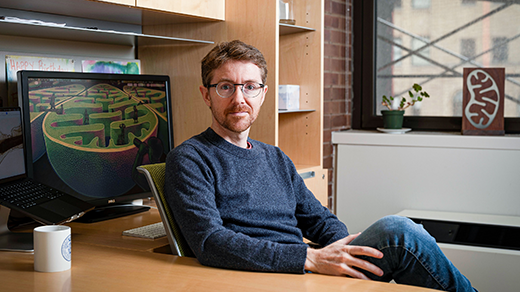
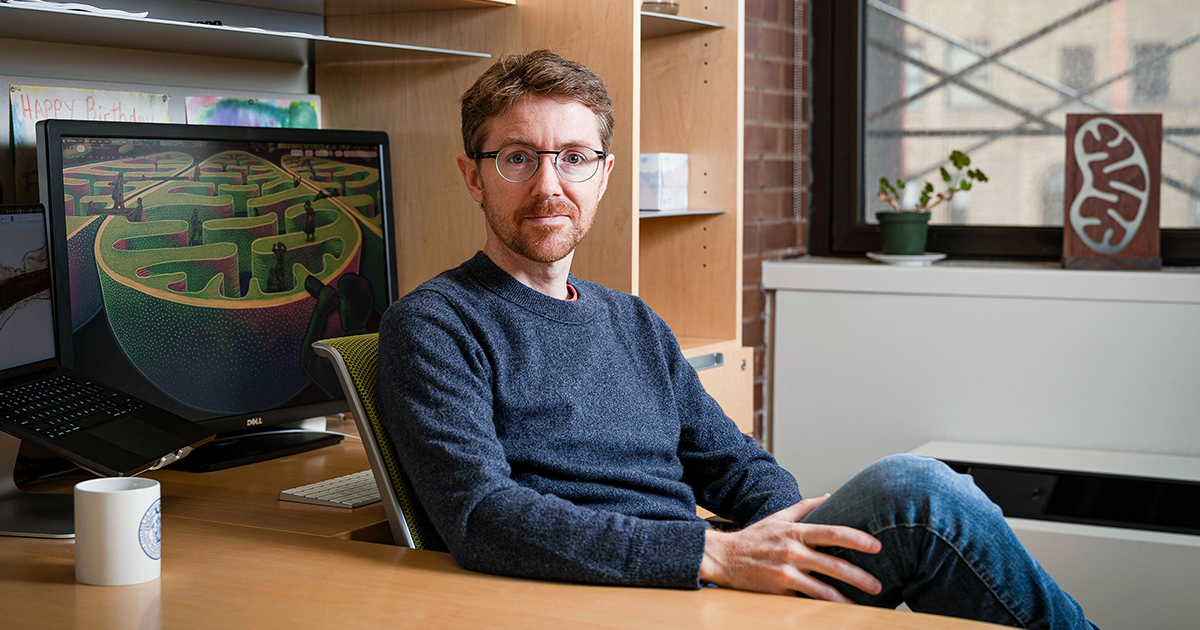
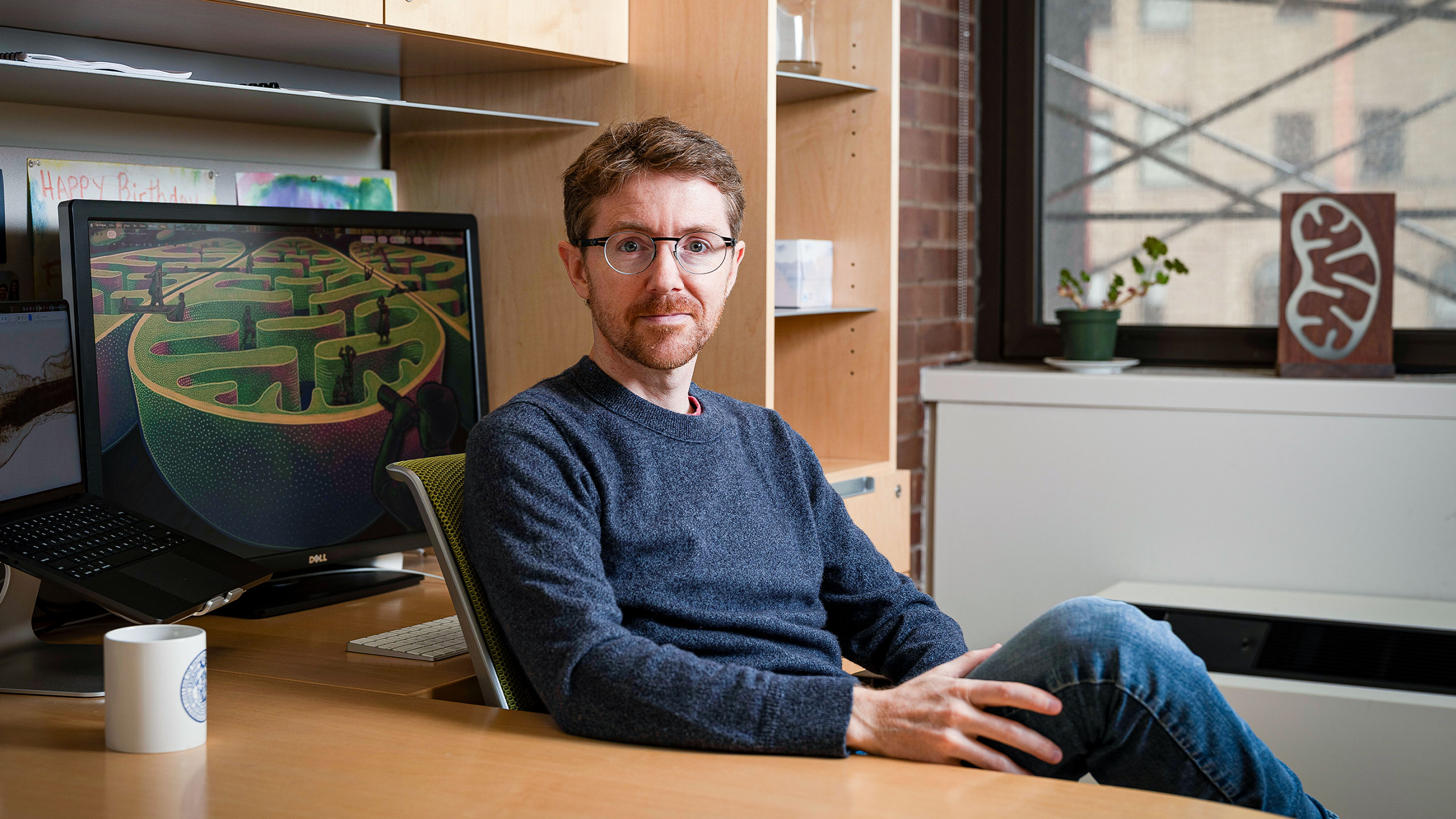
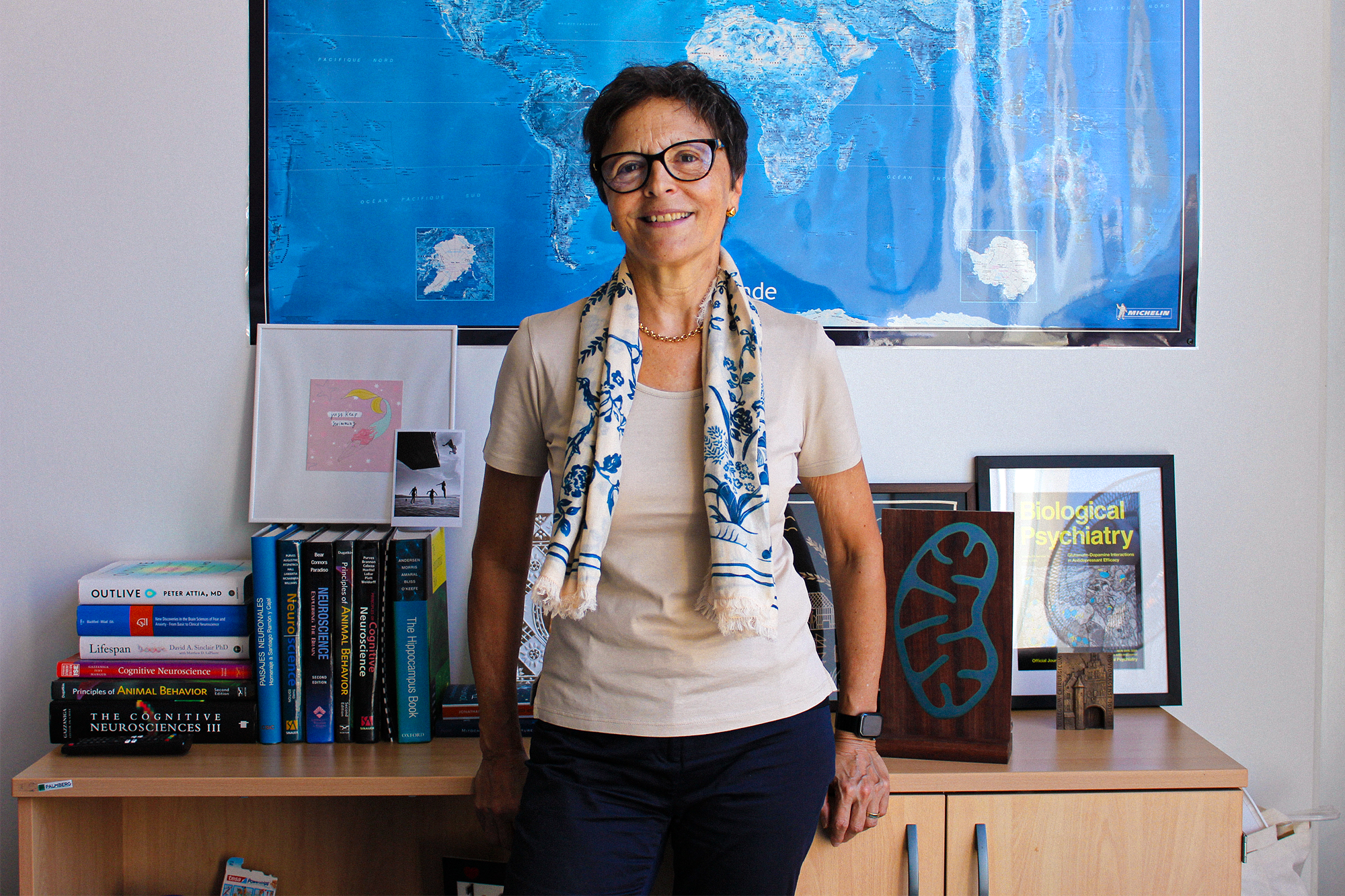
Dr. Martin Picard, director of the Mitochondrial Psychobiology Lab at Columbia University Irving Medical Center, is spearheading a paradigm shift in our understanding of life, health, and consciousness. His ambitious "energetic view of life" proposes that the body’s most enigmatic organelles, mitochondria, serve as the critical link between cellular function, overall well-being, and the very essence of our mental and emotional states. This perspective posits that the intricate dance of energy flow within these microscopic powerhouses forms the bedrock of our lived experience.
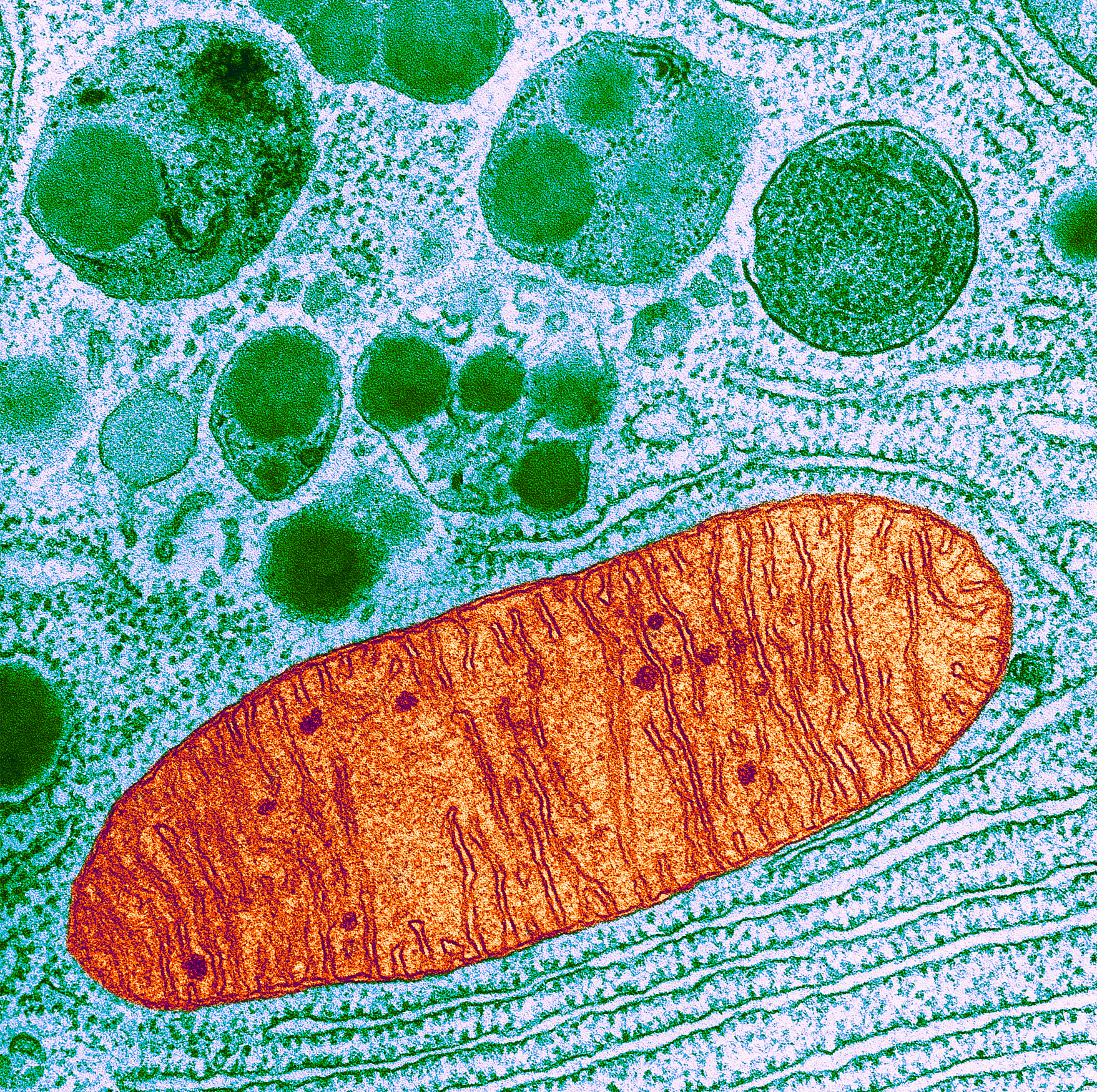
Picard’s groundbreaking research places mitochondria, often relegated to the simplistic label of "powerhouses of the cell," at the forefront of a complex biological narrative. While it is true that mitochondria generate adenosine triphosphate (ATP), the universal energy currency of life, through the breakdown of glucose and fats, their role extends far beyond mere energy production. Recent scientific endeavors have unveiled mitochondria’s profound involvement in processing a wide array of molecules, including neurotransmitters and hormones. This intricate interaction directly influences our subjective experiences of mood, stress responses, sleep cycles, and even sexual arousal, positioning mitochondria as a central nexus for consciousness itself.
The Genesis of an Idea: From Observation to Hypothesis
Picard’s intellectual journey began not in a sterile laboratory, but in the formative years of his childhood in a French-speaking town outside Montreal. His mother, a nurse who managed her own home care service, would often bring young Martin along on her visits to patients. Witnessing firsthand the starkly different trajectories of recovery – some individuals languishing in chronic illness while others miraculously rebounded from severe ailments – ignited a deep-seated curiosity. This early exposure to the variability in human health and resilience sowed the seeds for his later exploration into the fundamental drivers of well-being.
This fascination propelled him to McGill University, where he pursued studies in physiology and neuroimmunology. During this academic period, a central question began to crystallize: how do the complex molecular, cellular, and systemic processes within the body translate into our subjective feelings, observable behaviors, and our capacity to thrive? Finding his formal coursework insufficient to address these profound inquiries, Picard began an independent exploration into holistic health practices. While he maintained a critical perspective on some of the teachings, this self-directed learning underscored the importance of a whole-person approach to wellness and the inherent individuality of disease. Crucially, it taught him the invaluable skill of "connecting with another human being," a principle that would later inform his research methodology.
Mitochondria: More Than Just Powerhouses
Picard’s formal scientific training continued to draw him back to the mitochondria. He learned that beyond their role in energy transformation, these organelles are prolific producers of chemical signals that orchestrate our internal landscape. Mitochondria are integral to the synthesis of vital neurotransmitters like glutamate and acetylcholine, which govern neural and muscular function. The initial stages of all steroid hormone production, including cortisol, estrogen, testosterone, and progesterone, occur within these organelles, rendering them critical regulators of sleep, reproduction, and stress. Furthermore, mitochondria actively participate in cellular signaling by buffering and releasing calcium ions, essential for processes ranging from muscle contraction to gene transcription. They also manage reactive oxygen species, which play roles in immune activation and cell growth. Their involvement extends to detecting and responding to stress, and even initiating programmed cell death (apoptosis) when cellular damage is deemed irreparable.
The ever-expanding list of functions attributed to mitochondria – encompassing immune activity, reproduction, metabolism, cancer regulation, gut health, and aging – provides a compelling explanation for how mitochondrial dysfunction can contribute to a wide spectrum of diseases and disorders. This realization has spurred a significant paradigm shift within the research community. "This is probably one of the most exciting times to be studying mitochondria ever," commented A. Phillip West, an immunologist at the Jackson Laboratory who studies how these organelles influence immune responses. "We’ve got a lot to learn, but I think we’re really entering an amazing period."
Intriguingly, mitochondria also generate the small molecules that cells utilize to modulate gene expression, enabling growth, development, and adaptation to environmental cues. This positions them as "the portal between the inert genome and the dynamic environment," according to Picard. By the conclusion of his graduate studies, he harbored a strong suspicion that mitochondria held the keys to answering his most profound questions about life. This intuition led him to pursue postdoctoral research under the mentorship of Douglas Wallace at the University of Pennsylvania, a pioneer in the field of mitochondrial genetics.
The Energetic View of Life: A New Framework
Picard’s overarching hypothesis, which he terms the "energetic view of life," posits the existence of distinct energetic states associated with health and disease, with mitochondria acting as the primary arbiters of these states. From this perspective, the fundamental flow of electrons from food to oxygen within cellular metabolism, orchestrated by mitochondria, represents the most basic substrate of the experience of being alive. "If the energy stops flowing, there’s no more you," Picard asserts. While the genome provides the blueprint for life, it is the unimpeded energy flow that enables the regulation and production of life-sustaining processes. Disruptions to this flow, he contends, lead to the cessation of consciousness, emotion, and life itself.
Picard’s revolutionary ideas, bridging mitochondrial biology, energy dynamics, health, and consciousness, are gaining traction, though they have yet to coalesce into a formally defined scientific discipline. He is actively working to establish this new field, and many researchers are embracing his vision. Jon Brestoff, an immunologist at Washington University in St. Louis, notes that while the importance of genes and proteins is undeniable, "mitochondria and the metabolic pathways they control are more important than we give them credit for, and may actually have a more important instantaneous effect on the brain." He further emphasizes that the notion of mitochondria influencing brain activity "really isn’t far-fetched at all," and that "Martin just brings a fresh perspective on it."
Charting the Course: From Early Experiments to a Mitochondrial Map
Picard’s research trajectory has been marked by a series of innovative studies aimed at unraveling the intricate connections between mitochondria, energy metabolism, mood, and health. This work is building towards his central thesis: that mitochondria represent a previously underappreciated dimension of medicine, crucial for understanding individual variations in health and resilience. He posits that the human body operates within a finite "energy budget," and that competing demands—whether from illness, injury, or chronic stress—can manifest not only as physical ailments but also as negative conscious experiences such as anxiety, cognitive fog, and profound exhaustion. Conversely, good health and positive mental states often correlate with robust energy levels. "People experience something good and then subjectively feel there’s more energy," Picard observes.
He now prefers to conceptualize mitochondria as "orchestrators of cell function." He draws an analogy to electrical circuits, where resistors shape and regulate the flow of current. Similarly, mitochondria maintain the body’s energy flow within a narrow, optimal range—"not too little, not too much"—conducive to a healthy state. Far from being passive conduits, Picard suggests, these organelles function as "pattern-generating units in the circuit," transforming raw energy into meaningful signals. He hypothesizes that variations in these patterns could explain predispositions to specific mental states, chronic diseases, and differing levels of resilience. A. Phillip West describes Picard’s hypothesis as "very exciting," noting that he "is trying to widen the lens and help us all to understand overarching principles of energy flow." This approach challenges deeply entrenched medical and biological assumptions that genes and proteins are the primary determinants of health and disease, inviting contemplation on whether mitochondrial energy transformation is, in fact, central to the human experience.

A Landmark Symposium and Pioneering Technologies
In December 2025, Picard convened a daylong symposium at Columbia University, bringing together a diverse group of scientists, students, entrepreneurs, investors, and patients. The event, titled the Mitochondria Psychobiology, Stress, and Health Symposium, aimed to foster discussion on the latest advancements in the rapidly evolving field of mitochondrial research. The symposium’s focus on stress was particularly fitting, given Picard’s long-standing fascination with its energetic costs.
His early research, including a 2015 study published in PNAS, demonstrated how mitochondrial defects in mice led to differential responses to stress. By intentionally stressing mice with restricted movement, Picard observed that animals with normal mitochondria exhibited distinct physiological reactions compared to those with diseased or defective mitochondria, highlighting the influence of mitochondrial health on stress perception and response. Another study from the same period revealed that perturbing mitochondria could alter host cell gene expression and growth, even without affecting their energy-transforming capacity, reinforcing the idea that mitochondria serve as a dynamic interface between the organism and its environment.
The advent of new technologies has significantly expanded the scope of mitochondrial research. "Mitotyping" technologies, for instance, enable scientists to classify mitochondria based on their function, DNA sequence, and gene expression. In 2018, Picard and his colleagues introduced the "mitochondrial health index," a molecular metric quantifying mitochondria’s energy transformation capacity. This tool allows for the precise measurement of mitochondrial activity across thousands of samples, a dramatic increase from previous capabilities.

Carmen Sandi, a behavioral and systems neuroscientist at the Swiss Federal Institute of Technology Lausanne, notes the recent explosion of research in this area, even mentioning that some findings have revealed the surprising differentiation of mitochondria. Subpopulations of mitochondria can vary across organs, regions of organs, and even cell types, each contributing different amounts of energy or performing distinct biochemical functions. This has led to a surge of research linking mitochondrial biology to a wide range of conditions, from memory formation and depression to Alzheimer’s and heart disease, bolstering the legitimacy of mitochondria as a subject of broad scientific inquiry. "People literally laughed at me seven years ago, and now people are asking for help," commented Brestoff regarding the growing interest in his mitochondrial research. "They are much more open-minded."
Unveiling the Brain’s Energetic Landscape
Sandi’s laboratory has been at the forefront of studies explicitly demonstrating the link between mitochondria and mental states, and importantly, the potential for therapeutic intervention. In 2021, her research showed that rats exhibiting anxious or depressed behaviors had malfunctioning mitochondria in their brain cells. When mitochondrial output was experimentally enhanced, neuronal function improved, and the animals displayed reduced signs of anxiety. A subsequent study further indicated that a commercially available supplement could achieve similar positive outcomes. "It restored everything," Sandi stated.
Picard himself has made significant contributions to understanding the relationship between mitochondria and brain function. In 2025, he co-authored a comprehensive mitochondrial map of the human brain, revealing not only variations across different brain regions but also among distinct cell types within the organ. This map serves as an invitation for further research into the "molecular energetic landscape" that underpins brain structure, processes, and ultimately, consciousness, aiming to establish a new field of study. He articulates this vision as understanding brain function as shaped not only by molecules, neurons, and circuits, but also by the patterns of energy transformation. He posits that our cognition, mood, and conscious experiences reflect these deeper energetic processes, extending down to the subcellular level. He even suggests that mitochondria might be the elusive missing piece in the mind-body puzzle, acting as "microscopic alchemists that coax thought out of matter, responsible for nothing less than ‘the materialization of consciousness into life.’"
The Metabolic Chamber Study: Bridging Biology and Subjective Experience
While Picard’s more ambitious claims about consciousness remain a subject of scientific debate, his research is grounded in rigorous experimental inquiry. José Antonio Enríquez, a molecular biologist at the Spanish National Center for Cardiovascular Research, has cautioned that while Picard’s ideas are "interesting," they are "by no means" definitively proven and "really have to be evaluated thoughtfully and scientifically." Picard acknowledges this perspective, describing himself as "a little heretical for wanting to bridge the bioenergetic processes inside mitochondria to the human experience." However, he firmly believes that "if we don’t do that, we’re failing at the biggest opportunity around."
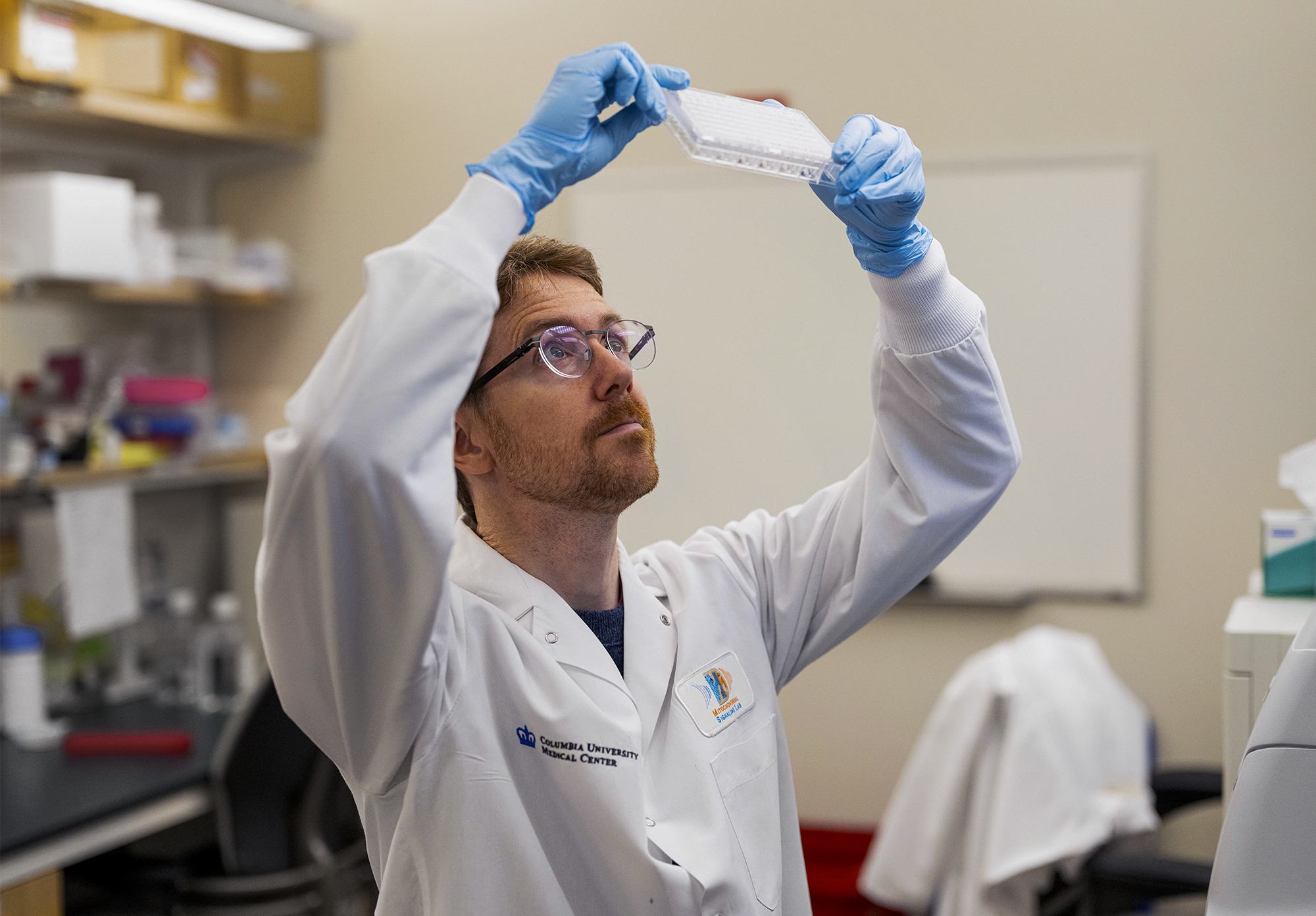
The metabolic chamber study, currently under peer review, represents a significant step in this direction by directly investigating how mitochondria influence subjective experience. Initial results, presented by Evan Shaulson, a graduate student in Picard’s lab, at the 2025 symposium, revealed that participants with rare mitochondrial diseases exhibited a significantly higher daily energy expenditure—approximately 180 extra calories per day, or 15% more energy, even during sleep. These individuals also reported experiencing greater fatigue and stress, with blood biomarkers showing elevated levels of lactate, indicative of faulty mitochondrial performance and correlating with anxiety.
In the subsequent phase of the study, participants’ energy expenditure was tracked over nine days of "free living" in their normal environments. While the metabolic chamber imposed strict caloric restrictions, the real-world data showed a near-closure of the caloric gap between the two groups. This occurred because healthy individuals in their natural environment expended 16% more energy than they had in the controlled chamber setting, whereas those with mitochondrial disease increased their expenditure by only 5%. Shaulson explained that the chamber’s restrictions represented "a more typical day" for individuals with mitochondrial disease, who naturally reduce their activity levels due to lower energy reserves.
These preliminary findings, though based on a small sample size, suggest the profound way mitochondrial processes can "ripple out and affect the organism." Shaulson highlighted the potential for this research to lead to new understandings and treatments for mitochondrial diseases, while also illuminating the fundamental mechanisms by which mitochondria maintain overall health. Herman Pontzer, an evolutionary anthropologist specializing in human bioenergetics, commented that the chamber study sheds light on "control systems in our bodies regulating the calories we burn each day—systems we have yet to fully understand." He added, "Picard and his team have helped open the door on these systems and set the stage for future work in metabolism and health."
The next phase of this research, led by Shaulson, will involve a larger study of approximately 100 participants, monitored over six months using wearable devices, mobile applications, saliva samples, and self-reported experiences. This comprehensive approach aims to "offer a lens and a bridge between behavior, biology, and the mind," according to Shaulson.
The Future of Healing Science
Picard is actively establishing a new nonprofit organization, slated for launch in 2027 with philanthropic support, to translate laboratory discoveries into practical applications. He envisions this institute as a hub for integrating insights from mitochondria, metabolism, and energy dynamics with the human experience, thereby forging a new field of healing science dedicated to "supporting human flourishing." While some of Picard’s broader hypotheses may initially strike certain academic researchers as unconventional, Shaulson notes that the compelling data often overcomes skepticism, validating the innovative approach. Picard himself acknowledges that some of the lab’s hypotheses might initially sound "woo," but draws a parallel to historical scientific advancements that were once considered fringe until rigorous investigation brought them into the realm of established understanding. "There’s a lot of things that used to be considered ‘woo’ until we understood them," he remarked.