Historic Victory Secured: Pride Flag to Be Permanently Restored at Stonewall National Monument Following Legal Settlement with Trump Administration

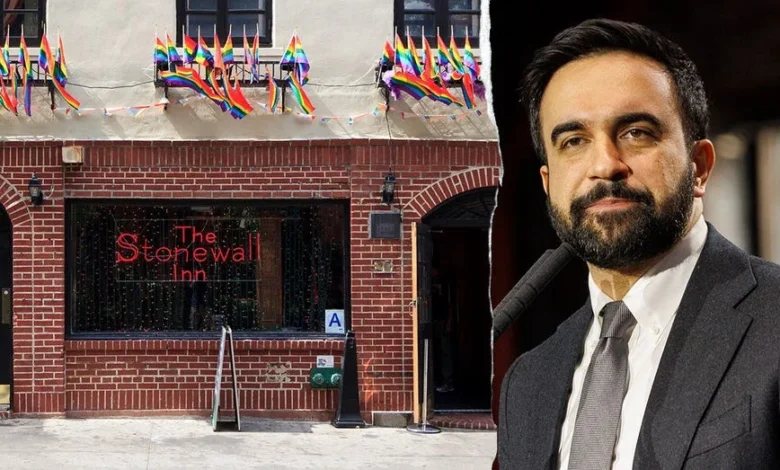
A pivotal two-month legal contest concerning an emblematic symbol of the LGBTQ+ movement has culminated in a landmark settlement, affirming the restoration of the Pride flag to its rightful place at the Stonewall National Monument. This resolution, which saw a federal judge approve an agreement for the flag’s immediate and sustained display, has been lauded by New York City’s Mayor as a profound "victory" for the LGBTQ+ community and the city at large. The Trump administration, previously responsible for the flag’s removal, has consented to reinstate the Pride flag on the monument’s federal flagpole within seven days, committing to its ongoing presence save for essential maintenance or other practical necessities.
The Heart of the Dispute: A Symbol Under Scrutiny
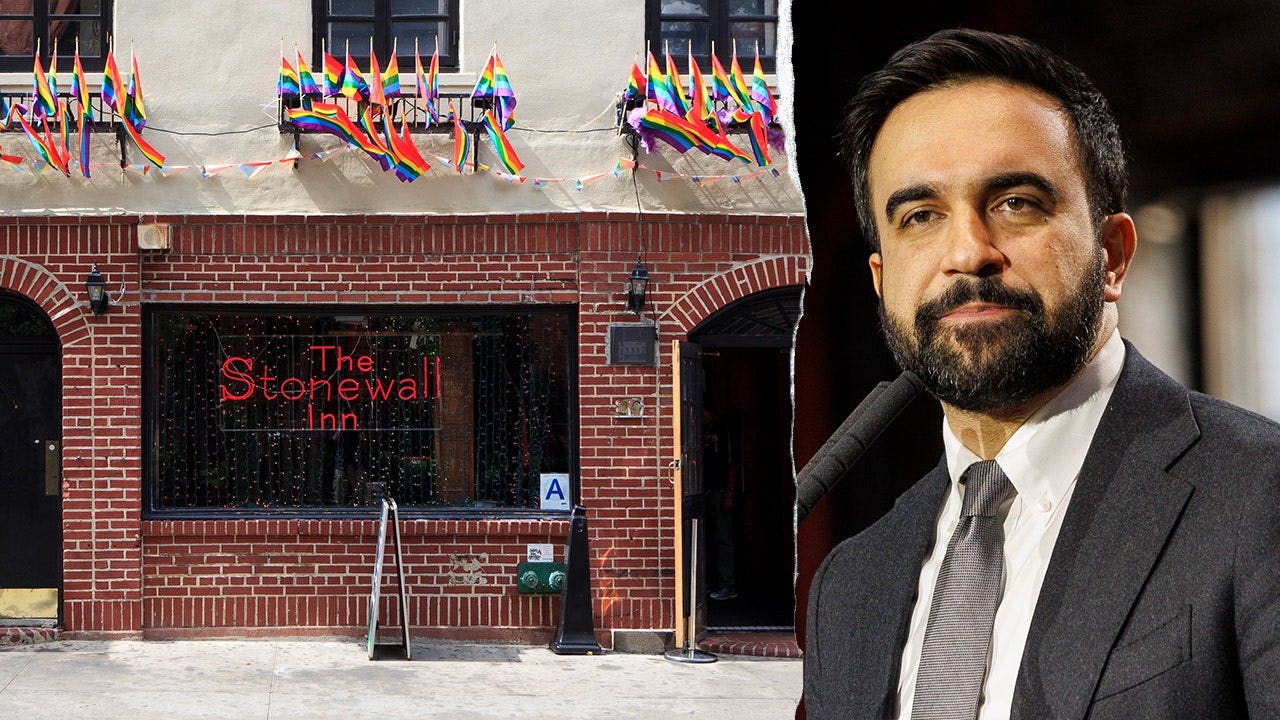
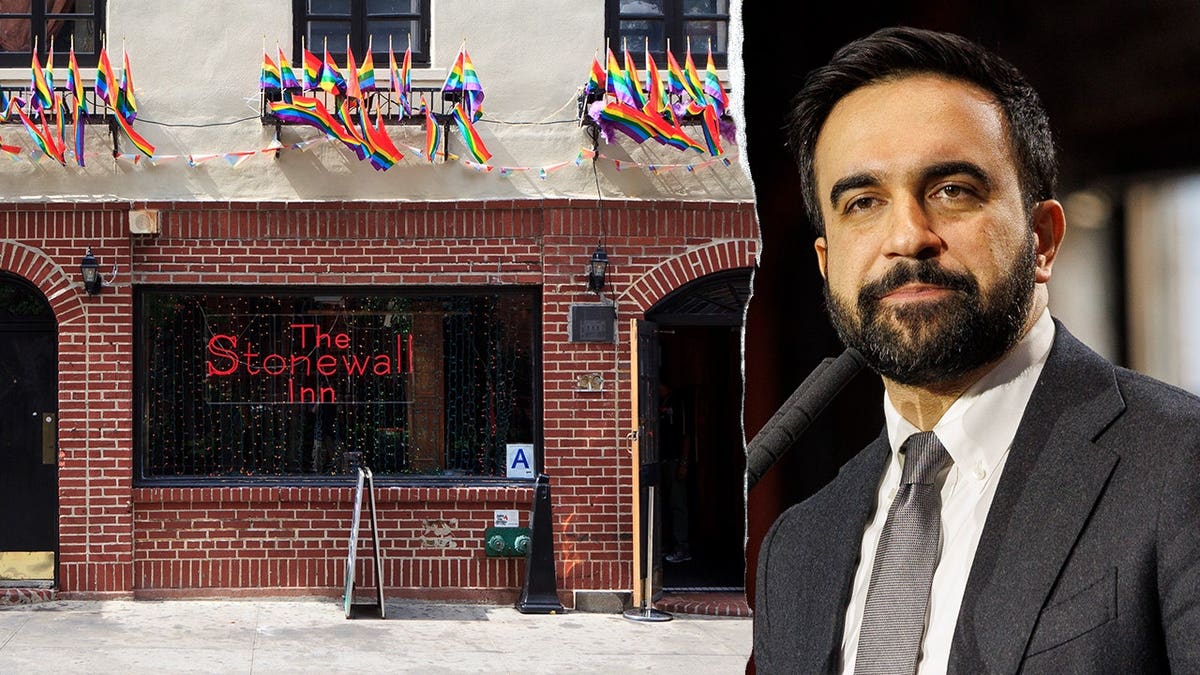
The Stonewall National Monument, designated by President Barack Obama in 2016, holds immense historical weight. It safeguards the Stonewall Inn and Christopher Park in New York City’s Greenwich Village, commemorating the site of the 1969 Stonewall Riots—a watershed moment widely recognized as the catalyst for the modern LGBTQ+ rights movement in the United States and globally. Its establishment marked a historic first, becoming the nation’s premier national monument dedicated explicitly to LGBTQ+ history and heritage. The Pride flag, a vibrant emblem of diversity, inclusion, and the ongoing struggle for equality, has long flown prominently at this site, representing the enduring spirit of those who fought for visibility and rights.
The controversy ignited in February when the Pride flag was removed from the federal flagpole at the monument. This action was not an isolated incident but rather part of a broader directive issued by the Trump administration to the National Park Service (NPS), aiming to curtail diversity-related programs and symbols across national parks. This directive, interpreted by many as a push to eliminate "bias-driven DEI" (Diversity, Equity, and Inclusion) and "gender ideological extremism" merchandise and displays from park gift shops and public spaces, quickly escalated into a significant political and cultural flashpoint. The removal at Stonewall, a site intrinsically linked to the fight for LGBTQ+ rights, was seen by many as a direct challenge to the recognition and celebration of this history.
Chronology of a Cultural Confrontation
The timeline of the dispute unfolds against a backdrop of increasing national polarization over cultural symbols and historical narratives:
- June 2016: President Barack Obama designates the Stonewall Inn and Christopher Park as the Stonewall National Monument, enshrining its significance in American history.
- Late 2023 / Early 2024: The Trump administration reportedly issues directives to the National Park Service, signaling a policy shift towards removing items and displays perceived as promoting diversity, equity, and inclusion, or "gender ideological extremism." This included instructions for NPS units to purge gift stores of such merchandise.
- February [Year Not Specified in Original, but inferred as current year]: The Pride flag is removed from the federal flagpole at the Stonewall National Monument, sparking immediate outrage and widespread protests from Democratic leaders, LGBTQ+ activists, and civil rights organizations. New York City Mayor Zohran Mamdani publicly expresses his "outrage," calling on the country to uphold the legacy of the Stonewall Inn.
- February [Same Year]: A Department of Interior spokesperson responds to criticisms, dismissing concerns as "theatrics" and suggesting city leaders focus on local issues like power outages, homelessness, and trash buildup, rather than the flag dispute.
- Shortly after removal: The Washington Litigation Group (WLG) initiates legal proceedings against the Trump administration, challenging the legality and appropriateness of the flag’s removal.
- [Recent Monday]: A settlement is reached between the Trump administration and the plaintiffs, mandating the restoration of the Pride flag to the Stonewall National Monument’s federal flagpole within seven days and its permanent maintenance thereafter.
- [Recent Monday]: A federal judge officially approves the agreement, bringing an end to the legal battle.
- [Recent Monday]: Mayor Zohran Mamdani, Senate Minority Leader Chuck Schumer, and various advocacy groups celebrate the decision as a significant victory.
The Legal and Political Landscape
The legal challenge mounted by the Washington Litigation Group (WLG) argued that the Pride flag’s display at Stonewall was not only appropriate but also legally sound under existing National Park Service policy. Alexander Kristofcak, lead counsel for WLG, emphasized this point in a press release announcing the agreement: "The government has acknowledged what we argued from day one: the Pride flag belongs at Stonewall. The flag will be restored and it will fly officially and permanently. And we will remain vigilant to ensure that the government sticks to the deal." This statement underscores the WLG’s commitment to ensuring the spirit of the settlement is upheld, highlighting the principle that historical representation, particularly at a site like Stonewall, is a matter of legal and public importance.
The Trump administration’s move to remove the flag was part of a broader pattern of actions that sought to redefine the scope of national park narratives. For instance, in a separate but related incident, a judge dealt a blow to the administration by ordering a slavery exhibit restored at an iconic Philadelphia landmark, signaling judicial resistance to attempts to alter historical interpretations at national sites. These instances collectively suggest a deliberate effort to shift federal policy regarding cultural and historical displays, often interpreted as an attempt to downplay or remove references to diverse social histories.
Resounding Reactions from Stakeholders
The news of the settlement was met with widespread jubilation and strong statements from various parties. New York City Mayor Zohran Mamdani, who had previously expressed strong disapproval of the flag’s removal, reiterated his stance on X (formerly Twitter): "This is a victory for the LGBTQ+ community and for our entire city. It’s a reminder that New Yorkers won’t let our history be rewritten." He further affirmed his administration’s dedication: "Our administration will keep working to ensure LGBTQ+ New Yorkers can live safely and with dignity in our city." The Mayor’s office was contacted for additional comment, reflecting the ongoing public interest in the matter.
Senate Minority Leader Chuck Schumer (D-N.Y.) also weighed in, celebrating the outcome on X, stating, "the administration was forced to settle and heed our demands that the pride flag at Stonewall National Monument will always fly freely and proudly." Schumer had been a vocal proponent of congressionally authorizing the Pride flag’s presence at Stonewall, emphasizing the symbolic importance of the flag at this particular site.
Andrew Berman, Executive Director of Village Preservation, a local advocacy group deeply invested in the historical integrity of Greenwich Village, powerfully articulated the broader significance of the settlement: "The removal of the Pride flag from Stonewall was an attempt to erase LGBTQ+ history and undermine the rule of law. This settlement restores both." His comments highlight the dual victory: not only the physical restoration of the flag but also the reaffirmation of LGBTQ+ history and the legal principles safeguarding such historical representation.
Conversely, the Department of Interior spokesperson’s earlier comments reflected a different perspective, framing the city’s focus on the flag as "theatrics" while pointing to other urban challenges. This perspective underscored a disconnect between federal and local priorities, with the administration suggesting that city officials should address issues like power outages, homelessness, and sanitation rather than engaging in cultural disputes. "Hundreds of families in New York City went without power during this year’s severe cold weather, people are being found dead on the streets, and trash has piled up so high it towers over city residents. This is Mayor Mamdani and city officials’ New York City," the spokesperson had said. "It would be a better use of their time to get the trash buildup off city streets, ensure there are no more avoidable deaths, and work to keep the power on for the people of New York City." This response highlights the political tension surrounding the flag, where different parties prioritize different aspects of public service and governance.
Broader Implications and Precedents
This settlement carries significant implications beyond the immediate context of Stonewall. It sets a crucial precedent for the display of cultural and identity-related flags at national monuments and federal properties. The agreement, which explicitly states the Pride flag "falls within the law and NPS policy," could serve as a legal benchmark for future disputes concerning symbolic representation at sites managed by the National Park Service. It reinforces the idea that national monuments, especially those dedicated to specific social histories, should reflect the narratives and symbols pertinent to their designation.
The case also underscores the power of legal advocacy and public pressure in challenging federal directives that are perceived as discriminatory or revisionist. The swift legal action by WLG, coupled with vocal protests and political condemnations, demonstrates how collective action can safeguard historical memory and uphold principles of diversity and inclusion.
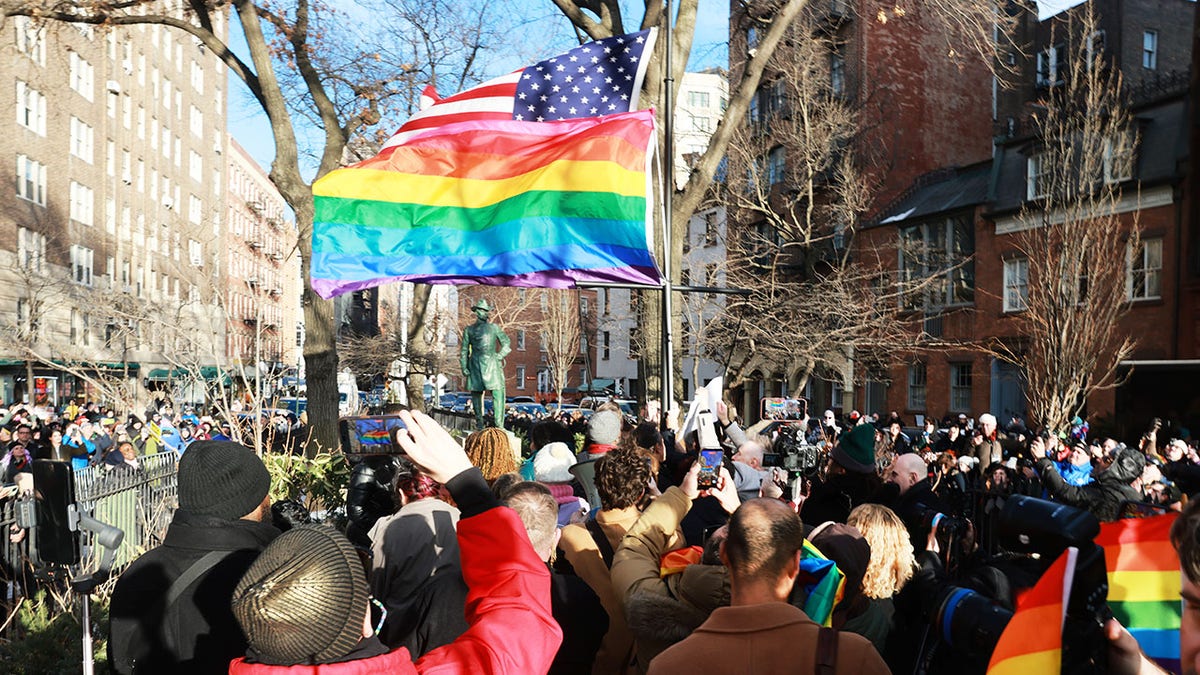
For the LGBTQ+ community, the restoration of the Pride flag at Stonewall is more than a symbolic gesture; it is a reaffirmation of their place in American history and society. The Stonewall Riots were not just a local event but a national and international turning point, and the monument serves as a living testament to the resilience and progress of the LGBTQ+ rights movement. The flag’s permanent display ensures that this history, with all its struggles and triumphs, remains visible and honored for generations to come.
Furthermore, this resolution occurs in a broader national climate where LGBTQ+ rights and identities are frequently debated and challenged. From legislative efforts affecting transgender individuals to discussions around gender ideology in schools and public spaces, the cultural landscape remains complex. In this context, the outcome at Stonewall serves as a powerful reminder of the importance of recognizing and protecting the rights and histories of marginalized communities.
The National Park Service, as custodian of America’s natural and historical treasures, is tasked with representing the diverse tapestry of the nation. The settlement regarding the Pride flag at Stonewall reinforces the idea that this mandate includes acknowledging and celebrating the full spectrum of American experiences, including those of the LGBTQ+ community. This decision could influence how other national parks approach diversity-related programming and displays, ensuring a more inclusive representation of American history and culture.
While the immediate battle has been won, the underlying tensions regarding cultural representation and federal policy remain. Advocacy groups like WLG and Village Preservation have indicated their commitment to continued vigilance, ensuring that the terms of the settlement are adhered to and that similar challenges do not arise in the future. The fight for full equality and recognition is ongoing, and the Stonewall National Monument, with its proudly flying Pride flag, will continue to stand as a beacon of that enduring struggle and hope.
Ashley J. DiMella is a lifestyle reporter with Fox News Digital. Andrew Mark Miller contributed to this report.