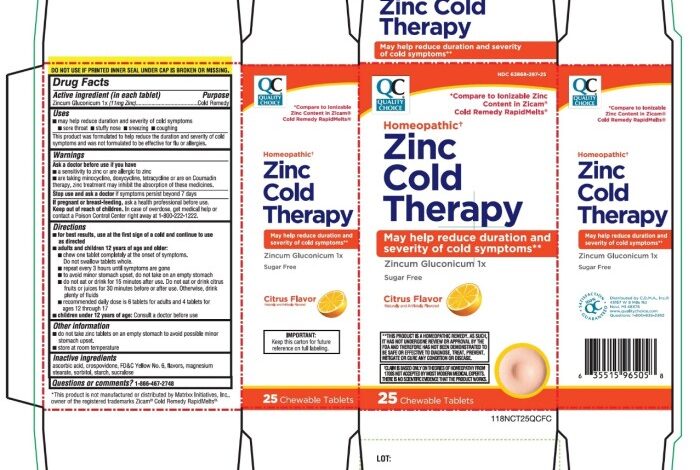
Zinc for colds supplement is a popular remedy, but understanding its true effectiveness and potential risks is crucial. This guide delves into the science behind zinc’s role in the immune system, exploring the potential benefits for treating colds, and analyzing the research surrounding its use. We’ll cover dosage, safety, different supplement types, potential interactions with other remedies, and considerations for various age groups.
Finally, we’ll weigh zinc against alternative cold treatments and address its preventive role, offering a balanced perspective on this often-discussed topic.
Zinc plays a vital role in supporting the immune system. Its purported ability to fight off cold symptoms has led to widespread interest in zinc supplements. This comprehensive overview examines the scientific evidence behind this claim, evaluating the strengths and weaknesses of various studies. We’ll also explore the potential benefits and risks, including interactions with other medications and supplements.
Ultimately, the goal is to equip readers with the knowledge to make informed decisions about using zinc supplements for colds.
Zinc Supplement for Colds
Zinc, a crucial trace mineral, plays a vital role in numerous bodily functions, including immune system support. It’s involved in the production of white blood cells, which are essential for fighting off infections. Many believe zinc supplements can help shorten the duration and severity of common colds, but the evidence is mixed and requires further investigation.Zinc’s impact on the human immune system extends beyond its role in white blood cell production.
It’s involved in various cellular processes that are essential for immune function, including the activity of immune cells and the production of cytokines, signaling molecules that regulate the immune response. While zinc is a necessary nutrient, it’s important to consult with a healthcare professional before taking any supplements, especially in large doses.
Zinc’s Role in the Immune System
Zinc is a critical component of numerous immune-related processes. It supports the production and activity of immune cells, particularly lymphocytes, which are crucial for combating infections. Zinc also plays a key role in the production of cytokines, signaling molecules that orchestrate the immune response, influencing the body’s inflammatory response and overall defense against pathogens. Its presence is vital for the function of many enzymes involved in immune processes.
Purported Benefits of Zinc Supplements for Colds
Supplements containing zinc are often touted for their potential to reduce the duration and severity of the common cold. The idea is that zinc can help inhibit the replication of viruses, thus potentially lessening the duration of the illness. However, the evidence supporting this claim is not always conclusive, and more research is needed. Some studies suggest that zinc may be effective when taken early in the course of a cold, but the effectiveness and appropriate dosage require further investigation.
Mechanisms of Zinc’s Potential Effect on Cold Symptoms
Zinc may exert its potential cold-fighting effects through several mechanisms. One hypothesis suggests that zinc inhibits viral replication by interfering with viral protein synthesis. Another potential mechanism involves zinc’s role in immune cell function, enhancing the body’s ability to fight off the infection. The exact mechanisms remain complex and are still being studied.
Zinc and the Common Cold: A Summary Table
| Nutrient | Role in Immune System | Potential Cold-Fighting Mechanism |
|---|---|---|
| Zinc | Essential for the production and activity of immune cells, particularly lymphocytes. Crucial in cytokine production, influencing the body’s inflammatory response. Vital for many enzyme functions in immune processes. | Possible inhibition of viral replication, potentially by interfering with viral protein synthesis. May also enhance immune cell function, enabling the body to combat the infection more effectively. |
Scientific Evidence and Studies
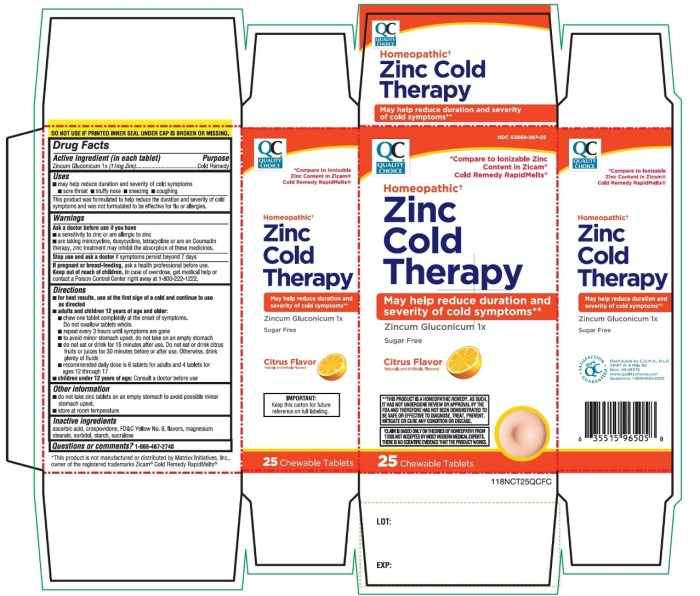
Zinc supplementation has been a popular remedy for the common cold, but the scientific evidence supporting its effectiveness is complex and often debated. Numerous studies have investigated the relationship between zinc and cold duration, severity, and symptoms, yet the results are not always consistent. This section delves into the specifics of these studies, examining their methodologies and limitations, to provide a clearer understanding of the current scientific consensus.Understanding the nuances of zinc’s role in combating the common cold requires a critical analysis of the research.
The studies, while contributing to the overall body of knowledge, have presented varied outcomes, highlighting the need for careful consideration of individual study designs and their limitations.
Key Research Findings on Zinc and Colds
The efficacy of zinc lozenges or supplements in reducing cold duration has been a central focus of numerous studies. These studies generally investigate how different zinc formulations and dosages impact the length and severity of cold symptoms. The results, while not always conclusive, offer valuable insights into the potential role of zinc in the cold treatment process.
Methodologies and Limitations of Studies
Various methodologies have been employed in these studies, each with inherent strengths and weaknesses. Some studies focused on controlled trials with specific dosage regimens, while others investigated the effectiveness of zinc lozenges. Important factors, like the timing of zinc intake relative to cold onset, have also influenced study outcomes. The duration of the study period and the specific cold viruses involved have also varied considerably across different studies, affecting the comparability of results.
Furthermore, the assessment of cold symptoms can be subjective, with variations in the reported symptoms potentially influencing the outcome. A study’s limitations should always be considered when interpreting its results.
Comparison of Findings from Different Studies
The findings from different studies on zinc and colds present a mixed picture. Some studies suggest a potential reduction in cold duration when zinc is taken early in the illness. However, other studies have failed to demonstrate any significant effect. These discrepancies could be attributed to variations in study design, participant characteristics, and the specific strains of rhinoviruses involved.
For example, studies utilizing different zinc formulations or varying the timing of supplementation have produced contrasting outcomes. Comparing studies with a similar design can provide more reliable conclusions.
Variables Studied in Relation to Zinc and Cold Symptoms
Various factors were studied in relation to zinc and cold symptoms. These factors include the type of zinc supplement (e.g., lozenges, tablets), the dosage of zinc, the timing of zinc intake relative to cold onset, the duration of the study period, and the specific cold virus involved. These variables directly impact the outcomes of the studies, highlighting the importance of meticulous study design.
Table Comparing and Contrasting Study Designs and Outcomes
| Study Design | Zinc Formulation | Dosage | Timing of Intake | Outcome | Limitations |
|---|---|---|---|---|---|
| Double-blind, placebo-controlled trial | Zinc lozenges | High dose | Early in cold | Reduced cold duration in some cases | Small sample size, variability in cold severity |
| Open-label study | Zinc tablets | Low dose | Throughout cold | No significant effect on cold duration | Lack of blinding, potential for bias |
| Meta-analysis | Various | Variable | Variable | Mixed results, potential for heterogeneity | Difficult to account for differences in study designs and participant characteristics |
Dosage and Safety Considerations
Zinc supplements, while potentially beneficial for managing cold symptoms, require careful consideration regarding dosage and safety. Misuse can lead to adverse effects. Understanding the recommended amounts, potential risks, and interactions with other medications is crucial for responsible supplementation.Careful adherence to recommended dosages and precautions is essential to maximizing the potential benefits of zinc while minimizing potential risks. This section details the key aspects to consider when taking zinc for colds.
Recommended Dosages for Treating Colds
Zinc supplements are available in various forms and dosages. The recommended dosage for treating cold symptoms typically ranges from 75 to 90 mg per day, though this is not a universally agreed-upon amount. It’s vital to consult with a healthcare professional to determine the most appropriate dosage based on individual needs and health conditions. The dosage is usually not given in one large amount, but rather split into multiple smaller doses throughout the day.
Potential Side Effects and Risks
Taking zinc supplements can potentially lead to a range of side effects, although the severity and likelihood vary significantly. Common side effects may include nausea, vomiting, diarrhea, and stomach upset. In some cases, more severe side effects such as copper deficiency or impaired immune function have been reported, though this is often linked to very high doses or prolonged use.
It’s important to note that individual sensitivities to zinc vary, and some people may experience no side effects while others may experience more significant ones.
Interactions with Other Medications
Zinc supplements can interact with certain medications, particularly those used to treat heart conditions or high blood pressure. Some medications may reduce the absorption of zinc, while others may increase the risk of side effects. Always inform your healthcare provider about all medications and supplements you are taking, including zinc, to avoid potential interactions. This includes prescription medications, over-the-counter drugs, and herbal remedies.
Duration of Zinc Supplementation for Colds
The duration of zinc supplementation for treating cold symptoms is generally recommended to be limited to a few days. Prolonged use can potentially lead to the side effects mentioned earlier, as well as interactions with other medications. It’s best to consult a healthcare professional to determine the appropriate duration of zinc supplementation for your specific case. The duration is not a fixed number; it depends on the severity and progression of the cold.
Dosage Table
| Dosage | Duration | Potential Side Effects |
|---|---|---|
| 75-90 mg per day, split into doses | Typically 3-5 days | Nausea, vomiting, diarrhea, stomach upset, potential copper deficiency with prolonged use |
Different Types of Zinc Supplements
Zinc, a crucial mineral for immune function and numerous bodily processes, is available in various forms. Understanding these different forms, their absorption rates, and potential benefits is key to choosing the right supplement for your needs. Choosing the appropriate type of zinc supplement is important for optimal absorption and efficacy.Different zinc compounds have varying degrees of bioavailability, which impacts how effectively your body can absorb and utilize the zinc.
Factors like the chemical structure and interaction with other nutrients in the supplement can influence absorption. This impacts how much zinc your body actually utilizes.
Zinc Forms and Their Characteristics
Various forms of zinc supplements exist, each with its unique characteristics. These differences affect how your body absorbs and utilizes the zinc.
| Zinc Form | Chemical Formula | Absorption Rate (Approximate) | Potential Benefits | Potential Drawbacks | Recommended Dosage |
|---|---|---|---|---|---|
| Zinc Acetate | Zn(CH3COO)2 | Good | Generally well-absorbed, suitable for supplementation. | May cause digestive upset in some individuals. | 5-50 mg per day, depending on individual needs and medical advice. |
| Zinc Gluconate | Zn(C6H11O7)2 | Moderate | Generally well-tolerated, good option for those sensitive to other forms. | Lower absorption rate compared to acetate. | 25-50 mg per day, depending on individual needs and medical advice. |
| Zinc Sulfate | ZnSO4 | Good | Relatively inexpensive and readily available. | Potential for digestive upset in some individuals. | 5-50 mg per day, depending on individual needs and medical advice. |
| Zinc Picolinate | Zn(C6H5NO2)2 | High | Often touted for high bioavailability, potentially better absorbed than acetate. | Potential for interactions with other medications. More expensive than other forms. | 10-25 mg per day, depending on individual needs and medical advice. |
Absorption Rates and Bioavailability
The absorption rate and bioavailability of zinc supplements vary depending on the chemical form. Zinc acetate and sulfate generally exhibit higher absorption rates compared to zinc gluconate. Zinc picolinate is often cited as having a very high absorption rate.
“Bioavailability refers to the fraction of an administered dose of a drug or other substance that reaches the systemic circulation in an active form.”
This means that a higher bioavailability indicates that a larger portion of the supplement is absorbed into the bloodstream and available for use by the body.
Dosage Considerations
The recommended dosage for zinc supplements depends on several factors, including the specific form of zinc, individual needs, and any underlying health conditions. It is essential to consult with a healthcare professional or registered dietitian before starting any new supplement regimen, especially if you have existing health conditions or are taking other medications. They can help determine the appropriate dosage and ensure it aligns with your overall health and any potential interactions with other medications.
A doctor or dietitian can tailor the dosage to your individual needs.
Potential Benefits and Drawbacks
Each zinc form has its own set of potential benefits and drawbacks. For example, zinc acetate is generally well-absorbed but may cause digestive issues in some individuals. Zinc gluconate is a gentler option, but its absorption rate is lower than that of zinc acetate. Zinc picolinate is often touted for its high bioavailability but may interact with certain medications.
Consulting with a doctor or dietitian is crucial to determine the most suitable form for your needs.
Zinc and Other Cold Remedies
Taking zinc supplements for a cold often sparks questions about combining it with other remedies. Understanding the potential interactions, both positive and negative, is crucial for safe and effective cold management. This section delves into the interplay between zinc and common cold treatments, analyzing their combined effects and highlighting potential risks.Many people turn to a variety of remedies when battling a cold.
While zinc supplements for colds are a popular remedy, it’s worth remembering that the efficacy of these supplements is still debated. Meanwhile, the ongoing political climate, with the recent government shutdown spearheaded by House Republicans, government shutdown house republicans , is distracting from important health discussions. Ultimately, consulting a doctor is always the best approach to determine the right course of action for cold remedies.
This often involves a combination of approaches, and the interplay between these remedies can be significant. A key aspect of this interaction is understanding how different treatments may influence the effectiveness and safety of zinc.
Taking zinc supplements for colds might seem straightforward, but it’s a complex topic. Like the idea of intentionally pushing yourself outside your comfort zone, as explored in the intentional discomfort benefits essay , sometimes embracing a little discomfort—like the sniffles and aches of a cold—might be key to a faster recovery. Ultimately, while zinc supplements can potentially help, consulting a doctor is always the best approach for any health concerns.
Potential Interactions with Other Cold Remedies
The effectiveness of zinc for colds is often discussed in conjunction with other remedies like vitamin C and rest. These complementary treatments can have additive effects or potentially negative interactions, so a comprehensive understanding is necessary.
- Zinc and Vitamin C: Some studies suggest a synergistic effect when zinc and vitamin C are taken together. The combination might enhance the body’s immune response, potentially accelerating recovery. However, the precise mechanism and magnitude of this interaction need further investigation. Furthermore, high doses of vitamin C can cause digestive discomfort in some individuals.
- Zinc and Rest: Rest is a crucial component of cold recovery. Zinc supplementation doesn’t replace the importance of adequate sleep and relaxation. Combined, these two factors can help the body fight infection more effectively, potentially reducing symptoms and shortening the duration of the cold.
- Zinc and Over-the-Counter Medications: Some over-the-counter medications, like decongestants, can interact with zinc. The specific interaction and its impact on the efficacy of zinc require careful monitoring. It’s always best to consult a healthcare professional before combining zinc with other medications.
Comparative Effectiveness of Zinc with Other Treatments
A direct comparison of zinc’s effectiveness against other common cold treatments like vitamin C is challenging due to varying study methodologies and sample sizes. While some studies show promise for zinc’s role in reducing cold duration, definitive conclusions are still emerging. Vitamin C, for example, is another popular remedy, with some studies suggesting it might shorten the duration of the common cold, but the evidence is not always conclusive.
Further research is needed to establish definitive comparisons.
Combined Effects of Zinc and Other Remedies
The combined effects of zinc and other remedies can be complex and multifaceted. The interaction can either enhance or diminish the efficacy of each component. For instance, the combination of zinc and vitamin C might lead to faster recovery, but potential side effects like digestive issues need to be considered. A balanced approach is often best.
| Remedy Combination | Potential Effects | Considerations |
|---|---|---|
| Zinc + Vitamin C | Potentially enhanced immune response, shorter cold duration | Potential for digestive discomfort at high doses of vitamin C |
| Zinc + Rest | Faster recovery, reduced symptom severity | Rest is fundamental for overall health, not replaced by zinc |
| Zinc + Decongestants | Uncertain impact on effectiveness | Possible interactions require professional guidance |
Potential Risks of Combining Zinc with Other Cold Remedies
While many combinations might seem beneficial, potential risks exist. High doses of zinc, particularly when combined with other supplements or medications, can cause adverse effects. Gastrointestinal distress, including nausea and vomiting, is a common concern. It’s crucial to adhere to recommended dosages and consult a healthcare professional before combining different remedies.
Zinc Supplements for Different Age Groups
Zinc supplements can be a valuable tool in supporting the body’s immune response, particularly during cold and flu season. However, the appropriate dosage and precautions vary significantly depending on the individual’s age and overall health. Understanding these nuances is crucial for ensuring safe and effective use.
Dosage Guidelines by Age Group
Different age groups have varying nutritional needs and sensitivities to supplements. Therefore, recommended dosages for zinc supplements will differ. Precise dosages should always be determined in consultation with a healthcare professional, as self-prescribing can lead to potential health risks. Consulting a doctor or registered dietitian is essential to tailor the dosage to individual needs and prevent any potential adverse effects.
Zinc Supplement Usage in Children
Children, particularly young children, require careful consideration when introducing zinc supplements. The developing immune system and digestive system in children can react differently to supplements compared to adults. The dosage for children should be significantly lower than that for adults. Always consult a pediatrician before giving zinc supplements to children.
Zinc Supplement Usage in Adolescents
Adolescents experience rapid growth and development, impacting their nutritional requirements. Zinc plays a crucial role in supporting this growth and development. Dosage recommendations for adolescents will be higher than for young children, but lower than for adults. Adolescents may experience increased physical activity and nutrient needs.
Zinc Supplement Usage in Adults
Adults require zinc for maintaining overall health and immune function. The recommended dosage for adults may vary depending on individual health conditions and dietary habits. Adults should always consult a healthcare professional before starting any new supplement regimen, including zinc.
Precautions and Considerations
- General Precautions: Always consult a healthcare professional before starting any new supplement regimen, especially for individuals with pre-existing medical conditions, or those taking other medications. Zinc can interact with certain medications, leading to potential complications.
- Side Effects: While generally safe, zinc supplements can cause side effects like nausea, vomiting, diarrhea, or stomach cramps in some individuals. These side effects are usually mild and temporary. If side effects persist or worsen, discontinue use and consult a healthcare professional immediately.
- Interactions: Zinc can interact with certain medications, including antibiotics, antacids, and some medications for high blood pressure. Discuss any medications you are taking with your doctor before starting a zinc supplement.
Potential Risks and Benefits Across Age Groups
| Age Group | Dosage (mg/day) | Precautions | Potential Benefits |
|---|---|---|---|
| Children (6-12 years) | 5-10 mg | Consult a pediatrician before use. Monitor for signs of excess zinc intake (e.g., nausea, vomiting). | Supports immune function and growth development. |
| Adolescents (13-18 years) | 8-15 mg | Consult a healthcare professional. Ensure adequate dietary zinc intake. | Supports growth, development, and immune function. |
| Adults | 8-30 mg | Consult a healthcare professional. Monitor for potential side effects. | Supports immune function, wound healing, and cellular processes. |
Note: These are general guidelines. Individual needs may vary. Always consult a healthcare professional for personalized advice.
Zinc and Prevention of Colds
Zinc supplements have been a popular topic for those seeking ways to prevent colds. While the idea of proactively warding off these common ailments is appealing, the scientific evidence regarding zinc’s preventive role is complex and not entirely conclusive. This section will delve into the research surrounding zinc’s potential for cold prevention, highlighting the strengths and weaknesses of the studies.
Research on Zinc for Cold Prevention
The research on zinc supplementation for cold prevention has yielded mixed results. Some studies suggest a potential benefit, while others show little or no effect. Understanding the nuances of these findings is crucial for making informed decisions about supplementation.
Summary of Research Findings
| Study Findings | Preventive Effects | Limitations |
|---|---|---|
| Some studies have shown that taking zinc lozenges or nasal sprays within 24 hours of cold symptoms onset can shorten the duration of the common cold. | Potentially effective in reducing the duration of the cold. | Often small sample sizes and varying methodologies. Difficult to isolate zinc’s specific effects from other factors. |
| Other studies have found no significant effect of zinc supplementation on cold prevention. | No demonstrable effect on cold prevention. | Potential for confounding variables, such as differences in participant populations or study design. |
| A few studies have reported that taking zinc supplements regularly might reduce the frequency of colds, but the results were not conclusive. | Potentially reduce the frequency of colds, but not consistently. | Difficult to control for other lifestyle factors that can influence cold susceptibility. |
Limitations and Inconsistencies in Evidence
The evidence surrounding zinc’s preventive role in colds is not uniform. Studies often differ in their methodologies, participant populations, and the specific types of zinc supplements used. This variation makes it challenging to draw definitive conclusions. For instance, some studies focused on short-term use, while others looked at long-term supplementation, which can affect the outcomes. Furthermore, the definition of “cold” can vary across studies, making comparisons difficult.
Recommendations and Guidelines
Currently, there aren’t universally accepted guidelines for the preventive use of zinc supplements for colds. While some evidence suggests potential benefits in reducing the duration of colds when used early in the illness, the evidence for preventive use is not strong enough to recommend zinc supplementation as a routine measure for preventing colds. Consult a healthcare professional before starting any new supplement regimen.
Alternatives to Zinc Supplements for Colds: Zinc For Colds Supplement
While zinc supplements have shown some promise in potentially shortening the duration of the common cold, it’s crucial to explore alternative remedies and understand their effectiveness and safety profiles. Many natural and readily available options can help manage cold symptoms without relying on supplements.Exploring alternative treatments allows for a holistic approach to managing cold symptoms. This includes understanding the different ways our bodies react to illness and the potential benefits of natural remedies, as well as the limitations of each approach.
Choosing the best approach often involves considering individual factors like age, overall health, and potential allergies or sensitivities.
Alternative Remedies for Cold Symptoms
Natural remedies often focus on relieving symptoms rather than curing the cold itself. These approaches can be particularly helpful in managing discomfort and supporting the body’s natural healing processes. A balanced approach that combines these remedies with rest and hydration can be beneficial.
- Rest and Hydration: Adequate rest and hydration are fundamental to the body’s immune response. Sufficient sleep allows the body to allocate resources to fighting infection, while fluids help maintain moisture in the respiratory system, easing congestion and sore throats. Aim for 7-9 hours of quality sleep and drink plenty of fluids, including water, herbal teas, and clear broths.
The importance of rest is highlighted in studies showing its role in recovery time.
- Over-the-Counter Pain Relievers: Pain relievers such as ibuprofen or acetaminophen can effectively reduce fever and alleviate aches and pains associated with colds. Always follow the dosage instructions on the product label. Consult a healthcare professional if you have any underlying health conditions or are unsure about using these medications.
- Saltwater Nasal Rinse: A simple saltwater nasal rinse can help clear nasal congestion and relieve dryness. Dissolving a teaspoon of salt in a cup of warm water and gently rinsing the nasal passages can provide temporary relief. This practice is a common, safe, and effective method to alleviate congestion.
- Humidifiers: Using a humidifier can help increase moisture in the air, which can ease congestion and sore throats. Proper humidity levels can significantly improve respiratory comfort, especially during dry weather conditions. Using a humidifier effectively can contribute to relief from dryness and irritation.
- Warm Compresses: Applying warm compresses to the forehead, sinuses, or neck can help soothe aches and pains. The warmth can promote blood flow and ease discomfort. This is a simple yet effective method of providing comfort.
Effectiveness and Safety of Alternative Treatments
The effectiveness of alternative treatments varies depending on the individual and the specific symptoms. While these methods can alleviate symptoms, they typically don’t eliminate the virus responsible for the cold. A holistic approach often yields better results than focusing solely on one method.
- Comparison with Zinc Supplements: While zinc supplements may potentially shorten the duration of the common cold in some cases, alternative remedies primarily focus on symptom management. The effectiveness of zinc is often debated, and it’s essential to consider the potential side effects and the overall balance of risks and benefits.
- Potential Side Effects: Alternative treatments, when used as directed, generally have a lower risk of adverse effects compared to zinc supplements. However, some individuals may experience allergic reactions or other adverse effects. Always consult a healthcare professional if you have any concerns.
Recommendations for Managing Cold Symptoms
A balanced approach to managing cold symptoms is often the most effective strategy. It involves combining rest, hydration, and symptom relief with a focus on supporting the body’s natural healing processes.
While some tout zinc supplements for cold relief, it’s crucial to remember that the effectiveness of these supplements is often debated. Like many health claims, the evidence for zinc’s efficacy in fighting colds is frequently muddied by misinformation. This is a good example of how easily false claims can spread, even when the underlying facts are questionable.
Reading articles like ” facts dont matter misinformation essay ” highlights the importance of critical thinking when evaluating health information. Ultimately, the best approach to combating colds remains a balanced strategy that includes proper rest and hydration, not relying solely on supplements.
- Prioritize rest: Rest is critical for immune function. Get sufficient sleep and avoid strenuous activity.
- Maintain hydration: Drinking plenty of fluids helps thin mucus and prevents dehydration.
- Use over-the-counter remedies: Pain relievers and nasal sprays can ease discomfort.
- Seek medical advice when needed: Consult a doctor if symptoms worsen or persist for an extended period.
Summary Table of Alternative Remedies
| Remedy | Potential Benefits |
|---|---|
| Rest and Hydration | Supports immune function, relieves dehydration, and eases congestion. |
| Over-the-Counter Pain Relievers | Reduces fever and alleviates aches and pains. |
| Saltwater Nasal Rinse | Clears nasal congestion, soothes irritated tissues. |
| Humidifiers | Increases air moisture, eases congestion and sore throats. |
| Warm Compresses | Promotes blood flow, eases discomfort in the affected areas. |
Illustrative Examples
Zinc supplements are often touted as a cold remedy, but their effectiveness and suitability vary greatly depending on individual circumstances. Understanding when zinc might be helpful, when it’s not, and how it interacts with other aspects of your health is crucial for making informed decisions about its use.Zinc’s role in immune function makes it a potential ally in the fight against colds, but it’s not a magic bullet.
This section delves into illustrative examples, demonstrating how zinc might positively or negatively impact cold symptoms and other health considerations.
Scenario Where Zinc Might Be Helpful, Zinc for colds supplement
Zinc’s role in immune function is well-established. In a scenario where someone experiences early symptoms of a cold, such as a sore throat and nasal congestion, taking zinc lozenges or a zinc supplement might potentially help reduce the duration and severity of those symptoms. A person who experiences a sudden onset of cold symptoms and who takes zinc promptly, perhaps within 24 hours of the initial discomfort, might notice a quicker recovery.
Scenario Where Zinc Might Not Be Beneficial
A person with a chronic health condition, such as asthma or a compromised immune system, might not see the same benefits from zinc as someone with a healthy immune response. Zinc supplements should not be considered a substitute for seeking medical advice or treatment from a qualified healthcare professional for individuals with underlying health conditions.
Different Cold Symptoms and Zinc’s Potential Effect
Zinc’s impact on different cold symptoms varies. While it might potentially help with reducing the duration of symptoms like sore throat and nasal congestion, its effectiveness on other symptoms like body aches or fever is less certain.
- Sore Throat: Zinc lozenges, by directly acting on the throat, might potentially help soothe the discomfort and reduce the duration of a sore throat. The zinc’s antiviral properties might also contribute to this reduction.
- Nasal Congestion: Zinc’s role in immune function might lead to reduced inflammation in the nasal passages, potentially alleviating stuffiness and improving breathing.
- Cough: The impact of zinc on coughs is less clear compared to sore throat or nasal congestion. While it might have some impact on the underlying inflammation, it’s unlikely to be a primary treatment for coughs caused by irritants or other factors.
- Fever: Zinc does not directly affect fever. A fever is a natural response to infection and should be managed by addressing the underlying cause of the infection. Consulting a healthcare professional is crucial in cases of fever.
How Zinc Might Help Alleviate Symptoms
Zinc’s antiviral and anti-inflammatory properties might contribute to alleviating cold symptoms. It might help reduce the replication of viruses in the body, which could shorten the duration of the illness.
Potential Interactions with Other Medications
It’s crucial to be aware of potential interactions when taking zinc with other medications. Certain medications, such as antibiotics or certain types of heart medications, might interact with zinc, either enhancing or diminishing their effectiveness.
- Antibiotics: Some antibiotics may be less effective if taken with zinc. It’s important to consult a healthcare professional before combining zinc supplements with antibiotics to avoid potential complications.
- Other Cold Remedies: Zinc can potentially interact with other cold remedies, such as decongestants or cough suppressants. Consult a doctor or pharmacist before combining zinc with other over-the-counter medications.
Final Thoughts
In conclusion, while zinc supplements might offer some relief from cold symptoms, the evidence for their effectiveness and safety is not always conclusive. This guide has provided a thorough examination of the research, dosage, potential side effects, and considerations for different age groups. We’ve also highlighted alternative remedies and the importance of consulting with a healthcare professional before taking any supplements.
Remember, informed choices are key when navigating the complexities of cold treatment. This exploration aims to empower you to make the best decisions for your health.