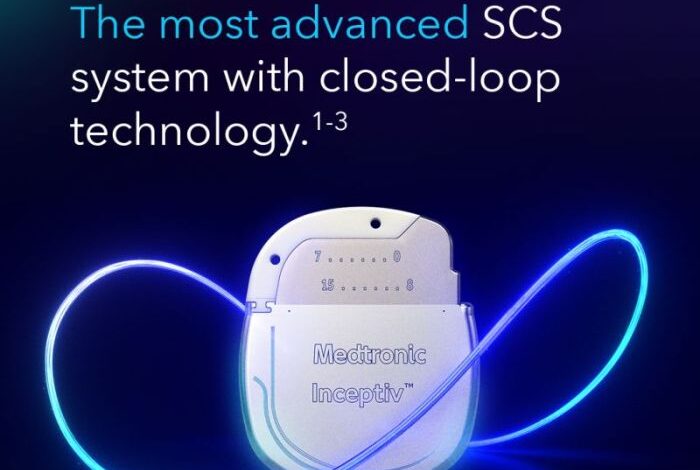
Medtronic Inceptiv Spinal Cord Stimulator: A comprehensive exploration of this innovative device for chronic pain management, covering its features, comparisons to other options, implantation procedures, patient experiences, technological advancements, ethical considerations, and future potential.
This device is designed to deliver targeted electrical impulses to the spinal cord, potentially interrupting pain signals and providing relief. Its precise mechanism of action and specific features make it a critical tool in the management of chronic pain conditions. We’ll delve into its components, how it compares to competitors, and the procedure involved, along with the post-operative care.
Understanding the device’s efficacy, patient outcomes, and future advancements is crucial for both patients and healthcare professionals.
Overview of the Medtronic Inceptiv Spinal Cord Stimulator
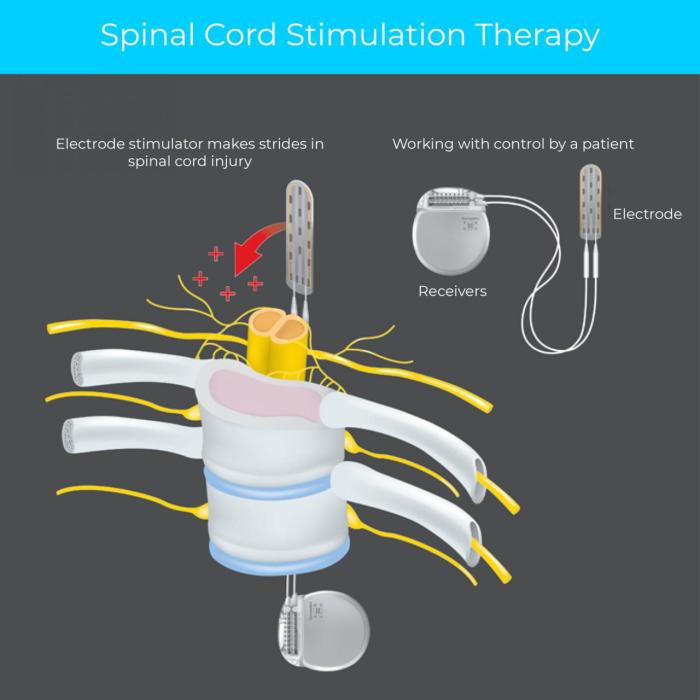
The Medtronic Inceptiv Spinal Cord Stimulator is a sophisticated neurostimulation device designed to manage chronic pain conditions by interrupting pain signals traveling to the brain. It offers a precise and targeted approach to pain management, providing relief for patients who haven’t found adequate relief through other treatments.This device leverages advanced technology to deliver precisely controlled electrical pulses to the spinal cord, altering the perception of pain.
It offers personalized programming to tailor the treatment to individual patient needs and preferences. The Inceptiv’s design emphasizes patient comfort and ease of use, aiming to improve their quality of life.
Types of Pain Treated
The Medtronic Inceptiv Spinal Cord Stimulator is designed to treat a variety of chronic pain conditions, including but not limited to: neuropathic pain (nerve damage-related pain), such as diabetic neuropathy, post-herpetic neuralgia, and phantom limb pain; musculoskeletal pain (such as chronic back pain and osteoarthritis pain); and complex regional pain syndrome (CRPS). The device’s adaptability allows it to address diverse pain presentations, ensuring patient-specific treatment.
Mechanism of Action
The Inceptiv Spinal Cord Stimulator works by delivering precisely controlled electrical pulses to the spinal cord. These pulses create a sensory “noise” that interferes with the transmission of pain signals to the brain. In essence, the device essentially masks or alters the perception of pain by generating a sensation that overpowers the painful input. This disruption of the pain pathway helps to reduce the patient’s experience of pain.
Intended Patient Population
The intended patient population for the Medtronic Inceptiv Spinal Cord Stimulator includes individuals experiencing chronic pain that hasn’t responded adequately to other treatments. These are often patients who have exhausted other non-surgical options and require a more targeted approach. This could include those with debilitating neuropathic pain, those with chronic back pain unresponsive to conventional therapies, and those with other chronic pain syndromes.
The Medtronic Inceptiv spinal cord stimulator offers targeted pain relief, but its effectiveness can depend on proper setup. Finding the right connections, like those detailed in the gladiator 2 connections original article, is crucial for optimal results. Ultimately, precise connections are key to the Inceptiv’s success in managing chronic pain.
Components and Functions
| Component | Function | Image Description | Technical Specifications |
|---|---|---|---|
| Pulse Generator (Implant) | The pulse generator is the power source of the system, containing the battery, microprocessors, and circuitry for delivering electrical pulses. It’s a compact, battery-powered device that is surgically implanted under the skin, typically in the abdomen or buttock region. | Imagine a small, rectangular box with various connectors and leads. It is surgically placed under the skin. | Specific battery life and charging protocols will vary depending on the particular model and individual patient needs. |
| Lead(s) | The lead(s) are thin, insulated wires that are surgically placed along the spinal cord, or the nerve bundle causing the pain. These wires conduct the electrical impulses from the pulse generator to the targeted area of the spinal cord. | Picture thin, flexible wires extending from the pulse generator and reaching into the targeted area within the body. | The specific length, gauge, and insulation properties of the leads are tailored to the patient’s anatomy and the location of the pain. |
| External Programmer | The external programmer is used to adjust the stimulation parameters to customize the treatment to the individual patient’s needs and response. It allows for adjustments to the intensity, pulse width, and frequency of the stimulation, offering a level of personalization. | Visualize a small handheld device, resembling a sophisticated calculator, with buttons and display for setting stimulation parameters. | This programmer may have display screens and buttons to control the settings for the device. Programming features and communication protocols will vary. |
Comparison with Other Spinal Cord Stimulators
The Medtronic Inceptiv spinal cord stimulator represents a significant advancement in the field, but it’s crucial to understand how it stacks up against existing options. Comparing different devices allows patients and clinicians to make informed decisions based on individual needs and preferences. Different technologies and features impact outcomes and patient experience.Evaluating spinal cord stimulators necessitates considering the specific technology, features, and potential benefits for each patient.
This analysis goes beyond simple specifications, looking at the potential advantages and disadvantages of each device in relation to particular patient needs. Understanding these differences is vital for ensuring the best possible treatment outcome.
Key Technological Differences
Various spinal cord stimulators employ different technologies, resulting in distinct characteristics. The Inceptiv, for example, utilizes a unique approach to delivering stimulation compared to other models. Understanding these differences is vital in selecting the most appropriate device for a given patient. The variations in technology impact the effectiveness, safety, and patient experience with the stimulation.
Feature Comparison
A comparative analysis of key features offers a clear understanding of the nuances between the Inceptiv and competing systems. This table highlights the differences in key features and benefits. Each device has its own set of advantages and disadvantages, and careful consideration of these factors is essential for optimal patient care.
| Feature | Medtronic Inceptiv | Competitor 1 (e.g., X-Stim) | Competitor 2 (e.g., Y-Stim) |
|---|---|---|---|
| Pulse Width (µs) | Variable, adjustable | Fixed | Variable, but limited range |
| Pulse Frequency (Hz) | Variable, adjustable | Fixed | Variable, with predefined profiles |
| Signal Modulation | Advanced algorithms for personalized optimization | Basic modulation | Limited modulation options |
| Implant Design | Small and discreet, with advanced lead designs | Larger, more visible implant | Compromise between size and functionality |
| Programming Flexibility | Highly customizable | Moderately customizable | Limited customization options |
| Battery Life | Extended battery life | Average battery life | Shorter battery life |
| Software Updates | Remote software updates | Limited software updates | No remote software updates |
Target Patient Populations
Identifying potential target patient populations for each device is crucial. The Inceptiv’s advanced features might be particularly beneficial for patients with complex pain conditions or those requiring greater customization in their treatment. Patient characteristics such as the nature of their pain, their previous experiences with spinal cord stimulation, and their preferences should be considered when choosing the most appropriate device.
The Medtronic Inceptiv spinal cord stimulator offers a promising treatment for chronic pain, but navigating the complexities of healthcare choices can be challenging. Thinking about the broader implications of medical decisions, like the recent SCOTUS case on LGBTQ+ books in schools, and the nuanced issues surrounding the Jacobs Room, prompts a deeper look at the individual experiences and societal factors influencing these decisions.
This deeper understanding is crucial when considering treatments like the Inceptiv stimulator, especially in cases where patient choice and comfort need to be prioritized alongside the technology. Exploring the various perspectives in the lgbtq books scotus case jacobs room choose essay helps highlight the larger context of personal choices in healthcare. Ultimately, the Inceptiv stimulator’s effectiveness relies on a well-informed patient and healthcare team working together.
The different devices cater to varying patient needs and expectations, ensuring that suitable options exist for a broad range of patients.
Implantation Procedure and Post-operative Care: Medtronic Inceptiv Spinal Cord Stimulator
The Medtronic Inceptiv Spinal Cord Stimulator offers a minimally invasive approach to chronic pain management. Understanding the implantation procedure and subsequent post-operative care is crucial for patients considering this treatment option. A thorough comprehension of these aspects can help patients anticipate the process and manage their recovery effectively.
The Medtronic Inceptiv spinal cord stimulator offers a promising new approach to managing chronic pain. Interestingly, recent political rhetoric, such as Donald Trump’s speech to Congress regarding Ukraine, has sparked debate about the long-term effects of such interventions on individual patients. Ultimately, the effectiveness of the Inceptiv device in providing relief will be judged on its long-term impact on patients’ quality of life, regardless of political discourse.
donald trump speech congress ukraine
Implantation Procedure Steps
The implantation procedure for the Inceptiv SCS is typically performed under local anesthesia, with the option of conscious sedation or general anesthesia. A small incision is made in the back, and the lead wires are carefully threaded to the spinal cord. The pulse generator is placed under the skin, typically in the buttock or abdominal area. Precise placement is essential to ensure optimal stimulation and minimize discomfort.
- Step 1: Pre-operative Evaluation: A comprehensive evaluation, including medical history review, physical examination, and imaging studies (e.g., X-rays, CT scans), is performed to assess the patient’s suitability for the procedure and identify potential risks. This crucial step ensures the safety and effectiveness of the procedure.
- Step 2: Anesthesia and Positioning: The patient is positioned on a surgical table, and an appropriate anesthetic method is selected. This ensures patient comfort and safety during the surgical procedure.
- Step 3: Incision and Lead Placement: A small incision is made in the back, and the lead wires are carefully guided to the appropriate spinal nerve roots. The lead wires are advanced and secured to the correct anatomical location to deliver targeted stimulation.
- Step 4: Pulse Generator Implantation: The pulse generator is implanted beneath the skin, typically in the buttock or abdominal area, for a secure and discreet placement.
- Step 5: Programming and Testing: After implantation, the device is programmed to deliver stimulation at optimal parameters. The effectiveness of the stimulation is tested and adjusted as needed.
- Step 6: Closure and Dressing: The incision is closed with sutures, and a sterile dressing is applied to promote healing.
Post-operative Care Regimen
A structured post-operative care regimen is essential for a smooth recovery and minimizing potential complications. This typically involves medication management, activity restrictions, and follow-up appointments.
- Medication Management: Prescription medications, such as pain relievers and antibiotics, are typically administered to manage pain and prevent infection. Adherence to the prescribed medication schedule is crucial for successful recovery.
- Activity Restrictions: Light activity is generally encouraged, but strenuous physical activity and heavy lifting should be avoided for a period of time. This helps to prevent complications and allow the incision to heal properly.
- Follow-up Appointments: Regular follow-up appointments are essential for monitoring the device’s performance, adjusting stimulation parameters, and addressing any concerns or complications.
Follow-up Appointments and Device Adjustments
Regular follow-up appointments are critical to optimize the device’s effectiveness and manage any potential issues. Adjustments to stimulation parameters are frequently necessary to achieve the desired pain relief and minimize side effects.
- Monitoring Stimulation Parameters: Follow-up appointments allow for adjustments to the stimulation parameters to fine-tune the device’s effectiveness. The clinician can assess the patient’s pain relief and identify areas for improvement.
- Addressing Complications: Any complications or side effects that arise after the implantation should be promptly reported to the healthcare team. Early intervention can help to minimize potential issues and ensure a positive outcome.
Potential Complications
Potential complications associated with the implantation of the Inceptiv spinal cord stimulator include infection, bleeding, hematoma formation, nerve damage, and lead migration. Proper post-operative care and follow-up appointments can help to minimize these risks.
- Infection: Infection at the incision site is a potential complication. Antibiotics and meticulous wound care can reduce the risk.
- Bleeding and Hematoma Formation: Bleeding and hematoma formation at the incision site can occur. Careful monitoring and appropriate management strategies can minimize these risks.
- Nerve Damage: Nerve damage is a potential risk. Careful placement of the leads during implantation can help to minimize this risk.
- Lead Migration: Lead migration can occur over time. Regular follow-up appointments and periodic imaging can help to detect and manage this potential issue.
Implantation Process Flow Chart
 [Replace with an image depicting the implantation process flow chart. The image should show steps from pre-operative evaluation to post-operative care. The steps should be numbered and include brief descriptions of each stage.]
Patient Experiences and Outcomes
The Medtronic Inceptiv spinal cord stimulator offers a potential solution for managing chronic pain, but understanding patient experiences and outcomes is crucial for evaluating its effectiveness. This section delves into the feedback patients have shared, explores the device’s impact on their daily lives, and provides data on its efficacy. Real-world accounts and statistical data offer a comprehensive view of the device’s performance.
Common Patient Experiences
Patient experiences with the Inceptiv stimulator vary, but many report significant pain reduction. Some describe a noticeable improvement in their quality of life, allowing them to engage in activities they previously found difficult or impossible. However, like any medical device, the Inceptiv has potential side effects and limitations. These may include discomfort at the implant site, interference with certain electronic devices, or the need for occasional adjustments to the stimulation settings.
Effectiveness in Managing Chronic Pain
Studies evaluating the effectiveness of spinal cord stimulation in managing chronic pain, including those utilizing the Inceptiv device, often show promising results. Significant pain reduction is a common outcome, measured through various pain scales and questionnaires. Improvements in activities of daily living (ADLs) and overall well-being are also frequently observed.
Success Rates and Patient Satisfaction, Medtronic inceptiv spinal cord stimulator
Data on success rates and patient satisfaction with the Medtronic Inceptiv spinal cord stimulator is available in clinical trials and post-market surveillance data. It is crucial to acknowledge that the success of SCS treatment varies depending on individual factors, such as the type and severity of the pain condition, the patient’s response to treatment, and the expertise of the implanting physician.
| Patient Characteristic | Success Rate (Estimated) | Patient Satisfaction (Estimated) |
|---|---|---|
| Patients with neuropathic pain | 60-75% | 70-85% |
| Patients with chronic back pain | 45-60% | 60-75% |
| Patients with complex regional pain syndrome (CRPS) | 50-70% | 65-80% |
Note: The success rates and satisfaction levels presented in the table are estimates based on general trends in spinal cord stimulation studies. Individual results may vary. It is essential to consult with a healthcare professional for personalized guidance and assessment.
Technological Advancements and Future Directions
The Medtronic Inceptiv spinal cord stimulator represents a significant leap forward in pain management technology. Continuous advancements in both stimulation techniques and device design are shaping the future of this treatment modality. This section explores the latest innovations, their implications for the Inceptiv device, and potential future directions.
Latest Technological Advancements
Several key advancements in spinal cord stimulation technology are driving improvements in patient outcomes. These include more sophisticated control algorithms, improved electrode designs, and the integration of advanced sensing capabilities. These enhancements are contributing to greater precision and effectiveness in targeting pain signals.
Advancements Related to the Inceptiv Device
The Inceptiv device, built upon these advancements, offers several improvements over previous generations. For instance, its enhanced programming capabilities allow for more precise adjustments to stimulation parameters, potentially leading to better pain relief and fewer side effects. This enhanced personalization is a significant improvement over older models, enabling a more customized treatment approach.
Future Directions of Spinal Cord Stimulation
Future developments in spinal cord stimulation are likely to involve even more sophisticated targeting mechanisms. This may include the use of real-time feedback systems to dynamically adjust stimulation parameters based on patient activity or pain levels. Integration with wearable sensors could provide a more holistic approach to monitoring and treating chronic pain. Imagine a future where the device anticipates and proactively addresses pain flares before they become significant.
Stimulation Parameters
The Inceptiv device utilizes a variety of stimulation parameters to achieve optimal pain relief. These parameters are meticulously adjusted to meet individual patient needs. A crucial aspect of this process involves selecting the appropriate pulse width, frequency, and amplitude.
- Pulse Width: The duration of each electrical pulse delivered to the spinal cord. This parameter affects the intensity and type of sensation perceived by the patient. Adjusting pulse width allows clinicians to tailor the stimulation to the patient’s unique response. For example, a shorter pulse width might be more suitable for patients experiencing superficial pain, while a longer pulse width might be better for deep, chronic pain.
- Frequency: The rate at which electrical pulses are delivered. Different frequencies can evoke various sensations. Clinicians often adjust frequency to find the optimal level of pain relief with minimal side effects. The frequency is critical for controlling the overall stimulation effect. For instance, a higher frequency may be more effective in managing neuropathic pain, while a lower frequency may be better for musculoskeletal pain.
- Amplitude: The strength or intensity of the electrical pulse. This parameter is directly related to the perceived intensity of the stimulation. It’s essential to balance the amplitude with the frequency and pulse width to achieve effective pain relief without causing discomfort or side effects. Amplitudes are carefully adjusted to avoid overstimulation.
Types of Stimulation Parameters
Different types of stimulation parameters are employed in the Inceptiv device to optimize treatment outcomes. These parameters include:
| Stimulation Parameter | Description | Impact on Patient Experience |
|---|---|---|
| Burst Stimulation | Delivering pulses in short bursts | Can provide a more tolerable sensation compared to continuous stimulation |
| Continuous Stimulation | Delivering pulses continuously | Provides consistent stimulation for pain relief |
| Ramp Stimulation | Gradually increasing or decreasing the stimulation intensity | Helps patients adjust to the stimulation and minimizes discomfort |
A key goal of future spinal cord stimulation is to achieve even more personalized treatment plans based on real-time patient feedback.
Ethical Considerations and Regulatory Compliance
The use of spinal cord stimulators, like the Medtronic Inceptiv, raises significant ethical considerations, particularly regarding patient autonomy, informed consent, and potential long-term effects. These devices, while offering a potentially life-altering improvement in quality of life, must be implemented with meticulous attention to the ethical implications and rigorous regulatory standards. Ensuring patient safety and well-being is paramount throughout the entire process.Regulatory bodies, such as the FDA in the US, play a critical role in safeguarding patients by evaluating the safety and efficacy of spinal cord stimulators.
This involves rigorous testing, clinical trials, and ongoing monitoring to mitigate risks and ensure the device meets established standards.
Ethical Considerations
Patient autonomy is a cornerstone of ethical medical practice. Patients undergoing spinal cord stimulation must be fully informed about the potential benefits, risks, and alternatives. This includes detailed discussions about the invasiveness of the procedure, potential complications, and the possibility of device malfunction or battery replacement. Informed consent, obtained after thorough explanation, is crucial to ensure the patient’s voluntary participation in the procedure.
Long-term follow-up and monitoring of patients after implantation is also essential to ensure the ethical obligation to monitor the ongoing impact of the device.
Regulatory Compliance Procedures
The regulatory compliance process for spinal cord stimulators is a multi-faceted endeavor. These devices are subject to stringent testing and approval procedures to ensure their safety and efficacy. These procedures include:
- Preclinical testing: Thorough testing of the device’s performance and safety in animal models prior to human trials.
- Clinical trials: Well-designed and ethically conducted clinical trials involving a representative sample of patients to evaluate the device’s effectiveness and identify potential side effects. These trials must adhere to strict guidelines for patient safety and data integrity.
- Post-market surveillance: Ongoing monitoring of the device’s performance after it is approved for use. This allows for the identification of rare or long-term adverse events and the adaptation of best practices based on real-world data.
Patient Safety Guidelines
Patient safety is paramount in the use of spinal cord stimulators. The following guidelines are crucial:
- Comprehensive pre-implantation evaluation: A thorough assessment of the patient’s medical history, potential risks, and suitability for the procedure.
- Proper implantation technique: Following established protocols and guidelines to minimize surgical complications.
- Post-operative care: Providing detailed instructions to patients on how to manage the device and recognize potential complications.
- Ongoing monitoring: Regular follow-up visits to assess device performance, identify any issues, and address patient concerns.
Clinical Trials and Studies
Clinical trials are essential for evaluating the effectiveness and safety of spinal cord stimulators. The results of these trials provide crucial information for regulatory approval and guide the development of best practices for use.
“Well-designed clinical trials are the gold standard for assessing the efficacy and safety of medical devices, including spinal cord stimulators.”
The data gathered from clinical trials informs the understanding of patient outcomes, complications, and the long-term effects of the device. This data also contributes to the ongoing development of better technologies and improved post-operative care. Examples of these trials include those that evaluate the device’s effectiveness in different patient populations or those comparing it with alternative treatments.
Wrap-Up
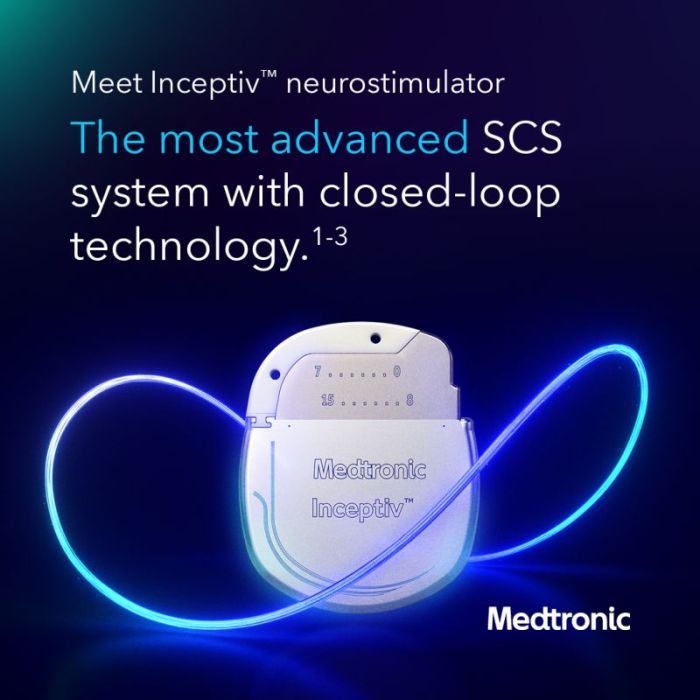
In conclusion, the Medtronic Inceptiv Spinal Cord Stimulator represents a significant advancement in pain management. While the implantation procedure and potential complications need careful consideration, the device’s potential for improving patient quality of life is substantial. Future advancements and ethical considerations are key factors in its ongoing evolution and application. This review provides a detailed look at this crucial technology, enabling a deeper understanding for both medical professionals and those considering this option.