How lupus affects weight autoimmune diseases is a complex issue, impacting patients in myriad ways. This exploration dives deep into the relationship between lupus and weight fluctuations, covering everything from appetite changes and medication side effects to the role of inflammation and stress. We’ll examine the potential causes of both weight loss and weight gain, along with strategies for managing these issues effectively.
It’s a journey into understanding the multifaceted impact of this chronic condition on a patient’s overall well-being.
Lupus, a chronic autoimmune disease, can significantly affect a person’s weight. Inflammation, a hallmark of lupus, can impact metabolism, leading to either weight loss or gain. Medications used to treat lupus can also contribute to these changes. Furthermore, the emotional toll of living with lupus, including stress, anxiety, and fatigue, often plays a role in weight management.
This article will discuss the various factors at play, offering insights into potential causes, management strategies, and the importance of personalized approaches.
Introduction to Lupus and Autoimmune Diseases
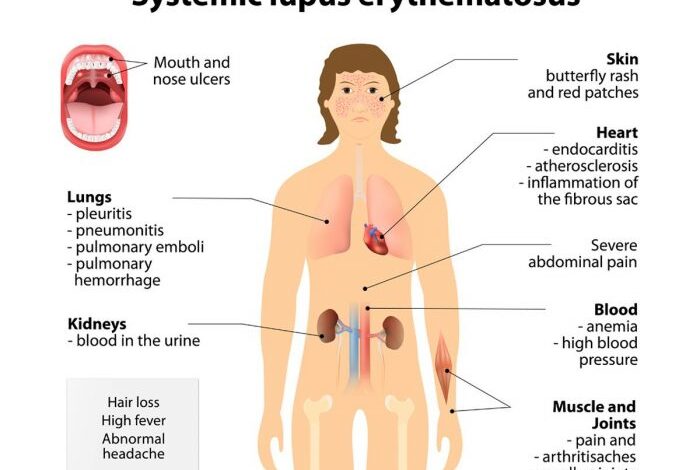
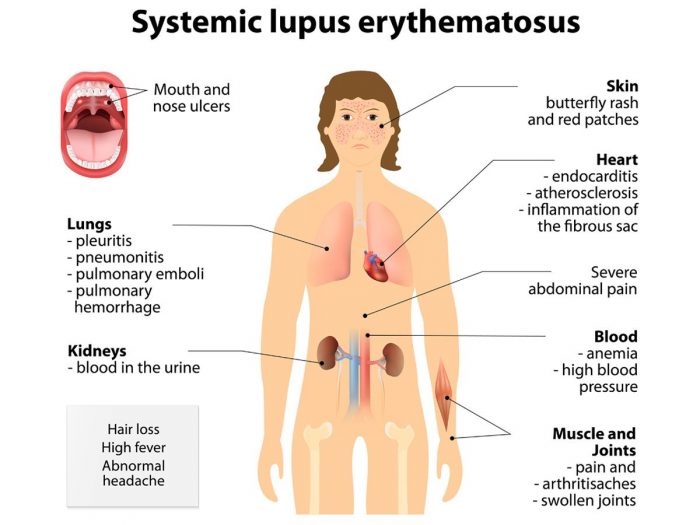
Lupus, a chronic autoimmune disease, is a complex condition that affects various parts of the body. It’s characterized by the body’s immune system mistakenly attacking its own healthy tissues and organs. This attack can manifest in a multitude of ways, leading to inflammation, pain, and damage to different systems. Understanding the mechanisms behind these attacks and the overall impact on health is crucial for effective management and treatment.Autoimmune diseases are a group of disorders where the immune system, designed to protect the body from foreign invaders like bacteria and viruses, mistakenly targets and attacks healthy tissues.
This results in inflammation and damage to various organs and systems within the body. The precise triggers for these misdirected attacks are not fully understood, but genetic predisposition, environmental factors, and hormonal influences are thought to play significant roles.
Mechanisms of Autoimmune Disease Impact
Autoimmune diseases disrupt the delicate balance of the immune system. Normally, the immune system distinguishes between self and non-self, effectively targeting pathogens and leaving healthy cells alone. In autoimmune diseases, this distinction breaks down, leading to an attack on the body’s own tissues. This attack triggers inflammation, a critical response in the body’s defense mechanism. However, in autoimmune diseases, chronic inflammation results in tissue damage and organ dysfunction.
Lupus, an autoimmune disease, can definitely impact weight in various ways, sometimes causing weight gain and other times weight loss. It’s a tricky situation, and navigating the complexities of managing your health alongside the current economic climate, like the recent Trump tariffs, is tough. For insights on how to approach these economic headwinds, check out this helpful article on what to do now about the trump tariff shock.
Ultimately, understanding how these external factors might affect your overall well-being is key, especially when dealing with conditions like lupus.
The severity of the impact varies greatly depending on the specific disease and individual factors.
General Impact on Health and Well-being
Autoimmune diseases significantly impact overall health and well-being. Symptoms can range from mild discomfort to debilitating conditions, affecting physical, emotional, and social aspects of life. Fatigue, joint pain, and skin rashes are common symptoms, often leading to reduced mobility and activity levels. The chronic nature of these diseases can also cause significant emotional distress, anxiety, and depression.
The impact on daily life can be substantial, impacting work, relationships, and overall quality of life. Managing these conditions often requires significant lifestyle adjustments and ongoing medical care.
Comparison of Lupus with Other Autoimmune Diseases
| Characteristic | Lupus | Rheumatoid Arthritis | Multiple Sclerosis | Type 1 Diabetes |
|---|---|---|---|---|
| Primary Target Organs/Systems | Connective tissues, kidneys, skin, joints, blood vessels | Joints, particularly hands and feet | Central nervous system (brain and spinal cord) | Pancreas (beta cells) |
| Typical Symptoms | Butterfly rash, joint pain, fatigue, kidney problems | Joint pain, stiffness, swelling, fatigue | Numbness, tingling, vision problems, muscle weakness | Increased thirst, frequent urination, weight loss |
| Underlying Mechanism | Immune system attacks various tissues, leading to inflammation | Immune system attacks the lining of the joints, leading to inflammation and destruction | Immune system attacks the myelin sheath surrounding nerve fibers | Immune system attacks and destroys insulin-producing cells in the pancreas |
| Treatment Approach | Medication to suppress the immune system, manage symptoms | Medication to reduce inflammation, manage symptoms | Medication to slow disease progression, manage symptoms | Insulin therapy to replace insulin production |
This table provides a general overview of common characteristics among these autoimmune diseases. It’s crucial to remember that each individual’s experience with an autoimmune disease can differ significantly.
Understanding Weight Fluctuations in Lupus
Lupus, an autoimmune disease, can significantly impact a person’s well-being, including their weight. Weight fluctuations in lupus patients are complex and often unpredictable, stemming from a multitude of factors related to the disease itself, its treatment, and the patient’s overall health. Understanding these factors is crucial for effective management and support.Lupus’s impact on weight is multifaceted. The inflammatory nature of the disease can affect appetite, metabolism, and overall energy levels.
Medications used to treat lupus symptoms can also contribute to changes in weight. Furthermore, the chronic stress associated with managing a chronic illness like lupus can have a profound effect on eating habits and weight. Addressing these interconnected factors is essential for creating a holistic approach to managing weight in lupus.
Appetite and Metabolic Changes
Lupus can alter appetite and metabolism in various ways. Some patients experience a decreased appetite due to fatigue, pain, or medication side effects. Conversely, others may experience increased appetite, often related to underlying inflammation or hormonal imbalances. These fluctuations can make it challenging to maintain a stable weight. Changes in metabolism, potentially linked to inflammation, can further complicate weight management.
Impact of Inflammation
Inflammation, a hallmark of lupus, plays a significant role in weight fluctuations. Chronic inflammation can increase the body’s metabolic rate, leading to weight loss in some cases. Conversely, inflammation can also lead to fluid retention, which can contribute to weight gain. The varying impact of inflammation on metabolism and body composition necessitates careful monitoring and individualized approaches to weight management.
Side Effects of Lupus Medications
Certain medications used to treat lupus symptoms can have side effects that affect weight. Some medications may increase appetite or lead to fluid retention, while others might impact metabolism, leading to weight gain. Close monitoring with a healthcare provider is crucial to identify and address any medication-related weight changes. Examples include corticosteroids, which are frequently prescribed for lupus, often leading to weight gain due to increased appetite and fluid retention.
Stress and Weight
The chronic stress associated with managing lupus can significantly impact weight. Stress can lead to changes in eating habits, such as overeating or undereating, and affect sleep patterns, which in turn can affect metabolism. Additionally, stress can increase cortisol levels, which can contribute to weight gain, particularly around the abdomen. Addressing stress through relaxation techniques and support networks is essential for maintaining healthy weight management in lupus patients.
Nutritional Deficiencies
Nutritional deficiencies can significantly impact weight in lupus patients. Lupus can affect nutrient absorption and increase the body’s need for certain vitamins and minerals. For example, deficiencies in iron, vitamin D, or other essential nutrients can impact energy levels and contribute to weight loss. A balanced diet rich in essential nutrients is crucial for maintaining overall health and preventing deficiencies.
Dietary Recommendations for Managing Weight in Lupus
| Nutrient | Importance | Dietary Recommendations |
|---|---|---|
| Protein | Essential for building and repairing tissues, important for satiety. | Include lean protein sources like fish, poultry, beans, and lentils in meals. |
| Fruits and Vegetables | Provide essential vitamins, minerals, and fiber, contributing to overall health. | Aim for a variety of colorful fruits and vegetables in your diet. |
| Whole Grains | Provide complex carbohydrates for sustained energy. | Choose whole-grain bread, pasta, and brown rice over refined grains. |
| Healthy Fats | Essential for hormone production and cell function. | Include sources like avocados, nuts, and seeds in your diet. |
| Hydration | Crucial for overall health and can help manage appetite. | Drink plenty of water throughout the day. |
These dietary recommendations are not exhaustive and should be tailored to individual needs and preferences in consultation with a registered dietitian or healthcare provider.
Exploring the Relationship Between Lupus and Weight Loss
Unintentional weight loss can be a distressing symptom for lupus patients, often adding another layer of complexity to their already challenging health journey. It’s crucial to understand the potential causes behind these fluctuations, as they can significantly impact overall well-being and treatment effectiveness. Addressing these factors can lead to more comprehensive and personalized care plans.Weight loss in lupus isn’t always a simple issue.
It can stem from various interconnected factors, ranging from the disease itself to treatment side effects and coexisting medical conditions. Understanding these intricacies is key to effective management.
Potential Causes of Unintentional Weight Loss in Lupus
Weight loss in lupus patients can be multifactorial, with several factors often playing a role. These include the inflammatory nature of the disease, the fatigue it often induces, and the side effects of medications used to manage lupus symptoms.
Role of Inflammation and Fatigue in Weight Loss
Lupus is characterized by chronic inflammation, which can disrupt metabolic processes, potentially leading to decreased appetite and subsequent weight loss. The relentless fatigue associated with lupus can also hinder the ability to engage in activities that promote calorie intake and contribute to weight loss. Patients may find it challenging to prepare meals, shop for groceries, or participate in regular exercise routines.
For example, a patient with significant fatigue might only have the energy to eat small portions of food, impacting their overall caloric intake.
Impact of Medication Side Effects on Appetite and Weight Loss
Certain medications used to treat lupus can sometimes have side effects that affect appetite. Some drugs may cause nausea, vomiting, or decreased taste sensations, leading to a reduced desire to eat and potentially contributing to unintentional weight loss. This is a critical consideration in managing lupus, as treatment choices should be carefully evaluated in relation to their potential impact on appetite and overall nutrition.
Contribution of Stress, Anxiety, and Depression to Weight Loss
The emotional toll of living with a chronic illness like lupus can significantly impact a person’s well-being. Stress, anxiety, and depression can all contribute to changes in appetite and eating habits. This can manifest as a reduced desire to eat, difficulty concentrating on meal preparation, or even emotional eating, which can further exacerbate weight loss issues. For instance, a patient dealing with significant anxiety might experience nausea and difficulty swallowing, leading to a reduction in food intake.
Possible Coexisting Medical Conditions Affecting Weight
Lupus can sometimes coexist with other medical conditions, which can further complicate weight management. Conditions like hypothyroidism, celiac disease, or gastrointestinal disorders can interfere with nutrient absorption and metabolism, potentially leading to weight loss. It’s important to note that these conditions can often mimic lupus symptoms, making diagnosis challenging. For instance, a patient experiencing fatigue and weight loss might be misdiagnosed without considering the possibility of hypothyroidism.
Lupus, an autoimmune disease, can really mess with your weight. Inflammation and the body’s own immune system attack can lead to changes in appetite and metabolism, sometimes causing weight gain or loss. It’s a complex interplay, and navigating these issues can be tough. This is definitely something to consider alongside the broader discussion about us police brutality leobr reforms , as societal issues can impact health outcomes.
Ultimately, understanding the factors impacting weight is crucial for effective lupus management.
Diagnostic Considerations for Weight Loss in Lupus
| Factor | Diagnostic Considerations |
|---|---|
| Medical History | Thorough review of current medications, past illnesses, and any recent changes in lifestyle or stress levels. |
| Physical Examination | Evaluation of nutritional status, signs of inflammation, and presence of any other related conditions. |
| Laboratory Tests | Blood tests to assess thyroid function, nutrient levels, and inflammation markers. |
| Dietary Assessment | Detailed evaluation of eating habits, food preferences, and calorie intake. |
| Psychological Evaluation | Assessment for stress, anxiety, and depression, as these can influence appetite and weight. |
Exploring the Relationship Between Lupus and Weight Gain
Lupus, an autoimmune disease, can significantly impact a person’s health in various ways, and weight fluctuations are often a noticeable symptom. While weight loss is sometimes associated with lupus, weight gain is also a possibility. Understanding the factors contributing to weight gain in lupus patients is crucial for effective management and support. This exploration delves into the complex interplay between lupus, medication, lifestyle, and weight gain.Weight gain in lupus patients can stem from a multitude of interconnected factors, making it a complex issue to address.
It’s not simply a matter of overeating; instead, it’s often a consequence of a combination of underlying medical conditions, medication side effects, and lifestyle choices. This section will Artikel potential causes and provide insights into strategies for managing weight in individuals with lupus.
Potential Causes of Weight Gain in Lupus
Several factors contribute to weight gain in lupus patients. These include the underlying inflammatory processes of the disease, side effects of medications, and lifestyle choices. The inflammatory response can impact appetite and metabolism, potentially leading to increased caloric intake and reduced energy expenditure.
How Certain Lupus Medications Can Lead to Weight Gain
Certain medications used to treat lupus can have unintended consequences on weight. Corticosteroids, a common class of lupus medication, are known to increase appetite and potentially slow metabolism. This can result in a higher calorie intake than usual, leading to weight gain. Immunosuppressants can also influence appetite and metabolism, but the effect may vary depending on the individual and specific medication.
Changes in Appetite and Metabolism Influencing Weight Gain
The inflammatory processes associated with lupus can directly impact appetite and metabolism. Lupus can cause fatigue, which can lead to decreased physical activity and subsequently reduced calorie burning. Additionally, the inflammatory response can affect the body’s ability to regulate metabolism, leading to an increased storage of fat. Furthermore, changes in hormone levels can also contribute to weight fluctuations.
Impact of Stress and Emotional Factors on Weight Gain
Stress and emotional factors play a significant role in weight gain, especially in individuals with chronic illnesses like lupus. Stress can trigger hormonal changes, potentially increasing appetite and altering metabolism. Emotional eating, a common coping mechanism for stress, can lead to excessive calorie consumption and subsequent weight gain. Support systems and strategies for managing stress are essential components of overall health management for lupus patients.
Common Dietary Habits Contributing to Weight Gain in Lupus
Certain dietary habits can contribute to weight gain, particularly in individuals with lupus. A diet high in processed foods, sugary drinks, and unhealthy fats can exacerbate weight gain. Insufficient intake of fruits, vegetables, and whole grains can also play a role. Furthermore, consuming excessive amounts of alcohol can contribute to weight gain. Making informed choices about food intake is crucial for overall health management in lupus.
Treatment Strategies for Weight Gain Related to Lupus
| Treatment Strategy | Description | Potential Benefits | Potential Drawbacks |
|---|---|---|---|
| Dietary Modifications | Focus on a balanced diet rich in fruits, vegetables, whole grains, and lean proteins. Reduce intake of processed foods, sugary drinks, and unhealthy fats. | Improved overall health, reduced inflammation, and potential weight loss. | Requires commitment and discipline. May not be sufficient for significant weight loss in some cases. |
| Increased Physical Activity | Engage in regular exercise tailored to individual capabilities. This could include walking, swimming, or other activities. | Improved cardiovascular health, increased energy levels, and potential weight loss. | May be challenging due to fatigue associated with lupus. Gradual increase in activity is recommended. |
| Stress Management Techniques | Incorporate stress-reducing activities like yoga, meditation, or spending time in nature. | Reduced stress levels, improved mood, and potentially improved appetite regulation. | May require professional guidance for individuals with severe stress or anxiety. |
| Medication Adjustments | Consult with a physician about potential adjustments to lupus medications if weight gain is a significant concern. | Potentially mitigating the weight-gain effect of specific medications. | Requires careful monitoring and adjustments made by a healthcare professional. May not be an option in all cases. |
Management Strategies for Weight in Lupus

Managing weight fluctuations is a crucial aspect of lupus management, as it can significantly impact overall health and well-being. Weight changes in lupus can stem from various factors, including medication side effects, fatigue, and altered metabolism. Effective strategies for weight management in lupus require a holistic approach that considers these diverse influences.A personalized approach is paramount, as what works for one lupus patient may not work for another.
This involves close collaboration with healthcare professionals, lifestyle modifications, and a strong support system. Consistency and patience are key elements in achieving and maintaining a healthy weight.
Balanced Diet for Lupus Patients
A balanced diet plays a vital role in managing weight fluctuations and overall health for lupus patients. This involves focusing on nutrient-rich foods that support the body’s needs while minimizing potential triggers or exacerbations. Crucially, this approach should be tailored to individual dietary needs and preferences, considering any allergies or intolerances.
- Prioritize whole foods like fruits, vegetables, lean proteins, and whole grains. These foods offer essential vitamins, minerals, and fiber that are crucial for overall well-being.
- Limit processed foods, sugary drinks, and excessive saturated and unhealthy fats. These can negatively impact blood sugar levels and increase inflammation, which can be problematic for lupus patients.
- Stay hydrated by drinking plenty of water throughout the day. Dehydration can exacerbate symptoms and impact metabolism.
- Consider portion control. Paying attention to serving sizes helps manage calorie intake effectively.
Regular Exercise and Lupus Management
Regular exercise is essential for maintaining a healthy weight and managing lupus symptoms. Exercise can help improve energy levels, reduce stress, and boost mood. It’s important to find activities that are enjoyable and sustainable.
- Consult with a doctor before starting any new exercise routine. This is crucial to ensure the chosen activities are safe and appropriate for the individual’s specific health needs.
- Start slowly and gradually increase the intensity and duration of workouts over time. This allows the body to adjust and prevent injuries.
- Choose activities that you enjoy, such as walking, swimming, cycling, or yoga. This helps maintain consistency and motivation.
- Incorporate strength training exercises into the routine to build muscle mass. Muscle tissue burns more calories than fat, contributing to weight management.
Medical Professional Support in Weight Management
Medical professionals play a critical role in supporting lupus patients with weight management. They can provide personalized guidance, monitor progress, and adjust treatment plans as needed.
- Regular check-ups with rheumatologists are essential for monitoring lupus activity and adjusting medications as needed.
- Discuss any concerns or challenges with weight management openly with your healthcare team.
- Collaborate with registered dietitians or nutritionists for personalized dietary recommendations.
- Work with physical therapists or certified personal trainers for safe and effective exercise programs.
Stress Management Techniques
Chronic stress can contribute to weight gain or loss in lupus patients. Implementing stress management techniques can help maintain a healthy weight and overall well-being.
- Practice relaxation techniques such as deep breathing exercises, meditation, or yoga.
- Prioritize sufficient sleep to allow the body to recover and regulate hormones.
- Engage in hobbies and activities that promote relaxation and enjoyment.
- Seek support from friends, family, or support groups for emotional well-being.
Resources for Weight Management Support
Numerous resources are available to support lupus patients with weight management. These include online communities, support groups, and educational materials.
- Online lupus support groups provide a platform for connecting with others who understand the challenges of managing lupus and weight.
- Lupus organizations often offer resources and information about nutrition, exercise, and stress management.
- Libraries and community centers may host workshops or seminars on healthy living and weight management.
Summary Table of Weight Management Approaches
| Approach | Pros | Cons |
|---|---|---|
| Balanced Diet | Provides essential nutrients, reduces inflammation, and promotes overall health | Requires careful planning and potentially lifestyle adjustments |
| Regular Exercise | Improves energy levels, reduces stress, and boosts mood; builds muscle mass | Requires commitment and can be challenging to integrate into a busy schedule |
| Medical Professional Support | Personalized guidance, monitoring of progress, adjustments to treatment plans | Requires active engagement and communication with the healthcare team |
| Stress Management | Reduces stress hormones, improves mood, and potentially impacts appetite regulation | Requires consistent effort and may not be effective for everyone |
Impact of Lupus on Body Composition
Lupus, an autoimmune disease, can significantly affect a person’s body composition beyond just weight fluctuations. The chronic inflammation inherent in lupus can impact muscle mass, fat distribution, and bone health, often requiring careful management to maintain overall well-being. Understanding these impacts is crucial for developing personalized strategies for managing lupus and its associated symptoms.Lupus’s complex interplay with the body’s systems can lead to changes in body composition, often in ways that aren’t immediately obvious.
These changes can be influenced by the disease’s activity, treatment regimens, and the individual’s overall health and lifestyle. Addressing these issues is critical for ensuring a higher quality of life for individuals with lupus.
Muscle Mass and Fat Distribution
The inflammatory processes associated with lupus can negatively affect muscle protein synthesis, leading to a loss of muscle mass. This can manifest as a decrease in strength and endurance, impacting daily activities and overall functional capacity. Additionally, lupus can influence fat distribution, sometimes resulting in an accumulation of fat in certain areas, while other areas might experience a loss of subcutaneous fat.
Lupus, an autoimmune disease, can definitely impact weight in various ways. Sometimes, the inflammation associated with lupus can lead to a loss of appetite and subsequent weight loss. Conversely, some treatments for lupus can cause weight gain. Interestingly, the FAA’s history with near misses, documented in this article about DC plane crash near misses FAA history , highlights the importance of rigorous safety protocols in potentially life-altering situations.
Ultimately, managing weight with lupus requires careful consideration of both the disease itself and treatment side effects.
This altered fat distribution can lead to a distorted body image and contribute to a range of associated health concerns.
Bone Health and Density
Lupus can increase the risk of developing osteoporosis, a condition characterized by decreased bone density and an increased risk of fractures. The chronic inflammation in lupus can disrupt the delicate balance of bone remodeling, leading to a loss of bone mass. Certain lupus medications, such as corticosteroids, can also contribute to bone loss. Regular monitoring of bone health through DEXA scans and appropriate dietary interventions can be vital in mitigating this risk.
Impact of Inflammation on Body Composition
Inflammation plays a central role in the body composition changes observed in lupus. The persistent inflammatory response can directly affect muscle protein synthesis, hindering muscle growth and leading to muscle loss. It can also influence fat metabolism, altering fat distribution patterns and potentially leading to increased visceral fat accumulation. This constant state of inflammation can contribute to a cascade of systemic issues, including fatigue, reduced physical activity, and ultimately impacting overall body composition.
Role of Physical Activity in Maintaining Body Composition
Physical activity plays a crucial role in maintaining healthy body composition in lupus. Regular exercise can help preserve muscle mass, improve bone density, and potentially counteract some of the adverse effects of inflammation on fat distribution. A personalized exercise plan, developed in conjunction with a healthcare provider, is essential to address individual needs and limitations. Examples of appropriate exercises include low-impact cardio, strength training, and flexibility exercises.
Illustrative Examples of Healthy Body Composition for Individuals with Lupus
Healthy body composition for individuals with lupus varies based on individual factors like age, genetics, and overall health. However, the focus should be on maintaining a healthy weight, preserving muscle mass, and ensuring adequate bone density. A balanced approach that considers these aspects can promote well-being and prevent potential complications.
Factors Affecting Body Composition in Lupus Patients
| Factor | Description |
|---|---|
| Disease Activity | Periods of high disease activity often correlate with changes in body composition, including muscle loss and altered fat distribution. |
| Treatment Regimens | Certain lupus medications, such as corticosteroids, can contribute to bone loss and changes in body composition. |
| Nutritional Intake | A balanced diet that supports overall health is critical for maintaining healthy body composition. |
| Physical Activity Level | Regular exercise can help maintain muscle mass, improve bone density, and influence fat distribution. |
| Underlying Medical Conditions | Presence of other medical conditions can also impact body composition in individuals with lupus. |
| Individual Factors (genetics, age, etc.) | Individual genetic predispositions and age-related factors can also play a role in how lupus impacts body composition. |
Considerations for Lupus Patients and Weight Management: How Lupus Affects Weight Autoimmune Diseases
Managing weight with lupus requires a nuanced approach that goes beyond general dietary advice. Lupus’s impact on the body is multifaceted, affecting appetite, energy levels, and even medication responses. This necessitates a personalized strategy, focusing on the individual’s specific needs and challenges.Individualized approaches are critical for successful weight management in lupus. A one-size-fits-all approach won’t work for everyone, given the varied ways lupus affects individuals.
This necessitates a collaborative effort between the patient and their healthcare team to tailor a plan that addresses specific needs and potential complications.
Importance of Individualized Approaches
Lupus affects individuals differently, and weight management strategies must be tailored to the specific characteristics of each patient. For instance, a patient experiencing fatigue due to lupus might benefit from smaller, more frequent meals, whereas someone with increased appetite due to medication side effects might need strategies to control portions. The key is to understand how lupus symptoms influence daily life and create a plan that supports well-being without exacerbating the disease.
Open Communication with Healthcare Providers
Open and honest communication with healthcare providers is paramount. Patients should actively share their experiences, including any changes in appetite, energy levels, or medication side effects that could influence weight. This information is crucial for developing a comprehensive weight management plan that aligns with the patient’s overall health goals and lupus management. Providers should be informed about all medications, supplements, and lifestyle choices to avoid potential interactions or complications.
Patient-Centered Care Models
Patient-centered care models prioritize the patient’s needs and preferences in the decision-making process. These models empower patients to take an active role in their weight management, fostering a sense of control and ownership over their health. Examples include shared decision-making, where the patient and provider collaborate on treatment options, and personalized care plans that consider the patient’s unique circumstances and preferences.
Role of Support Groups
Support groups provide a crucial platform for lupus patients to connect with others who understand their experiences. Sharing experiences and coping strategies can help patients feel less isolated and more empowered to manage their weight. Support groups can offer encouragement, practical advice, and a sense of community, reducing the emotional burden of living with lupus.
Regular Check-ups and Monitoring, How lupus affects weight autoimmune diseases
Regular check-ups and monitoring of health markers are essential for effective weight management. These appointments allow for adjustments to the plan based on changes in symptoms, medication responses, or overall health. Blood tests, for instance, can monitor kidney function, liver function, and other vital parameters, allowing for timely interventions to prevent complications.
Key Considerations for Personalized Weight Management Plans
| Category | Considerations |
|---|---|
| Medical History | Detailed medical history, including lupus diagnoses, medications, and pre-existing conditions. |
| Symptom Profile | Specific lupus symptoms affecting appetite, energy levels, and other aspects of daily life. |
| Dietary Habits | Current dietary habits, including food preferences, allergies, and eating patterns. |
| Lifestyle Factors | Physical activity levels, stress levels, and sleep patterns. |
| Medication Interactions | Potential interactions between medications and dietary choices, including supplements and over-the-counter drugs. |
| Support System | Presence of family support, friends, or support groups to provide emotional and practical assistance. |
Conclusive Thoughts
In conclusion, understanding how lupus affects weight is crucial for effective management. The complex interplay of inflammation, medication side effects, emotional factors, and nutritional deficiencies contributes to weight fluctuations. Adopting a holistic approach that considers individual needs, including a balanced diet, regular exercise, stress management, and open communication with healthcare providers, is paramount. Remember, personalized strategies are key to navigating these challenges and maintaining overall well-being.
The journey to managing weight with lupus is a collaborative one, demanding proactive engagement with healthcare professionals and support systems.